 By
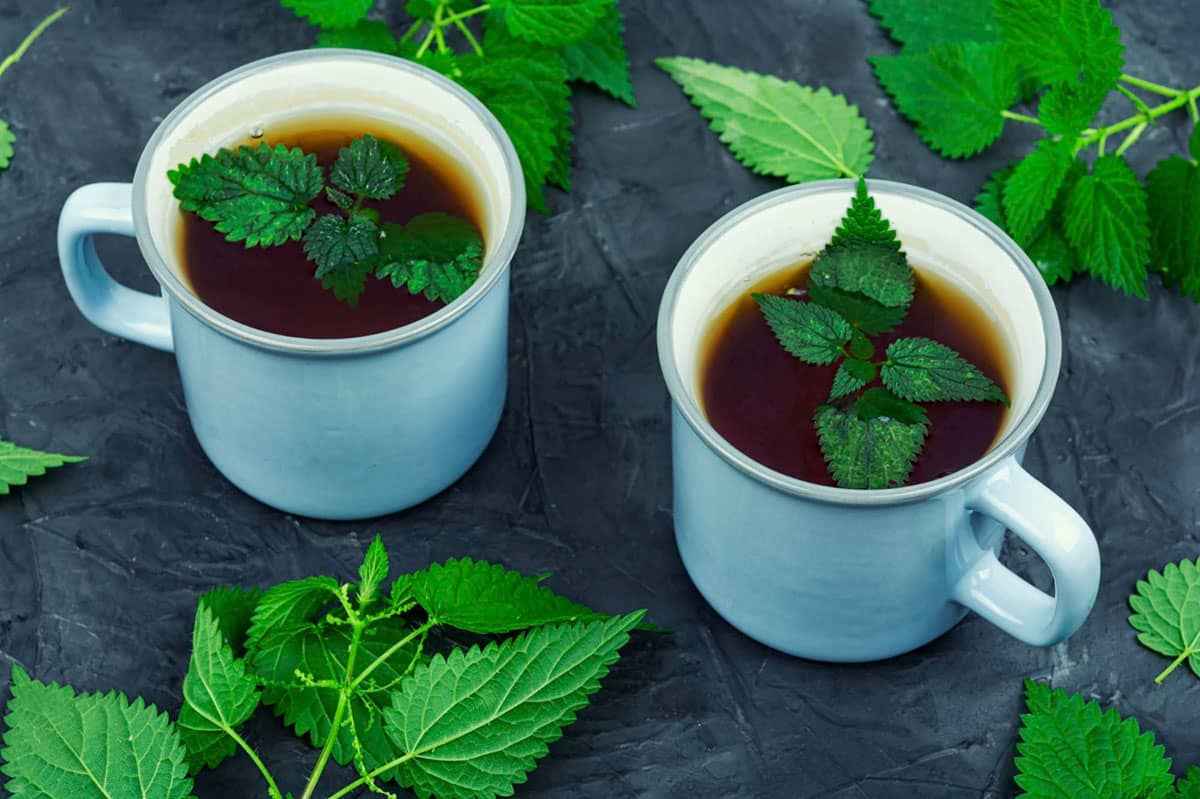
By Nettle tea benefits have made this caffeine-free herbal infusion increasingly popular among people interested in natural wellness. Made from the leaves of the stinging nettle plant (Urtica dioica), nettle tea has been enjoyed for centuries in traditional herbal practices and is valued today for its antioxidants, plant compounds, and potential wellness-supporting properties.
Rich in antioxidants, vitamins, minerals, and beneficial plant compounds, nettle tea has become a favorite among herbal tea enthusiasts seeking a simple way to support their overall well-being. Many people drink it to support overall wellness, hydration, seasonal health, and digestive function. Its earthy flavor and natural nutrient content have made it one of the most widely used herbal teas worldwide.
Nettle tea is also commonly included in wellness and cleansing routines for its mild diuretic properties, which may support the body’s natural elimination processes. While no single tea can “detox” the body on its own, staying hydrated and consuming nutrient-rich beverages can support overall health and well-being.
If you’re new to herbal wellness, our guide to Herbal Medicine Basics explains how traditional herbs have been used throughout history.
In this guide, we’ll explore the potential benefits of nettle tea, its nutritional value, possible side effects, and how to prepare it at home.
What Is Nettle Tea?
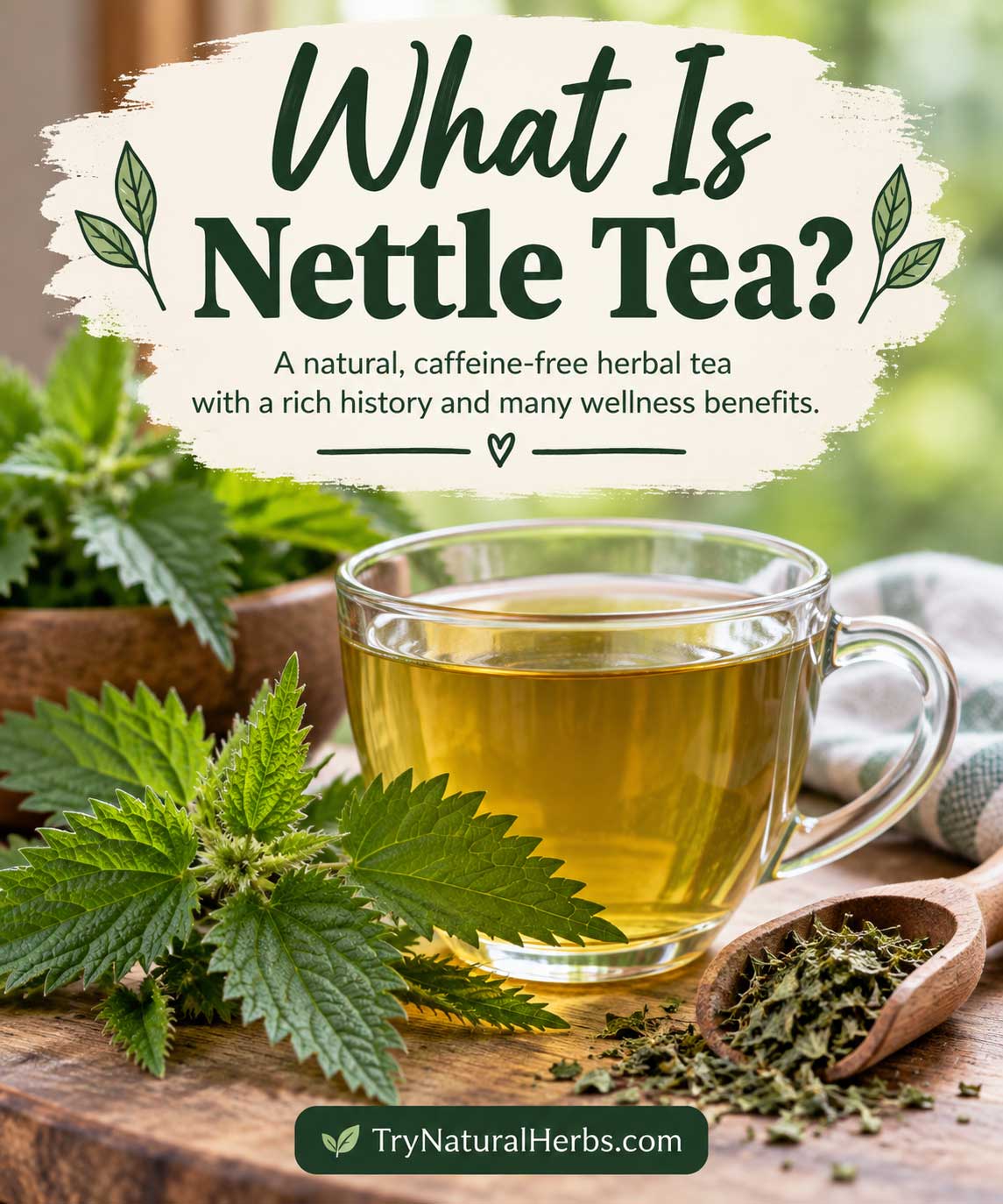
Nettle tea is a caffeine-free herbal tea made from the dried leaves of the stinging nettle plant (Urtica dioica). To learn more about the plant itself, visit our complete guide to Nettle, including its history, traditional uses, and growing information. Although fresh nettle plants are known for the tiny hairs that can cause a temporary stinging sensation when touched, the dried leaves used for tea are safe to consume and have been used in traditional herbal practices for centuries.
Nettle tea is valued for its impressive nutritional profile. It contains vitamins and minerals such as vitamin A, vitamin C, vitamin K, calcium, iron, magnesium, and potassium. In addition, nettle leaves contain antioxidants and other beneficial plant compounds that may help support overall health and wellness.
Many people include nettle tea in their daily routine because it is naturally caffeine-free and provides a simple way to increase fluid intake. The tea is also traditionally known for its mild diuretic properties, meaning it may increase urine production in some people.
One reason nettle tea has become increasingly popular is its high antioxidant content. Antioxidants help protect cells from oxidative stress caused by free radicals, which are unstable molecules produced during normal metabolic processes and exposure to environmental factors. A diet rich in antioxidant-containing foods and beverages may help support overall health as part of a balanced lifestyle.
With its earthy flavor, long history of traditional use, and nutrient-rich composition, nettle tea remains one of the most popular herbal teas enjoyed around the world today.
Nutritional Profile Of Nettle Tea
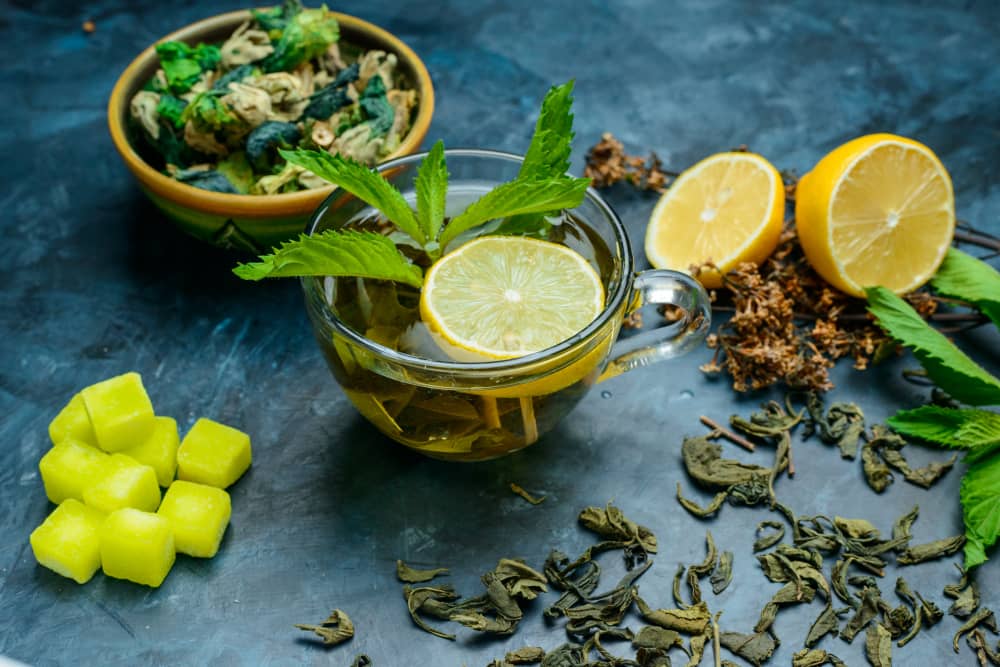
Nettle tea is naturally low in calories while providing a variety of vitamins, minerals, antioxidants, and beneficial plant compounds. Although the exact nutrient content can vary depending on how the tea is prepared, stinging nettle leaves are known for their impressive nutritional value.
One of the key nutrients found in nettle tea is vitamin C, an important antioxidant that supports immune function and helps the body produce collagen for healthy skin, blood vessels, and connective tissues. Nettle also contains vitamin A, which plays a role in maintaining healthy vision, skin, and immune health.
Nettle leaves provide several essential minerals, including calcium, magnesium, potassium, and iron. Calcium and magnesium contribute to healthy bones and muscles, while potassium helps support normal blood pressure and proper fluid balance. Iron is necessary for the production of red blood cells and the transportation of oxygen throughout the body.
In addition to vitamins and minerals, nettle tea contains naturally occurring plant compounds such as flavonoids, polyphenols, carotenoids, and chlorophyll. These compounds act as antioxidants that help protect cells from oxidative stress caused by free radicals.
Some of the most notable nutrients and beneficial compounds found in nettle tea include:
- Vitamin A
- Vitamin C
- Vitamin K
- Calcium
- Iron
- Magnesium
- Potassium
- Flavonoids
- Polyphenols
- Carotenoids
- Chlorophyll
Because nettle tea is naturally caffeine-free and rich in beneficial plant nutrients, many people enjoy it as part of a balanced diet and healthy lifestyle. While it should not be considered a replacement for nutrient-dense foods, it can be a flavorful way to add extra antioxidants and hydration to your daily routine.
Top Health Benefits Of Nettle Tea
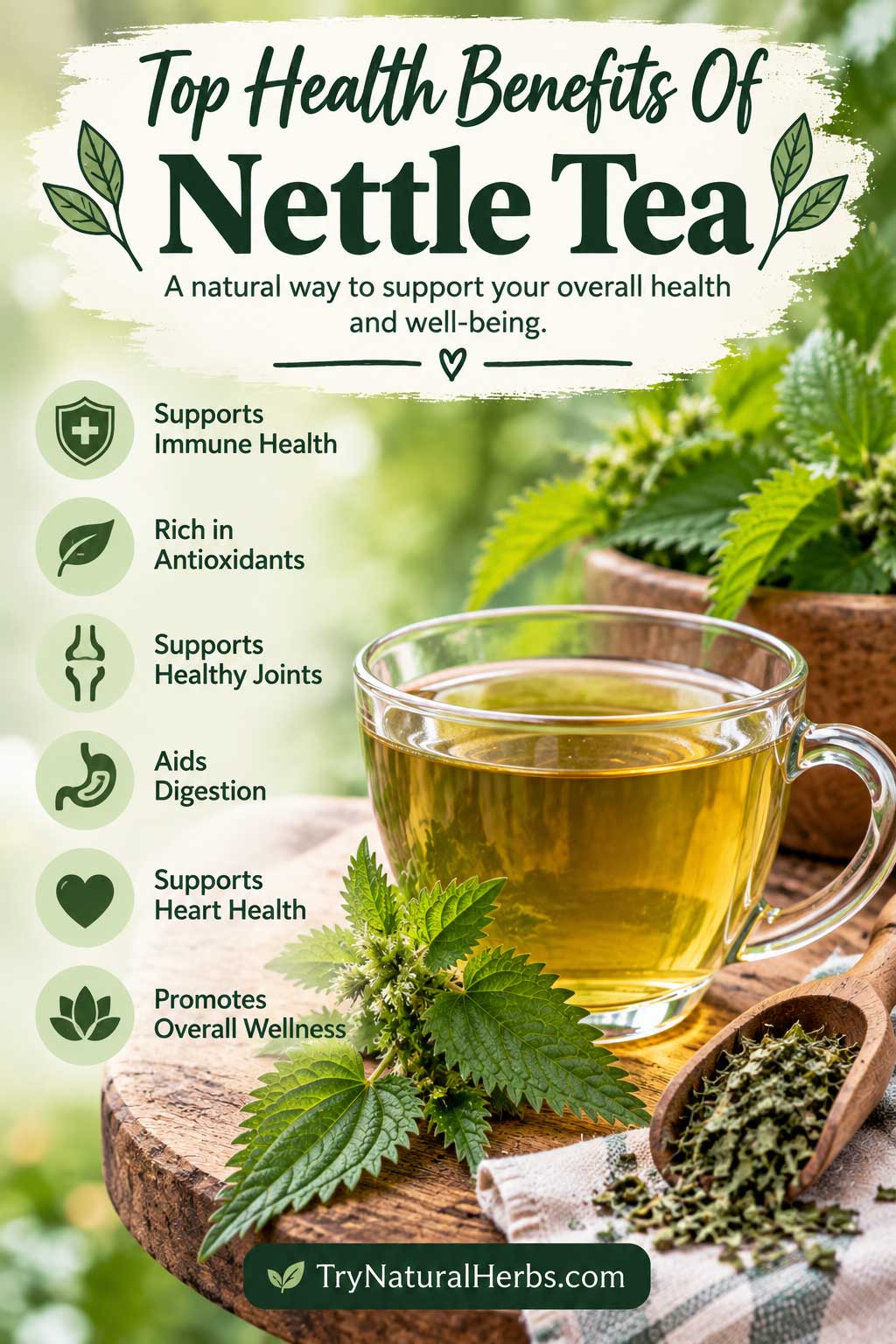
Nettle tea has been enjoyed for centuries as a traditional herbal beverage and remains popular today because of its impressive nutritional profile. Rich in vitamins, minerals, antioxidants, and beneficial plant compounds, nettle tea may support several aspects of overall health when consumed as part of a balanced lifestyle.
Research on stinging nettle (Urtica dioica) suggests it contains antioxidants and other naturally occurring compounds that may contribute to its traditional uses. While nettle tea is not a cure or treatment for any medical condition, it can be a nutritious addition to a healthy diet and wellness routine.
Below are some of the most commonly discussed potential benefits of nettle tea.
Nettle Tea May Support Healthy Hydration
Staying properly hydrated is essential for overall health, and drinking herbal teas such as nettle tea can contribute to your daily fluid intake. Because nettle tea is naturally caffeine-free, it can be enjoyed throughout the day by people who prefer to limit or avoid caffeine.
Nettle tea is traditionally known for its mild diuretic properties, meaning it may help support normal kidney function and fluid balance within the body. While diuretics increase urine production, moderate consumption of nettle tea still contributes to overall hydration when consumed as part of a balanced diet.
Proper hydration plays an important role in many bodily functions, including temperature regulation, nutrient transportation, digestion, and joint lubrication. Even mild dehydration can affect energy levels, concentration, and physical performance.
Replacing sugary beverages with herbal teas such as nettle tea can be a simple way to increase fluid intake while also benefiting from naturally occurring vitamins, minerals, and antioxidants. Many people enjoy nettle tea both hot and iced, making it a versatile beverage option throughout the year.
Although nettle tea can support hydration, it should be viewed as one part of a healthy hydration strategy that includes drinking adequate water and consuming a balanced diet rich in fruits and vegetables.
Nettle Tea Contains Beneficial Antioxidants
One of the most notable benefits of nettle tea is its antioxidant content. Stinging nettle leaves contain a variety of naturally occurring plant compounds, including flavonoids, polyphenols, carotenoids, and vitamin C, which help protect the body from oxidative stress.
Oxidative stress occurs when there is an imbalance between free radicals and antioxidants in the body. Free radicals are unstable molecules that can damage cells over time and may contribute to aging and various chronic health conditions. Antioxidants help neutralize these molecules and support the body’s natural defense systems.
The antioxidants found in nettle tea may help support overall wellness by protecting cells from everyday environmental stressors such as pollution, ultraviolet radiation, and normal metabolic processes. While drinking nettle tea alone will not prevent disease, consuming antioxidant-rich foods and beverages is widely recognized as part of a healthy lifestyle.
Nettle tea contains several beneficial plant compounds that contribute to its antioxidant activity, including:
- Flavonoids
- Polyphenols
- Carotenoids
- Vitamin C
- Chlorophyll
Regularly enjoying antioxidant-rich herbal teas such as nettle tea can be a simple way to support overall health while adding variety to your daily beverage choices. Some research also suggests that nettle’s nutritional compounds may play a role in immune support. If you’d like to learn more, check out our article on How Nettle Can Help Boost Your Immune System. Combined with a balanced diet rich in fruits, vegetables, and whole foods, nettle tea may help contribute to long-term wellness.
Nettle Tea And Inflammation Support
Nettle tea has long been used in traditional herbal practices to support the body’s natural response to inflammation. Modern research suggests that stinging nettle (Urtica dioica) contains several bioactive compounds, including polyphenols and flavonoids, that may help support normal inflammatory processes within the body.
Inflammation is a natural part of the immune system’s response to injury, infection, and everyday stress. While short-term inflammation is an important protective mechanism, persistent inflammation may contribute to various health concerns over time. This is one reason why many people seek foods and beverages that contain naturally occurring anti-inflammatory compounds.
The antioxidants found in nettle tea may help support cellular health by reducing oxidative stress, which is closely linked to inflammation. These compounds may help protect cells from oxidative stress caused by free radicals.
Some people drink nettle tea as part of a wellness routine aimed at supporting joint comfort, mobility, and overall health. While early research on stinging nettle shows promising results, more high-quality human studies are needed to fully understand its effects and potential benefits.
As with many herbal teas, nettle tea should be viewed as a supportive addition to a healthy lifestyle rather than a treatment for any medical condition. When combined with a balanced diet, regular physical activity, and other healthy habits, it may contribute to overall wellness and long-term health.
Can Nettle Tea Help With Seasonal Allergies?
Nettle tea is often discussed as a natural option for supporting seasonal allergy relief. For centuries, stinging nettle (Urtica dioica) has been used in traditional herbal practices to help manage symptoms associated with pollen and other environmental allergens.
Researchers believe that certain compounds found in nettle may help support the body’s normal inflammatory and histamine responses. Histamine is a chemical released by the immune system that contributes to common allergy symptoms such as sneezing, itchy eyes, nasal congestion, and a runny nose.
Some preliminary studies have suggested that stinging nettle may provide support for people experiencing seasonal allergies. However, the current research remains limited, and more high-quality human studies are needed before firm conclusions can be made about its effectiveness.
Many people choose to drink nettle tea during allergy season as part of their overall wellness routine. Nettle has a long history of traditional use beyond seasonal wellness. You can learn more about the plant in our complete Nettle guide. Its antioxidant content and naturally occurring plant compounds may provide additional support for general health while helping maintain hydration.
It’s important to remember that nettle tea should not replace prescribed medications or professional medical advice for allergy management. Individuals with severe allergies or ongoing symptoms should consult a qualified healthcare professional to determine the most appropriate treatment options.
While the scientific evidence is still developing, nettle tea remains a popular herbal beverage, particularly during spring and other times when seasonal allergies are common.
Nettle Tea And Digestive Health
Nettle tea may help support a healthy digestive system when enjoyed as part of a balanced diet and healthy lifestyle. Traditionally, stinging nettle has been used in herbal practices to promote digestive comfort and overall gastrointestinal wellness.
One of the simplest ways nettle tea may benefit digestion is by contributing to daily hydration. Adequate fluid intake plays an important role in supporting normal digestive function, helping food move efficiently through the digestive tract and promoting regular bowel movements.
Nettle tea also contains naturally occurring plant compounds, including polyphenols and antioxidants, that may help support overall gut health. While research specifically examining nettle tea and digestion is still limited, antioxidant-rich foods and beverages are often included in wellness-focused diets that support digestive function.
Some studies suggest that stinging nettle may contain compounds that support a healthy inflammatory response, which could indirectly benefit digestive comfort. However, additional research is needed to better understand the relationship between nettle and digestive health.
Because nettle tea is naturally caffeine-free and generally gentle on the stomach, many people enjoy it as a soothing beverage after meals or throughout the day. Its mild, earthy flavor makes it a popular choice for those looking to add more herbal teas to their wellness routine.
Although nettle tea may support digestive wellness, it should not be considered a treatment for digestive disorders. Anyone experiencing persistent digestive symptoms should seek advice from a qualified healthcare professional.
Nettle Tea For Skin And Hair Health
Nettle tea is often included in wellness routines aimed at supporting healthy skin and hair. While more research is needed to fully understand its effects, the nutrients and antioxidants found in stinging nettle may contribute to overall skin and hair health when consumed as part of a balanced diet.
One reason nettle tea is associated with skin health is its antioxidant content. Antioxidants help protect cells from oxidative stress caused by free radicals, which can contribute to premature skin aging. Nettle tea also contains vitamin C, an essential nutrient that supports the body’s natural collagen production. Collagen is an important protein that helps maintain skin structure and elasticity.
The vitamins and minerals found in nettle leaves, including vitamin A, iron, and magnesium, play important roles in maintaining healthy skin and supporting normal hair growth. Iron, in particular, helps transport oxygen throughout the body, including to hair follicles and skin cells.
Proper hydration is another factor that can influence the appearance of skin and hair. Because nettle tea contributes to daily fluid intake, it may help support overall hydration, which is important for maintaining healthy-looking skin.
Although nettle tea is commonly promoted as a natural remedy for various skin and hair concerns, scientific evidence remains limited. Drinking nettle tea should be viewed as one part of a healthy lifestyle that includes a nutritious diet, adequate hydration, proper skincare, and good overall health habits.
For individuals experiencing significant hair loss or persistent skin conditions, it is always best to consult a qualified healthcare professional or dermatologist for personalized advice and treatment options.
Can Nettle Tea Support Weight Management?
Nettle tea is sometimes included in weight-management and wellness routines, but it is important to understand that no single tea can cause significant weight loss on its own. Maintaining a healthy weight is usually the result of consistent habits, including a balanced diet, regular exercise, quality sleep, and an active lifestyle.
That said, nettle tea may offer several qualities that can support a healthy weight-management plan. Because it is naturally low in calories and caffeine-free, it can be a satisfying alternative to sugary beverages, specialty coffees, and soft drinks that may contribute excess calories to the diet.
Drinking herbal teas such as nettle tea may also help increase daily fluid intake. Staying properly hydrated can support overall health and may help some people better distinguish between hunger and thirst throughout the day.
Nettle tea contains antioxidants and beneficial plant compounds that support general wellness, making it a nutritious addition to a balanced diet. While some traditional herbal practices associate nettle with metabolic health, there is currently insufficient scientific evidence to conclude that nettle tea directly increases metabolism or causes weight loss.
For those looking to manage their weight, nettle tea can be enjoyed as part of a healthy lifestyle that includes nutrient-dense foods, regular exercise, and mindful eating habits. Replacing high-calorie beverages with herbal teas may be one small step toward supporting long-term wellness goals.
Rather than viewing nettle tea as a weight-loss solution, it is best considered a healthy, low-calorie beverage that can complement an overall balanced approach to health and nutrition.
How To Make Nettle Tea At Home
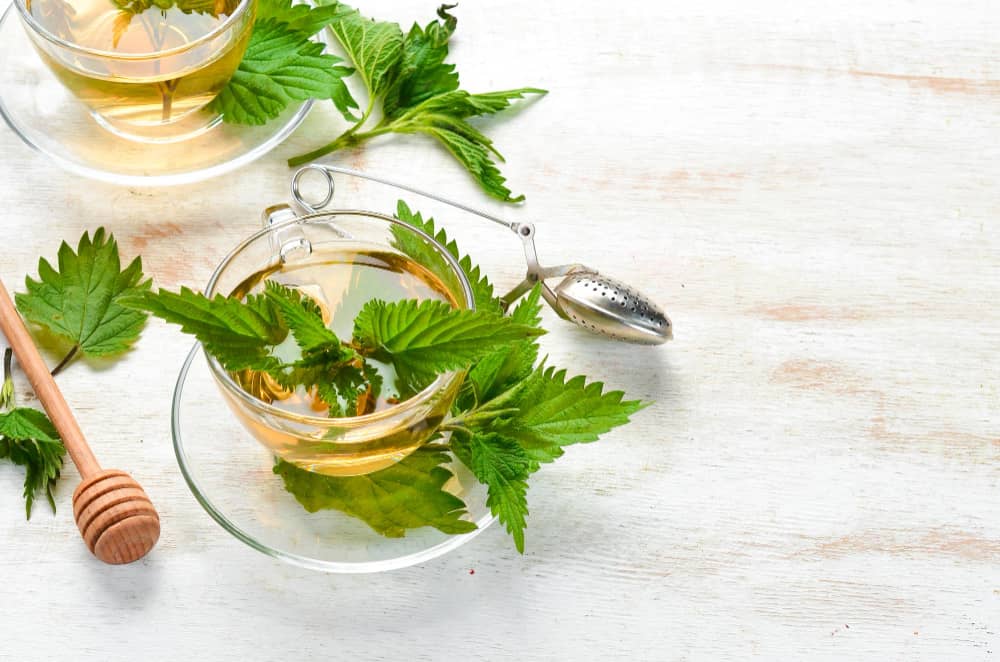
Making nettle tea at home is simple and requires only a few ingredients. Whether you use dried nettle leaves purchased from a reputable supplier or nettle leaves you have properly dried yourself, this herbal tea can be prepared in just a few minutes. If you’d like to prepare your own herbs, check out our guide on How To Dry Herbs For Tea At Home.
Ingredients
- 1–2 teaspoons dried nettle leaves
- 8 ounces (240 ml) hot water
- Honey, lemon, or mint (optional)
Instructions
- Bring fresh water to a boil.
- Place the dried nettle leaves in a tea infuser, tea ball, or directly into a mug.
- Pour the hot water over the leaves.
- Allow the tea to steep for 5–10 minutes, depending on your preferred strength.
- Strain the leaves if necessary.
- Add honey, lemon, or other natural flavorings if desired.
- Serve warm or allow it to cool and enjoy it over ice.
Tips For The Best Nettle Tea
- Use filtered water for a cleaner taste.
- Cover the cup while steeping to help preserve aromatic compounds.
- For a stronger infusion, steep for up to 15 minutes.
- Combine nettle with herbs such as peppermint, lemon balm, or chamomile for additional flavor.
- Store dried nettle leaves in an airtight container away from heat, light, and moisture.
Nettle tea has a mild, earthy flavor that many people describe as similar to green vegetables or fresh herbs. If you’re new to nettle tea, adding a squeeze of lemon or a small amount of honey can help create a more balanced and enjoyable taste.
When prepared properly, nettle tea offers a simple and refreshing way to enjoy one of the most popular traditional herbal beverages.
Best Time To Drink Nettle Tea
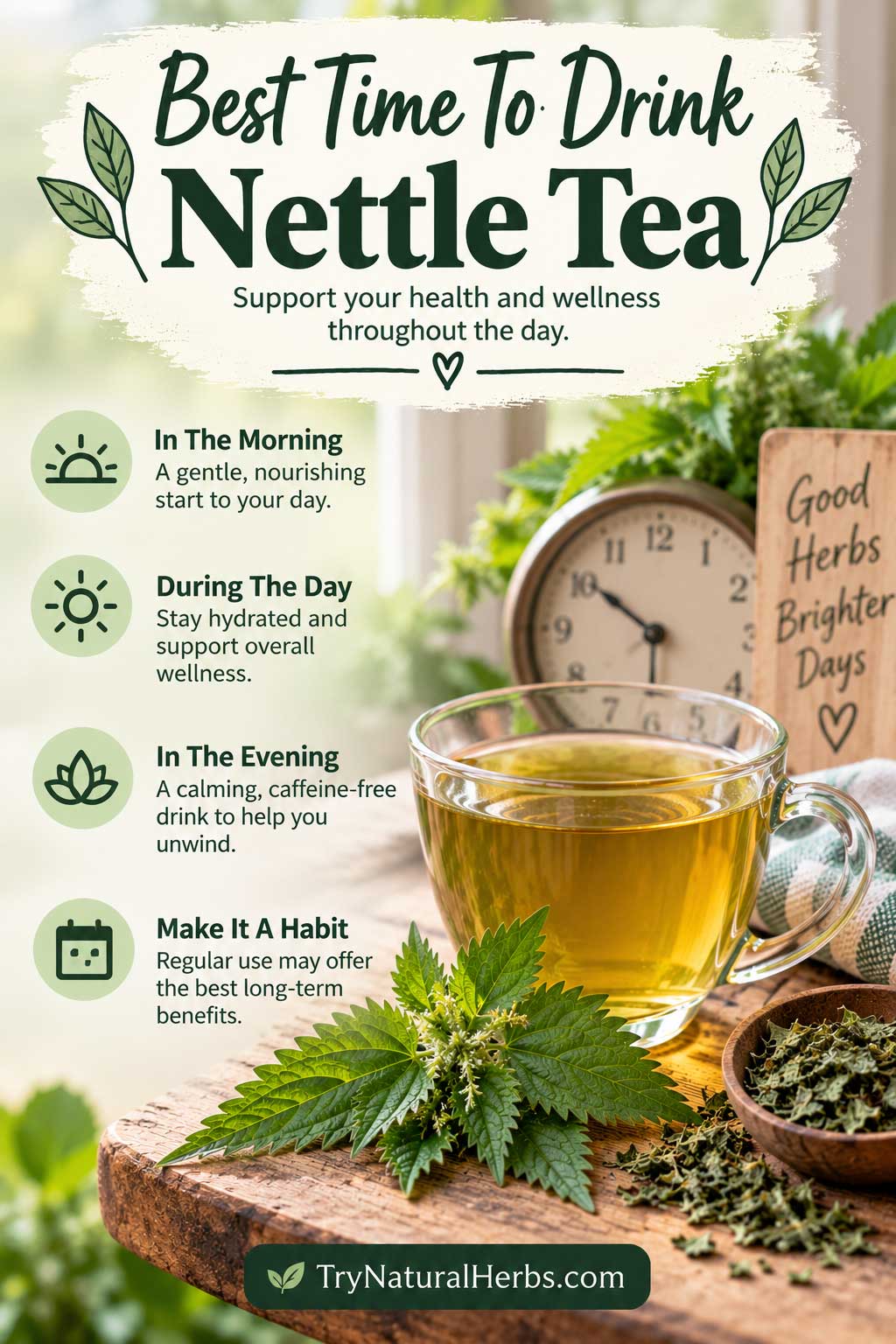
One of the advantages of nettle tea is that it is naturally caffeine-free, allowing most people to enjoy it at any time of the day. The best time to drink nettle tea often depends on your personal preferences and wellness goals.
Many people enjoy starting their morning with a cup of nettle tea as a gentle, caffeine-free way to hydrate and begin the day. Many people also enjoy rotating nettle with other herbal beverages featured in our guide to Herbal Tea Benefits. Its naturally occurring vitamins, minerals, and antioxidants can make it a nutritious addition to a healthy morning routine.
Others prefer drinking nettle tea in the afternoon as a caffeine-free alternative to coffee or traditional tea. It can provide a warm, flavorful beverage without contributing to caffeine consumption later in the day.
Because nettle tea has mild diuretic properties, some individuals prefer to consume it earlier in the day rather than shortly before bedtime. This may help reduce the likelihood of nighttime bathroom visits, especially for those who are sensitive to increased fluid intake in the evening.
When To Drink Nettle Tea
- Morning for hydration and a healthy start to the day
- Afternoon as a caffeine-free beverage option
- Between meals as part of a wellness routine
- During seasonal allergy periods for those who enjoy herbal teas
- Any time you want a warm, nutrient-rich herbal drink
There is no single “best” time to drink nettle tea. There is no single “best” time to drink nettle tea. Choose a time that fits comfortably into your routine, while keeping in mind that its mild diuretic effect may make earlier consumption more convenient for some people.
Potential Side Effects Of Nettle Tea
Nettle tea is generally considered safe for most healthy adults when consumed in moderation. However, like many herbal products, it may cause side effects in some individuals and may not be appropriate for everyone.
One of the most commonly reported side effects is mild digestive discomfort. Some people may experience symptoms such as stomach upset, nausea, bloating, or diarrhea, particularly when first introducing nettle tea into their routine or consuming large amounts.
Because nettle tea has mild diuretic properties, it may increase urination in some individuals. While this effect is typically mild, excessive consumption could potentially contribute to dehydration if adequate fluids are not consumed throughout the day.
Although uncommon, allergic reactions to nettle can occur. Individuals who are sensitive to stinging nettle or related plants should use caution when trying nettle tea for the first time. Signs of an allergic reaction may include itching, rash, swelling, or difficulty breathing, which requires immediate medical attention.
Nettle tea may also interact with certain medications. Potential interactions may occur with:
- Blood pressure medications
- Diabetes medications
- Blood-thinning medications
- Diuretics (water pills)
- Certain kidney-related medications
For this reason, individuals taking prescription medications should consult a healthcare professional before regularly consuming nettle tea or other herbal supplements.
Tips To Minimize Side Effects
- Start with one cup daily to assess your tolerance.
- Avoid excessive consumption.
- Stay properly hydrated throughout the day.
- Purchase nettle products from reputable sources.
- Consult your healthcare provider if you have underlying medical conditions or take medications.
As with any herbal tea, moderation is key. Most people can enjoy nettle tea safely as part of a balanced diet, but it is always wise to listen to your body and seek professional medical advice if concerns arise.
Who Should Avoid Nettle Tea?
While nettle tea is generally safe for many people, certain individuals should exercise caution or speak with a healthcare professional before adding it to their routine. Because stinging nettle may affect fluid balance, blood sugar levels, and blood pressure, it may not be suitable for everyone.
Pregnant Or Breastfeeding Women
There is limited research regarding the safety of nettle tea during pregnancy and breastfeeding. Pregnant or nursing individuals should consult their healthcare provider before consuming nettle tea or any herbal supplement.
People Taking Blood Pressure Medications
Nettle may influence blood pressure and fluid balance. Individuals taking medications for high or low blood pressure should speak with their healthcare provider before regularly drinking nettle tea to avoid potential interactions.
People Taking Diabetes Medications
Some research suggests that stinging nettle may influence blood sugar regulation. People with diabetes or those taking blood sugar-lowering medications should monitor their condition carefully and seek medical advice before consuming nettle tea regularly.
Individuals Taking Blood-Thinning Medications
Nettle contains vitamin K, a nutrient involved in normal blood clotting. People taking blood-thinning medications should discuss nettle tea consumption with their healthcare provider to ensure it does not interfere with their treatment plan.
People With Kidney Conditions
Because nettle tea has mild diuretic properties and may affect fluid balance, individuals with kidney disease or other kidney-related conditions should consult a healthcare professional before using it regularly.
Individuals With Known Plant Allergies
Although uncommon, some people may be allergic to stinging nettle or related plants. Anyone with a history of plant allergies should use caution when trying nettle tea for the first time and discontinue use if adverse reactions occur.
When To Consult A Healthcare Professional
You should speak with a healthcare provider before drinking nettle tea regularly if you:
- Are pregnant or breastfeeding
- Take prescription medications
- Have diabetes
- Have kidney disease
- Take blood pressure medication
- Take blood-thinning medication
- Have a history of allergic reactions to herbs or plants
For most healthy adults, nettle tea can be enjoyed safely in moderation. However, seeking professional medical advice is always the best approach when introducing herbal products into your wellness routine, especially if you have existing health conditions or take medications.
Frequently Asked Questions
Is Nettle Tea Caffeine-Free?
Yes. Nettle tea is naturally caffeine-free because it is made from the leaves of the stinging nettle plant (Urtica dioica) rather than the tea plant. This makes it a popular choice for people looking to reduce their caffeine intake or enjoy a soothing beverage later in the day.
Can You Drink Nettle Tea Every Day?
Many people enjoy nettle tea daily as part of a balanced diet and healthy lifestyle. However, moderation is recommended, and anyone with medical conditions or who takes prescription medications should consult a healthcare professional before consuming nettle tea regularly.
What Does Nettle Tea Taste Like?
Nettle tea has a mild, earthy flavor that is often compared to green vegetables or fresh herbs. Some people describe it as grassy and slightly sweet. Adding lemon, honey, or mint can enhance its flavor and make it more enjoyable for those new to herbal teas.
Can Nettle Tea Help With Seasonal Allergies?
Some preliminary research suggests that stinging nettle may help support the body’s normal response to seasonal allergens. However, more research is needed, and nettle tea should not be considered a replacement for prescribed allergy treatments or medical advice.
Does Nettle Tea Help With Weight Loss?
There is currently insufficient evidence to show that nettle tea directly causes weight loss. However, because it is low in calories and can replace sugary beverages, it may support healthy weight-management efforts when combined with a nutritious diet and regular physical activity.
How Much Nettle Tea Can You Drink Per Day?
There is no universally established daily amount of nettle tea. If you’re new to it, starting with a small serving can help you see how your body responds. Follow product directions when using commercially prepared nettle tea, and consult a healthcare professional if you have medical conditions or take medications. Individual tolerance can vary, so it is best to start with a smaller amount and monitor how your body responds.
Can Nettle Tea Be Consumed Hot Or Cold?
Yes. Nettle tea can be enjoyed either hot or iced. Many people prefer it hot during cooler months and served over ice as a refreshing herbal beverage during warmer weather.
Is Nettle Tea Good For Overall Wellness?
Nettle tea contains antioxidants, vitamins, minerals, and beneficial plant compounds that may support overall health as part of a balanced lifestyle. While it is not a cure for any medical condition, it can be a nutritious addition to a healthy diet and wellness routine.
Final Thoughts On Nettle Tea Benefits
Nettle tea has remained popular for generations because of its rich history, nutritional value, and role in traditional herbal wellness practices. Rich in antioxidants, vitamins, minerals, and beneficial plant compounds, this caffeine-free herbal infusion can be a simple and enjoyable addition to a healthy lifestyle.
From supporting hydration and providing antioxidants to promoting digestive wellness and seasonal health, nettle tea offers a variety of potential benefits. While scientific research continues to explore the full effects of stinging nettle, many people appreciate this herbal tea as a natural way to support their overall well-being.
Nettle tea isn’t a cure or treatment for any medical condition, but it can be an enjoyable way to add variety to your daily beverage routine. Its caffeine-free nature, earthy flavor, antioxidants, and long history of traditional use help explain why people continue to enjoy it today.
Whether you prefer it warm on a cool morning or iced during the summer, nettle tea is easy to prepare at home. To continue exploring herbal beverages, read our guide to Herbal Tea Benefits or discover other Natural Herbs That Can Help With Everyday Ailments.