 By
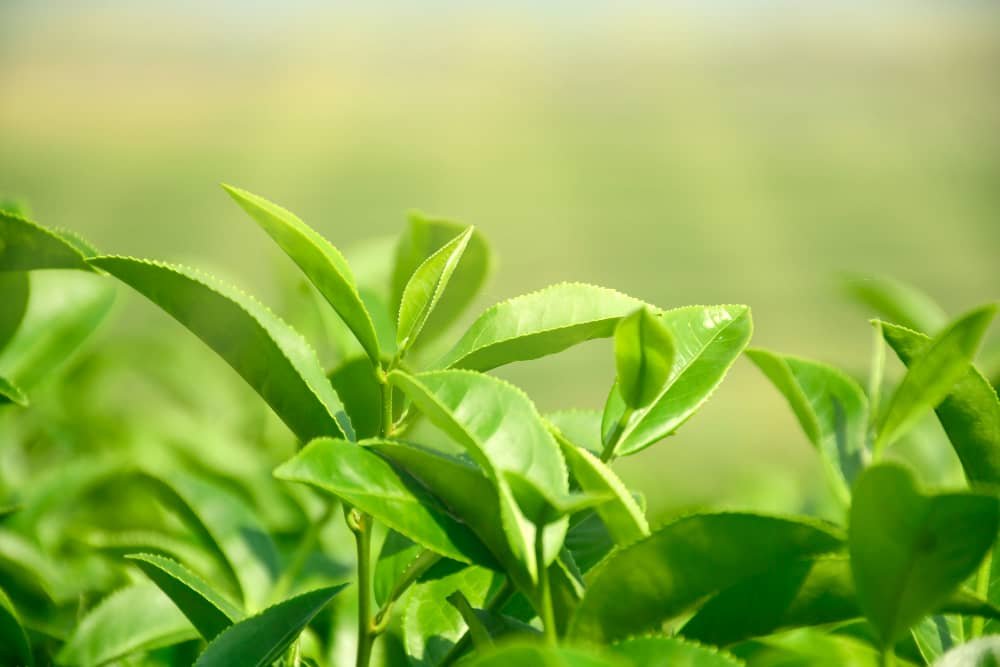
By Camellia sinensis, commonly known as the tea plant, is an evergreen shrub or small tree whose leaves and leaf buds are used to produce some of the world’s most popular beverages. Belonging to the Theaceae family, this remarkable plant is the source of traditional teas, including white tea, green tea, oolong tea, black tea, and pu-erh tea.
For thousands of years, people have cultivated Camellia sinensis for its flavorful leaves and potential health benefits. While each type of tea offers its own unique taste, aroma, and appearance, they all originate from the same plant. The differences between these teas come from the way the leaves are harvested and processed after picking.
Today, Camellia sinensis is cultivated across the globe and remains one of the world’s most important beverage crops. But what makes the tea plant especially interesting is how differently its leaves can be handled after harvest. Small changes in picking, oxidation, drying, and aging can turn the same basic plant into teas with remarkably different colors, aromas, and flavors.
If you’re interested in learning more about the benefits of tea, explore our guide to Green Tea Benefits.
Scientific Name: Camellia sinensis
What Is Camellia Sinensis (Tea Plant?
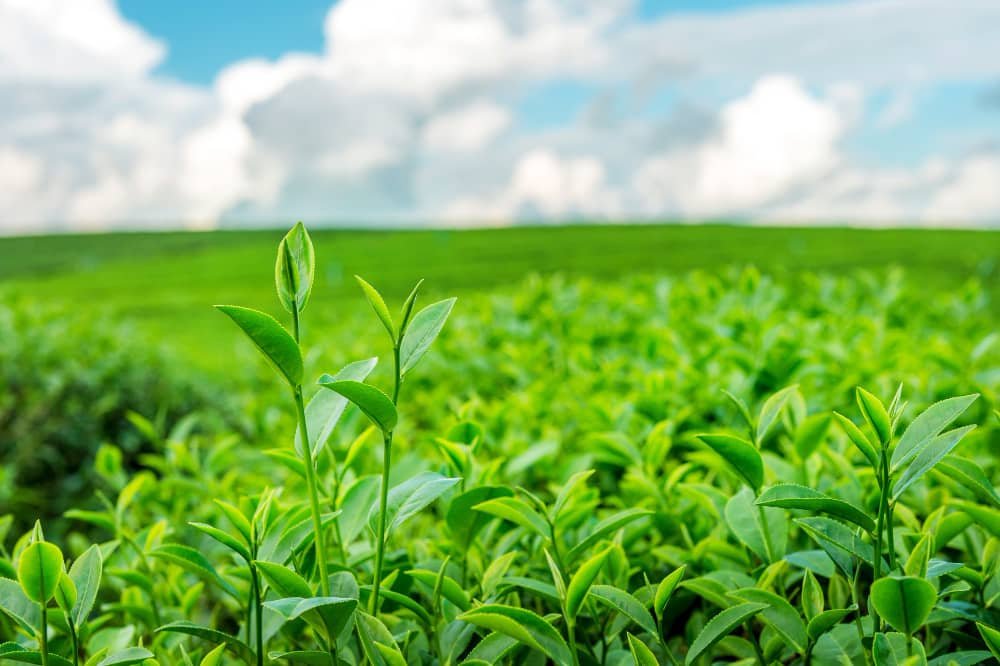
Camellia sinensis is an evergreen flowering shrub best known as the plant from which traditional tea is made. Native to parts of China and Southeast Asia, it has been cultivated for thousands of years and is now grown in many tea-producing regions around the world.
The plant typically grows between 3 and 15 feet tall when cultivated, although it can reach much greater heights in the wild if left unpruned. It produces glossy dark green leaves, fragrant white flowers with yellow centers, and small seed capsules. The young leaves and leaf buds are the most valuable parts of the plant and are carefully harvested to produce tea.
What makes Camellia sinensis particularly unique is that it is responsible for nearly all traditional teas consumed worldwide. Green tea, black tea, white tea, oolong tea, and pu-erh tea all originate from the same species. The differences between these teas come not from different plants, but from the way the leaves are processed after harvest.
For centuries, Camellia sinensis has been valued not only as a refreshing beverage but also for its naturally occurring compounds, including antioxidants, polyphenols, caffeine, and L-theanine. These compounds contribute to tea’s flavor and aroma and are also among the components researchers have studied for their potential effects on health.
Today, Camellia sinensis is grown across the globe and provides the leaves used to make billions of cups of tea every year. Its cultivation supports entire communities and has helped shape tea traditions that continue to thrive worldwide.
The History of Camellia Sinensis
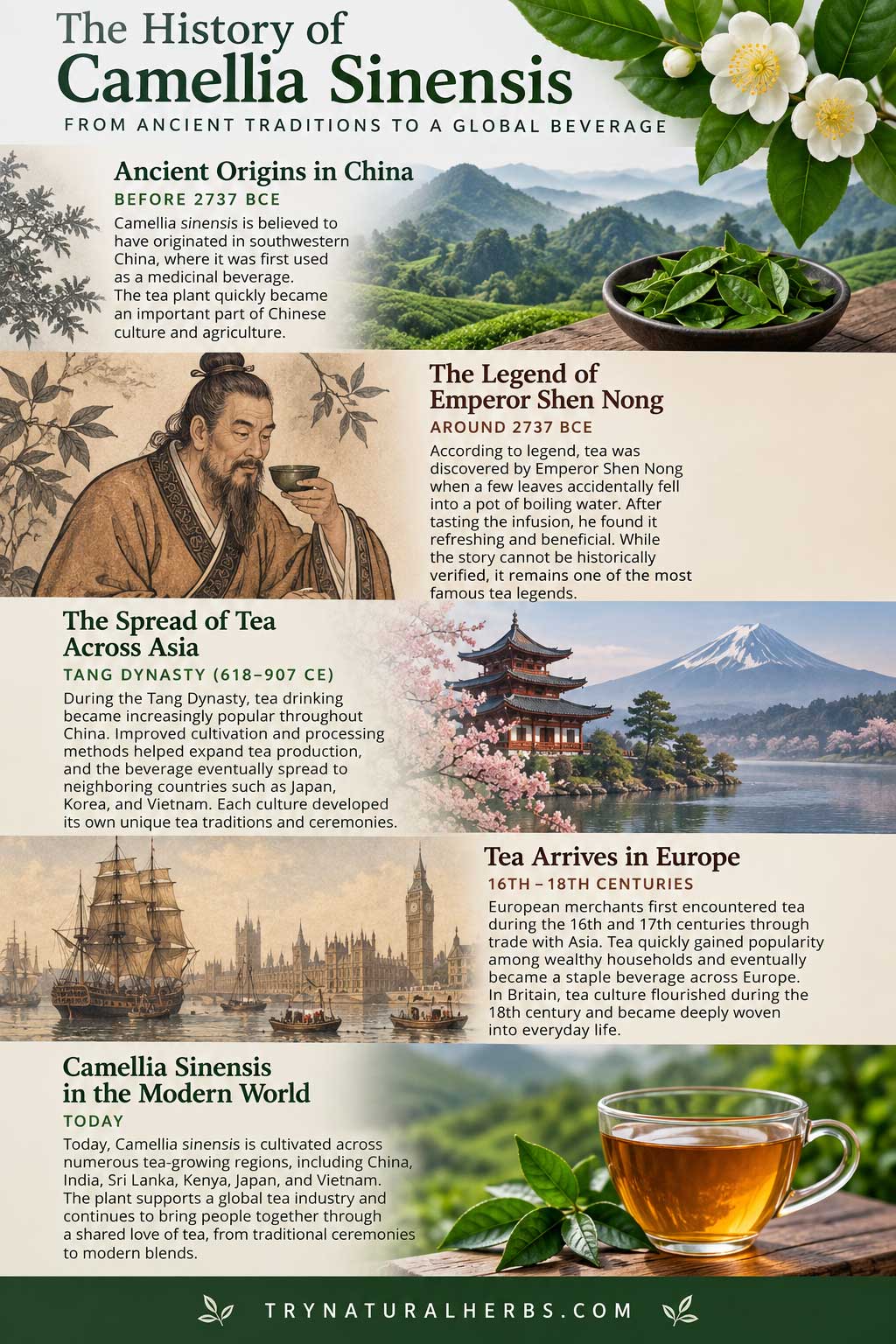
Ancient Origins In China
Camellia sinensis has been cultivated for thousands of years and is believed to have originated in southwestern China. Historical records suggest that tea was initially consumed as a medicinal beverage before becoming a daily drink enjoyed throughout the region. The tea plant quickly became an important part of Chinese culture and agriculture.
The Legend Of Emperor Shen Nong
According to Chinese legend, tea was discovered around 2737 BCE by Emperor Shen Nong. The story says that a few tea leaves accidentally fell into a pot of boiling water while he was resting beneath a tea tree. After tasting the infusion, he found it refreshing and beneficial. Although the story cannot be historically verified, it remains one of the most famous tea legends.
The Spread Of Tea Across Asia
During the Tang Dynasty (618–907 CE), tea drinking became increasingly popular throughout China. Improved cultivation and processing methods helped expand tea production, and the beverage eventually spread to neighboring countries such as Japan, Korea, and Vietnam. Each culture developed its own traditions and ceremonies centered around tea.
Tea Arrives In Europe
European merchants first encountered tea during the 16th and 17th centuries through trade with Asia. Tea quickly gained popularity among wealthy households and eventually became a staple beverage across Europe. In Britain, tea culture flourished during the 18th century and became deeply woven into everyday life.
Camellia Sinensis In The Modern World
Today, Camellia sinensis is cultivated across numerous tea-growing regions, including China, India, Sri Lanka, Kenya, Japan, and Vietnam. The plant supports a global tea industry worth billions of dollars and provides one of the world’s most widely consumed beverages. From traditional tea ceremonies to modern tea blends, Camellia sinensis continues to play an important role in cultures around the globe.
What Does The Camellia Sinensis Plant Look Like?
Growth Habit And Size
Camellia sinensis is an evergreen shrub or small tree that can grow anywhere from 3 to 15 feet tall when cultivated. In commercial tea plantations, the plants are usually kept much shorter through regular pruning, making it easier to harvest the young leaves. In the wild, however, tea plants can grow into small trees exceeding 30 feet in height.
Leaves And New Growth
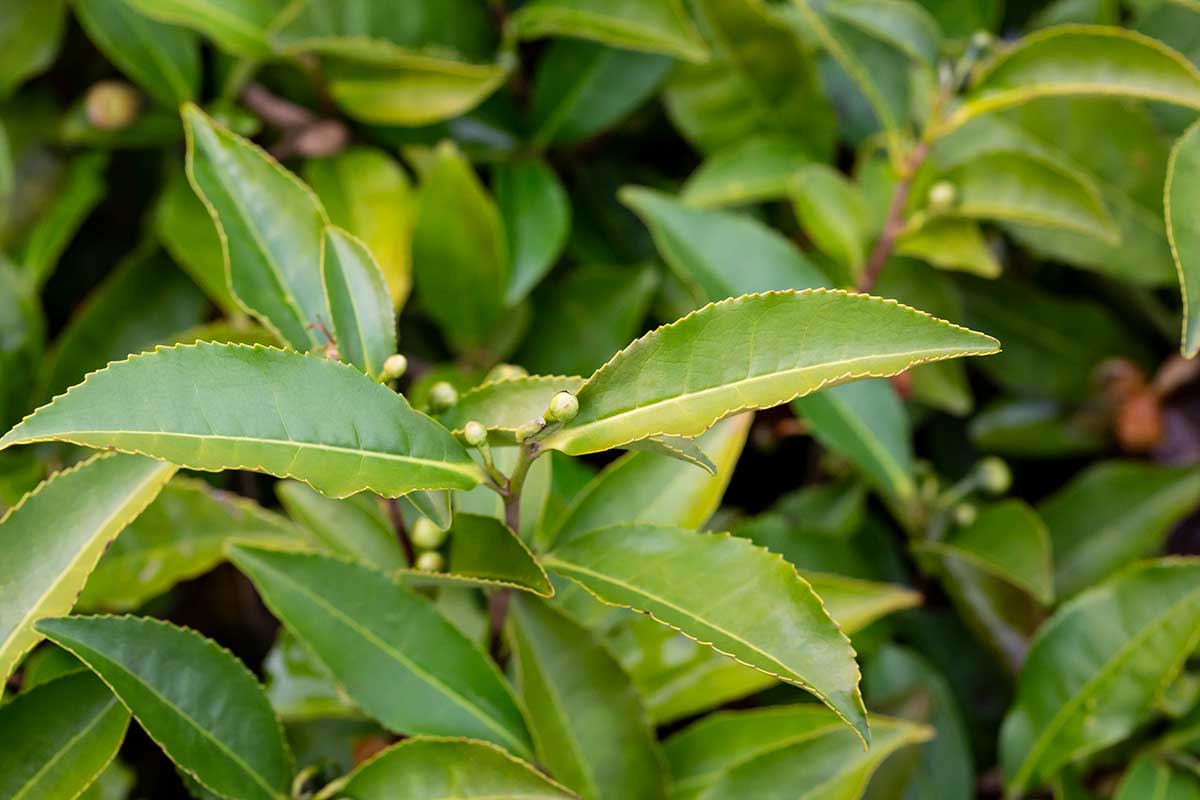
The leaves of Camellia sinensis are one of its most recognizable features. They are glossy, dark green, and oval-shaped with slightly serrated edges. Young tea leaves are typically lighter in color and more tender than mature leaves. Young leaves and buds are especially prized for producing many premium and specialty teas.
Depending on the type of tea being produced, harvesters may collect only the newest buds, the first few leaves, or larger mature leaves.
Flowers And Seeds
Tea plants produce small, fragrant white flowers with bright yellow centers. These flowers usually bloom during the fall and early winter months. After pollination, the flowers develop into small seed capsules that contain round brown seeds.
While tea plants are primarily grown for their leaves, the flowers add ornamental value and help support the plant’s natural reproduction.
Root System
Camellia sinensis develops a strong root system that helps the plant absorb water and nutrients from the soil. Mature plants produce deep roots that allow them to tolerate periods of drought better than many other crops. Healthy roots are essential for producing high-quality tea leaves.
Ideal Growing Conditions
Tea plants thrive in warm, humid climates with abundant rainfall and well-draining acidic soil. They perform best in regions with moderate temperatures and partial sunlight. Many of the world’s most famous tea-growing regions are located in mountainous areas where elevation, climate, and soil conditions create ideal growing environments.
With proper care, a tea plant can remain productive for decades, continually producing fresh leaves that can be harvested and processed into various types of tea.
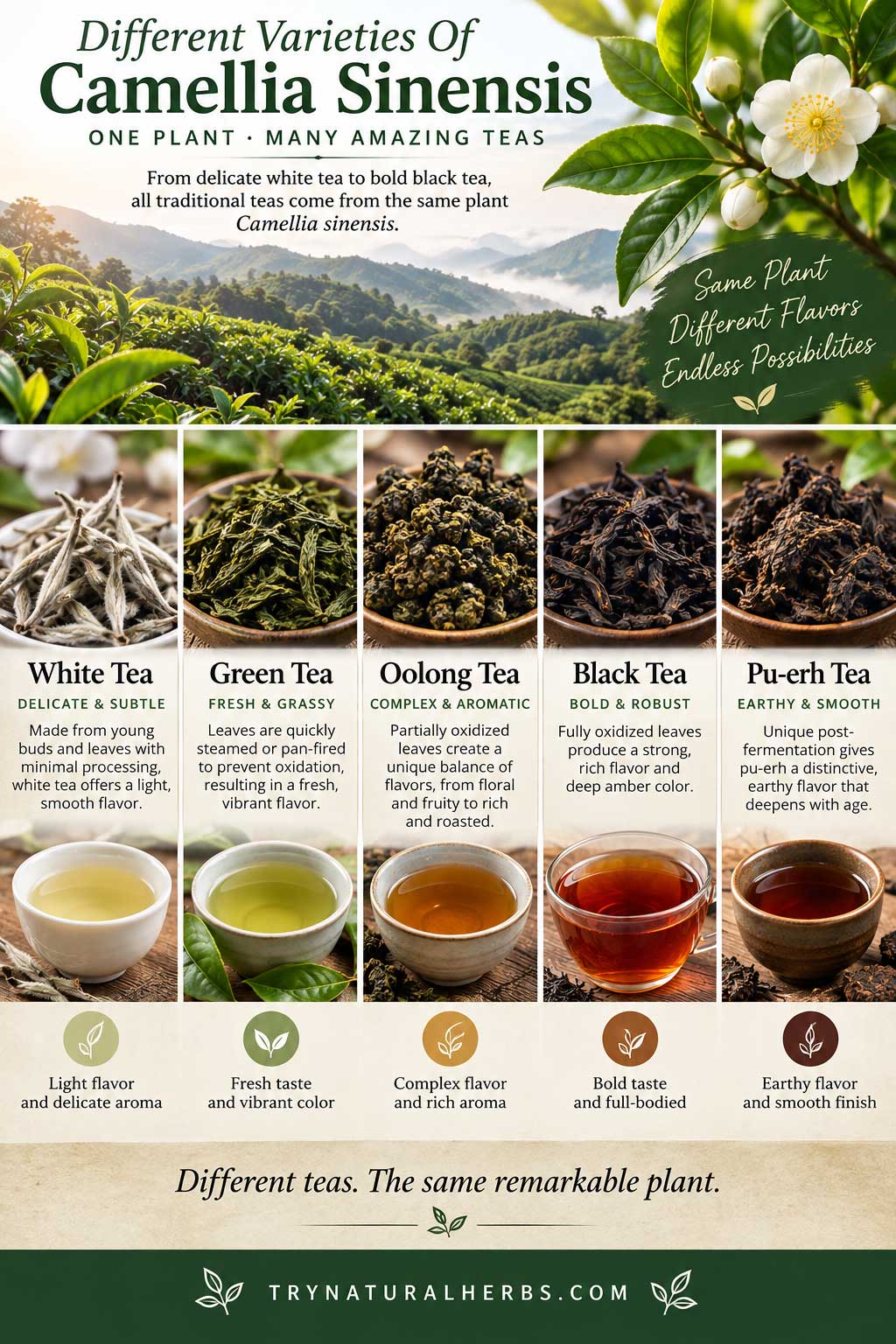
Different Varieties Of Camellia Sinensis
Camellia Sinensis Var. Sinensis
Camellia sinensis var. sinensis is often referred to as the Chinese variety of the tea plant. It has smaller leaves and is generally more tolerant of cooler temperatures than other varieties. This adaptability has allowed it to thrive in many mountainous tea-growing regions throughout China, Japan, and other parts of East Asia.
Teas produced from this variety are often known for their delicate flavors, complex aromas, and refined characteristics. Many premium green teas, white teas, and oolong teas are made from cultivars derived from the Chinese variety.
Camellia Sinensis Var. Assamica
Camellia sinensis var. assamica is the larger-leaf variety that originated in the Assam region of India. This variety prefers warmer, tropical climates with high humidity and abundant rainfall.
The larger leaves of Assamica plants are commonly used to produce strong, full-bodied black teas. Many famous teas from India, Sri Lanka, and parts of Africa are derived from this variety. Assamica tea plants can also grow significantly larger than their Chinese counterparts when left unpruned.
Natural Hybrids And Cultivars
Over centuries of cultivation, growers have developed thousands of tea cultivars by selectively breeding different tea plants. These cultivars are chosen for specific characteristics such as flavor, aroma, disease resistance, climate adaptability, and yield.
Some cultivars are prized for producing exceptional green teas, while others are preferred for black tea, oolong tea, or specialty teas. Today, tea-producing countries maintain extensive breeding programs to develop new varieties that meet changing agricultural and market demands.
Why Tea Varieties Matter
The variety of Camellia sinensis used can significantly influence the final tea’s flavor, aroma, caffeine content, and growing requirements. However, factors such as climate, elevation, soil quality, harvesting methods, and processing techniques often play an equally important role in determining the characteristics of the finished tea.
This combination of plant genetics and environmental conditions helps create the incredible diversity of teas enjoyed around the world today.

Types Of Tea Made From Camellia Sinensis
White Tea
White tea is one of the least processed types of tea made from Camellia sinensis. It is typically produced using young leaf buds and tender new leaves that are carefully harvested and allowed to wither and dry naturally. Because minimal processing is involved, white tea retains a delicate flavor, light color, and high concentration of natural plant compounds.
Popular white tea varieties include Silver Needle and White Peony, both prized for their subtle sweetness and smooth taste. You can also explore our guide to White Tea Benefits for a closer look at this delicate style of tea.
Green Tea
Green tea is made by quickly heating freshly harvested leaves to prevent oxidation. This process helps preserve the leaves’ green color and fresh, grassy flavor. Green tea is one of the most widely consumed tea varieties and is particularly popular throughout China, Japan, and other parts of Asia.
You can read more in our complete guide to Green Tea Benefits.
Many people enjoy green tea for its refreshing taste and naturally occurring antioxidants, including catechins and EGCG, which have been widely studied for their potential health benefits.
Oolong Tea
Oolong tea falls between green tea and black tea in terms of oxidation. Depending on the production method, oolong teas can range from lightly oxidized and floral to heavily oxidized and rich in flavor.
Oolong tea is especially popular in China and Taiwan, where skilled tea masters carefully control the oxidation process to create unique flavor profiles. Many oolong teas are known for their complex aromas and multiple layers of taste.
Black Tea
Black tea is fully oxidized, giving it a darker color and stronger flavor than other tea types. It is one of the most popular teas in the world and serves as the foundation for many breakfast tea blends.
Common examples include Assam, Darjeeling, Ceylon, and English Breakfast tea. Black tea typically contains more caffeine than white, green, or oolong tea and is often enjoyed with milk, lemon, or sweeteners.
Pu-Erh Tea
Pu-erh tea is a unique type of fermented tea that originates from China’s Yunnan Province. Unlike other teas, pu-erh undergoes a fermentation and aging process that can continue for years or even decades.
As pu-erh ages, its flavor becomes richer, smoother, and more complex. Tea enthusiasts often compare aged pu-erh to fine wine because of its evolving characteristics over time.
What Makes Each Tea Different?
Although white, green, oolong, black, and pu-erh teas all come from the same Camellia sinensis plant, the way the leaves are processed creates dramatically different flavors, aromas, colors, and caffeine levels. Factors such as harvesting methods, oxidation, fermentation, drying techniques, and aging all contribute to the unique qualities of each tea variety.
The ability to create so many different teas from a single plant is one of the reasons Camellia sinensis has remained popular for centuries.
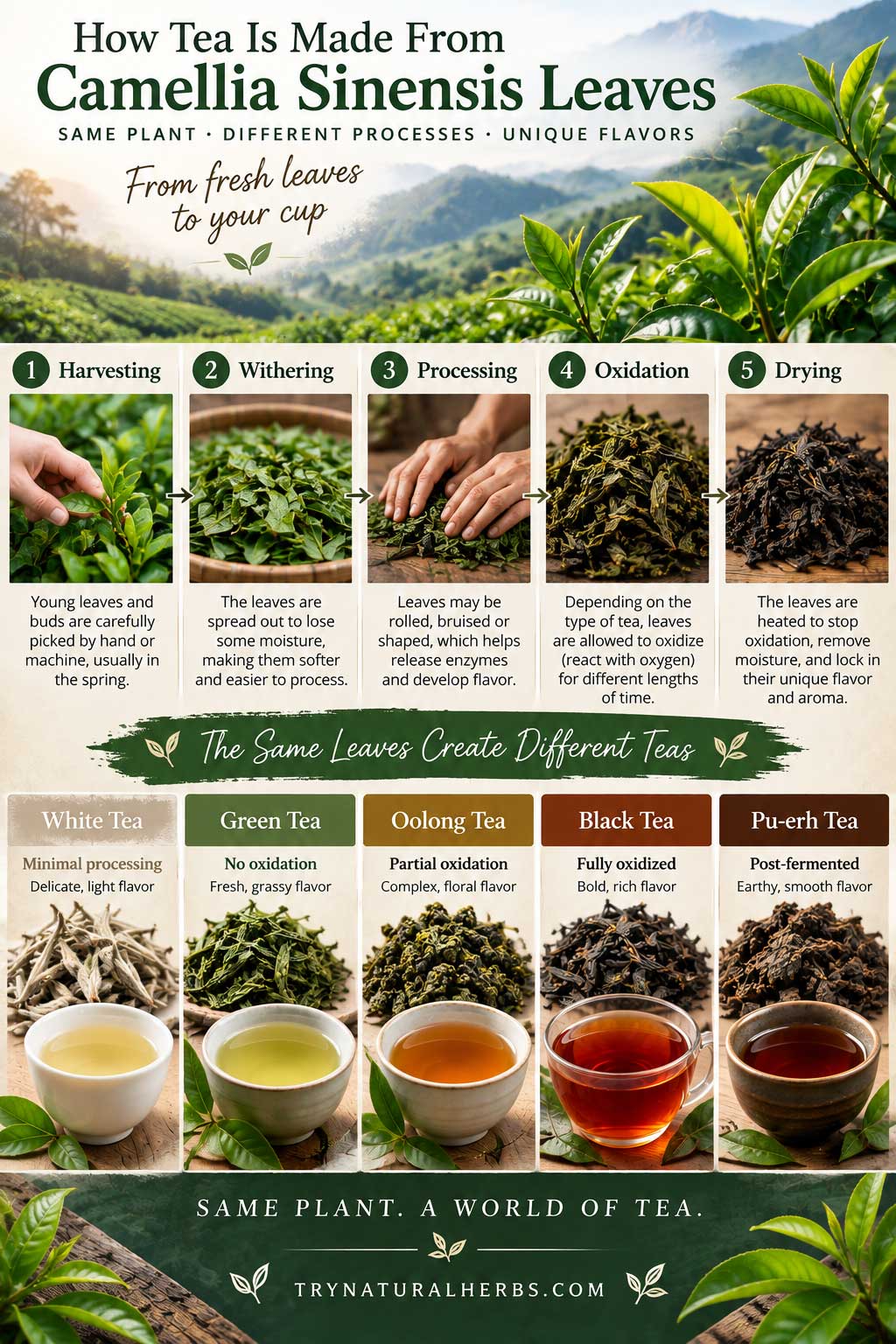
How Tea Is Made From Camellia Sinensis Leaves
Harvesting The Tea Leaves
The tea-making process begins with carefully harvesting young leaves and leaf buds from the Camellia sinensis plant. In many tea-growing regions, skilled workers hand-pick the leaves to ensure only the highest-quality growth is selected. Premium teas often use only the youngest buds and first leaves, while lower-grade teas may include larger, more mature leaves.
The timing of the harvest can significantly affect the flavor, aroma, and overall quality of the finished tea.
Withering
After harvesting, the leaves are spread out and allowed to wither. During this stage, moisture gradually evaporates from the leaves, making them softer and more flexible for further processing.
Withering also begins to develop the flavors and aromas that will eventually characterize the finished tea. Depending on the tea type, this process may last several hours or even longer.
Rolling And Shaping
Once the leaves have withered, they are rolled or shaped to break down the leaf structure and release natural oils and enzymes. Traditional rolling methods were performed by hand, but modern tea production often uses specialized machinery.
This stage helps determine the appearance of the tea leaves and prepares them for oxidation.
Oxidation
Oxidation is one of the most important steps in tea production. During this process, enzymes in the leaves react with oxygen, causing chemical changes that influence the tea’s color, flavor, and aroma.
The degree of oxidation varies depending on the type of tea being produced:
- White tea undergoes little to no oxidation.
- Green tea is quickly heated to stop oxidation.
- Oolong tea is partially oxidized.
- Black tea is fully oxidized.
- Pu-erh tea undergoes additional fermentation and aging.
Careful control of oxidation allows tea producers to create a wide variety of teas from the same plant.
Drying The Leaves
After oxidation reaches the desired level, the leaves are dried to remove remaining moisture and preserve their quality. Drying also helps stabilize the tea so it can be stored and transported without spoiling.
Different drying methods may be used, including air drying, pan firing, baking, or roasting, depending on the tea style.
Aging And Fermentation
Some teas, particularly pu-erh tea, undergo additional fermentation and aging after drying. During this process, microorganisms interact with the tea leaves, gradually altering their flavor and aroma.
Certain pu-erh teas are aged for many years, developing rich, earthy characteristics that are highly valued by tea enthusiasts.
From Leaf To Cup
The journey from freshly harvested tea leaf to finished beverage involves a combination of skill, tradition, and careful processing. Small adjustments at each stage can dramatically change the final product, which is why teas made from the same Camellia sinensis plant can vary so greatly in taste, appearance, and aroma.
It’s fascinating that one plant can produce such a wide variety of teas simply through different harvesting and processing methods.
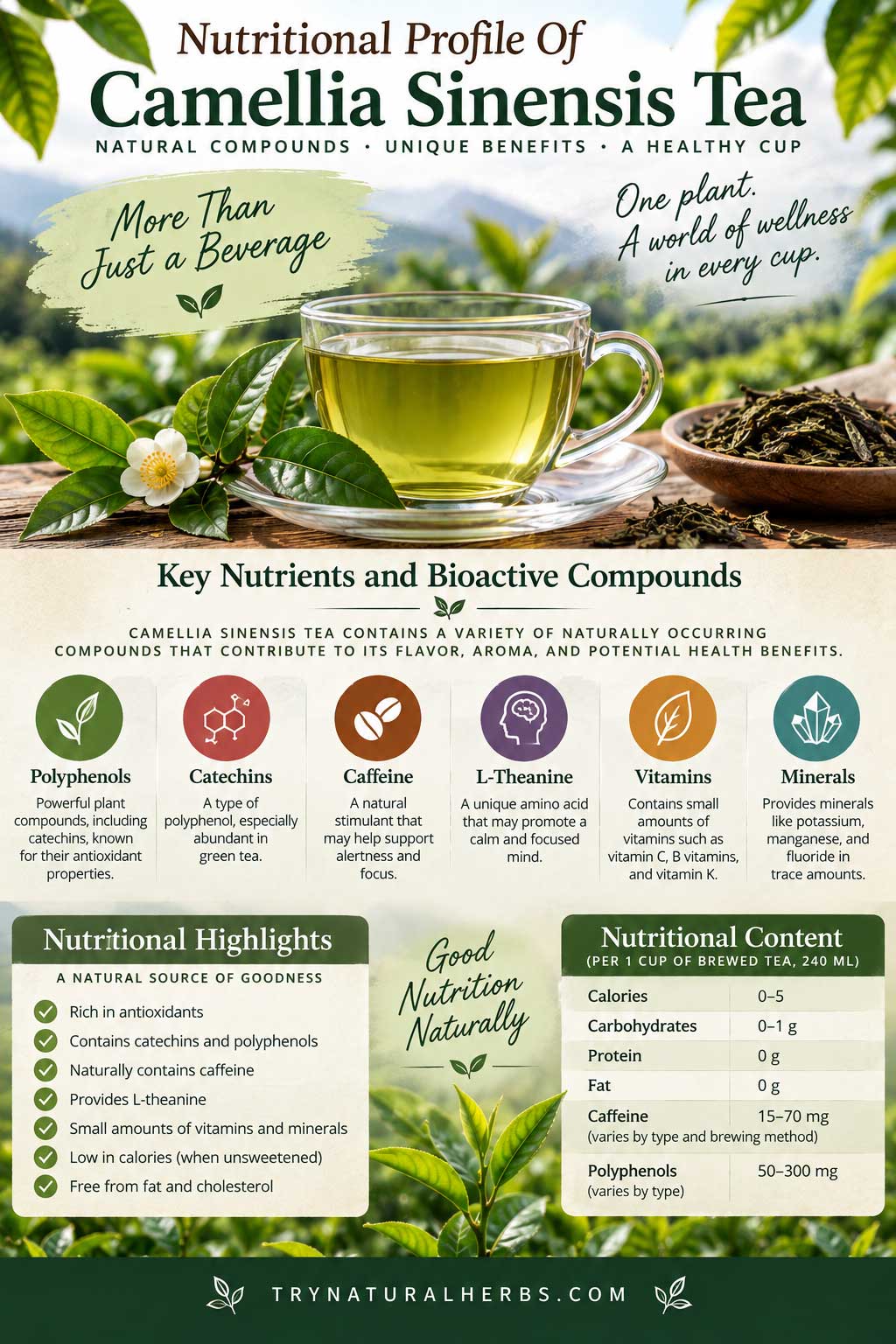
Nutritional Profile Of Camellia Sinensis Tea
Rich In Natural Antioxidants
One of the most valued characteristics of Camellia sinensis tea is its high concentration of antioxidants. These naturally occurring compounds help protect plant cells from environmental stress and may also help support overall wellness when consumed as part of a balanced diet.
Some of the most notable antioxidants found in tea include catechins, flavonoids, and polyphenols. Green tea is particularly known for its high levels of epigallocatechin gallate (EGCG), one of the most extensively studied tea antioxidants.
Contains Caffeine
Unlike most herbal teas, traditional teas made from Camellia sinensis naturally contain caffeine. The amount of caffeine can vary depending on the tea type, growing conditions, processing methods, and brewing time.
In general:
- White tea contains lower amounts of caffeine.
- Green tea contains moderate amounts.
- Oolong tea falls in the middle range.
- Black tea often contains the highest levels.
- Pu-erh tea varies depending on age and processing.
Caffeine contributes to tea’s ability to promote alertness and mental focus.
Provides L-Theanine
Camellia sinensis contains an amino acid called L-theanine, which is found almost exclusively in tea plants. L-theanine has attracted attention because it may help promote a sense of calm focus without causing drowsiness.
Many people appreciate the combination of caffeine and L-theanine found in tea, as it may provide steady mental alertness without the jittery feeling sometimes associated with other caffeinated beverages.
Key Plant Compounds Found In Tea
Tea leaves contain a variety of beneficial plant compounds, including:
- Catechins
- Polyphenols
- Flavonoids
- Tannins
- L-theanine
- Caffeine
- Theaflavins
- Thearubigins
These compounds contribute to tea’s flavor, aroma, color, and potential health-supporting properties.
Vitamins And Minerals
Although tea is not a major source of vitamins and minerals, it does contain small amounts of nutrients such as:
- Potassium
- Manganese
- Magnesium
- Fluoride
- Trace amounts of B vitamins
The exact nutrient content depends on the tea variety, growing conditions, and brewing method.
A Naturally Low-Calorie Beverage
Plain tea brewed from Camellia sinensis contains very few calories when consumed without added sugar, milk, or sweeteners. This makes it a popular beverage choice for individuals looking to stay hydrated while enjoying a flavorful drink.
The combination of antioxidants, caffeine, and naturally occurring plant compounds has helped make tea one of the world’s most popular beverages for generations.
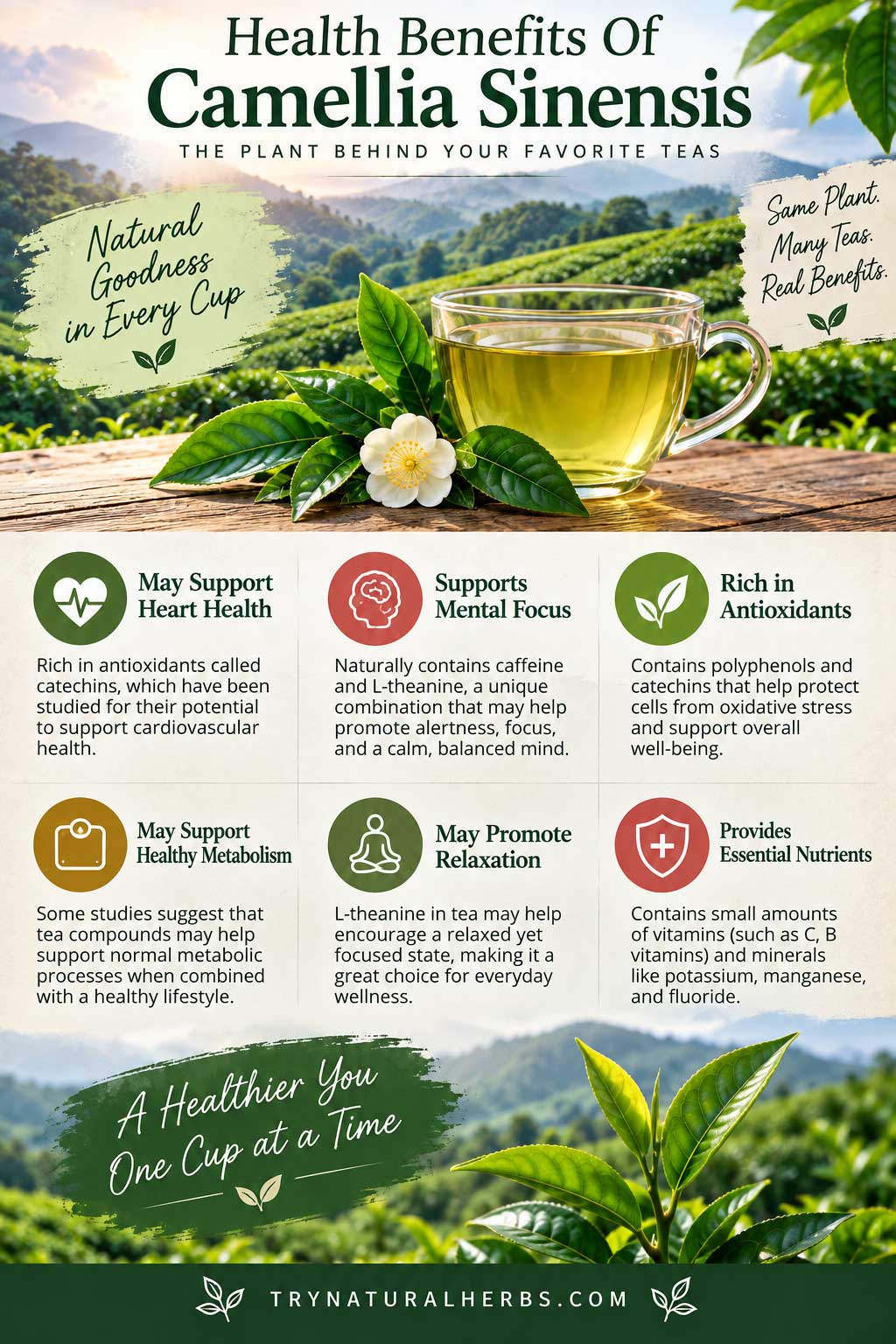
Health Benefits Of Camellia Sinensis
Antioxidants And Plant Compounds
Camellia sinensis tea is naturally rich in antioxidants, including catechins, polyphenols, and flavonoids. Many of these compounds are also discussed in our article on Natural Herbs That Can Help With Everyday Ailments. These compounds help protect cells from oxidative stress caused by free radicals. Antioxidants are one reason tea has been studied extensively for its potential role in supporting overall health and wellness.
Green tea, in particular, contains high levels of catechins such as EGCG, one of the most researched antioxidants found in tea.
Tea And Heart Health
Research suggests that regular tea consumption may support cardiovascular health when combined with a healthy lifestyle. The antioxidants found in tea may help support healthy blood vessel function and contribute to maintaining normal cholesterol levels already within a healthy range.
While tea should not be viewed as a treatment for heart disease, many studies have linked moderate tea consumption with positive cardiovascular outcomes.
May Improve Mental Alertness And Focus
Tea naturally contains caffeine, which can help improve concentration, alertness, and mental performance. Unlike some highly caffeinated beverages, tea also contains L-theanine, an amino acid that may promote a sense of calm focus.
Many tea drinkers appreciate the balanced combination of caffeine and L-theanine, which may provide sustained mental clarity without excessive stimulation.
Tea And Weight Management
Green tea and its catechins have been studied for possible effects on metabolism and energy expenditure, but any effect on body weight appears to be modest. Drinking unsweetened tea can still fit well into a balanced diet, particularly when it replaces beverages that are high in added sugar.
Tea should not be considered a weight-loss treatment on its own. Long-term weight management depends much more on overall diet, physical activity, sleep, and other lifestyle factors.
What Research Says About Healthy Aging
The antioxidants present in tea may help support the body’s natural defenses against oxidative stress, a process associated with aging. Although aging is a natural part of life, maintaining a diet rich in antioxidant-containing foods and beverages may contribute to overall wellness over time.
May Support Immune Function
While more research is ongoing, many traditional cultures have consumed tea for centuries as part of daily wellness routines.
Staying hydrated and maintaining a healthy diet remain important factors in supporting a healthy immune system.
Tea, Relaxation And Everyday Wellness
For many people, enjoying a cup of tea is more than just a beverage choice. The simple act of preparing and drinking tea can encourage relaxation and mindfulness. Combined with naturally occurring compounds such as L-theanine, tea may help promote a sense of calm and overall well-being.
A Balanced Approach To Tea Consumption
While Camellia sinensis offers many potential benefits, it is best enjoyed as part of a healthy lifestyle that includes a balanced diet, regular physical activity, adequate sleep, and proper hydration. Individual responses to tea can vary, particularly due to differences in caffeine sensitivity.
As with any dietary choice, moderation is key to enjoying the potential benefits while minimizing unwanted side effects.
Caffeine Content In Camellia Sinensis Tea
Does Camellia Sinensis Contain Caffeine?
Yes, all traditional teas made from Camellia sinensis naturally contain caffeine. Caffeine is a plant compound that acts as a natural stimulant and helps protect the tea plant from insects and environmental stress. The amount of caffeine in tea can vary widely depending on the tea type, growing conditions, leaf maturity, and brewing method.
While tea generally contains less caffeine than coffee, it can still provide a noticeable boost in energy and mental alertness.
Caffeine Levels By Tea Type
Different teas contain different amounts of caffeine due to variations in processing and leaf selection.
Typical caffeine ranges per 8-ounce (240 ml) cup include:
| Tea Type | Approximate Caffeine Content |
|---|---|
| White Tea | 15–30 mg |
| Green Tea | 20–45 mg |
| Oolong Tea | 30–50 mg |
| Black Tea | 40–70 mg |
| Pu-Erh Tea | 30–70 mg |
Actual caffeine levels can vary depending on the specific tea and brewing conditions.
Factors That Affect Caffeine Content
Several factors influence how much caffeine ends up in a cup of tea:
- Tea variety and cultivar
- Age of the harvested leaves
- Growing environment and climate
- Processing methods
- Water temperature
- Steeping time
- Amount of tea used
Generally, longer brewing times and hotter water extract more caffeine from the leaves.
The Unique Combination Of Caffeine And L-Theanine
One reason many people prefer tea over other caffeinated beverages is the presence of L-theanine. This naturally occurring amino acid works alongside caffeine and may help promote calm focus and mental clarity.
The combination of caffeine and L-theanine is often associated with a smoother energy experience compared to beverages that contain caffeine alone.
Who Should Monitor Their Caffeine Intake?
Most healthy adults can enjoy moderate amounts of caffeine without problems. However, some individuals may be more sensitive to caffeine and experience:
- Nervousness
- Restlessness
- Increased heart rate
- Difficulty sleeping
- Anxiety
Pregnant individuals, people with certain medical conditions, and those advised by a healthcare professional to limit caffeine should monitor their tea consumption accordingly.
Can You Reduce The Caffeine In Tea?
There are several ways to reduce caffeine intake while still enjoying tea:
- Choose naturally lower-caffeine teas such as white tea.
- Brew tea for a shorter period.
- Use fewer tea leaves.
- Select decaffeinated tea products.
- Alternate with naturally caffeine-free herbal teas.
Understanding the caffeine content of Camellia sinensis tea can help you choose the variety that best fits your preferences and lifestyle while still enjoying the many flavors and traditions associated with tea drinking.
Potential Side Effects And Precautions
Caffeine Sensitivity
Because Camellia sinensis naturally contains caffeine, some individuals may experience side effects if they consume large amounts of tea or are particularly sensitive to caffeine. Common symptoms can include nervousness, restlessness, irritability, rapid heartbeat, and difficulty sleeping.
People who are sensitive to stimulants may wish to choose lower-caffeine tea varieties or limit their consumption later in the day.
Sleep Disturbances
Drinking caffeinated tea close to bedtime may interfere with sleep quality for some individuals. The effects of caffeine can vary greatly from person to person, with some people being more affected than others.
If tea seems to impact your sleep, consider switching to lower-caffeine options during the evening or choosing caffeine-free herbal teas instead.
Digestive Discomfort
Some people may experience mild digestive discomfort when drinking strong tea on an empty stomach. The tannins naturally present in tea can occasionally cause nausea or stomach irritation in sensitive individuals.
Consuming tea with food or reducing the strength of the brew may help minimize these effects.
Iron Absorption Considerations
Tea contains compounds called tannins that can reduce the absorption of non-heme iron, the type of iron found in many plant-based foods. This effect is usually not a concern for most healthy individuals consuming a balanced diet.
However, people with iron deficiency or those at risk of low iron levels may benefit from drinking tea between meals rather than during meals.
Pregnancy And Breastfeeding
Pregnant and breastfeeding individuals should pay attention to their total caffeine intake from all sources, including tea, coffee, energy drinks, and certain foods.
Because caffeine recommendations may vary depending on individual circumstances, it is always best to consult a qualified healthcare professional for personalized guidance.
Possible Medication Interactions
The caffeine and other compounds found in tea may interact with certain medications, including stimulant medications, some heart medications, and other substances that affect the nervous system.
Anyone taking prescription medications or managing a medical condition should speak with their healthcare provider if they have concerns about tea consumption.
Moderation Is Key
For most healthy adults, moderate tea consumption is generally considered safe and can be part of a balanced lifestyle. Enjoying tea in reasonable amounts allows many people to benefit from its flavor, tradition, and naturally occurring plant compounds while minimizing the risk of unwanted side effects.
As with any food or beverage, individual responses can vary, and listening to your body’s signals is important when determining the right amount for your personal needs.

How To Grow Camellia Sinensis At Home
Choosing The Right Location
Camellia sinensis grows best in warm, humid environments with plenty of indirect sunlight. The plant prefers mild temperatures and protection from extreme heat, strong winds, and severe frost. In cooler climates, many gardeners successfully grow tea plants in containers that can be moved indoors during winter.
A location that receives morning sun and light afternoon shade is often ideal for healthy growth.
Beginners may also find our Herbal Medicine Basics guide helpful for understanding how medicinal and tea plants have traditionally been used.
Soil Requirements
Tea plants thrive in well-draining, slightly acidic soil with a pH between 5.5 and 6.5. Rich organic matter helps improve soil structure and provides nutrients that support healthy root development.
If growing in containers, choose a quality potting mix designed for acid-loving plants and ensure the container has adequate drainage holes.
Watering And Humidity
Consistent moisture is important for Camellia sinensis, especially during its early years of growth. The soil should remain evenly moist but not waterlogged, as overly wet conditions can lead to root problems.
Tea plants also appreciate higher humidity levels. In dry climates, occasional misting or placing containers near other plants may help create a more favorable growing environment.
Fertilizing The Plant
Regular feeding can encourage healthy leaf production and vigorous growth. Many gardeners use balanced fertilizers or products formulated for acid-loving plants.
Applying compost or organic mulch around the base of the plant can also help retain moisture, improve soil quality, and provide a slow release of nutrients throughout the growing season.
Pruning And Maintenance
Pruning plays an important role in maintaining the shape and productivity of a tea plant. Commercial tea growers regularly prune plants to encourage bushier growth and make harvesting easier.
Home gardeners can remove damaged, weak, or overcrowded branches while trimming the plant to a manageable size. Regular pruning also stimulates the production of fresh new leaves.
Harvesting Tea Leaves
Tea plants can typically be harvested once they become well established. The highest-quality tea is usually made from the youngest leaf buds and the first few tender leaves below them.
Harvesting is often performed several times throughout the growing season as new growth appears. Freshly picked leaves can then be processed into green, black, white, or oolong tea depending on the desired preparation method.
Growing Tea In Containers
Container gardening is an excellent option for those with limited space or colder climates. A large pot with good drainage allows the tea plant to develop a healthy root system while remaining portable.
Container-grown tea plants may require more frequent watering and occasional repotting as they mature, but they can thrive for many years with proper care.
Patience Rewards The Home Grower
Growing Camellia sinensis at home requires patience, but the reward of harvesting and preparing tea from your own plants can be incredibly satisfying. With proper care, a healthy tea plant can remain productive for decades, providing a steady supply of fresh leaves and a unique connection to one of the world’s oldest and most beloved beverages.
Where Camellia Sinensis Is Grown Around The World
China
China is widely considered the birthplace of tea and remains one of the largest producers of Camellia sinensis in the world. The country grows an enormous variety of teas, including green tea, white tea, black tea, oolong tea, and pu-erh tea. Famous tea-growing regions such as Fujian, Yunnan, Zhejiang, and Anhui have developed unique tea traditions that date back centuries.
Many of the world’s most celebrated teas originate from China, making it one of the most influential countries in global tea culture.
India
India is another major producer of Camellia sinensis and is especially known for its bold black teas. The country’s most famous tea-growing regions include Assam, Darjeeling, and Nilgiri.
Assam produces strong, malty teas, while Darjeeling is often called the “Champagne of Tea” because of its delicate aroma and distinctive flavor profile. Tea cultivation plays an important role in India’s economy and agricultural sector.
Sri Lanka
Sri Lanka, formerly known as Ceylon, is renowned for producing high-quality teas that are exported worldwide. The country’s mountainous terrain, tropical climate, and fertile soil create ideal growing conditions for tea plants.
Ceylon tea is known for its bright color, crisp flavor, and exceptional quality, making it one of the most recognizable tea varieties on the international market.
Kenya
Kenya is one of Africa’s largest tea producers and a leading exporter of black tea. The country’s high elevations, abundant rainfall, and favorable climate allow tea plants to thrive year-round.
Kenyan teas are often prized for their strong flavor, deep color, and excellent blending qualities, making them popular ingredients in many commercial tea blends.
Japan
Japan is famous for its green tea production and unique tea-processing techniques. The country’s tea-growing regions produce well-known varieties such as Sencha, Matcha, Gyokuro, and Hojicha.
Japanese tea culture emphasizes quality, craftsmanship, and tradition, with tea ceremonies remaining an important cultural practice.
Vietnam
Vietnam has a long history of tea cultivation and produces a wide range of green, black, and specialty teas. The country’s diverse geography provides suitable growing conditions for tea production in both mountainous and lowland regions.
Vietnamese tea continues to gain international recognition for its quality and distinctive regional characteristics.
Other Important Tea-Producing Countries
Camellia sinensis is also cultivated in many other countries around the world, including:
- Taiwan
- Indonesia
- Nepal
- Turkey
- Bangladesh
- Malawi
- Uganda
- Argentina
Each region contributes its own growing conditions, traditions, and processing methods, resulting in a remarkable diversity of tea styles and flavors.
A Truly Global Crop
Today, Camellia sinensis is grown across multiple continents and supports the livelihoods of millions of farmers, workers, and tea producers. Although growing conditions vary from region to region, the combination of climate, elevation, soil quality, and processing techniques helps create the distinctive teas enjoyed by people around the world every day.

Final Thoughts On Camellia Sinensis
Camellia sinensis is one of the most important plants in the world, serving as the source of white, green, oolong, black, and pu-erh teas enjoyed by billions of people every day. Despite the wide variety of flavors, aromas, and appearances found in these teas, they all originate from the same remarkable evergreen plant.
For thousands of years, tea has played a significant role in cultures across Asia and beyond. From ancient Chinese tea traditions to modern tea houses and home kitchens, Camellia sinensis continues to connect people through a shared appreciation for one of the world’s most beloved beverages.
In addition to its rich history and cultural importance, the tea plant contains naturally occurring compounds such as antioxidants, polyphenols, caffeine, and L-theanine that have made it the subject of extensive scientific research. While tea should not be viewed as a cure for any condition, many people enjoy it as part of a balanced and healthy lifestyle alongside other natural wellness practices discussed in Natural Herbs That Can Help With Everyday Ailments.
Whether you prefer a grassy green tea, a floral oolong, a bold black tea, or an aged pu-erh, each cup begins with the leaves of Camellia sinensis. Understanding the plant behind the drink makes it easier to appreciate just how much harvesting, processing, growing conditions, and brewing can change what eventually ends up in your cup.