
 By
Herbal Remedies For Common Conditions
Herbal remedies have been used for generations to ease everyday problems such as nausea, digestive discomfort, cold symptoms, trouble sleeping, stress, and minor skin irritation. Today, many of these remedies are available not only as traditional teas but also as capsules, extracts, tinctures, essential oils, and topical products.
But “natural” does not automatically mean effective—or risk-free.
Some herbs have been studied well enough to suggest possible benefits for specific symptoms. Others are supported mainly by traditional use or early research. Even when an herb shows promise in clinical studies, the results may apply only to a particular extract, dose, or preparation rather than every tea or supplement made from that plant.
In this guide, we’ll look at several popular herbal remedies for common conditions, what current research actually tells us about them, where the evidence remains uncertain, and what you should know about safety and possible interactions.
Herbs can sometimes complement everyday self-care, but they should not replace appropriate medical care, diagnosis, or prescribed treatment.
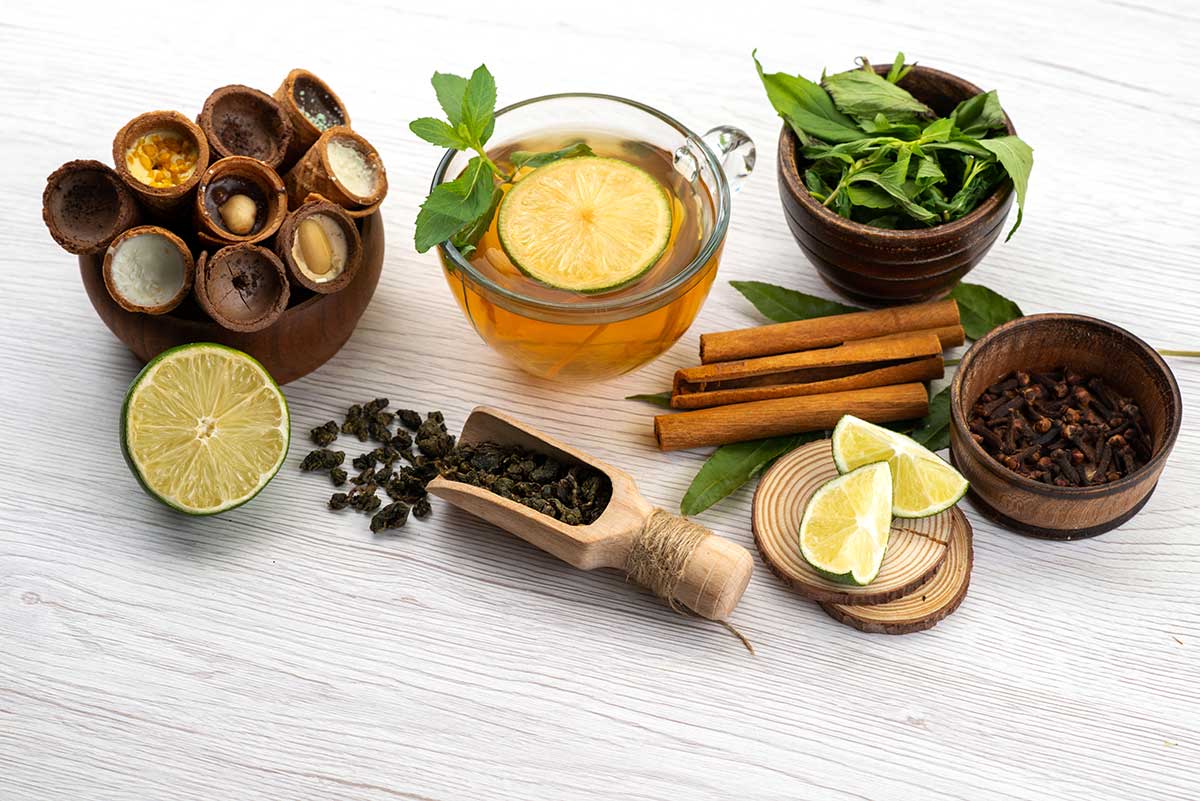
What Counts as an Herbal Remedy?
An herbal remedy is a product made from a plant or part of a plant and used for a health-related purpose. Depending on the herb and how it is prepared, it may be consumed as a tea, taken as a capsule or tincture, applied to the skin, or used in another concentrated form.
That distinction matters because different preparations of the same plant are not necessarily interchangeable.
Tea, Extracts, Capsules, and Essential Oils Are Different
A cup of peppermint tea, for example, is very different from an enteric-coated peppermint oil capsule used in some clinical studies. Likewise, eating ginger with food is not equivalent to taking a concentrated ginger supplement.
The amount of active plant compounds can vary substantially depending on the plant variety, preparation method, concentration, dose, and even how a product is manufactured.
This is one reason it can be misleading to say simply that an herb “works.” A better question is whether a specific preparation of that herb has been studied for a specific condition or symptom.
If you’re new to medicinal plants, our guide to Herbal Remedies For Common Conditions explains some of the most commonly used herbs and their traditional uses.
Traditional Use Is Not the Same as Clinical Evidence
Many herbs have long histories of traditional use. That history can be valuable when learning how different cultures have used plants, but traditional use by itself does not establish that a remedy is medically effective.
Try Natural Herbs covers traditional herbal knowledge, medicinal plants, herbal teas, essential oils, and home remedies with an emphasis on educational information and responsible use.
Modern research may support some traditional uses, find insufficient evidence for others, or identify risks that were not previously well understood.
The quality of evidence also varies. A few small studies showing promising results are not equivalent to multiple well-designed clinical trials producing consistent findings.
Natural Does Not Automatically Mean Safe
Herbal products can cause side effects just as conventional medicines can. Some herbs can also interact with prescription medications, over-the-counter medicines, or other supplements.
Concentrated extracts and essential oils deserve particular caution because they may contain much higher amounts of certain plant compounds than you would normally encounter in food or tea.
Herbal supplements are also regulated differently from prescription drugs in the United States. A product being available for purchase does not mean that it has been proven effective for treating a particular health condition.
If you take prescription medication, have a chronic health condition, are pregnant or breastfeeding, or are considering giving an herbal product to a child, discuss it with a qualified health care professional or pharmacist first.

Herbal Remedies for Cold Symptoms
Colds are one of the most common reasons people reach for herbal remedies. Teas, echinacea products, honey-based drinks, and other traditional preparations are widely used when a sore throat, stuffy nose, cough, or general discomfort begins.
You can also explore our guide to herbal remedies for coughs and cold symptoms for a closer look at herbs traditionally used during respiratory illnesses.
However, herbal products cannot cure the viruses that cause the common cold. Some remedies may help with particular symptoms or make you feel more comfortable, but the evidence varies considerably depending on the herb and preparation.
Does Echinacea Help With a Cold?
Echinacea is one of the best-known herbal products marketed for cold prevention and relief. It is available in capsules, extracts, tinctures, teas, and combination supplements.
Research has produced mixed results.
According to the National Center for Complementary and Integrative Health (NCCIH), taking certain echinacea products may slightly reduce the chance of developing a cold. However, it remains unclear whether echinacea can meaningfully shorten the duration of a cold once symptoms have started.
One reason the research is difficult to interpret is that echinacea products are not all the same. Studies have used different species of the plant, different plant parts, and different extraction and preparation methods. Results from one specific product therefore should not automatically be applied to every echinacea tea or supplement.
Echinacea can also cause side effects. Allergic reactions are possible and may be more likely in people who are sensitive to plants in the daisy family. It can also interact with certain medications.
For a detailed review of the research and safety considerations, see the NCCIH overview of echinacea.
What Else Can Help With Cold Symptoms?
Most uncomplicated colds improve on their own. Rest, adequate fluids, and other appropriate symptom-relief measures can make the recovery period more comfortable.
Warm herbal tea may also feel soothing, particularly when you have a dry or irritated throat. That soothing effect should be distinguished from evidence that a particular herb treats the underlying viral infection.
It is also important not to assume that every cough, fever, or sore throat is simply a cold. Flu, and other respiratory illnesses can cause similar symptoms and may require different testing or treatment.
When Cold Symptoms Need Medical Attention
Herbal remedies and home care should not delay appropriate medical attention.
The CDC recommends seeking medical care for warning signs such as difficulty breathing or rapid breathing, dehydration, fever lasting longer than four days, symptoms continuing for more than 10 days without improvement, or symptoms that improve and then return or become worse.
People at higher risk of complications from respiratory illnesses should also contact a health care professional promptly when appropriate rather than relying primarily on herbal products.
For current guidance on managing cold symptoms and knowing when to seek care, see the CDC guidance for the common cold.

Herbal Remedies for Digestive Problems
Digestive discomfort is one of the most common reasons people turn to herbs. Ginger, peppermint, chamomile, and other plants have traditionally been used for nausea, bloating, indigestion, and general stomach discomfort.
The research, however, is much stronger for some uses than others. Ginger has been studied for certain types of nausea, while enteric-coated peppermint oil has shown potential for some symptoms of irritable bowel syndrome (IBS). Other traditional digestive remedies have far less research behind them.
Let’s look at what we actually know about two of the better-studied options: ginger and peppermint.
Ginger for Nausea
Ginger (Zingiber officinale) has a long history of use for digestive discomfort and is one of the most commonly suggested herbal remedies for nausea. You can find it as fresh or dried ginger, tea, capsules, extracts, candies, and other products.
Research suggests that ginger may be helpful for certain types of nausea, but the evidence is stronger for some situations than others. The preparation and amount used also matter.
Does Ginger Actually Help With Nausea?
Some of the better evidence for ginger involves nausea and vomiting associated with pregnancy. Research reviewed by the National Center for Complementary and Integrative Health (NCCIH) suggests that ginger may help reduce pregnancy-related nausea, although many studies have examined ginger supplements rather than ordinary amounts of ginger used in food or tea.
That distinction is important. Drinking ginger tea or adding fresh ginger to a meal does not necessarily provide the same amount of ginger compounds used in a clinical study.
Evidence for other types of nausea is less certain. Research has not convincingly shown that ginger prevents motion sickness, and it remains unclear how helpful it is for nausea associated with chemotherapy or surgery.
You can read more about the research in the NCCIH guide to ginger.
Ginger Tea vs. Ginger Supplements
Ginger tea can be an enjoyable way to consume ginger and may feel soothing when your stomach is unsettled. However, it should not automatically be considered equivalent to the concentrated ginger products used in research.
Commercial supplements can also vary in their ingredients and concentration. If you are choosing a supplement specifically for nausea, look carefully at the product label rather than assuming that all ginger products provide the same dose or effect.
Are There Side Effects From Ginger?
Ginger is commonly consumed as a food, but concentrated products can cause side effects. Reported problems include heartburn, abdominal discomfort, diarrhea, and irritation of the mouth or throat.
There can also be additional considerations when ginger supplements are combined with medications or used during pregnancy.
If you are pregnant or breastfeeding, take prescription medications, have a medical condition, or plan to use concentrated ginger regularly, discuss the product with a health care professional or pharmacist.
When Nausea Should Not Be Self-Treated
Occasional mild nausea may resolve on its own, but persistent or severe nausea deserves more attention.
Seek medical advice if nausea or vomiting is severe, keeps returning, prevents you from keeping fluids down, is accompanied by significant abdominal pain or other concerning symptoms, or shows signs of dehydration.
In those situations, finding the underlying cause is more important than simply trying to suppress the symptom with an herbal remedy.

Peppermint Oil and Digestive Discomfort
Peppermint is commonly associated with digestive comfort, and peppermint tea is a popular drink after meals. However, much of the research on peppermint and digestive symptoms has focused on peppermint oil capsules, not peppermint tea.
That difference matters when evaluating whether peppermint actually helps with conditions such as irritable bowel syndrome (IBS).
Can Peppermint Oil Help With IBS?
Research suggests that enteric-coated peppermint oil capsules may help improve some IBS symptoms in adults, particularly in the short term.
Enteric-coated capsules are designed to pass through the stomach before releasing peppermint oil in the intestine. This is different from drinking peppermint tea or taking ordinary peppermint oil.
Although the findings are promising, peppermint oil should not be viewed as a cure for IBS. Symptoms can have many causes, and people with persistent digestive problems may need medical evaluation rather than repeated self-treatment.
For more information about the research, see the NCCIH overview of peppermint oil.
Is Peppermint Tea Good for Digestion?
Peppermint tea is widely consumed after meals and may feel soothing for some people. However, peppermint leaf and peppermint tea have not been studied as extensively as enteric-coated peppermint oil capsules.
That means evidence supporting a particular peppermint oil preparation for IBS cannot automatically be used to claim that peppermint tea treats IBS or another digestive disorder.
Peppermint tea, essential oil, extracts, and standardized capsules can contain very different concentrations of the plant’s compounds, so research on one form should not automatically be applied to another.
Peppermint Oil Side Effects and Precautions
Peppermint oil can cause side effects, including heartburn, indigestion, nausea, abdominal discomfort, and dry mouth in some people.
People who already experience acid reflux or frequent heartburn may find that peppermint makes their symptoms worse.
Essential oils also require additional caution. Undiluted peppermint essential oil should not be swallowed simply because peppermint is a familiar culinary herb. Essential oils are highly concentrated products and should not be treated like herbal tea.
If you take medication, have an ongoing digestive condition, are pregnant or breastfeeding, or are considering peppermint oil for a child, talk with a qualified health care professional before using a concentrated product.
When Digestive Symptoms Need Medical Attention
Occasional digestive discomfort is common, but persistent or unexplained symptoms should not automatically be attributed to something you ate or treated indefinitely with herbs.
Talk with a health care professional if you experience ongoing or severe abdominal pain, blood in the stool, unexplained weight loss, persistent vomiting, difficulty swallowing, or significant changes in bowel habits.
Getting the cause of recurring digestive symptoms properly evaluated is more important than finding an herbal product that temporarily masks them.
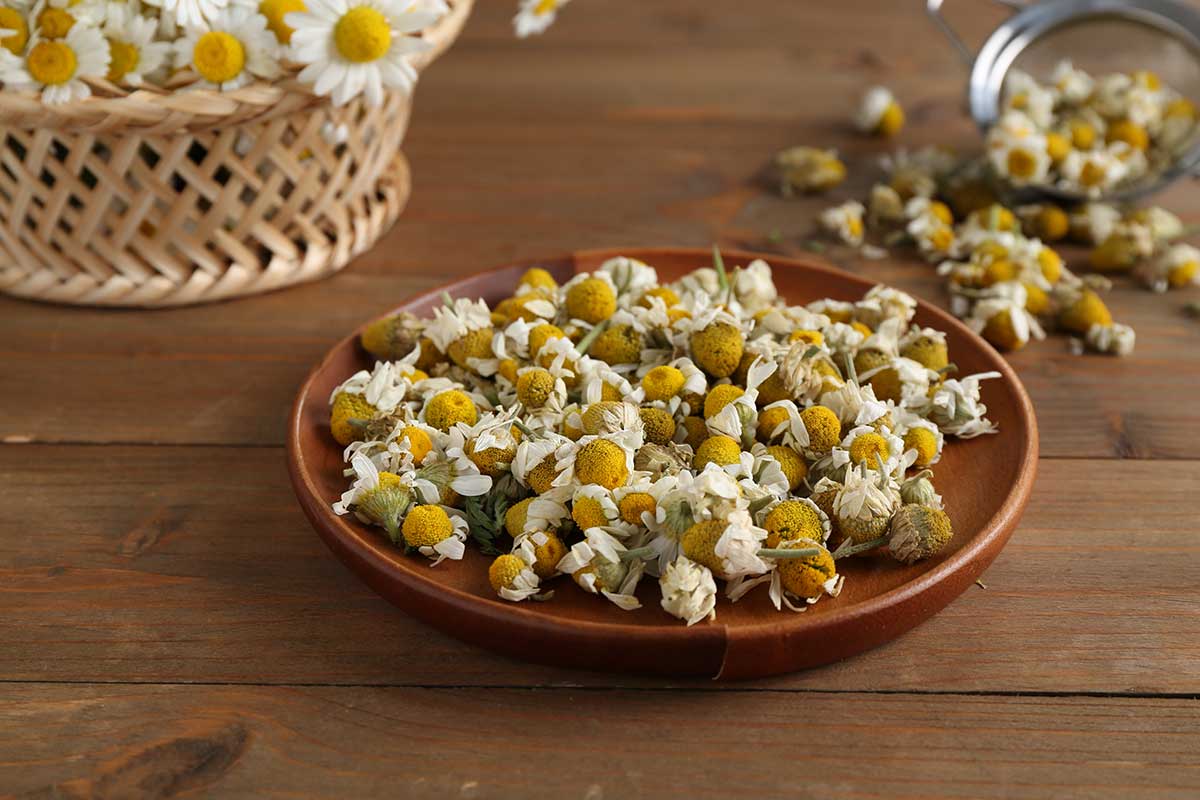
Chamomile and Lavender for Relaxation or Sleep
Chamomile tea and lavender are commonly associated with relaxation and bedtime routines. A warm cup of chamomile tea or the scent of lavender may feel calming, but feeling relaxed after using an herb is not the same as showing that it effectively treats insomnia or an anxiety disorder.
Research into both herbs continues, but the evidence is still limited and depends heavily on the specific product and use.
Does Chamomile Help With Sleep or Anxiety?
Chamomile has a long history of use as a tea and traditional herbal remedy. It is frequently promoted for relaxation, sleep, digestive discomfort, and anxiety.
Research has not established chamomile as a reliable treatment for insomnia. Some studies have explored its potential effects on anxiety, but the findings are still limited and should not be interpreted as proof that an ordinary cup of chamomile tea can treat an anxiety disorder.
For many people, chamomile tea may simply be an enjoyable part of a relaxing evening routine. The warmth of the drink, the absence of caffeine, and the bedtime ritual itself can all contribute to the experience.
You can learn more about what has been studied in the NCCIH overview of chamomile.
What Does the Evidence Say About Lavender?
Lavender is used somewhat differently. It appears in essential oils, aromatherapy products, topical preparations, teas, and oral supplements.
Lavender aromatherapy is frequently promoted as a natural sleep aid. Some studies have reported possible benefits for sleep or relaxation, but according to NCCIH, it remains unclear whether lavender aromatherapy meaningfully improves insomnia or sleep quality.
Research has also examined certain oral lavender oil preparations for anxiety. Those findings should not be generalized to every lavender product, particularly lavender essential oil used for fragrance or aromatherapy.
See the NCCIH guide to lavender for more information about current research and safety.
Are Chamomile and Lavender Safe?
Chamomile can cause allergic reactions, particularly in people who are sensitive to related plants such as ragweed, chrysanthemums, marigolds, or daisies.
There are also concerns about possible interactions between chamomile and certain medications, including warfarin and sedating medicines.
Lavender used on the skin may cause irritation or allergic reactions in some people. Oral lavender products can have side effects as well, and concentrated essential oils should not be assumed safe to swallow simply because the plant itself is commonly used.
If you take medication, are pregnant or breastfeeding, or want to use a concentrated chamomile or lavender product regularly, discuss it with a health care professional or pharmacist first.
When Sleep or Anxiety Problems Need More Than an Herbal Remedy
An occasional restless night or stressful day is different from an ongoing sleep or anxiety problem.
If difficulty sleeping continues for weeks, regularly affects your daytime functioning, or occurs alongside significant anxiety, depression, breathing problems during sleep, or other concerning symptoms, consider talking with a health care professional.
Chamomile tea or lavender aromatherapy can be part of a relaxing routine if they are appropriate for you, but they should not delay evaluation or treatments with stronger evidence when a persistent problem is affecting your health or daily life.

Aloe Vera and Herbal Remedies for Skin Problems
Herbs and plant-based products are common ingredients in creams, gels, oils, and other products marketed for skin care. Aloe vera is probably one of the best-known examples, but “plant-based” does not necessarily mean that a product will treat a particular skin condition or that it cannot cause irritation.
Skin problems can also look similar while having very different causes. A rash caused by an allergy, infection, eczema, or another condition may require completely different treatment.
What Is Aloe Vera Gel Used For?
Aloe vera gel comes from the inner portion of the aloe leaf and is commonly applied to the skin. It is found in products marketed for sun-exposed skin, minor irritation, dryness, and general skin care.
Research has investigated topical aloe for several skin conditions, but the evidence varies depending on the condition and the product studied. There is not enough consistent evidence to present aloe vera as a general treatment for acne, eczema, psoriasis, or unexplained rashes.
A commercial aloe gel containing fragrances, preservatives, alcohol, or other ingredients is not necessarily equivalent to the aloe preparations used in clinical research.
For a closer look at the available research, see the NCCIH overview of aloe vera.
Topical Aloe and Oral Aloe Are Not the Same
Applying aloe vera gel to the skin is very different from taking an aloe product by mouth.
Oral aloe products can contain different components of the plant, including aloe latex. Aloe latex has a strong laxative effect and has been associated with potentially serious adverse effects when consumed in certain forms or amounts.
Because of these differences, safety information about topical aloe gel should never be assumed to apply to oral aloe products.
Pregnant or breastfeeding people should be particularly cautious about taking aloe orally and should discuss herbal supplements with a health care professional.
Can Echinacea Help With Eczema?
Echinacea sometimes appears in herbal creams and products promoted for eczema and other skin problems. However, there is not enough reliable evidence to conclude that echinacea effectively treats eczema.
It can also cause allergic reactions in some people.
This is especially important with irritated skin, where adding multiple herbal extracts, essential oils, or fragranced products can sometimes make symptoms worse rather than better.
Patch Test New Herbal Skin Products
Even a natural topical product can irritate the skin or trigger an allergic reaction.
When appropriate, try a small amount of a new skin product on a limited area first rather than immediately applying it over a large area. Stop using the product if you develop burning, significant redness, swelling, itching, or another unexpected reaction.
Avoid applying herbal products or essential oils to broken or badly damaged skin unless the product is specifically intended for that purpose and you have appropriate professional guidance.
When a Skin Problem Needs Medical Attention
A mild irritation may resolve with simple skin care, but recurring or worsening skin problems deserve proper evaluation.
Seek medical advice for a rash that spreads rapidly, becomes very painful, develops signs of infection, repeatedly returns, affects the eyes or mouth, or is accompanied by fever or other significant symptoms.
Severe swelling, difficulty breathing, or swelling of the lips, tongue, face, or throat can indicate a serious allergic reaction and requires urgent medical attention.
For persistent acne, eczema, psoriasis, or an unexplained rash, getting the condition correctly identified is more useful than repeatedly trying different herbal remedies without knowing the underlying cause.

How to Use Herbal Products More Safely
Herbal products can vary considerably in concentration, ingredients, and quality. A plant that is commonly consumed as a food or tea may have very different effects when it is taken as a concentrated extract, tincture, capsule, or essential oil.
Before trying a new herbal remedy, it helps to look beyond the name of the herb and consider exactly what product you are using.
Check the Exact Form of the Herb
Tea, capsules, tinctures, extracts, creams, and essential oils are not interchangeable.
If research suggests a possible benefit from a standardized extract or a particular type of capsule, that does not necessarily mean that drinking tea made from the same plant will produce the same result.
Check the ingredient list, serving size, concentration, and directions on the label. Be especially cautious with products that combine many herbs because it can be harder to determine which ingredient caused a side effect or interaction.
Check for Medication Interactions
Herbs contain biologically active compounds, and some can change how medications work.
Interactions can be especially important with medicines that affect blood clotting, blood pressure, blood sugar, the immune system, or the central nervous system. The risk depends on the specific herb, medication, and dose—not whether the product is labeled “natural.”
If you regularly take prescription or over-the-counter medication, ask a pharmacist or health care professional about a new supplement before using it.
Bringing the actual bottle, ingredient list, or a photo of the label can make that conversation much easier.
Be More Cautious With Concentrated Products
Essential oils and concentrated extracts can contain much larger amounts of certain plant compounds than you would normally encounter in food or herbal tea.
Do not assume that an essential oil is safe to swallow because the plant it comes from is edible. Use essential oils according to appropriate product directions and safety guidance.
The same principle applies to supplements: taking more than the recommended amount does not necessarily provide greater benefits and may increase the risk of side effects.
Pregnancy, Breastfeeding, Children, and Chronic Conditions Require Extra Care
Safety information for many herbal supplements is limited during pregnancy and breastfeeding, and some herbs may not be appropriate during these periods.
Children should not simply be given a smaller version of an adult herbal dose. Age, body size, preparation, and the herb itself can all affect safety.
People with chronic medical conditions should also be cautious, particularly when herbal products are being used alongside medications.
In these situations, discuss the specific product with a qualified health care professional or pharmacist before using it.
Stop Using a Product if You Develop a Reaction
Stop using an herbal product if it causes an unexpected reaction such as significant itching, rash, persistent stomach upset, dizziness, or other concerning symptoms.
Severe allergic reactions require immediate medical attention. Warning signs can include difficulty breathing, swelling of the face, lips, tongue, or throat, or feeling faint.
Look for Quality, Not Just Marketing Claims
Terms such as “natural,” “traditional,” “detox,” and “immune support” can sound reassuring, but they do not prove that a product is effective or appropriate for you.
Be cautious with supplements that promise to cure diseases, work immediately, replace prescription medication, or produce dramatic results with little evidence.
Independent quality testing can provide additional information about whether a supplement contains what its label claims, although quality testing does not prove that the product will be effective for a particular condition.
The National Center for Complementary and Integrative Health provides additional guidance about supplement safety, possible interactions, and other issues to consider when choosing complementary health products.
Most importantly, herbal remedies should not be used to postpone appropriate medical care. New, severe, persistent, unusual, or worsening symptoms deserve proper evaluation rather than repeated self-treatment.
Frequently Asked Questions About Herbal Remedies
Do Herbal Remedies Work for Common Conditions?
Some herbal remedies have evidence supporting specific uses, but the strength of that evidence varies considerably.
For example, research suggests that certain ginger preparations may help with pregnancy-related nausea, while enteric-coated peppermint oil capsules may improve some symptoms of irritable bowel syndrome (IBS) in adults in the short term. Evidence for many other popular herbal remedies remains limited, mixed, or uncertain.
The important question is not simply whether an herb “works,” but whether a specific preparation has good evidence for a particular symptom or condition.
Are Herbal Remedies Safer Than Medicines?
Not necessarily. Herbs can cause side effects, allergic reactions, and medication interactions. Safety depends on the herb, preparation, concentration, amount used, and the person taking it. A mild herbal tea can also have very different safety considerations from a concentrated extract or essential oil.
Can I Take Herbal Remedies With Prescription Medication?
You should check the specific combination with your health care provider or pharmacist.
Some herbs can affect how medications are absorbed, metabolized, or act in the body. Potential interactions may be particularly important for people taking medicines that affect blood clotting, blood pressure, blood sugar, the immune system, or the central nervous system.
If possible, show your pharmacist the exact supplement label rather than providing only the name of the herb.
Is Herbal Tea Safer Than an Herbal Supplement?
Herbal tea is often less concentrated than an extract, capsule, tincture, or essential oil, but that does not automatically make every herbal tea safe for everyone.
The amount consumed, the plant being used, medications, pregnancy, allergies, and existing health conditions can all matter.
It is also important not to assume that research involving a concentrated herbal supplement proves that tea made from the same plant will produce the same effect.
How Long Do Herbal Remedies Take to Work?
There is no single answer because herbal remedies differ substantially.
Any potential effect depends on the herb, preparation, dose, reason for using it, and the individual. Claims that an herbal product will work within a precise amount of time should be viewed cautiously unless they are supported by good evidence for that particular product and use.
If symptoms persist or worsen, do not keep increasing the amount or indefinitely trying different herbal products. Consider medical evaluation instead.
How Do I Know if an Herbal Supplement Is Good Quality?
Start by reading the complete label. Look for clearly identified ingredients, amounts per serving, manufacturer information, directions, and appropriate warnings.
Independent third-party testing can provide additional reassurance that a supplement contains what its label claims and has been evaluated for certain quality standards. However, third-party testing does not prove that the supplement is effective for treating a health condition.
Be especially skeptical of products promising miracle cures, extremely rapid results, or an ability to replace necessary medical treatment.
When Should I See a Doctor Instead of Trying an Herbal Remedy?
Seek appropriate medical care for symptoms that are severe, unusual, persistent, rapidly worsening, or repeatedly returning.
Urgent symptoms such as difficulty breathing, severe allergic reactions, significant dehydration, severe or unexplained pain, confusion, or other potentially serious symptoms should not be treated primarily with herbal remedies.
Even when symptoms seem minor, an herbal product should not be used to delay diagnosis or medical treatment when something does not seem right.
What to Remember About Herbal Remedies for Common Conditions
Herbal remedies can have a place in everyday self-care, but there is a big difference between traditional use, promising research, and a treatment that has been clearly shown to work.
Some herbal preparations have better evidence than others. Ginger may help with certain types of nausea, and enteric-coated peppermint oil has shown potential for some IBS symptoms. For other popular uses—including echinacea for shortening a cold, chamomile for insomnia, or lavender aromatherapy for sleep—the evidence is less certain.
The form of the herb matters too. Peppermint tea is not the same as a peppermint oil capsule, fresh ginger is not identical to a standardized ginger supplement, and an essential oil should never be treated as though it were simply a stronger version of an herbal tea.
When considering an herbal remedy, look for evidence about the specific preparation and the specific reason you want to use it. Check for possible side effects and medication interactions, and be especially cautious with concentrated extracts and essential oils.
Most importantly, pay attention to your symptoms. Herbal remedies can sometimes be part of sensible self-care, but they shouldn’t replace a proper diagnosis, necessary medication, or medical attention when symptoms warrant it.
Learning what the evidence actually says makes it easier to appreciate herbs without expecting them to do more than research supports.
References
- 1. National Center for Complementary and Integrative Health (NCCIH). *Echinacea*. National Institutes of Health. Available at: NCCIH: Echinacea. Accessed October 2026.
- 2. National Center for Complementary and Integrative Health (NCCIH). *Ginger*. National Institutes of Health. Available at: NCCIH: Ginger. Accessed October 2026.
- 3. National Center for Complementary and Integrative Health (NCCIH). *Peppermint Oil*. National Institutes of Health. Available at: NCCIH: Peppermint Oil. Accessed October 2026.
- 4. National Center for Complementary and Integrative Health (NCCIH). *Chamomile*. National Institutes of Health. Available at: NCCIH: Chamomile. Accessed October 2026.
- 5. National Center for Complementary and Integrative Health (NCCIH). *Lavender*. National Institutes of Health. Available at: NCCIH: Lavender. Accessed October 2026.
- 6. National Center for Complementary and Integrative Health (NCCIH). *Aloe Vera*. National Institutes of Health. Available at: NCCIH: Aloe Vera. Accessed October 2026.
- 7. National Center for Complementary and Integrative Health (NCCIH). *Using Dietary Supplements Wisely*. National Institutes of Health. Available at: NCCIH: Using Dietary Supplements Wisely. Accessed October 2026.
- 8. Centers for Disease Control and Prevention (CDC). *Manage Common Cold*. U.S. Department of Health and Human Services. Available at: CDC: Manage Common Cold. Accessed October 2026.