 By Kazim
Cilantro is a fresh, aromatic herb known for its bright flavor and distinctive fragrance. Also called coriander leaf or Chinese parsley, it appears in cuisines worldwide, from Mexican salsas and Indian chutneys to Thai soups and Middle Eastern salads. Both the leaves and tender stems are edible, while the dried seeds of the same plant are commonly known as coriander.
Beyond its culinary appeal, cilantro provides small amounts of vitamins, minerals, and naturally occurring plant compounds, including antioxidants. Researchers have also studied cilantro and coriander for potential effects related to antimicrobial activity, blood sugar regulation, and other aspects of health, although many of these areas still require stronger human research. If you’re interested in the broader use of plants for wellness, our guide to Herbal Medicine Basics explains how herbal preparations are traditionally and currently used.
Cilantro is also surprisingly easy to grow at home. With the right temperature, soil, sunlight, and harvesting routine, you can enjoy fresh leaves from a garden bed, raised bed, or container.
In this guide, we’ll explore cilantro benefits, nutrition, culinary uses, possible side effects, and the difference between cilantro and coriander. You’ll also learn how to grow, harvest, and store cilantro so you can make the most of this versatile herb.

What Is Cilantro?
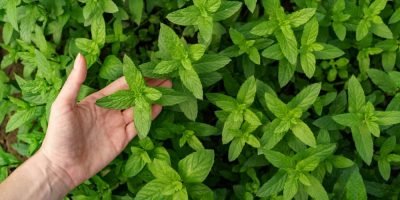
Cilantro (Coriandrum sativum) is an annual herb in the Apiaceae family, the same plant family that includes parsley, carrots, celery, dill, and fennel. It has delicate green leaves, slender stems, and a distinctive aroma that can be recognized almost immediately.
The plant has a long history of cultivation and is believed to have originated across parts of the Mediterranean region, North Africa, and southwestern Asia. Today, cilantro is grown around the world and plays an important role in Mexican, Indian, Thai, Vietnamese, Middle Eastern, and many other cuisines.
Nearly every part of the plant can be used. The fresh leaves and tender stems are commonly called cilantro in the United States, while the dried seeds are generally sold as coriander. The roots are also used in some cuisines, particularly in Southeast Asian cooking, where they can add a deeper, more intense flavor to pastes, marinades, and sauces.
Fresh cilantro has a bright, citrusy, slightly peppery flavor that works especially well in dishes containing lime, tomatoes, chilies, beans, rice, vegetables, and grilled foods. Because heat can soften its fresh flavor and aroma, the leaves are often added toward the end of cooking or used as a garnish just before serving.
Interestingly, cilantro doesn’t taste the same to everyone. While many people enjoy its fresh flavor, others describe it as soapy or unpleasant. Genetics appear to play a role in this difference, particularly variations involving odor-receptor genes that influence how certain aroma compounds in cilantro are perceived.
Cilantro vs. Coriander: What’s the Difference?
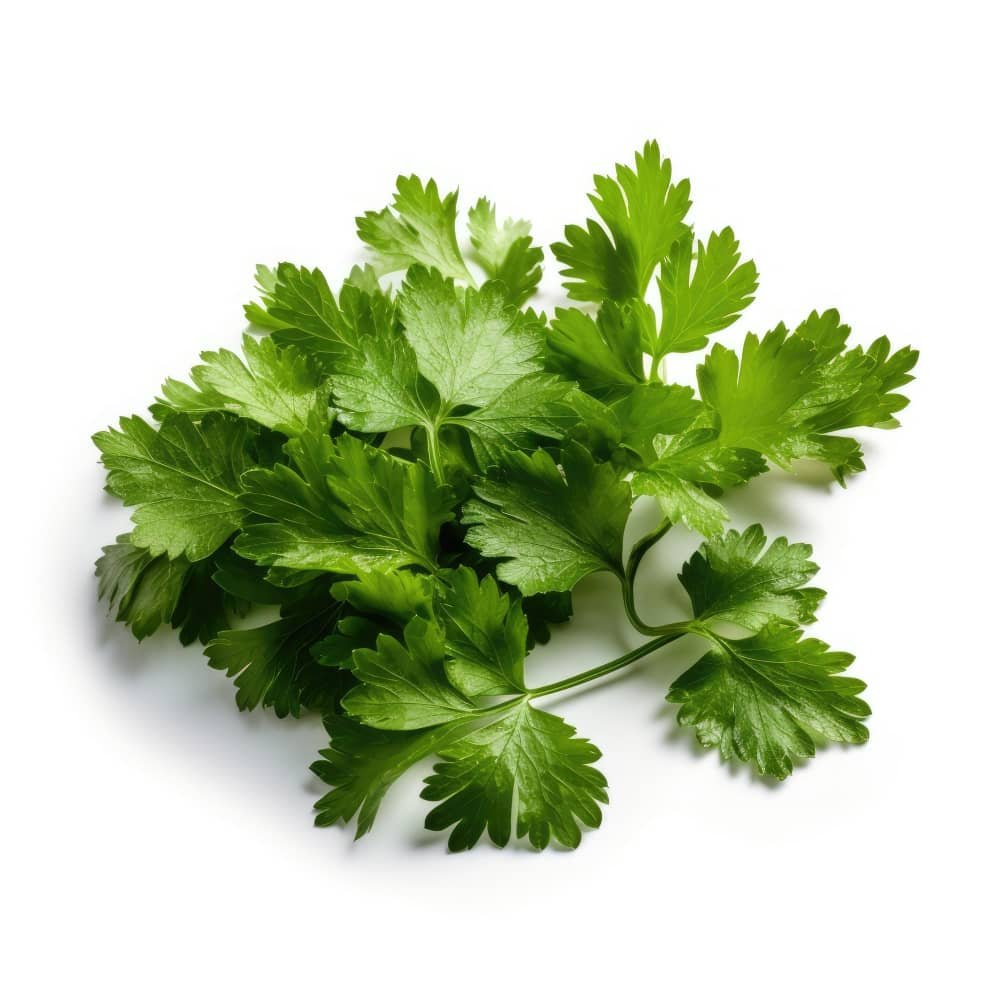
Cilantro and coriander come from the same plant, Coriandrum sativum, but the names can refer to different parts of the plant depending on where you live.
In the United States, cilantro usually refers to the fresh green leaves and stems, while coriander refers to the dried seeds. In many other parts of the world, however, the entire plant may simply be called coriander, with the leaves described as fresh coriander or coriander leaves.
The difference goes beyond terminology. Fresh cilantro leaves have a bright, citrusy, herbaceous flavor that works well in salsas, salads, curries, soups, chutneys, and garnishes. Coriander seeds have a warmer, slightly sweet and earthy flavor with citrus notes. They can be used whole or ground and are common in spice blends, curries, marinades, baked goods, and pickling recipes.
Their nutritional profiles also differ because fresh leaves contain much more water, while dried coriander seeds are more concentrated in certain nutrients and aromatic compounds.
So, if a recipe calls for cilantro, it usually means the fresh leaves and tender stems. If it calls for coriander seeds or ground coriander, you’ll need the dried fruit of the same plant rather than the fresh herb.
Understanding this distinction is especially helpful when following recipes from different countries, where the terms cilantro and coriander may be used differently.
Nutritional Profile of Cilantro
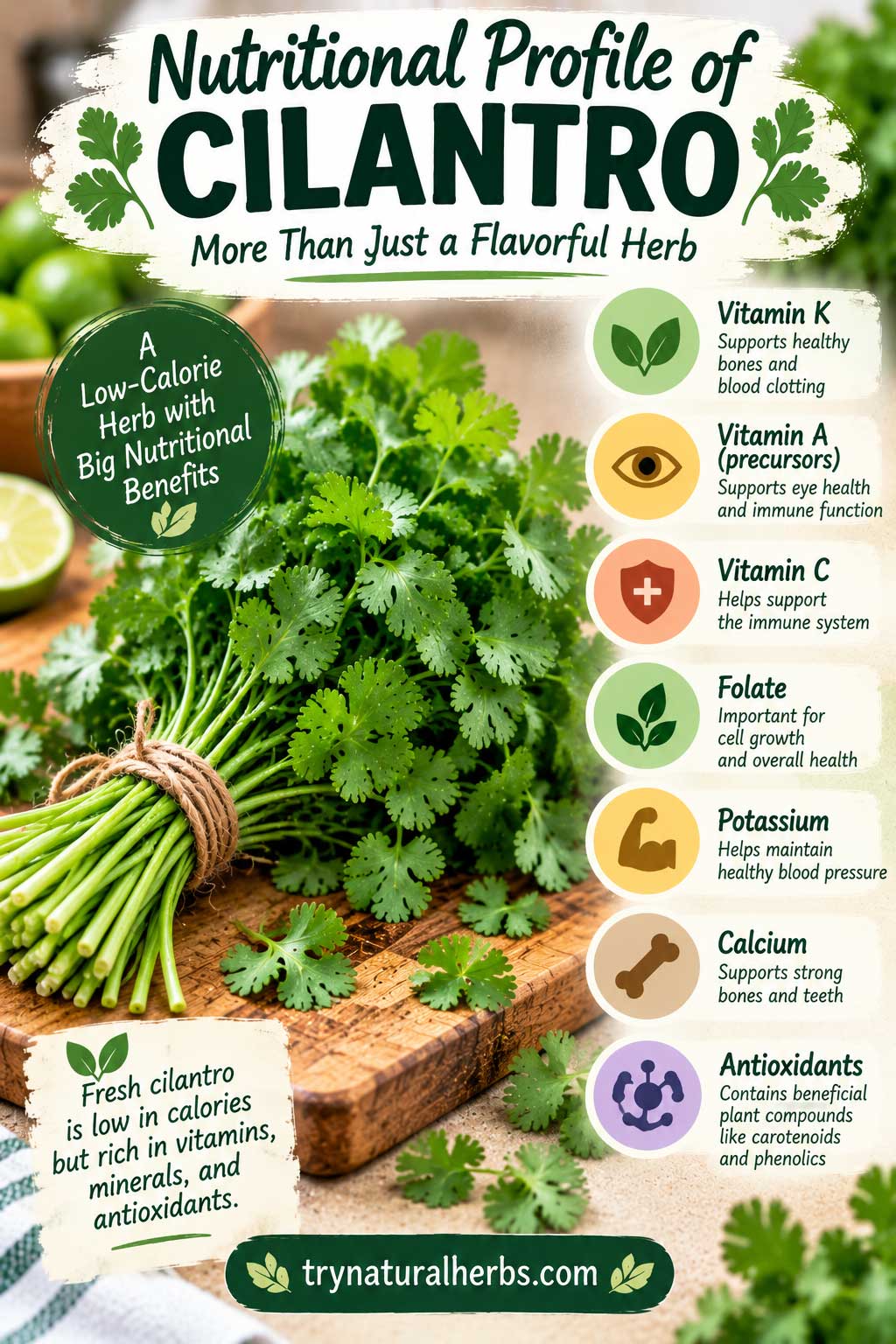
Fresh cilantro is a low-calorie herb that provides several vitamins, minerals, and naturally occurring plant compounds. Because most people eat cilantro in relatively small amounts, it usually isn’t a major source of nutrients on its own. However, it can still contribute to a varied, nutrient-rich diet.
Cilantro is particularly notable for vitamin K, a nutrient involved in normal blood clotting and bone health. Nutrient values for fresh cilantro can be checked through USDA FoodData Central. It also provides smaller amounts of vitamins A and C, along with folate, potassium, calcium, and other minerals.
The leaves contain plant compounds with antioxidant activity, including carotenoids and various phenolic compounds. Antioxidants help protect cells from oxidative damage caused by unstable molecules known as free radicals.
Fresh cilantro also has a high water content and contains very few calories, making it an easy way to add flavor and aroma to meals without significantly increasing calories, sugar, or fat.
Key Nutrients Found in Cilantro
Some of the nutrients and beneficial compounds naturally present in fresh cilantro include:
- Vitamin K – supports normal blood clotting and contributes to bone health.
- Vitamin A precursors – carotenoids in cilantro can contribute to vitamin A activity in the body, supporting normal vision and immune function.
- Vitamin C – functions as an antioxidant and supports normal immune function and collagen production.
- Folate – plays an important role in DNA synthesis and normal cell division.
- Potassium – contributes to normal nerve, muscle, and heart function.
- Plant antioxidants – cilantro contains carotenoids, phenolic compounds, and other phytochemicals being studied for their biological activity.
Cilantro shouldn’t be viewed as a nutritional supplement or treatment for disease. Instead, its main advantage is that it provides flavor along with useful plant compounds and nutrients, making it easier to add variety to vegetables, beans, soups, salads, sauces, and other wholesome foods.
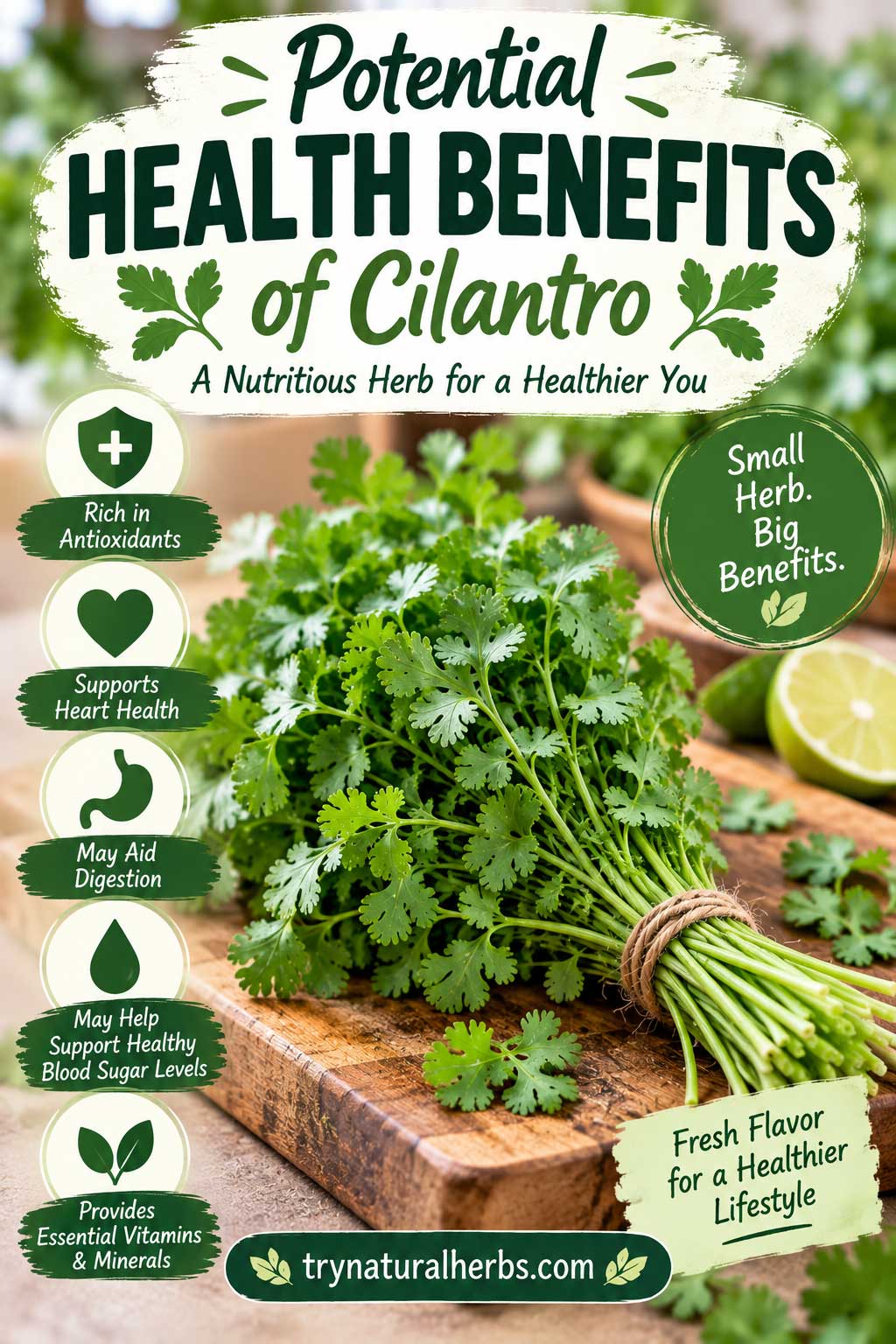
Potential Health Benefits of Cilantro
Cilantro has been used as both a culinary herb and part of traditional wellness practices for generations. Modern research has identified a variety of antioxidants, aromatic compounds, and other naturally occurring substances in Coriandrum sativum that researchers continue to study for their potential health effects.
However, it’s important to separate cilantro’s nutritional value from stronger medicinal claims. Some potential health benefits of cilantro have been investigated primarily in laboratory or animal studies, and human research remains limited in several areas.
Provides Antioxidant Plant Compounds
Cilantro contains naturally occurring antioxidants, including carotenoids and various phenolic compounds. These substances can help protect cells against oxidative stress by interacting with free radicals and other reactive molecules.
Oxidative stress is a normal biological process, but excessive oxidative damage has been associated with aging and the development of numerous chronic health conditions. Eating a varied diet rich in fruits, vegetables, herbs, and spices is one way to obtain a broad range of antioxidant compounds.
Cilantro shouldn’t be considered a treatment for diseases associated with oxidative stress, but using fresh herbs like cilantro can contribute additional plant compounds to an overall balanced diet.
Cilantro is just one of many plants used in traditional wellness practices; you can explore more examples in Natural Herbs That Can Help With Everyday Ailments.
May Have Antimicrobial Properties
Researchers have also studied cilantro and coriander for potential antimicrobial activity. Certain naturally occurring compounds from Coriandrum sativum have demonstrated activity against some bacteria and other microorganisms in laboratory studies.
One compound that has received particular attention is dodecenal, which occurs in cilantro and has shown antibacterial activity under laboratory conditions.
These findings are interesting, but they don’t mean that eating cilantro can prevent or treat food poisoning or bacterial infections. Laboratory experiments often use concentrated extracts or isolated compounds that differ considerably from the amount found in a normal serving of fresh cilantro.
For everyday use, cilantro is best viewed as a flavorful food rather than a substitute for safe food handling, proper cooking, or medical treatment.
May Support Healthy Blood Sugar Levels
Coriandrum sativum has been investigated for its potential effects on blood sugar metabolism. Some animal and laboratory studies suggest that coriander extracts and plant compounds may influence enzymes or biological processes involved in glucose regulation.
However, evidence in humans is still limited, and eating fresh cilantro shouldn’t be considered a treatment for high blood sugar or diabetes. The concentrated preparations used in research can also be very different from the small amount of fresh cilantro typically added to a meal.
If you take medication that lowers blood sugar, it’s particularly important to discuss concentrated coriander or cilantro supplements with a healthcare professional before using them.
May Support Heart Health as Part of a Balanced Diet
Cilantro contains potassium, antioxidants, and other plant compounds that have led researchers to investigate Coriandrum sativum in relation to cardiovascular health.
Some preclinical research involving coriander has explored possible effects on cholesterol, triglycerides, and other markers associated with heart health. These findings are promising areas for further study, but they don’t establish that eating cilantro will lower cholesterol or prevent cardiovascular disease.
A more practical benefit is culinary: fresh cilantro adds plenty of flavor without requiring significant amounts of salt, sugar, or saturated fat. Using herbs and spices to flavor vegetables, beans, whole grains, and other nutrient-rich foods can be part of an overall heart-healthy eating pattern.
Cilantro and Digestive Health
Coriander has a long history of traditional use for digestive complaints, and both the leaves and seeds have been used in foods and traditional preparations.
Coriander seeds in particular have traditionally been associated with digestion and are commonly included in teas, spice mixtures, and meals. Another familiar herb traditionally associated with digestion is peppermint, especially when prepared as an herbal tea. Research has examined some of the plant’s aromatic compounds for potential effects on the digestive system, but there isn’t enough strong human evidence to claim that fresh cilantro treats digestive disorders.
For most people, the simplest way to enjoy cilantro is as a culinary herb. Adding it to soups, beans, rice, salads, sauces, and vegetable dishes can provide flavor while contributing to a varied plant-based diet.
Can Cilantro Help Remove Heavy Metals?
Cilantro is sometimes promoted as a natural “detox” herb that can remove heavy metals such as lead, mercury, or aluminum from the body. This claim has become popular in wellness circles, but the scientific evidence is much less certain.
Laboratory and animal research has explored whether compounds in Coriandrum sativum can interact with certain metals or influence their accumulation and elimination. However, this research does not establish that eating cilantro can safely or effectively remove heavy metals from the human body.
It is also misleading to describe cilantro as a proven chelating agent. Medical chelation therapy involves specific medications that bind certain metals and is used under professional supervision for particular cases of heavy-metal poisoning.
Cilantro can certainly be enjoyed as part of a healthy diet, but it shouldn’t be relied upon as a treatment for suspected heavy-metal exposure. Anyone concerned about lead, mercury, or another toxic metal should seek medical advice and appropriate testing rather than attempting a cilantro “detox.”
What About Cilantro and Natural Detoxification?
The human body already has sophisticated systems for processing and eliminating many unwanted substances, particularly through the liver, kidneys, digestive system, and lungs.
Rather than thinking of cilantro as a detox treatment, it makes more sense to view it as one of many nutritious herbs that can add variety and plant compounds to a balanced diet.
Eating cilantro alongside vegetables, fruits, whole grains, legumes, and other minimally processed foods can support an overall nutritious eating pattern—but claims that cilantro itself “cleanses” or “detoxifies” the body go beyond what current evidence can confidently support.

Different Ways to Use Cilantro
Cilantro’s fresh, citrusy flavor makes it one of the most versatile herbs in the kitchen. Both the leaves and tender stems are edible, and they can be chopped, blended, or added whole to a wide variety of dishes.
Because cilantro’s delicate flavor can fade with prolonged cooking, it’s often best added near the end of cooking or sprinkled over a finished dish.
Add Cilantro to Salsa and Guacamole
Fresh cilantro is a classic ingredient in homemade salsa, pico de gallo, and guacamole. Its bright flavor pairs especially well with tomatoes, avocado, onions, chilies, and lime juice.
Start with a small handful of finely chopped cilantro and adjust according to taste. The tender stems can be chopped along with the leaves rather than discarded.
Blend It Into Sauces and Dressings
Cilantro works particularly well in green sauces, salad dressings, marinades, and dips. Try blending it with ingredients such as lime juice, garlic, olive oil, yogurt, avocado, or jalapeño.
It can also be used to make cilantro-lime dressing, herb sauces, chutneys, and creamy dips for vegetables or grilled foods.
Sprinkle It Over Soups, Curries, and Tacos
Adding fresh cilantro immediately before serving brings color, aroma, and freshness to warm dishes. It works particularly well with tacos, curries, lentil dishes, chili, soups, rice bowls, and roasted vegetables.
For the strongest fresh-herb flavor, avoid cooking the cilantro for too long.
Add Cilantro to Salads and Grain Bowls
Whole or roughly chopped cilantro leaves can be mixed into salads just like other fresh herbs. Cilantro pairs particularly well with cucumber, tomato, corn, avocado, beans, quinoa, rice, and citrus-based dressings.
Using a generous amount rather than treating cilantro only as a garnish can give an ordinary salad or grain bowl a noticeably fresher flavor.
Use Cilantro in Marinades
Fresh cilantro can be blended with citrus juice, garlic, spices, and oil to create flavorful marinades for vegetables, tofu, fish, chicken, or other foods.
The combination of cilantro and lime is especially popular because the herb’s fresh aroma complements the acidity of citrus.
Make Cilantro-Infused Oil
Cilantro can also be blended into an herb oil for drizzling over cooked vegetables, soups, grain bowls, and other dishes.
Because fresh herbs can introduce moisture and microorganisms into homemade oils, cilantro-infused oil should be kept refrigerated and used promptly rather than stored at room temperature for extended periods.
With so many ways to use cilantro, a bunch doesn’t have to sit forgotten in the refrigerator. From sauces and salads to tacos and curries, even a small amount can add noticeable freshness and flavor to a meal.
Fresh Cilantro vs. Dried Cilantro
Fresh and dried cilantro come from the same herb, but they aren’t always interchangeable in recipes. Drying changes cilantro’s aroma and flavor considerably, which is why fresh cilantro is usually preferred when its distinctive taste is an important part of a dish.
Fresh cilantro has a bright, citrusy, slightly peppery flavor and a strong aroma. It’s ideal for salsa, guacamole, chutneys, salads, tacos, soups, curries, sauces, and garnishes. For the freshest flavor, add the leaves near the end of cooking or immediately before serving.
Dried cilantro leaves, sometimes sold as dried coriander leaves, have a much milder flavor. They can be convenient for soups, stews, sauces, and other cooked dishes, but they generally won’t provide the same fresh aroma as the raw herb.
It’s also important not to confuse dried cilantro leaves with coriander seeds. Coriander seeds are the dried fruits of the cilantro plant and have a completely different flavor—warm, earthy, slightly sweet, and citrusy. They are commonly used whole or ground in curries, spice blends, marinades, pickles, and baked foods.
If a recipe relies on cilantro for a fresh finishing flavor, fresh leaves are usually the best choice. Dried cilantro can work when fresh isn’t available, but expect a more subtle result rather than an exact substitute.
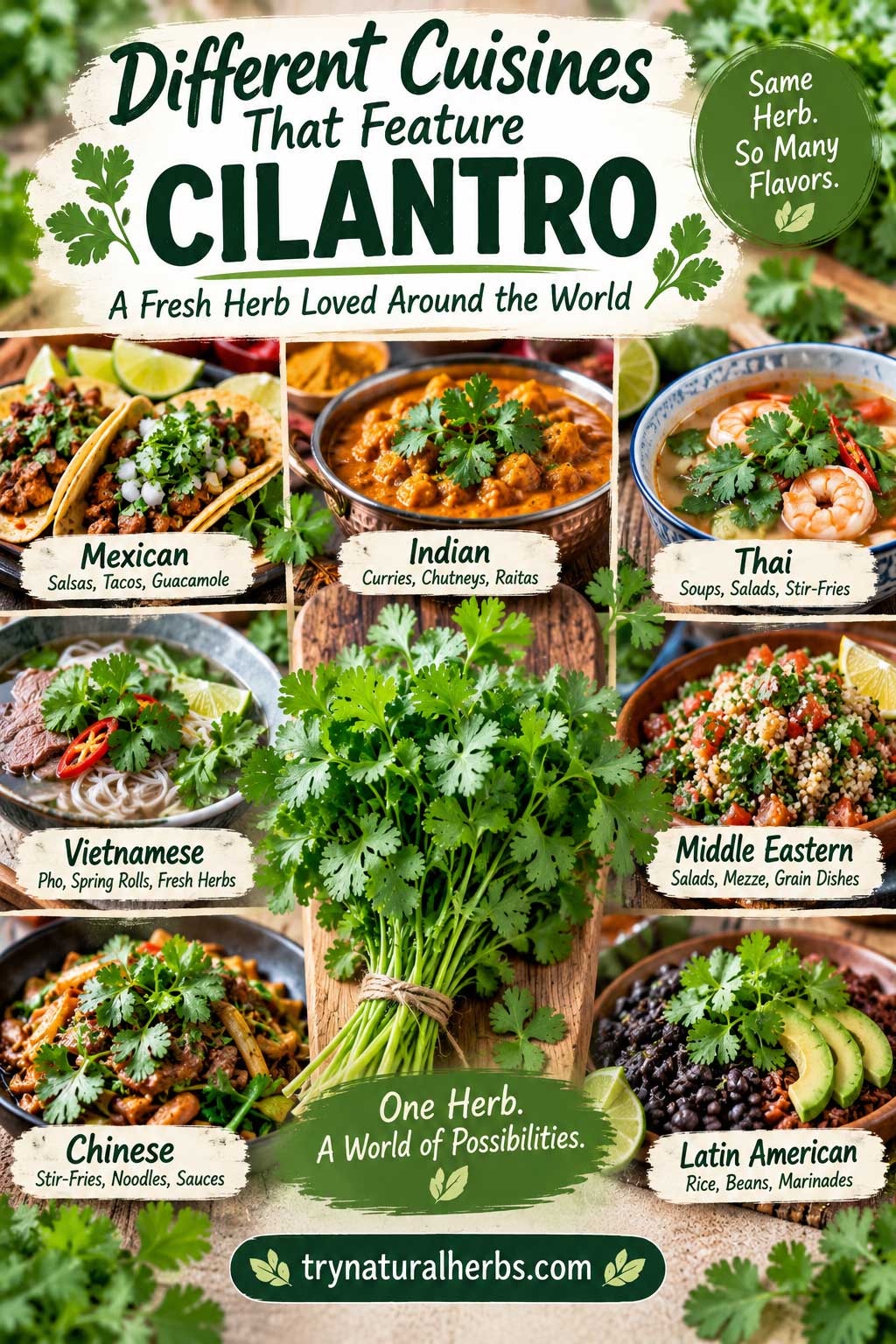
Different Cuisines That Feature Cilantro
Cilantro is used across an impressive range of culinary traditions. Its fresh, citrusy character works particularly well with spicy, savory, and acidic ingredients, which helps explain why the herb appears in dishes from several different regions of the world.
Mexican Cuisine
Cilantro is a familiar ingredient in Mexican cuisine, where it’s commonly paired with lime, onions, tomatoes, chilies, beans, and avocado.
Fresh leaves are frequently added to salsa, pico de gallo, guacamole, tacos, soups, rice dishes, and grilled meats. Chopped cilantro and onion also make a simple, flavorful topping for many types of tacos.
Indian Cuisine
Known as fresh coriander or coriander leaves in India, the herb is widely used in chutneys, curries, dals, chaats, rice dishes, and salads.
Fresh coriander is often added toward the end of cooking or scattered over a finished dish. The seeds of the same plant are equally important in Indian cooking and are used whole or ground in numerous spice blends and recipes.
Thai Cuisine
Thai cooking makes use of cilantro leaves, stems, and even roots. Fresh leaves may garnish soups, curries, salads, and noodle dishes, while cilantro roots can be pounded with garlic, pepper, and other seasonings to create aromatic pastes and marinades.
Vietnamese Cuisine
Fresh cilantro appears in Vietnamese soups, noodle dishes, salads, and sandwiches. Its bright flavor complements other fresh herbs and aromatic ingredients commonly used in Vietnamese cooking.
It may be served alongside dishes such as pho or added to bánh mì, where the fresh leaves provide contrast to rich, savory fillings.
Middle Eastern and Mediterranean Cuisine
Coriander leaves are also used in parts of Middle Eastern and Mediterranean cooking, although their popularity varies by region. They can appear in herb sauces, salads, soups, vegetable dishes, marinades, and preparations containing legumes.
Fresh cilantro pairs particularly well with ingredients such as garlic, lemon, chickpeas, lentils, tomatoes, and olive oil.
Central and South American Cuisine
Cilantro is widely used beyond Mexico throughout Central and South America. Depending on the region, it may appear in sauces, soups, rice and bean dishes, ceviche, stews, and marinades.
These different traditions demonstrate just how adaptable cilantro can be. Although the surrounding ingredients and cooking techniques vary considerably, cilantro is often used for the same reason: to bring a fresh, aromatic finish to a dish.
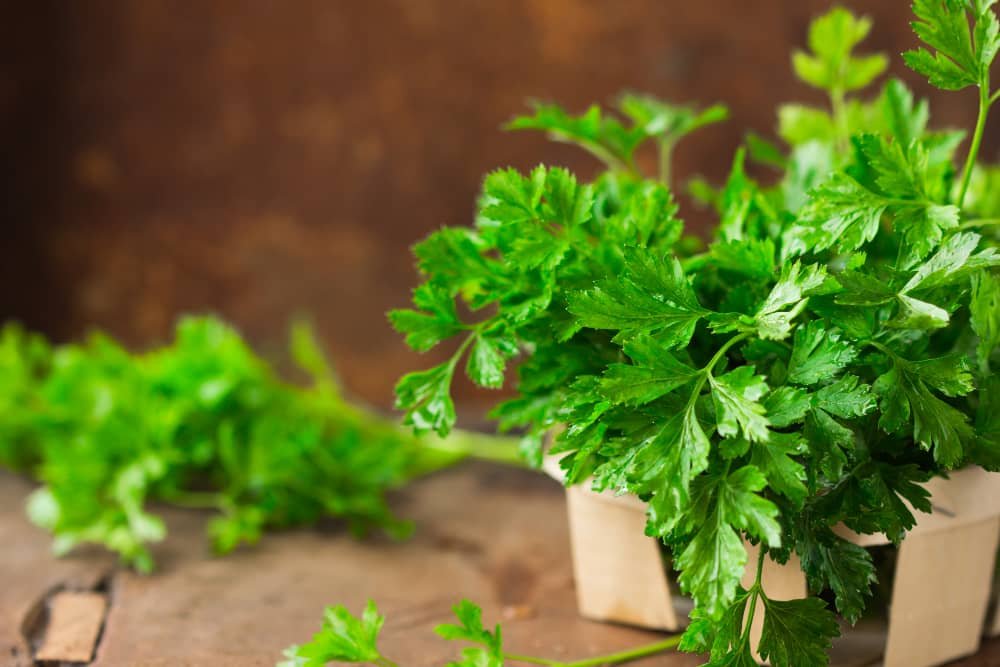
How to Grow Cilantro
Cilantro is relatively easy to grow, but it has one characteristic that can frustrate gardeners: it tends to bolt quickly in warm weather. Once the plant begins producing a flower stalk, leaf production slows and the flavor of the leaves may change.
The key to growing cilantro successfully is giving it cool conditions, adequate moisture, and well-draining soil.
Choose the Right Time to Plant
Cilantro grows best during cooler parts of the growing season. Seeds can be sown outdoors in spring once the soil can be worked, and another crop can be planted as temperatures begin cooling toward fall.
Hot summer weather encourages cilantro to flower and produce seeds, so gardeners in warmer climates often have better results growing it in spring, fall, or even winter.
For a longer harvest, try succession planting by sowing a small batch of seeds every two to three weeks rather than planting everything at once. Utah State University Extension also recommends repeated plantings to maintain a continuing supply of cilantro.
Give Cilantro Plenty of Light
Cilantro generally grows well with around six hours of direct sunlight per day, although some afternoon shade can be helpful when temperatures rise.
In cooler weather, a sunny location usually produces healthy, compact growth. As the season warms, protection from intense afternoon sun may help keep the plants cooler, although it won’t completely prevent bolting.
Use Well-Draining Soil
Plant cilantro in loose, well-draining soil enriched with organic matter. A garden bed amended with finished compost can provide a good growing environment without the need for excessive fertilizer.
Cilantro can also be grown successfully in containers. Choose a pot with drainage holes and enough depth for the plant’s taproot to develop. If you enjoy growing fresh culinary herbs at home, basil is another useful herb that grows well in containers and provides plenty of fresh leaves for cooking.
Sow Cilantro Seeds Directly
Cilantro develops a taproot and doesn’t always appreciate having its roots disturbed, so direct sowing is often easier than transplanting seedlings.
Plant the seeds about 1/4 to 1/2 inch deep and keep the soil consistently moist while they germinate. Once seedlings become established, thin crowded plants so they have enough room for good airflow and healthy growth.
Water Consistently
Keep the soil evenly moist but not waterlogged. Young cilantro plants are particularly sensitive to drying out, while consistently saturated soil can contribute to root problems.
A light layer of mulch around established plants can help conserve soil moisture and moderate soil temperature.
Plan for Cilantro to Bolt
Even with excellent care, cilantro will eventually flower and produce seeds. This is a normal part of the plant’s life cycle rather than a sign that you’ve done something wrong.
You can delay bolting somewhat by growing cilantro during cool weather, maintaining consistent moisture, and providing afternoon shade as temperatures rise.
And once the plant does flower, you don’t necessarily have to remove it. The flowers can attract beneficial insects, and if allowed to mature, the plant will eventually produce coriander seeds that you can harvest for cooking or save for your next crop.
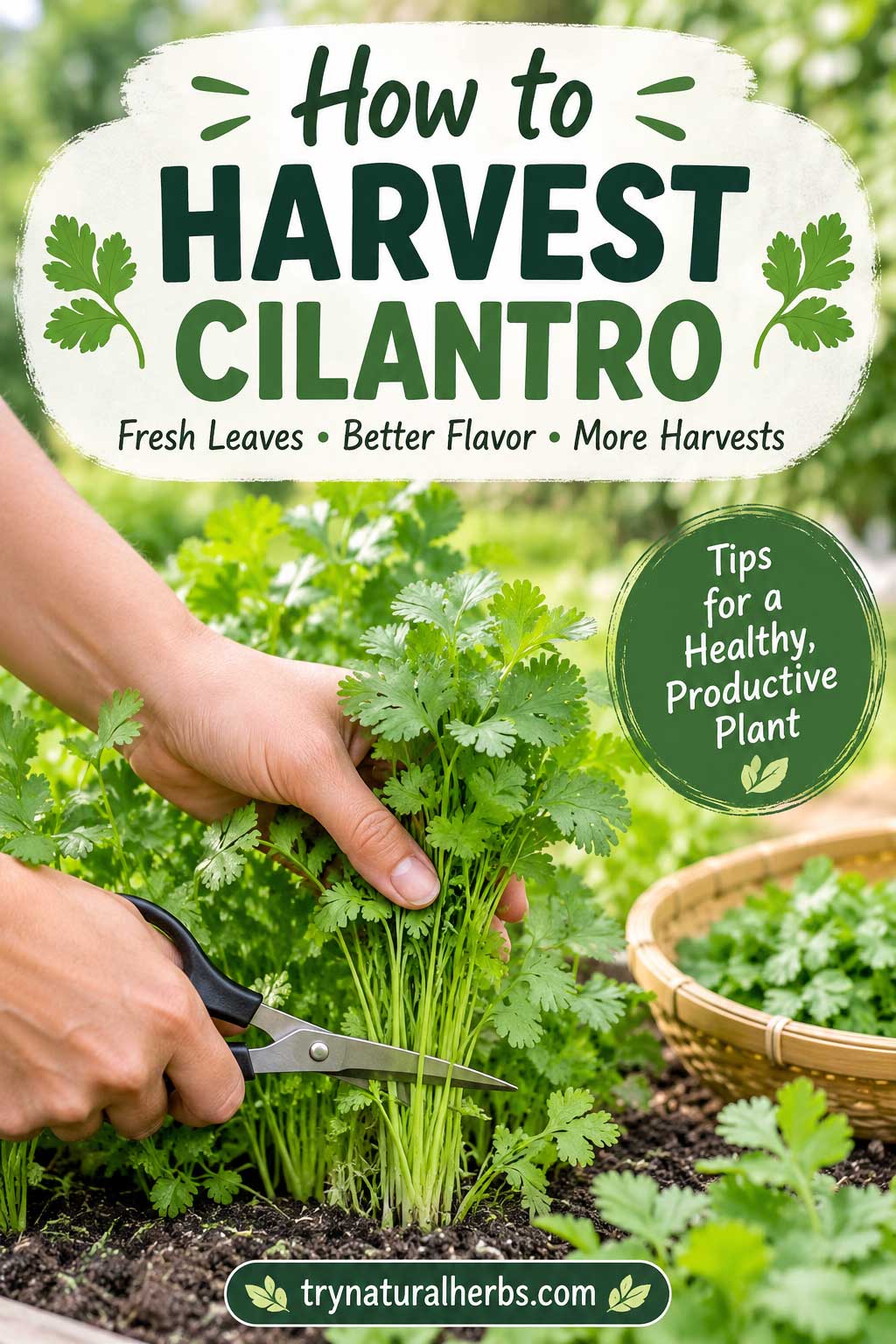
How to Harvest Cilantro
Cilantro can be harvested once the plant has developed several healthy leaves and is large enough that removing a few stems won’t significantly weaken it. Harvesting a little at a time allows the plant to continue producing fresh growth.
Harvest the Outer Stems First
For an ongoing supply of cilantro, use clean scissors or garden snips to cut the larger outer stems near the base of the plant, leaving the smaller inner growth in place.
Avoid removing too much of the plant at once. Taking only what you need gives the remaining leaves time to continue developing.
If you need a larger amount for salsa, sauces, or another recipe, you can harvest more heavily, especially if the plant is approaching the end of its leafy stage.
Harvest in the Morning
Morning is often a convenient time to harvest fresh herbs, particularly after any surface moisture has dried but before the heat of the day.
Place harvested cilantro somewhere cool and out of direct sunlight, especially if you aren’t going to use or refrigerate it immediately.
What to Do When Cilantro Starts Flowering
Once cilantro begins producing a tall central flower stalk, or bolting, the plant shifts energy away from leaf production and toward flowers and seeds.
You can still harvest the leaves, although they may become tougher and develop a stronger or less pleasant flavor as the plant matures.
Instead of pulling the plant immediately, consider allowing some flowers to remain. Cilantro flowers can attract small beneficial insects and will eventually develop the fruits commonly called coriander seeds.
How to Harvest Coriander Seeds
If you’d like to collect coriander, allow the flowers to develop seed heads and wait until the fruits turn from green to tan or light brown.
Cut the stems before the mature fruits begin dropping heavily and place them in a paper bag or on a clean, dry surface. Allow them to finish drying in a well-ventilated location.
Once completely dry, separate the coriander fruits from the stems and store them in an airtight container away from heat, moisture, and direct sunlight. They can be used as a spice or saved for planting another crop of cilantro.

How to Store Cilantro and Keep It Fresh
Fresh cilantro can wilt quickly after harvesting or bringing it home from the grocery store. Proper storage helps preserve its texture, aroma, and flavor while reducing food waste.
Before storing cilantro, remove any yellow, wilted, or damaged leaves. If you wash the herb immediately, dry it thoroughly before refrigeration, since excess moisture can encourage deterioration.
Store Cilantro in a Jar of Water
One simple method is to treat fresh cilantro somewhat like a bouquet of flowers.
Trim a small amount from the bottom of the stems and place the bunch upright in a jar containing a little fresh water. Loosely cover the leaves with a clean food-storage bag and keep the jar in the refrigerator.
Change the water when it becomes cloudy and remove any leaves that begin to deteriorate.
Store Cilantro in the Refrigerator
Another option is to wrap dry cilantro loosely in a slightly damp paper towel and place it inside a food-storage container or bag in the refrigerator.
The goal is to maintain enough humidity to prevent excessive wilting without leaving the leaves soaking wet.
Check the cilantro periodically and remove any slimy or discolored leaves before they affect the rest of the bunch.
Can You Freeze Cilantro?
Yes. Cilantro can be frozen when you have more than you can use while it’s fresh, although freezing changes the texture of the leaves.
Wash and thoroughly dry the cilantro, then chop it and freeze it in small portions. Another convenient method is to place chopped cilantro into an ice cube tray with a small amount of water and freeze it.
Frozen cilantro is generally better suited to soups, curries, sauces, beans, and other cooked dishes than to fresh garnishes, because thawed leaves won’t retain the crisp texture of freshly harvested cilantro.
How Long Does Fresh Cilantro Last?
Storage time varies depending on how fresh the cilantro was when purchased or harvested and how it is handled afterward. Rather than relying only on a specific number of days, check the herb before using it.
Discard cilantro if the leaves become slimy, moldy, badly discolored, or develop an unpleasant odor.
For the best flavor and texture, use fresh cilantro while the leaves are still vibrant green, aromatic, and firm.
Possible Side Effects and Precautions
Cilantro is commonly eaten as a culinary herb and is generally well tolerated in normal food amounts. However, as with other herbs and foods, some people may experience an allergic reaction or need to consider certain precautions.
Cilantro Allergy
Although uncommon, cilantro and coriander can cause allergic reactions in some people. People with known allergies to other members of the Apiaceae family—such as parsley, celery, carrot, fennel, or anise—may want to discuss cilantro or coriander with an allergist if they have concerns.
Possible symptoms of a food allergy can include itching, hives, swelling, digestive symptoms, or breathing difficulties. A severe allergic reaction requires immediate medical attention.
Cilantro and Blood Sugar
Research has investigated coriander preparations for possible effects on blood glucose. While eating normal culinary amounts of fresh cilantro is different from taking a concentrated extract or supplement, people who use blood-sugar-lowering medications should be cautious with concentrated herbal products containing coriander.
If you have diabetes or take medication that affects blood sugar, discuss cilantro or coriander supplements with your healthcare professional rather than using them specifically to lower glucose levels.
Cilantro and Vitamin K
Fresh cilantro contains vitamin K, which plays an important role in normal blood clotting.
People taking certain anticoagulant medications, particularly warfarin, are generally advised to keep their intake of vitamin K-containing foods reasonably consistent rather than suddenly eating much more or much less of them. Your healthcare professional can provide guidance appropriate to your medication and diet.
Food Safety
Like other fresh herbs and produce, raw cilantro can become contaminated with harmful microorganisms during growing, harvesting, transportation, or preparation.
Wash your hands and follow appropriate produce-handling practices before preparing cilantro. Discard leaves that are spoiled, slimy, or moldy, and keep cut cilantro refrigerated.
Supplements Are Different From Culinary Cilantro
Eating cilantro in meals isn’t the same as taking concentrated cilantro or coriander extracts, essential oils, tinctures, or supplements. Concentrated products may deliver substantially different amounts of active plant compounds and may carry additional risks or interactions.
If you’re pregnant, breastfeeding, taking prescription medications, managing a medical condition, or considering a concentrated cilantro or coriander product for a specific health purpose, talk with a qualified healthcare professional before using it.
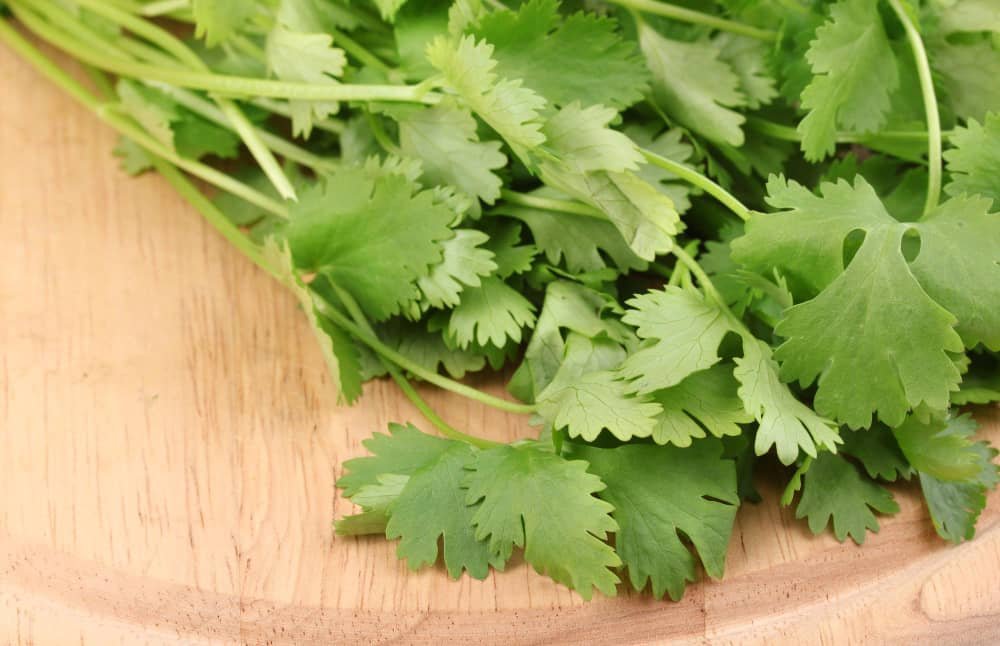
Interesting Facts About Cilantro
Cilantro has been cultivated and eaten for thousands of years, and there is much more to this familiar green herb than its role as a garnish.
Some People Think Cilantro Tastes Like Soap
One of the most unusual things about cilantro is how differently people perceive its flavor. While many describe it as fresh, citrusy, and slightly peppery, others say it tastes distinctly like soap.
This reaction isn’t simply a matter of preference. Research suggests that genetic differences in odor receptors can influence how strongly people detect certain aldehydes in cilantro’s aroma. Some of these compounds have odor characteristics that can also be associated with soaps and cleaning products.
Genetics isn’t the only factor involved, though. Culture, familiarity, and repeated exposure may also influence whether someone enjoys cilantro.
Cilantro and Coriander Come From the Same Plant
Fresh cilantro leaves and coriander seeds may taste very different, but they come from the same species, Coriandrum sativum.
The leaves have a fresh, bright flavor, while the mature dried fruits commonly called coriander seeds are warmer, earthier, and slightly citrusy. This allows one plant to provide two very different ingredients for the kitchen.
The Entire Cilantro Plant Is Useful
The leaves aren’t the only edible part of cilantro. Tender stems can be chopped along with the leaves, while the roots are valued in some Southeast Asian cuisines for their concentrated flavor.
When cilantro flowers, its small blooms can also provide food for visiting pollinators and other beneficial insects. After flowering, the plant produces the fruits used as coriander spice or saved for future planting.
Cilantro Has a Very Long Culinary History
Coriander has been known since ancient times and has a long history of culinary and traditional use across parts of Europe, North Africa, the Middle East, and Asia.
Over time, the plant became incorporated into an enormous range of culinary traditions. Today, cilantro or coriander can be found in everything from Mexican salsa and Indian chutney to Thai curry and Middle Eastern herb preparations.
Cilantro Prefers Cool Weather
Despite its association with many warm-climate cuisines, cilantro itself generally performs best as a cool-season herb.
As temperatures rise and days become longer, the plant tends to bolt, producing flowers and eventually coriander seeds. Gardeners can take advantage of this natural cycle by harvesting the leaves during cooler weather and allowing selected plants to produce coriander later in the season.
Frequently Asked Questions About Cilantro
Is Cilantro the Same as Coriander?
Yes. Cilantro and coriander come from the same plant, Coriandrum sativum. In the United States, cilantro generally refers to the fresh leaves and stems, while coriander usually refers to the dried fruits commonly called seeds. In other countries, the leaves may simply be called coriander or fresh coriander.
Can You Eat Cilantro Every Day?
For most people, cilantro can be enjoyed regularly in normal food amounts as part of a varied diet. It works well in salads, sauces, soups, tacos, curries, beans, rice dishes, and many other foods.
People with a cilantro or coriander allergy or those with specific medication concerns should follow advice from their healthcare professional.
Are Cilantro Stems Edible?
Yes. The tender stems are edible and have plenty of cilantro flavor. Instead of throwing them away, finely chop the stems along with the leaves for salsa, sauces, soups, curries, and other dishes.
The thicker lower stems may be more fibrous, so whether you use them depends on the recipe and your preferred texture.
Can Cilantro Detox the Body?
There isn’t sufficient clinical evidence to conclude that eating cilantro detoxifies the human body or effectively removes heavy metals.
Although Coriandrum sativum has been investigated in laboratory and animal research, cilantro shouldn’t be used as a substitute for medical testing or treatment for suspected heavy-metal exposure.
Why Does Cilantro Taste Like Soap to Some People?
Genetics appears to be one reason. Variations in genes involved in detecting odors can make some people particularly sensitive to aldehydes responsible for part of cilantro’s distinctive aroma.
Personal experience, cultural exposure, and familiarity with cilantro may also influence how its flavor is perceived.
Can You Eat Cilantro Flowers?
Cilantro flowers are edible and have a milder flavor than the leaves. They can be used as an attractive garnish for salads and other dishes.
Leaving some flowers on garden plants can also benefit visiting insects and allows the plant to continue developing coriander fruits for harvesting.
Does Cilantro Grow Back After Cutting?
Cilantro can continue producing leaves after a light harvest as long as enough healthy growth remains. Harvesting the larger outer stems while leaving the central growth intact can extend the harvest.
However, cilantro is an annual plant and will eventually bolt, flower, produce seeds, and complete its life cycle.
Is Cilantro Better Raw or Cooked?
It depends on how you’re using it. Raw cilantro has a bright, fresh aroma that works especially well in salsa, salads, garnishes, and sauces. Cooking makes the flavor much milder, so if you want cilantro to stand out, add it toward the end of cooking or just before serving.
Cilantro: A Flavorful Herb Worth Growing and Enjoying
Cilantro is much more than a finishing garnish. The fresh leaves and stems bring a bright, distinctive flavor to dishes from around the world, while the same plant produces coriander, a spice with its own unique culinary uses.
Fresh cilantro also provides vitamin K, carotenoids, and other naturally occurring plant compounds. Research has explored Coriandrum sativum for antioxidant, antimicrobial, metabolic, and other potential effects, but many health claims still require stronger human evidence. In particular, cilantro shouldn’t be viewed as a proven treatment for disease or as a reliable way to remove heavy metals from the body.
For most people, the best reason to use cilantro is also the simplest: it is a flavorful herb that can add variety to a balanced diet. Try it in salsa, salads, sauces, curries, soups, rice dishes, marinades, or fresh herb mixtures.
Cilantro is also rewarding to grow at home. Planting during cooler weather, providing consistent moisture, and sowing new seeds every few weeks can help extend your supply of fresh leaves. When the plants eventually flower, you can even allow them to mature and harvest coriander for the kitchen or seeds for your next planting.
Cilantro is a versatile herb worth exploring—from its distinctive flavor and global culinary history to its nutrition and potential health benefits. You can also explore herbs such as rosemary, nettle, and meadowsweet in our growing herbal library.
References
- Wei JN, Liu ZH, Zhao YP, et al. (2019). Phytochemical and bioactive profile of Coriandrum sativum L. Food Chemistry, 286, 260–267.
- Laribi B, Kouki K, M’Hamdi M, Bettaieb T. (2015). Coriander (Coriandrum sativum L.) and its bioactive constituents. Fitoterapia, 103, 9–26.
- Mahleyuddin NN, Moshawih S, Ming LC, et al. (2022). Coriandrum sativum L.: A Review on Ethnopharmacology, Phytochemistry, and Cardiovascular Benefits. Molecules, 27(1), 209.
- Foudah AI, Alqarni MH, Alam A, et al. (2021). Evaluation of the composition and in vitro antimicrobial, antioxidant, and anti-inflammatory activities of Cilantro (Coriandrum sativum L. leaves). Saudi Journal of Biological Sciences, 28(6), 3461–3468.
- Kubo I, Fujita KI, Kubo A, Nihei KI, Ogura T. (2004). Antibacterial activity of coriander volatile compounds against Salmonella choleraesuis. Journal of Agricultural and Food Chemistry, 52(11), 3329–3332.
- Eriksson N, Wu S, Do CB, et al. (2012). A genetic variant near olfactory receptor genes influences cilantro preference. Flavour, 1, 22.
- Utah State University Extension. Cilantro/Coriander in the Garden.
- Utah State University Extension. Fruit and Vegetable Guide Series: Cilantro.