 By hw9he
Sage benefits extend beyond this herb’s familiar role in the kitchen. Sage (Salvia officinalis) is an aromatic perennial known for its soft gray-green leaves, earthy flavor, and long history of culinary and traditional use. Native to the Mediterranean region, sage belongs to the mint family (Lamiaceae) and has become a familiar herb in kitchens and gardens around the world.
While sage is especially popular in savory dishes, its uses extend well beyond cooking. For centuries, different cultures have prepared sage as teas and other traditional herbal preparations. Today, researchers are also studying naturally occurring compounds in sage, including rosmarinic acid, flavonoids, and aromatic compounds found in its essential oil, for their potential antioxidant and other biological activities.
Fresh or dried sage can add a distinctive flavor to roasted vegetables, soups, sauces, stuffing, poultry, and other dishes. The plant is also relatively easy to grow, making it a useful addition to a sunny herb garden.
In this guide, you’ll learn more about sage herb benefits, traditional uses, different types of sage, culinary uses, growing and harvesting tips, and important safety considerations when using sage.
What Is Sage?
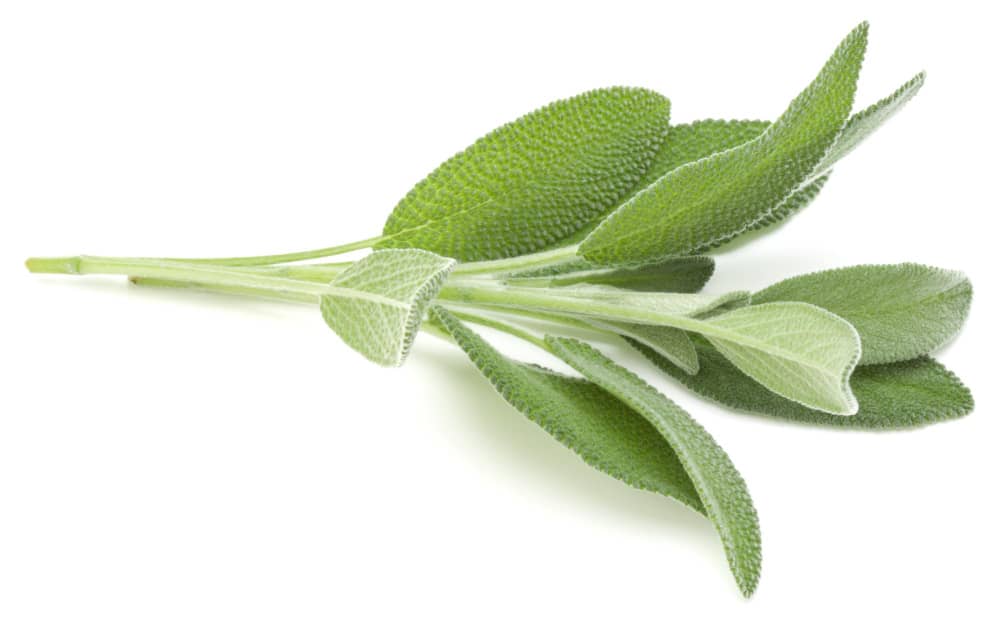
Sage (Salvia officinalis) is a perennial evergreen herb belonging to the mint family, Lamiaceae. Native to the Mediterranean region, it has been cultivated for centuries and is now grown in gardens throughout many parts of the world.
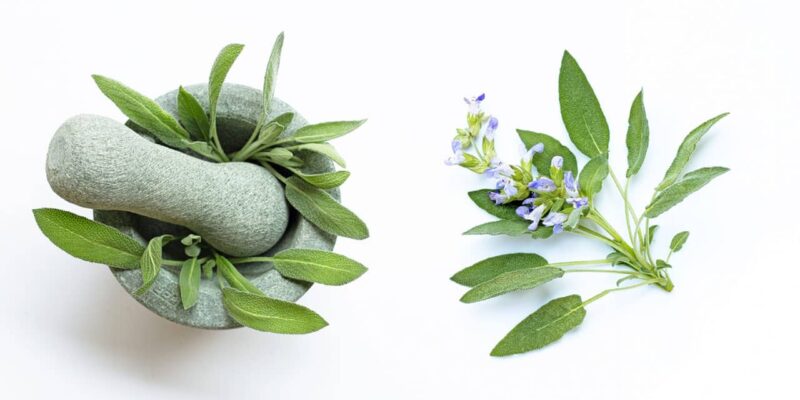
The plant is easy to recognize by its soft, gray-green leaves, woody stems, and small flowers that may appear purple, blue, pink, or white depending on the variety. Its leaves contain aromatic compounds that give sage its distinctive earthy, slightly peppery flavor and strong fragrance.
Common sage, also called garden sage or culinary sage, is the variety most often used in cooking. Both fresh and dried leaves can season foods, while sage has also traditionally been prepared as an herbal tea and used in various herbal practices.
Sage contains several naturally occurring plant compounds, including rosmarinic acid, flavonoids, and volatile compounds found in its essential oil. These compounds have attracted scientific interest for their antioxidant and other potential biological properties, although the strength of evidence varies depending on the specific health use.
Beyond its traditional uses, sage is a popular garden herb because it is aromatic, relatively drought-tolerant once established, and attractive to pollinators when flowering. With the right growing conditions, a single sage plant can continue producing flavorful leaves for several years.
History and Traditional Uses of Sage
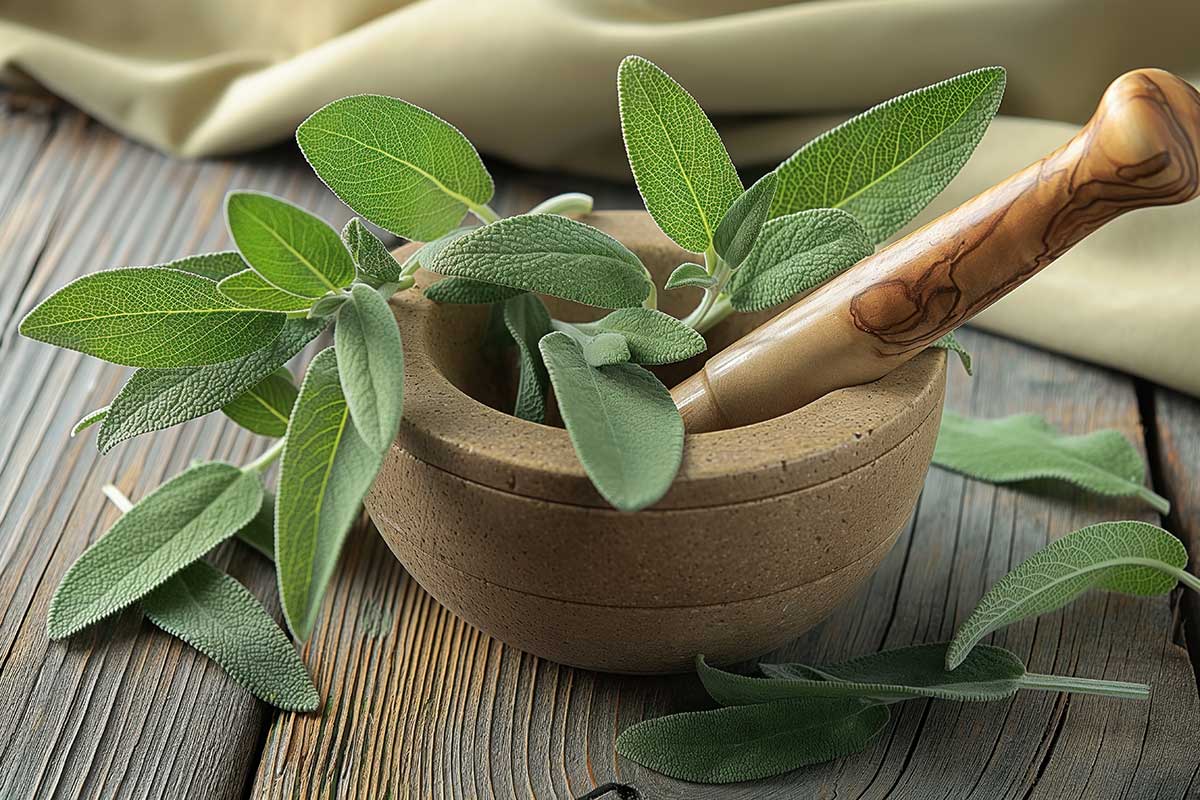
Sage has a long history that reaches back thousands of years. Native to the Mediterranean region, common sage (Salvia officinalis) became valued not only as a culinary herb but also as a plant used in traditional herbal practices.
The name Salvia comes from the Latin word salvere, meaning “to be well” or “to save,” reflecting the reputation sage developed in traditional European herbalism. Ancient Greek and Roman writers described sage for a variety of purposes, and the plant eventually became an important herb in monastery and household gardens throughout Europe.
Traditionally, sage leaves were prepared in teas, infusions, gargles, and culinary preparations. They were used for concerns ranging from digestive discomfort to excessive perspiration and irritation of the mouth and throat. These historical uses are important for understanding sage’s place in herbal medicine, although traditional use alone does not prove that a remedy is effective.
Sage also became firmly established in European cooking. Its strong, savory flavor paired particularly well with rich foods, meats, breads, and stuffings. As European culinary traditions spread, sage became familiar in many other parts of the world and remains a popular kitchen herb today.
It is also important to distinguish common culinary sage (Salvia officinalis) from other plants called sage. The Salvia genus contains hundreds of species with different chemical compositions and traditional uses, so research or historical practices involving one species should not automatically be applied to another.
Botanical Characteristics of Sage
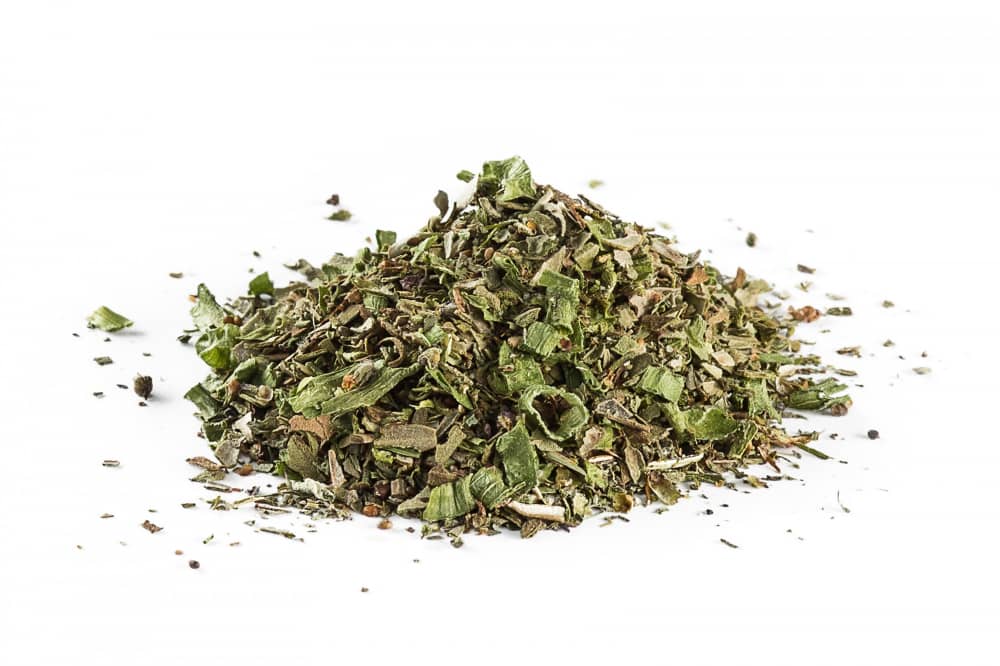
Common sage (Salvia officinalis) is a perennial, evergreen subshrub in the mint family (Lamiaceae). In suitable growing conditions, it develops woody stems and forms a compact, bushy plant that commonly reaches about 1 to 2 feet in height and width.
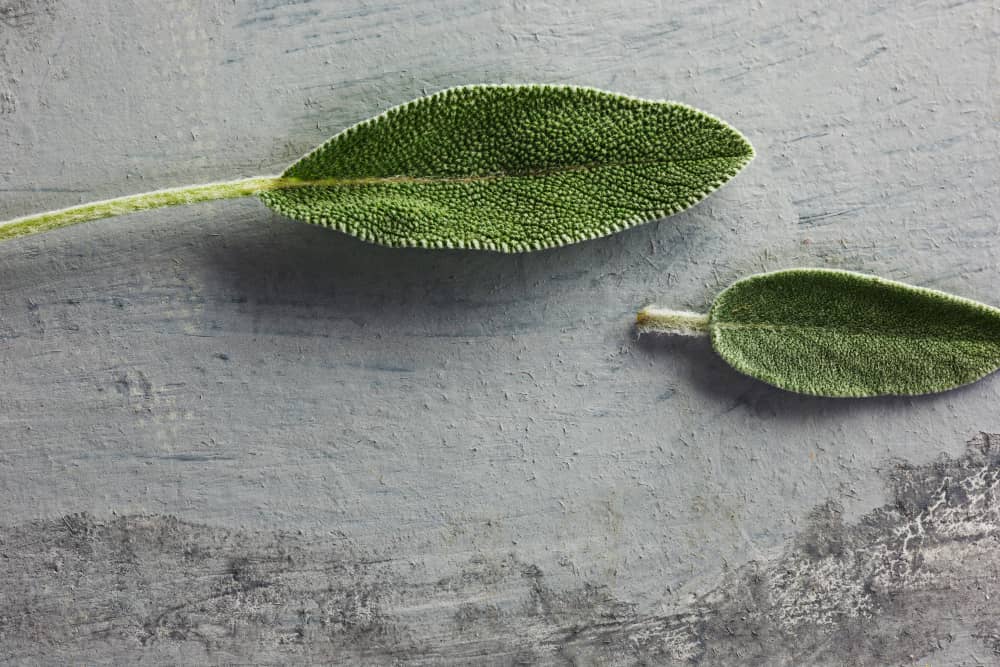
One of sage’s most recognizable features is its foliage. The elongated leaves are typically gray-green with a soft, slightly fuzzy surface. Tiny hairs give the leaves their characteristic velvety texture, while aromatic compounds produce the strong fragrance associated with culinary sage.
During late spring and summer, established sage plants produce spikes of small flowers that are commonly purple or blue-violet, although some cultivars may produce pink or white blooms. These flowers can attract bees and other pollinating insects, making sage useful in herb gardens as well as pollinator-friendly plantings.
Sage grows best in full sun and well-drained soil. Like many herbs native to Mediterranean climates, it generally performs better when the soil is allowed to dry somewhat between waterings rather than remaining consistently wet. Once established, sage can tolerate relatively dry conditions.
The leaves are the part most commonly harvested for culinary and traditional herbal use. They can be used fresh or dried, although drying concentrates the herb’s aroma and flavor, so dried sage is usually used in smaller amounts when cooking.
Plant Compounds Found in Sage
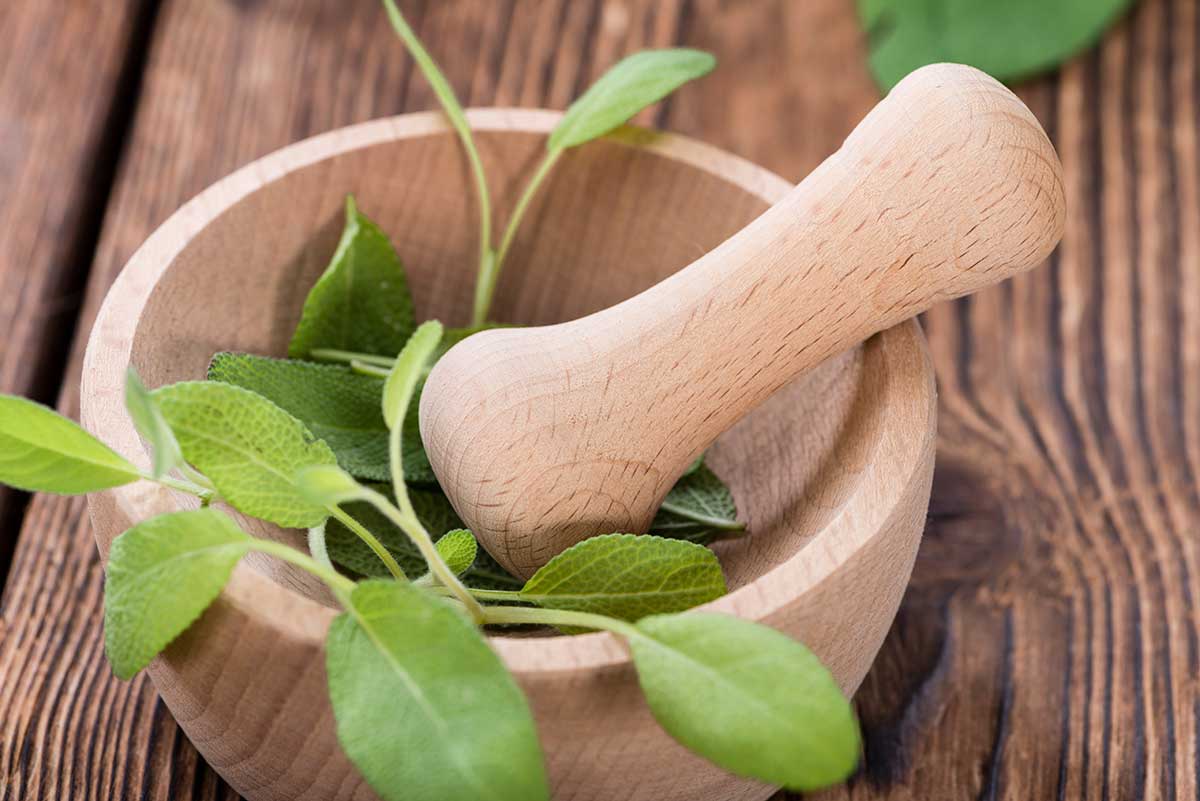
Sage contains a variety of naturally occurring plant compounds that contribute to its aroma, flavor, and potential biological activity. The exact composition can vary depending on the sage species, growing conditions, harvest time, and whether fresh leaves, dried leaves, extracts, or essential oil are being studied.
Common sage (Salvia officinalis) contains polyphenols and flavonoids, including compounds such as rosmarinic acid. Researchers are particularly interested in these compounds because many show antioxidant activity in laboratory studies, including the ability to interact with unstable molecules known as free radicals.
Sage leaves also contain an aromatic essential oil made up of volatile compounds. Depending on the plant and preparation, these may include 1,8-cineole, camphor, borneol, and thujone, among others. These compounds are partly responsible for sage’s characteristic fragrance and have also been investigated for various biological effects.
However, the presence of a beneficial compound does not necessarily mean that eating sage will produce the same effects observed with concentrated extracts or isolated compounds in laboratory studies. Culinary sage, sage tea, supplements, extracts, and sage essential oil can differ considerably in concentration and should not be treated as interchangeable.
This distinction is especially important with sage essential oil because it is far more concentrated than the amount of sage normally consumed as food. Some sage species and preparations can contain significant amounts of thujone, making appropriate dosing and safety considerations particularly important.
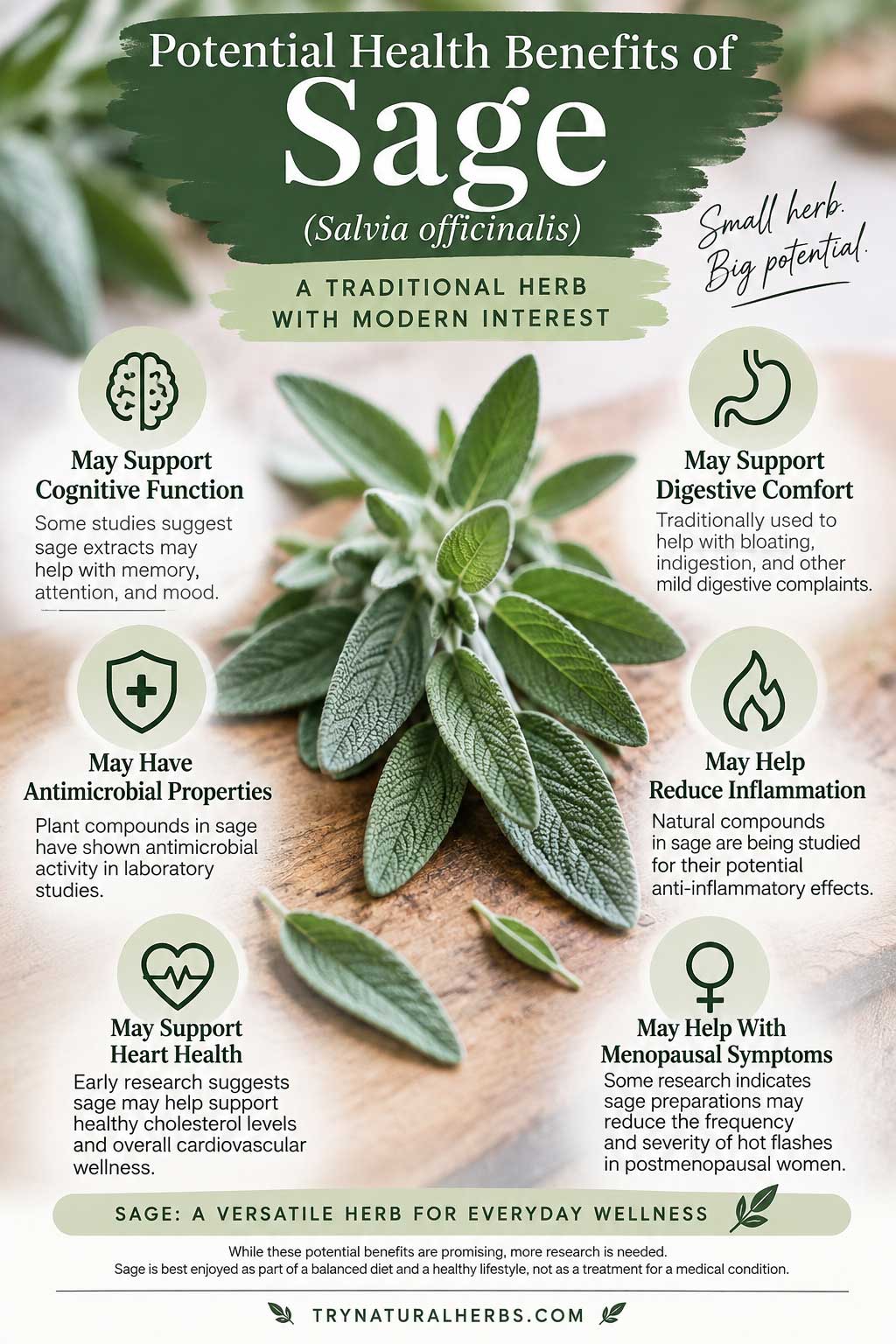
Potential Health Benefits of Sage
Sage has been used in traditional herbal practices for centuries, and modern research has begun examining some of the compounds that may contribute to its potential health effects. Studies have investigated sage for areas including cognitive function, antioxidant activity, digestive health, oral health, and menopausal symptoms.
However, the evidence is not equally strong for every proposed benefit. Some findings come from laboratory or animal studies, while human studies may involve concentrated sage extracts rather than the amounts normally consumed in food. So while sage is an interesting subject of ongoing research, it is best enjoyed as a culinary and traditional herb rather than relied on as a treatment for a medical condition.
Sage has been used in traditional herbal practices for centuries. If you’re interested in how herbs have traditionally been incorporated into wellness practices, see our guide to herbal medicine basics.
May Support Cognitive Function
One of the more interesting areas of sage research involves memory, attention, and cognitive performance. Certain compounds found in Salvia species have been studied for their effects on chemical pathways involved in brain function.
Small human studies using sage extracts have reported improvements in certain measures of memory, attention, or mood. Researchers have also investigated sage compounds for their potential effects on acetylcholine, a neurotransmitter involved in learning and memory.
These findings are promising, but they do not mean that adding culinary sage to a meal will noticeably improve memory. More research is needed to determine which preparations, doses, and populations are most likely to benefit.
Provides Antioxidant Plant Compounds
Sage contains polyphenols and other compounds with antioxidant activity, including rosmarinic acid and several flavonoids. Antioxidants help protect cells from oxidative damage caused by reactive molecules produced through normal metabolism and environmental exposures.
Laboratory studies demonstrate antioxidant activity in sage extracts, but the effects observed with concentrated preparations should not automatically be interpreted as the effects of eating ordinary amounts of sage.
Including sage as one of many herbs, vegetables, fruits, and other plant foods can nevertheless contribute to a varied diet containing naturally occurring antioxidant compounds.
May Support Digestive Comfort
According to the European Medicines Agency, sage leaf has a history of traditional use for mild digestive complaints, including bloating and heartburn. Herbal preparations made from sage leaves have historically been used for concerns such as mild indigestion, bloating, and digestive discomfort.
Sage is one of many plants traditionally used for everyday wellness. You can explore more examples in our guide to natural herbs that can help with everyday ailments.
Some of sage’s aromatic and bitter compounds may influence digestive processes, but modern human research in this area is still limited. As a result, it is more accurate to describe digestive support as a traditional use of sage rather than a well-established medical benefit.
Sage can still be enjoyed in food or as an herbal tea, but persistent or severe digestive symptoms deserve proper medical evaluation.
May Support Oral and Throat Health
Sage also has a long history of use in preparations intended for the mouth and throat. Traditionally, sage infusions have been used as gargles or rinses for minor irritation of the mouth and throat.
Laboratory research suggests that compounds found in sage may have antimicrobial and anti-inflammatory activity. These properties may help explain some of its traditional applications, although laboratory findings do not necessarily translate directly into clinical benefits.
Sage should not replace appropriate dental or medical treatment for persistent mouth pain, infections, severe sore throat, or other ongoing symptoms.
May Help With Some Menopausal Symptoms
Sage has also been studied for its potential role in managing certain menopausal symptoms, particularly hot flashes and excessive sweating.
Clinical research on sage and menopausal hot flashes has reported potentially beneficial effects, although the evidence remains limited. However, studies have used specific sage products and extracts, making it difficult to determine whether ordinary sage tea or culinary sage would provide comparable effects.
More high-quality research is needed before firm conclusions can be made. Anyone considering concentrated sage supplements for menopausal symptoms should discuss their use with a healthcare professional, particularly when taking medications or managing an existing health condition.
May Support Healthy Cholesterol Levels
Sage has also been investigated for its potential effects on cholesterol and other blood lipids. Early research is interesting, but the evidence remains limited.
Some small human studies involving sage tea or sage preparations have reported changes in total cholesterol, LDL (“bad”) cholesterol, HDL (“good”) cholesterol, and triglycerides. Researchers have suggested that naturally occurring compounds in sage may contribute to these effects, but larger and longer-term clinical trials are needed to confirm the findings.
Sage should therefore not be considered a treatment for high cholesterol or a substitute for prescribed medication, dietary changes, physical activity, or other recommendations from a healthcare professional.
May Have Antimicrobial Properties
Certain compounds found in sage have demonstrated antibacterial and antifungal activity in laboratory studies. Sage essential oil and extracts have been tested against various microorganisms, which has contributed to scientific interest in the herb’s traditional use for oral and topical preparations.
However, laboratory antimicrobial activity does not mean that sage can treat an infection in the human body. The concentrations used in laboratory experiments may be very different from those obtained by drinking sage tea or eating the herb.
For everyday use, sage is best appreciated as a flavorful culinary herb with interesting antimicrobial compounds rather than as a replacement for appropriate treatment of bacterial or fungal infections.
May Help Support a Healthy Inflammatory Response
Sage contains compounds such as rosmarinic acid and other polyphenols that have demonstrated anti-inflammatory activity in laboratory and preclinical research.
Inflammation is a normal part of the body’s immune response, but researchers are interested in how plant compounds such as those found in sage may influence inflammatory pathways. While laboratory findings are encouraging, there is not enough evidence to conclude that consuming sage can prevent or treat inflammatory diseases.
Using sage alongside a varied diet rich in vegetables, fruits, whole grains, legumes, herbs, and spices is a practical way to enjoy its plant compounds without relying on the herb as a medical treatment.
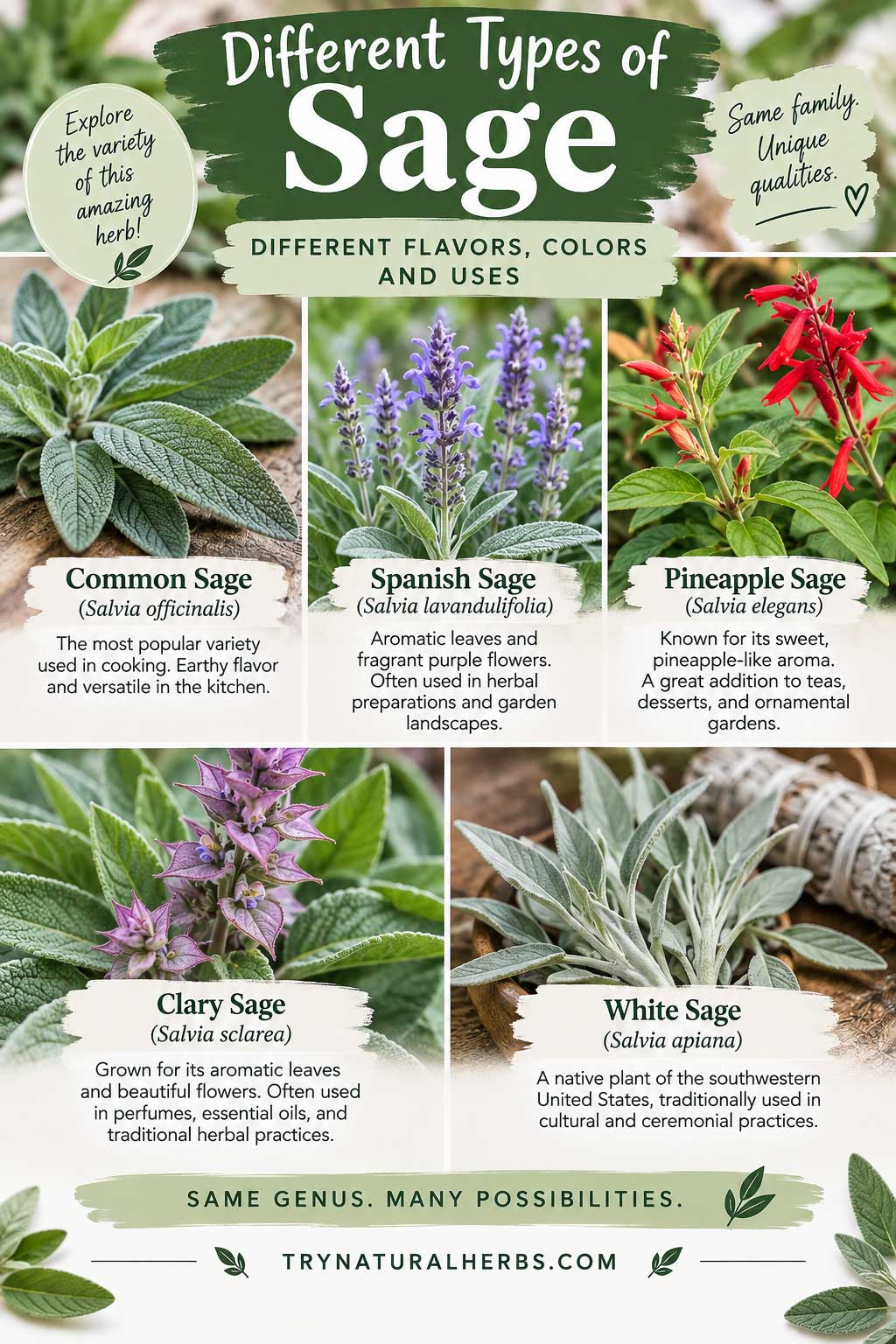
Different Types of Sage
The name sage is used for many plants within the Salvia genus, which contains hundreds of species. Although these plants are related, they can differ considerably in their appearance, aroma, chemical composition, and traditional uses.
When a recipe or herbal guide simply says “sage,” it usually means common sage (Salvia officinalis). Other sage species may be grown primarily for their flowers, fragrance, ornamental value, or specific traditional uses.
Common Sage
Common sage (Salvia officinalis), also called garden sage or culinary sage, is the familiar gray-green herb found in gardens and grocery stores. It has a strong, earthy flavor that works particularly well in savory dishes.
Common sage is the variety typically used for stuffing, roasted vegetables, poultry, pork, sauces, soups, herb butters, and sage tea. Much of the research concerning the traditional uses and potential health properties of sage also focuses on this species.
Pineapple Sage
Pineapple sage (Salvia elegans) is easily recognized by the fruity, pineapple-like fragrance released when its leaves are crushed. Unlike the heavier flavor of common sage, pineapple sage has a lighter aroma that works well in teas, fruit dishes, beverages, and garnishes.
The plant also produces striking red flowers that are attractive to hummingbirds and other pollinators, making it popular in ornamental and pollinator gardens.
Clary Sage
Clary sage (Salvia sclarea) is an aromatic species best known for its use in fragrances, cosmetics, and aromatherapy products. Its essential oil has a distinctive herbaceous, slightly sweet scent.
Clary sage should not be assumed to have the same properties or uses as common culinary sage. Products made from its concentrated essential oil also require different safety considerations than using ordinary sage leaves in food.
Spanish Sage
Spanish sage (Salvia lavandulifolia) is another Mediterranean species with aromatic leaves and essential oils. It has been investigated in research involving cognition and other potential biological effects.
This distinction matters when reading studies about “sage,” because research involving Spanish sage cannot automatically be applied to Salvia officinalis or other species.
White Sage
White sage (Salvia apiana) is native to parts of the southwestern United States and northwestern Mexico. It has important cultural and ceremonial significance for several Indigenous peoples.
White sage is different from the common sage typically used in European-style cooking. Because increasing commercial demand has raised concerns about wild harvesting and cultural appropriation, consumers interested in white sage should consider its source and avoid products made from plants harvested irresponsibly from wild populations.
Ornamental Sage
Many other Salvia species and cultivars are grown primarily for their colorful flowers rather than for culinary use. They can be valuable garden plants because their blooms provide nectar for bees, butterflies, hummingbirds, and other pollinators.
Because not every ornamental Salvia is intended for consumption, gardeners should positively identify the species and variety before using unfamiliar sage leaves in food or herbal preparations.

How to Use Sage in Cooking
Sage has a strong, earthy, slightly peppery flavor that can transform simple ingredients into deeply savory dishes. Because its flavor is more pronounced than many delicate herbs, a relatively small amount is often enough.
Both fresh and dried sage can be used in cooking, although they behave somewhat differently. Fresh sage leaves have a softer, more aromatic flavor, while dried sage tends to be more concentrated. When substituting dried sage for fresh, start with a smaller amount and adjust according to taste.
Foods That Pair Well With Sage
Sage works especially well with rich, savory ingredients. Its distinctive flavor complements chicken, turkey, pork, sausage, beans, squash, potatoes, mushrooms, and root vegetables.
It also pairs naturally with other Mediterranean herbs. Combining sage with thyme or rosemary can create a flavorful herb blend for roasted vegetables, poultry, soups, and marinades.
Sage is particularly popular in autumn and winter dishes. It is a classic ingredient in stuffing and dressing, and its earthy character pairs especially well with pumpkin, butternut squash, sweet potatoes, and browned butter.
Fresh Sage vs. Dried Sage
Fresh sage can be chopped finely and added toward the end of cooking when you want to preserve more of its aroma. Whole leaves can also be cooked in butter or olive oil until crisp and used as a flavorful garnish.
Dried sage has a stronger, more concentrated taste and works well in slow-cooked dishes, soups, stews, sauces, and seasoning blends. Ground sage is particularly potent, so it is best added gradually.
As a general kitchen guideline, you can start with roughly one-third as much dried sage as fresh sage when making a substitution, then adjust the amount according to the recipe and your preference.
Make Sage-Infused Butter or Oil
One of the simplest ways to showcase fresh sage is to gently cook the leaves in butter. As the butter warms, it absorbs sage’s aroma and develops a rich, savory flavor.
Brown butter and sage is a classic combination that works especially well with pasta, gnocchi, squash, ravioli, potatoes, and roasted vegetables.
Sage can also be infused into cooking oil. When making homemade herb-infused oils, however, proper food-safety practices are important because fresh herbs stored in oil can create conditions that allow harmful bacteria to grow. Keep homemade fresh-herb oils refrigerated and avoid storing them at room temperature.
Use Sage as a Flavoring for Roasted Foods
Fresh sage leaves or chopped sage can be added to vegetables, poultry, and meats before roasting. Heat releases the herb’s aromatic compounds and allows its flavor to blend with the other ingredients.
For a simple combination, toss potatoes, squash, carrots, or other root vegetables with olive oil, sage, black pepper, and a small amount of salt before roasting.
Because sage has such a distinctive flavor, it is usually better to begin with a modest amount. You can always add more, but too much sage can overpower the other flavors in a dish.

How to Make Sage Tea
Sage tea is a simple herbal infusion made by steeping fresh or dried sage leaves in hot water. It has an earthy, aromatic flavor that can be somewhat strong on its own, so many people enjoy it with lemon, honey, or other herbs.
Sage tea has a long history of traditional use, particularly for digestive comfort and minor mouth or throat irritation. Modern research has investigated several compounds found in sage, but drinking sage tea should not be considered a treatment for a medical condition.
Simple Sage Tea Recipe
To prepare a basic cup of sage tea:
- Bring about 1 cup (8 ounces) of water to a boil.
- Add approximately 1 teaspoon of dried sage leaves or several fresh sage leaves to a cup or tea infuser.
- Pour the hot water over the sage.
- Cover and allow it to steep for about 5 to 10 minutes.
- Strain out the leaves before drinking.
- Add lemon or a small amount of honey if desired.
A shorter steep produces a milder tea, while leaving the leaves in longer creates a stronger and sometimes slightly bitter flavor.
Sage Tea Flavor Combinations
Sage can also be combined with other herbs and ingredients to create different flavors. Popular additions include lemon, ginger, mint, thyme, rosemary, or honey.
Because sage has a powerful aroma, start with a small amount when blending it with other herbs so it doesn’t overpower the other flavors.
Can You Drink Sage Tea Every Day?
Occasional sage tea is very different from drinking large amounts of strong sage tea every day. Sage naturally contains compounds including thujone, and concentrations can vary among species, products, and preparations.
For this reason, drinking very large quantities of strong sage tea or using concentrated sage products for extended periods is not necessarily the same as occasionally enjoying sage as a culinary herb.
People who are pregnant or breastfeeding, take medications, have a medical condition, or plan to use sage regularly in concentrated amounts should discuss herbal preparations with an appropriate healthcare professional.
Sage essential oil is considerably more concentrated than sage tea and should not be treated as an interchangeable substitute for an herbal infusion.
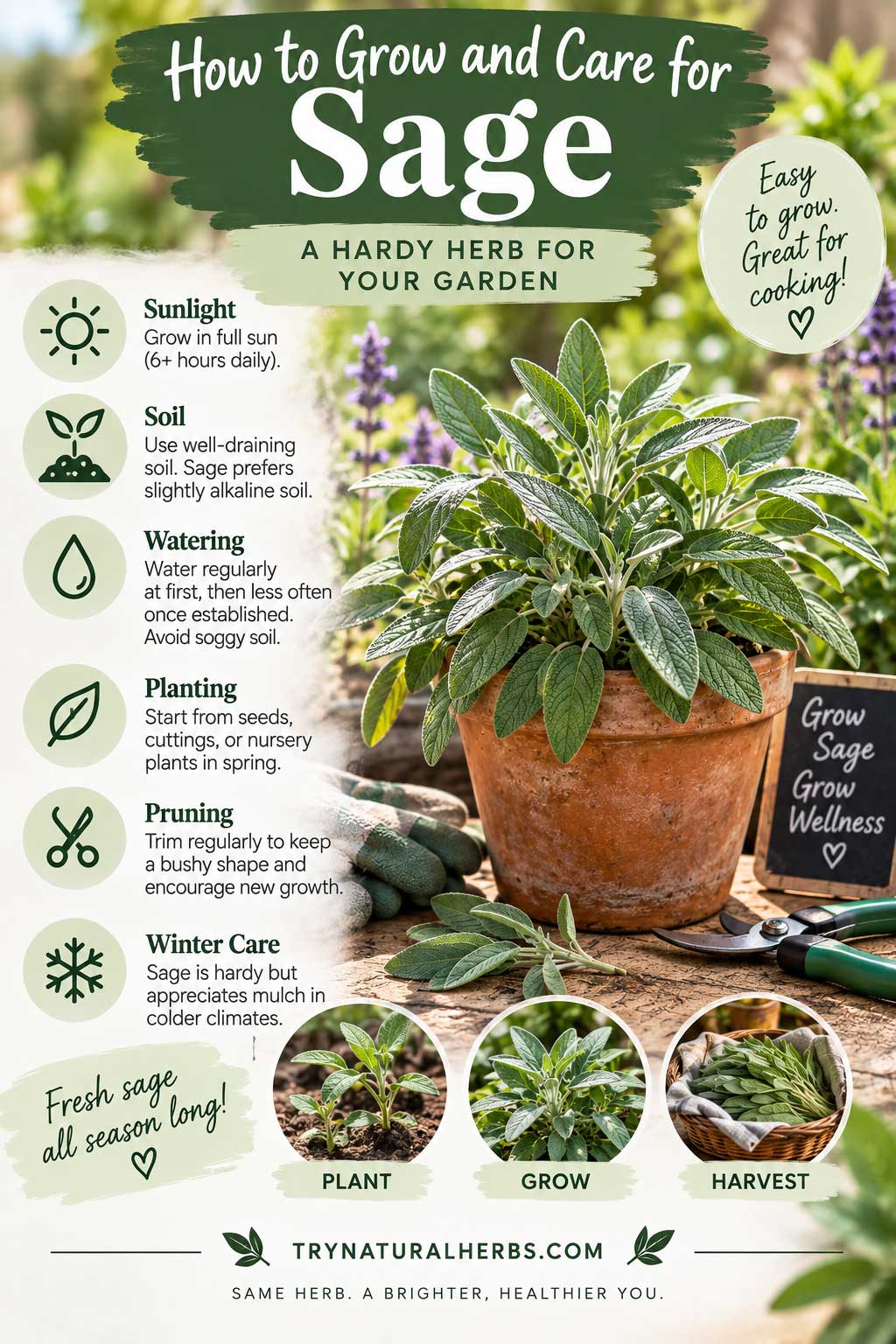
How to Grow and Care for Sage
Sage is a relatively low-maintenance perennial herb once established. Because common sage (Salvia officinalis) originated in the Mediterranean region, it generally prefers plenty of sunlight, good drainage, and soil that is not constantly wet.
Choose a Sunny Location
Sage grows best in full sun, ideally receiving at least six hours of direct sunlight each day. Plants grown in insufficient light may become thin or leggy and typically produce less vigorous growth.
In very hot climates, some afternoon shade may be beneficial, but in most temperate gardens, a sunny location is preferable.
Plant Sage in Well-Drained Soil
Good drainage is particularly important when growing sage. The plant generally performs poorly in soil that remains wet for long periods, which can contribute to root problems.
If your garden has heavy or poorly draining soil, consider growing sage in a raised bed or container where moisture levels are easier to control.
When growing sage in a pot, choose a container with drainage holes and use a well-draining potting mix.
Avoid Overwatering
Newly planted sage needs regular moisture while its roots become established. Once mature, however, sage is relatively drought tolerant compared with many common garden plants.
Allow the upper portion of the soil to begin drying before watering again rather than watering automatically on a fixed schedule.
Yellowing leaves, weak growth, or consistently wet soil may indicate that the plant is receiving too much water.
Prune Sage to Encourage Healthy Growth
As sage matures, its stems gradually become woody. Light pruning helps maintain a compact shape and encourages the plant to produce fresh growth.
In spring, remove dead or damaged growth and lightly trim established plants as new growth begins. Avoid cutting an older plant severely into completely bare woody stems, since it may not readily produce new shoots from old wood.
You can also trim the plant throughout the growing season when harvesting leaves.
Growing Sage in Containers
Sage grows well in containers, making it a practical herb for patios, balconies, and small gardens.
Choose a container large enough for the root system to develop and make sure excess water can drain freely. Place the pot in a sunny location and check the soil regularly, since container-grown plants can dry out faster than plants growing directly in the ground.
Container growing also makes it easier to move sage into a more protected location during periods of unusually severe weather.
Sage Flowers and Pollinators
Allowing some stems to flower can make sage a useful addition to a pollinator-friendly herb garden. Its small flowers provide nectar that can attract bees and other beneficial insects.
If your main goal is producing culinary leaves, you can harvest regularly and trim flower stems as needed. Alternatively, allow part of the plant to bloom for pollinators while continuing to harvest leaves from other stems.
With adequate sunlight, careful watering, and occasional pruning, sage can become a long-lived and productive herb in the home garden.
How to Harvest and Store Sage
Once a sage plant is established, you can harvest its leaves throughout much of the growing season. Regular harvesting can also encourage fresh growth and help keep the plant compact rather than allowing it to become excessively woody.
How to Harvest Fresh Sage
For everyday cooking, simply snip individual leaves or small sprigs from the plant as needed. Use clean scissors or garden pruners to avoid damaging the stems.
For a larger harvest, cut young, leafy stems while leaving enough healthy growth on the plant to continue developing. Avoid removing too much of the plant at one time, particularly from young or recently established sage.
Sage leaves can be harvested throughout the growing season, although their aroma may be particularly noticeable before the plant produces large numbers of flowers.
How to Store Fresh Sage
Fresh sage can be kept in the refrigerator for short-term use. One simple method is to gently wrap the leaves or sprigs in a slightly damp paper towel and place them inside a container or reusable storage bag.
Avoid washing sage until you are ready to use it unless you can dry the leaves thoroughly before storage. Excess moisture can encourage deterioration.
For the best flavor and texture, use fresh sage relatively soon after harvesting.
How to Dry Sage
Drying is one of the easiest ways to preserve sage for longer storage.
Small bundles of stems can be tied together and hung in a dry, well-ventilated location away from direct sunlight. You can also remove the leaves and dry them in a single layer using an appropriate food dehydrator.
The leaves are sufficiently dry when they feel crisp and crumble easily rather than bending.
Once completely dried, remove the leaves from the stems and store them in an airtight container away from heat, moisture, and direct light.
For the strongest aroma and flavor, it is often better to store dried sage leaves relatively whole and crush them shortly before cooking.
Can You Freeze Sage?
Fresh sage can also be frozen. Wash the leaves if necessary, dry them thoroughly, and place them in a freezer-safe container or bag.
Another convenient method is to chop sage and freeze small portions in an ice cube tray with water or cooking oil for later use in soups, sauces, and cooked dishes.
Frozen sage may lose some of the texture of freshly harvested leaves, but it can still work well in recipes where the herb will be cooked.
When Should You Replace Dried Sage?
Properly dried herbs can remain usable for quite some time, but their aroma and flavor gradually weaken during storage.
Instead of relying only on a date, crush a small amount of dried sage between your fingers and smell it. If very little aroma remains, replacing it will usually give your cooking a noticeably better flavor.
Labeling home-dried sage with the harvest or drying date can also make it easier to rotate your herb supply and use the oldest batches first.
Other Uses of Sage
Although sage is best known as a culinary herb, it has also been used in traditional herbal preparations, personal-care products, aromatherapy, and cultural practices. These uses can involve very different forms of the plant, so it is important to distinguish ordinary sage leaves from concentrated extracts and essential oils.
Sage in Herbal Preparations
Dried sage leaves have traditionally been prepared as teas, infusions, gargles, and rinses. These preparations have been used for purposes ranging from digestive comfort to soothing minor irritation of the mouth and throat.
Traditional use does not necessarily mean that every claimed benefit has been confirmed through modern clinical research. The preparation and concentration of sage can also make a substantial difference.
Sage in Skincare and Personal-Care Products
Sage extracts and essential oil can be found in some soaps, deodorants, shampoos, mouth-care products, and natural cosmetics. Their strong aroma makes sage useful as a fragrance ingredient, while naturally occurring compounds in sage have also been investigated for their antimicrobial, antioxidant, and anti-inflammatory properties.
These characteristics have contributed to sage’s use in products designed to support healthy-looking skin. However, evidence for many specific cosmetic benefits remains limited, and claims that sage can stimulate hair growth or treat particular skin conditions should not be considered established without stronger clinical evidence.
Sage essential oil is highly concentrated and may irritate the skin in some people, so products containing it should be appropriately diluted and used according to reliable safety instructions.
Sage in Aromatherapy
The distinctive herbal aroma of sage has also led to its use in aromatherapy and fragrance products.
Common sage essential oil and clary sage essential oil are not the same product. They come from different Salvia species and contain different proportions of aromatic compounds, so their uses and safety considerations should not automatically be treated as interchangeable.
Sage in Cultural and Ceremonial Practices
Different sage species have also played roles in cultural and spiritual traditions.
In particular, white sage (Salvia apiana) has significant ceremonial importance to several Indigenous peoples of North America. Burning white sage has become increasingly commercialized outside these traditions, sometimes under the general term “smudging.”
These practices have specific cultural meanings and histories and should not be treated simply as another household use for sage.
Anyone purchasing white sage should also consider how it was sourced. Choosing ethically cultivated plants rather than irresponsibly wild-harvested material can help reduce pressure on wild populations.
Sage as an Ornamental Garden Plant
Sage can also be valuable simply as a garden plant. Many culinary and ornamental Salvia varieties produce attractive flowers that provide food for bees, butterflies, hummingbirds, and other pollinators.
This makes sage a useful choice for gardeners who want a plant that can provide culinary herbs while also adding fragrance, flowers, and ecological value to the garden.
Sage Safety, Side Effects, and Precautions
Sage used in the small amounts normally found in food is generally considered safe for most people. However, concentrated sage preparations, supplements, strong teas, and essential oils can expose the body to much larger amounts of active plant compounds and require greater caution.
Thujone in Sage
Common sage (Salvia officinalis) naturally contains thujone, a compound found in its essential oil. The amount of thujone can vary according to the sage species, growing conditions, harvest time, and preparation method.
Very high exposure to thujone can be toxic, particularly to the nervous system. This is one reason concentrated sage essential oil should not be treated the same way as culinary sage leaves.
Using ordinary amounts of sage as a seasoning is very different from consuming concentrated extracts or essential oils.
Sage Essential Oil Requires Extra Caution
Sage essential oil is highly concentrated. A small bottle contains aromatic compounds at concentrations far beyond what someone would normally consume when eating sage leaves or drinking a mild herbal infusion.
Essential oils should not automatically be considered safe to swallow simply because they come from plants. Oral use of sage essential oil may present risks and should not be attempted without appropriate professional guidance.
Essential oils can also cause skin irritation or allergic reactions in some people. Products intended for topical use should be appropriately diluted and used according to reliable safety instructions.
Pregnancy and Breastfeeding
Because concentrated sage preparations may contain significant amounts of biologically active compounds, people who are pregnant or breastfeeding should seek professional medical advice before using sage supplements, concentrated extracts, essential oils, or large medicinal quantities.
Medications and Medical Conditions
Herbal products can sometimes affect medications or existing health conditions. Anyone taking prescription medicines or managing a chronic condition should discuss regular use of concentrated sage supplements or extracts with a healthcare professional.
This is particularly important when a supplement is being considered specifically to influence blood sugar, cholesterol, neurological symptoms, or another health measurement that is already being medically managed.
Allergic Reactions
People who are sensitive to sage or related plants in the mint family (Lamiaceae) may experience an allergic reaction.
Stop using a sage product and seek appropriate medical care if symptoms of a significant allergic reaction occur.
Culinary Sage vs. Supplements
The most important distinction is the form and amount being used.
Adding several sage leaves to a meal is not equivalent to taking a concentrated extract, drinking unusually large quantities of strong sage tea, or consuming sage essential oil. Research findings involving one preparation should therefore not automatically be applied to every sage product.
For most people, enjoying sage primarily as a culinary herb is a simple way to incorporate it into the diet without the higher exposures associated with concentrated preparations.
Frequently Asked Questions About Sage
What Is Sage Herb Good For?
Sage is best known as a culinary herb, but it also has a long history of traditional herbal use. Modern research has investigated sage for its antioxidant compounds and potential effects related to cognitive function, menopausal symptoms, oral health, and other areas.
Evidence varies considerably depending on the benefit being studied, so sage should not be viewed as a treatment for medical conditions simply because it has a history of traditional use.
Can You Eat Fresh Sage Leaves?
Yes. Fresh common sage (Salvia officinalis) leaves are edible and can be used to flavor many savory dishes.
Fresh sage works particularly well with poultry, pork, beans, potatoes, squash, pasta, stuffing, and roasted vegetables. Because its flavor can be strong, it is usually best to begin with a small amount.
Is Fresh Sage Better Than Dried Sage?
Neither is necessarily better—they simply work differently in recipes.
Fresh sage has a more aromatic and somewhat softer flavor, while dried sage is more concentrated. Fresh leaves are excellent for frying, garnishing, and adding to butter or sauces, while dried sage works particularly well in seasoning blends, soups, stews, and slow-cooked dishes.
Can You Make Tea From Fresh Sage?
Yes. Sage tea can be prepared from either fresh or dried sage leaves.
Fresh leaves generally produce a lighter infusion, while dried sage may create a stronger flavor. Lemon or a small amount of honey can be added if you find plain sage tea too earthy or bitter.
Can You Grow Sage Indoors?
Sage can be grown indoors if it receives plenty of bright light and has good drainage. A sunny window may work, although supplemental grow lights can be useful when natural light is insufficient.
Avoid keeping the soil constantly wet. Sage generally prefers the soil to begin drying between waterings.
Does Sage Come Back Every Year?
Common sage is a perennial herb, so established plants can survive for several years where growing conditions and winter temperatures are suitable.
Plants gradually become woody as they age. Regular light pruning and harvesting can help encourage fresh growth, although older plants may eventually become less productive and need replacing.
Are All Types of Sage Edible?
No. The name “sage” is applied to many species and ornamental varieties within the Salvia genus, and they should not all automatically be treated as culinary herbs.
If you plan to eat sage from a garden, make sure the plant has been positively identified as an edible species, such as common culinary sage (Salvia officinalis).
Is Sage the Same as White Sage?
No. Common sage (Salvia officinalis) and white sage (Salvia apiana) are different species.
Common sage is the familiar Mediterranean herb widely used in cooking. White sage is native to parts of North America and has particular cultural and ceremonial importance to several Indigenous peoples.
Can You Eat Sage Every Day?
Using ordinary amounts of culinary sage regularly as part of food is different from consuming large medicinal quantities.
Sage contains naturally occurring compounds such as thujone, so concentrated extracts, essential oils, supplements, and unusually large quantities of strong sage preparations require greater caution than the small amounts normally used to season food.
Is Sage Essential Oil the Same as Sage Leaves?
No. Sage essential oil is far more concentrated than fresh or dried sage leaves. It should not be used in the same amounts or assumed to have the same safety profile as culinary sage.
Sage Herb: A Versatile Addition to the Kitchen and Garden
Sage has earned its place as one of the most recognizable culinary and traditional herbs. From its earthy flavor and fragrant leaves to its long history of herbal use, Salvia officinalis offers much more than a simple seasoning.
Modern research has also taken an interest in sage’s naturally occurring compounds and their potential effects on cognitive function, antioxidant activity, menopausal symptoms, oral health, and other areas. Some findings are promising, but many proposed health benefits still require stronger clinical evidence. The effects of concentrated extracts used in studies should also not be assumed to be the same as those of ordinary culinary sage.
For everyday use, sage is easy to incorporate into roasted vegetables, poultry, soups, sauces, stuffing, herbal teas, and other savory dishes. Gardeners can also grow it at home with relatively little maintenance, provided the plant receives plenty of sunlight and well-drained soil.
Whether you grow fresh sage in your garden, keep dried leaves in your spice cabinet, or occasionally prepare a cup of sage tea, this aromatic herb can be a useful addition to a varied lifestyle.
The key is to distinguish between culinary amounts of sage and concentrated preparations such as supplements, extracts, and essential oils. Used thoughtfully, sage can be enjoyed for its distinctive flavor, gardening value, and fascinating history while keeping its potential health benefits in proper perspective.
References
- European Medicines Agency (EMA). Salvia officinalis L., Folium. — Traditional uses, digestive complaints, mouth/throat use, safety and thujone.
EMA — Sage Leaf - Ghorbani A, Esmaeilizadeh M. (2017). Pharmacological Properties of Salvia officinalis and Its Components. Journal of Traditional and Complementary Medicine. — Excellent general reference for sage compounds, antioxidant, antimicrobial, anti-inflammatory and other researched properties.
PubMed — Salvia officinalis Review - Scholey AB, et al. (2008). An Extract of Salvia (Sage) with Anticholinesterase Properties Improves Memory and Attention in Healthy Older Volunteers. Psychopharmacology. — Supports the cognitive-function section.
PubMed — Sage, Memory and Attention - Moradi M, et al. (2023). The Effect of Salvia officinalis on Hot Flashes in Postmenopausal Women: A Systematic Review and Meta-Analysis. — Supports the menopause/hot-flash section.
PubMed — Sage and Hot Flashes - Kianbakht S, et al. (2011). Antihyperlipidemic Effects of Salvia officinalis L. Leaf Extract in Patients with Hyperlipidemia. Phytotherapy Research. — Supports the cholesterol/lipid section.
PubMed — Sage and Cholesterol