 By Kazim
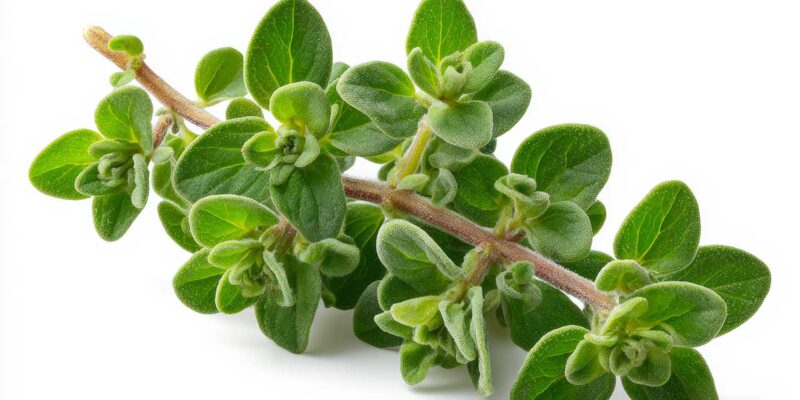
Marjoram (Origanum majorana) is a fragrant Mediterranean herb known for its mild, slightly sweet flavor and long history in traditional herbal practices. Commonly used in soups, sauces, roasted vegetables, and Mediterranean dishes, this aromatic herb has been valued for both its culinary uses and potential wellness benefits.
Marjoram contains antioxidants and aromatic plant compounds that researchers have studied for their biological activity. Some early research has focused on digestion, metabolic health, antimicrobial activity, and other traditional uses, although human evidence for many of these effects remains limited.
In this guide, we’ll explore the health benefits of marjoram, its nutrition profile, active compounds, traditional uses, possible side effects, and how to safely incorporate this versatile herb into your daily routine.
What Is Marjoram?
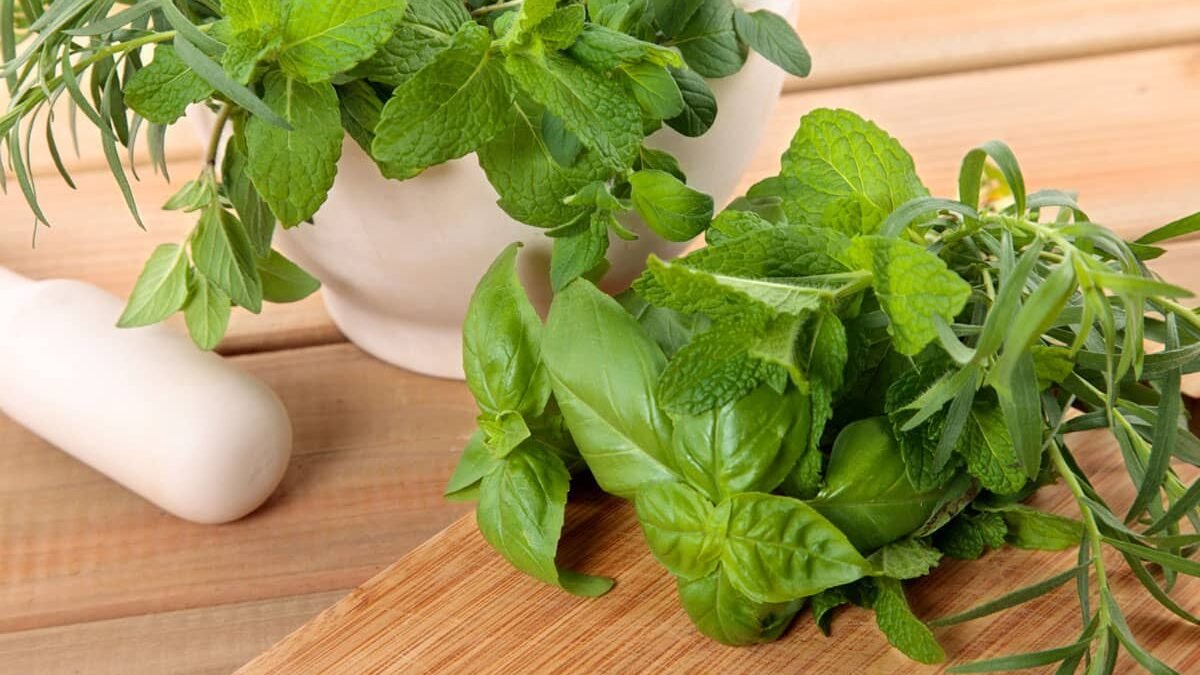
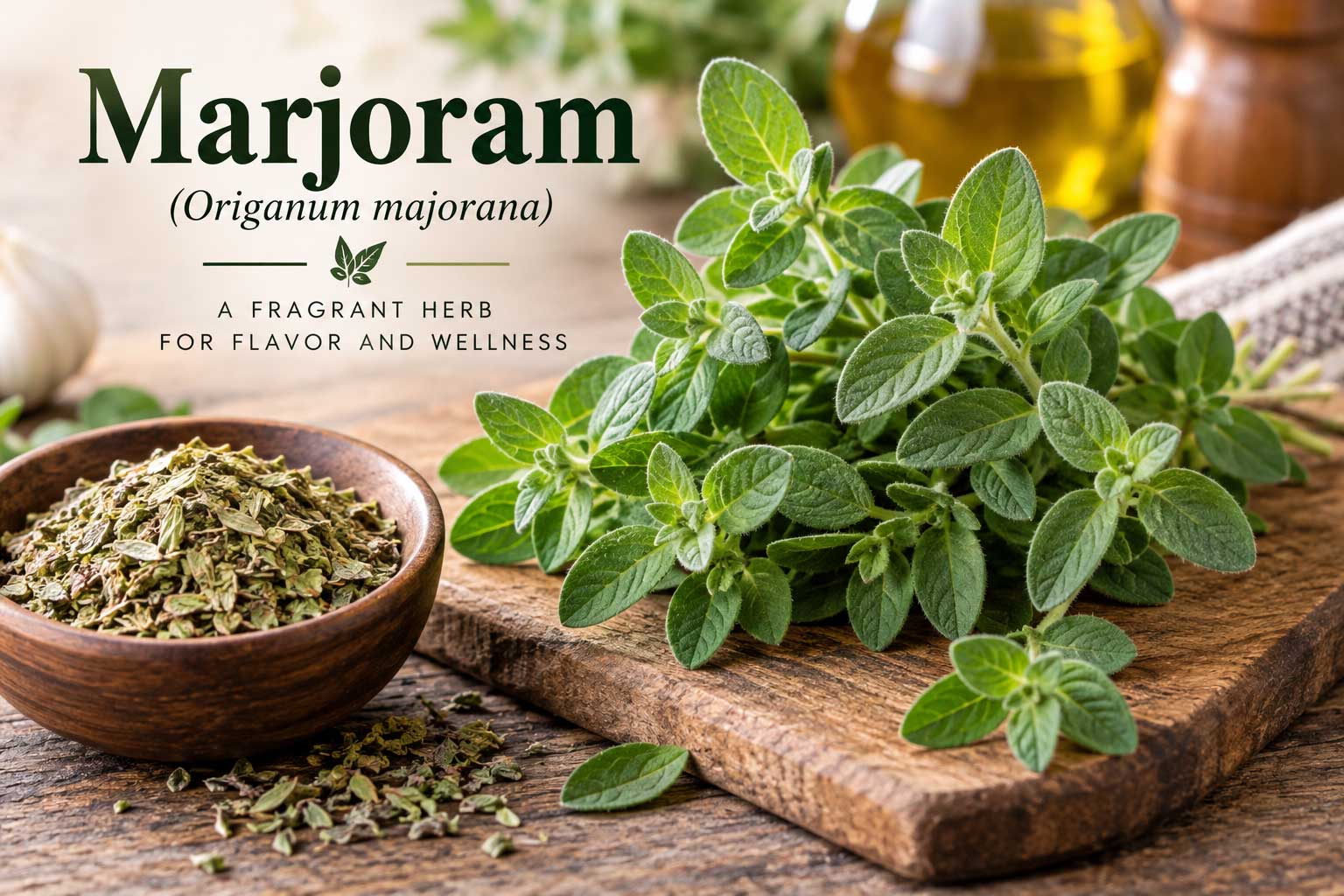
Marjoram (Origanum majorana) is an aromatic Mediterranean herb that belongs to the mint family (Lamiaceae). It is closely related to oregano, thyme, basil, and rosemary. If you’re comparing the two herbs for more than flavor, our guide to oregano benefits takes a closer look at oregano’s traditional uses and research. Unlike the stronger, more peppery taste of oregano, marjoram has a gentler flavor that makes it popular in soups, sauces, roasted vegetables, poultry, fish, and Mediterranean dishes.
Native to the Mediterranean region and parts of Western Asia, marjoram has been cultivated for thousands of years as both a culinary herb and a traditional wellness remedy. Ancient Greeks and Romans valued the plant for its pleasant aroma and symbolic meaning, using it in ceremonies, perfumes, and traditional preparations.
Marjoram leaves contain a variety of beneficial plant compounds, including rosmarinic acid, flavonoids, terpenes, and essential oils. These compounds are being studied for their antioxidant, antimicrobial, and potential anti-inflammatory properties.
Today, marjoram is available in several forms, including:
- Fresh marjoram leaves
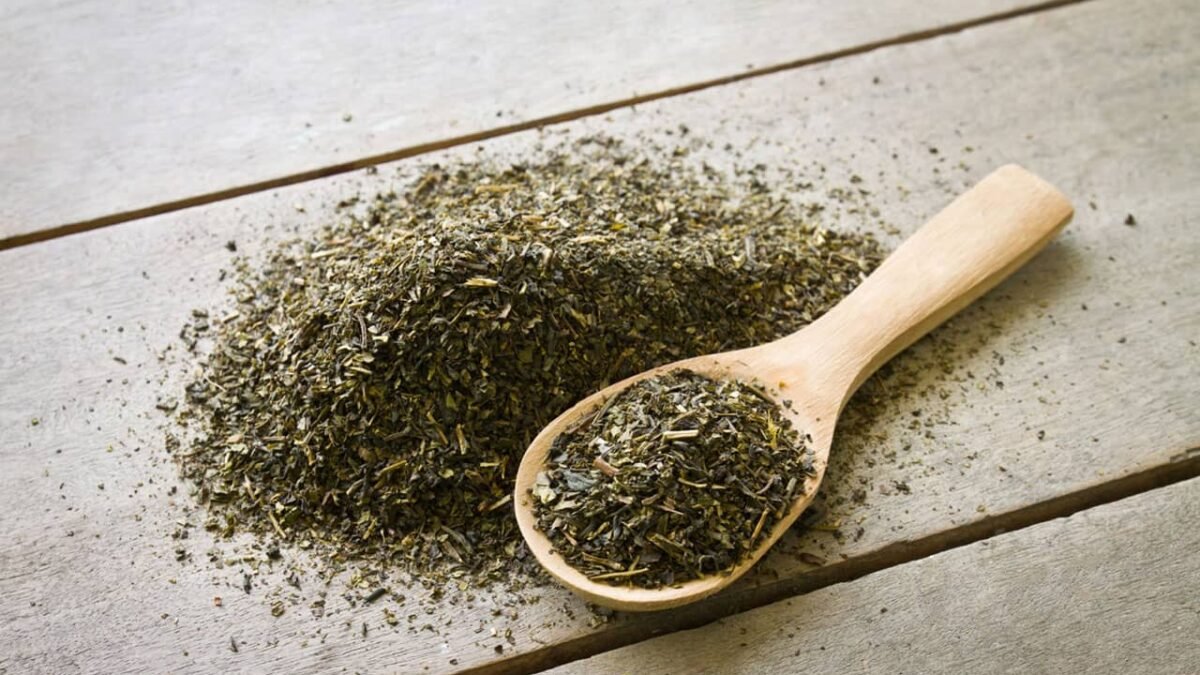
- Dried marjoram seasoning
- Marjoram herbal tea
- Capsules and extracts
- Marjoram essential oil
While culinary amounts of marjoram are generally considered safe for most people, concentrated supplements and essential oils should be used carefully. Research on marjoram’s health effects is still developing, but this flavorful herb continues to be valued for its traditional uses and potential wellness benefits.
History of Marjoram
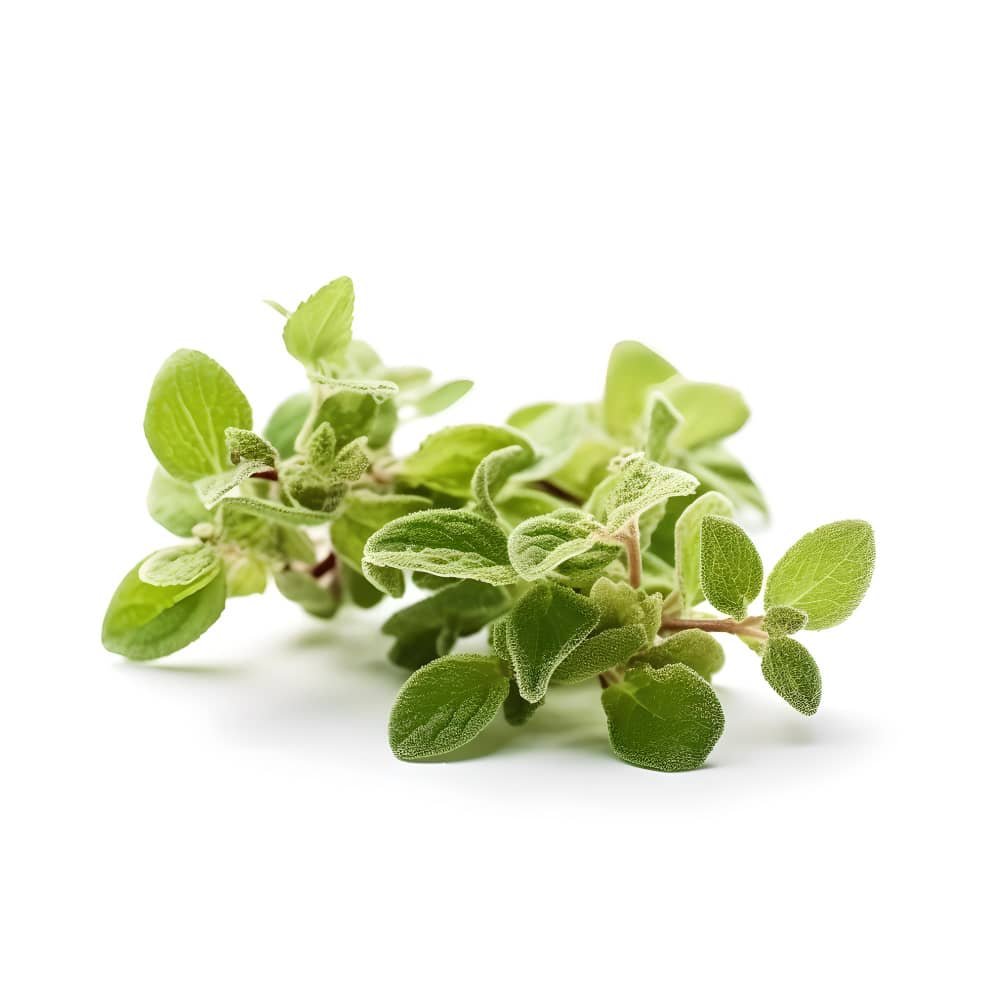
Marjoram (Origanum majorana) has been valued for thousands of years as both a culinary herb and a traditional medicinal plant. Native to the Mediterranean region and parts of Western Asia, the herb was highly regarded by ancient civilizations for its pleasant aroma, flavor, and symbolic meaning.
Ancient Greeks and Romans used marjoram in cooking, perfumes, and ceremonial traditions. Greek physicians and herbalists included it in traditional preparations, while Romans used the herb to flavor foods and create aromatic blends. In Greek culture, marjoram was associated with happiness, love, and peace, and it was sometimes used in wedding garlands and crowns.
Throughout medieval Europe and the Middle East, marjoram continued to be used as a household herb. Traditional healers prepared marjoram teas and herbal remedies to support digestion, relaxation, respiratory comfort, and general wellness.
Today, marjoram remains popular worldwide as a culinary seasoning and herbal ingredient. Modern research has focused on its naturally occurring compounds, including rosmarinic acid, flavonoids, and essential oils, which may contribute to its antioxidant and antimicrobial properties.
While many traditional uses are still being studied scientifically, marjoram’s long history demonstrates its important role in Mediterranean cuisine and herbal traditions.
Marjoram Nutrition Facts
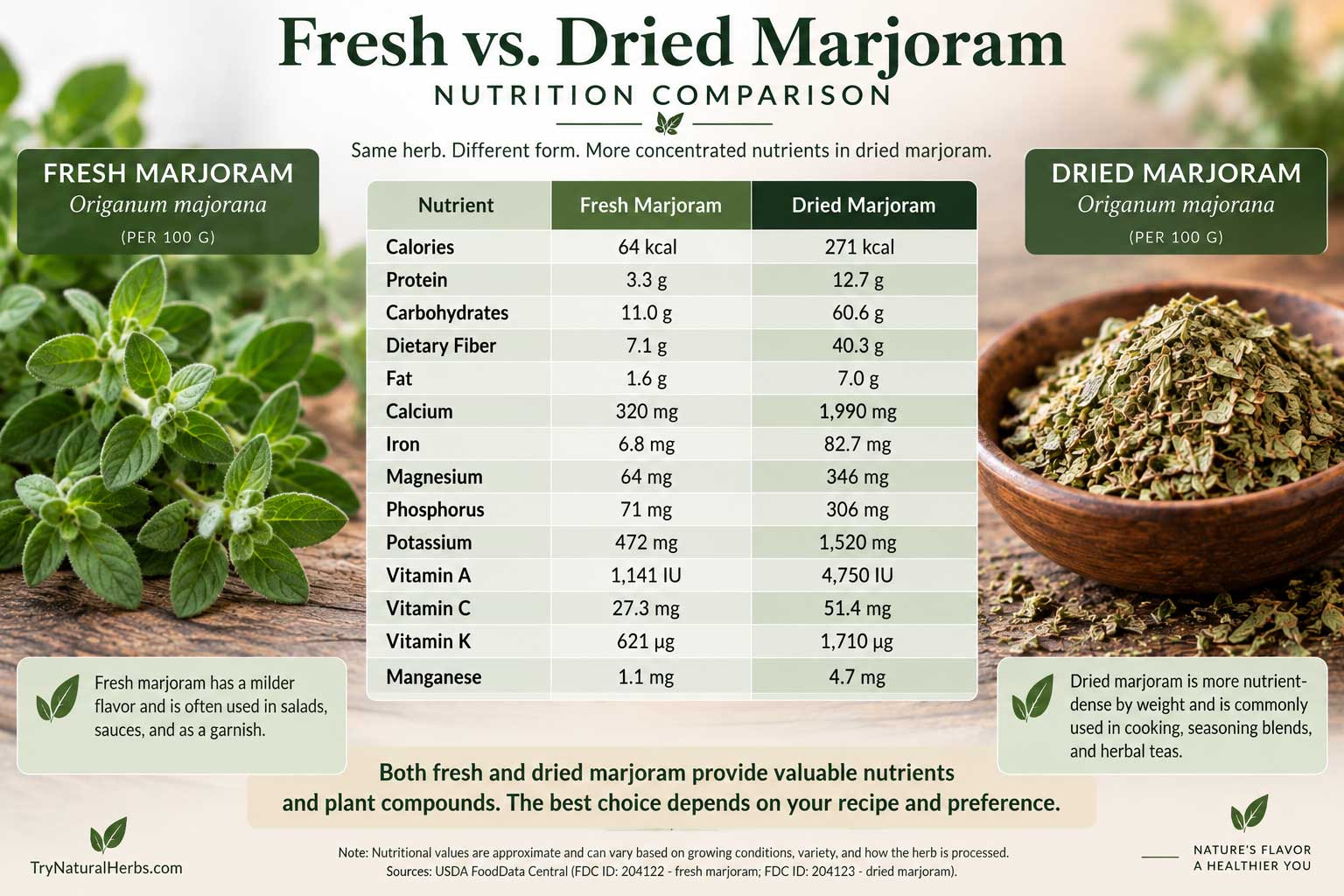
Marjoram is usually eaten in small amounts, so it isn’t a major source of calories, protein, or other macronutrients in a typical serving. However, the herb contains vitamins, minerals, antioxidants, and a variety of naturally occurring plant compounds.
Dried marjoram is especially nutrient-dense by weight because most of its water has been removed. In everyday cooking, though, its biggest nutritional advantage may be simpler: it adds flavor while contributing small amounts of micronutrients and antioxidant compounds.
Nutrition Profile of Dried Marjoram (Per 100 g)
| Nutrient | Amount |
|---|---|
| Calories | 271 kcal |
| Protein | 12.7 g |
| Carbohydrates | 60.6 g |
| Dietary Fiber | 40.3 g |
| Fat | 7.0 g |
| Calcium | 1,990 mg |
| Iron | 82.7 mg |
| Magnesium | 346 mg |
| Phosphorus | 306 mg |
| Potassium | 1,520 mg |
| Vitamin A | 4,750 IU |
| Vitamin C | 51.4 mg |
| Vitamin K | High |
| Manganese | High |
Note: Nutritional values vary depending on whether marjoram is fresh or dried. Dried marjoram contains more concentrated nutrients because water has been removed.
Key Nutrients in Marjoram
Vitamin K
Marjoram is a good source of vitamin K, a nutrient that plays an important role in:
- Normal blood clotting
- Maintaining healthy bones
- Supporting calcium metabolism
Vitamin A
Marjoram contains carotenoids that contribute to vitamin A activity. Vitamin A supports:
- Normal vision
- Immune function
- Healthy skin
- Normal cell growth
Vitamin C
Fresh marjoram provides vitamin C, an antioxidant vitamin that helps:
- Protect cells from oxidative stress
- Support immune function
- Promote collagen formation
- Improve iron absorption
Calcium
Calcium is essential for:
- Strong bones and teeth
- Normal muscle function
- Nerve signaling
While marjoram is not consumed in large enough quantities to replace calcium-rich foods, it can contribute small amounts as part of a varied diet.
Iron
Marjoram contains iron, a mineral needed for:
- Healthy red blood cell production
- Oxygen transport throughout the body
- Normal energy metabolism
Magnesium
Magnesium contributes to:
- Muscle function
- Nervous system health
- Energy production
- Bone maintenance
Manganese
Marjoram is especially rich in manganese, a trace mineral involved in:
- Antioxidant defense systems
- Metabolism
- Connective tissue formation
- Bone health
Antioxidants in Marjoram
Beyond vitamins and minerals, marjoram contains several bioactive compounds that contribute to its health-promoting properties.
Important compounds include:
- Rosmarinic acid
- Carvacrol
- Thymol
- Luteolin
- Apigenin
- Phenolic acids
- Flavonoids
- Terpenes
These compounds help protect plant cells and have demonstrated antioxidant activity in laboratory studies.
Fresh vs. Dried Marjoram Nutrition
Both fresh and dried marjoram can be healthy additions to meals, but their nutritional profiles differ.
Fresh Marjoram
Provides:
- More water content
- More vitamin C
- A lighter flavor
- Fresh herbal aroma
Dried Marjoram
Provides:
- More concentrated minerals
- Stronger flavor
- Higher nutrient density by weight
- Longer shelf life
Because dried herbs are usually used in smaller amounts, their nutritional contribution depends on serving size.
Is Marjoram a Good Source of Nutrients?
Marjoram contains an impressive range of nutrients when measured by weight, particularly in its dried form. In practice, however, most people eat only small amounts at a time.
That means marjoram shouldn’t be relied on as a major source of calcium, iron, magnesium, or vitamins. Its real advantage is that it adds flavor and a variety of plant compounds to meals without adding sugar or much sodium.
Think of marjoram as a useful addition to a varied diet rather than a nutritional supplement.

Active Compounds in Marjoram
Marjoram’s potential health benefits come from its rich combination of naturally occurring plant compounds. These substances give the herb its distinctive aroma, flavor, and biological activity. Researchers have studied marjoram for its antioxidant, antimicrobial, and potential anti-inflammatory properties because of its unique mixture of essential oils, polyphenols, flavonoids, and other bioactive compounds.
A comprehensive review of marjoram’s traditional uses, phytochemistry, toxicology, and pharmacology describes terpenoids, flavonoids, and phenolic acids among its identified bioactive compounds.
Rather than relying on a single active ingredient, marjoram appears to work through the combined effects of many compounds that may support overall wellness.
Rosmarinic Acid
Rosmarinic acid is one of the most important antioxidant compounds found in marjoram. It is a polyphenol also present in other Mediterranean herbs such as rosemary, basil, sage, and lemon balm.
Research suggests rosmarinic acid may help:
- Protect cells from oxidative stress
- Support healthy inflammatory responses
- Contribute to antioxidant defenses
- Support immune function
Its strong antioxidant activity is one reason marjoram is being studied for its potential health effects.
Carvacrol
Carvacrol is an aromatic compound found in marjoram and related herbs such as oregano and thyme. It contributes to the herb’s warm, herbal scent and has been widely studied for its biological activity.
Research on carvacrol suggests it may:
- Provide antioxidant support
- Help inhibit certain microorganisms in laboratory studies
- Support healthy inflammatory pathways
Although laboratory findings are promising, more human research is needed to understand its effects when consumed through food or herbal preparations.
Thymol
Thymol is another important essential oil component found in marjoram. It is responsible for part of the herb’s characteristic aroma and has attracted interest because of its antimicrobial properties.
Potential properties of thymol include:
- Antioxidant activity
- Support for oral health research
- Activity against certain microorganisms in laboratory settings
Thymol is also found in other aromatic herbs, including thyme.
Flavonoids
Marjoram contains several flavonoids, which are plant pigments known for their antioxidant activity.
Important flavonoids found in marjoram include:
- Luteolin
- Apigenin
- Quercetin (in smaller amounts)
Flavonoids may help:
- Protect cells from oxidative damage
- Support cardiovascular wellness
- Maintain healthy inflammatory balance
These compounds are commonly found in many colorful plant foods.
Phenolic Acids
Phenolic acids contribute to marjoram’s antioxidant capacity.
Examples include:
- Caffeic acid
- Ferulic acid
- p-Coumaric acid
These compounds help protect plants from environmental stress and may contribute to the protective effects of herbs in the human diet.
Essential Oils and Terpenes
Marjoram contains a variety of volatile aromatic compounds that create its distinctive fragrance.
Important essential oil components include:
- Terpinen-4-ol
- Linalool
- Sabinene
- Gamma-terpinene
- Alpha-pinene
- Terpinene compounds
These compounds are being studied for their potential antioxidant, antimicrobial, and calming properties.
How These Compounds Work Together
Marjoram’s chemical profile varies depending on the variety, growing conditions, harvest time, and how the herb is processed. Rather than one compound being responsible for all of its potential effects, its overall activity comes from a mixture of phenolic compounds and aromatic oils.
Rosmarinic acid and flavonoids contribute much of the antioxidant activity, while volatile compounds such as terpinen-4-ol help create marjoram’s distinctive aroma and have attracted interest for their antimicrobial properties.
Most research on these compounds has been conducted in laboratory or animal studies. How much they contribute to measurable health benefits when marjoram is eaten in normal amounts is less clear.
Health Benefits of Marjoram
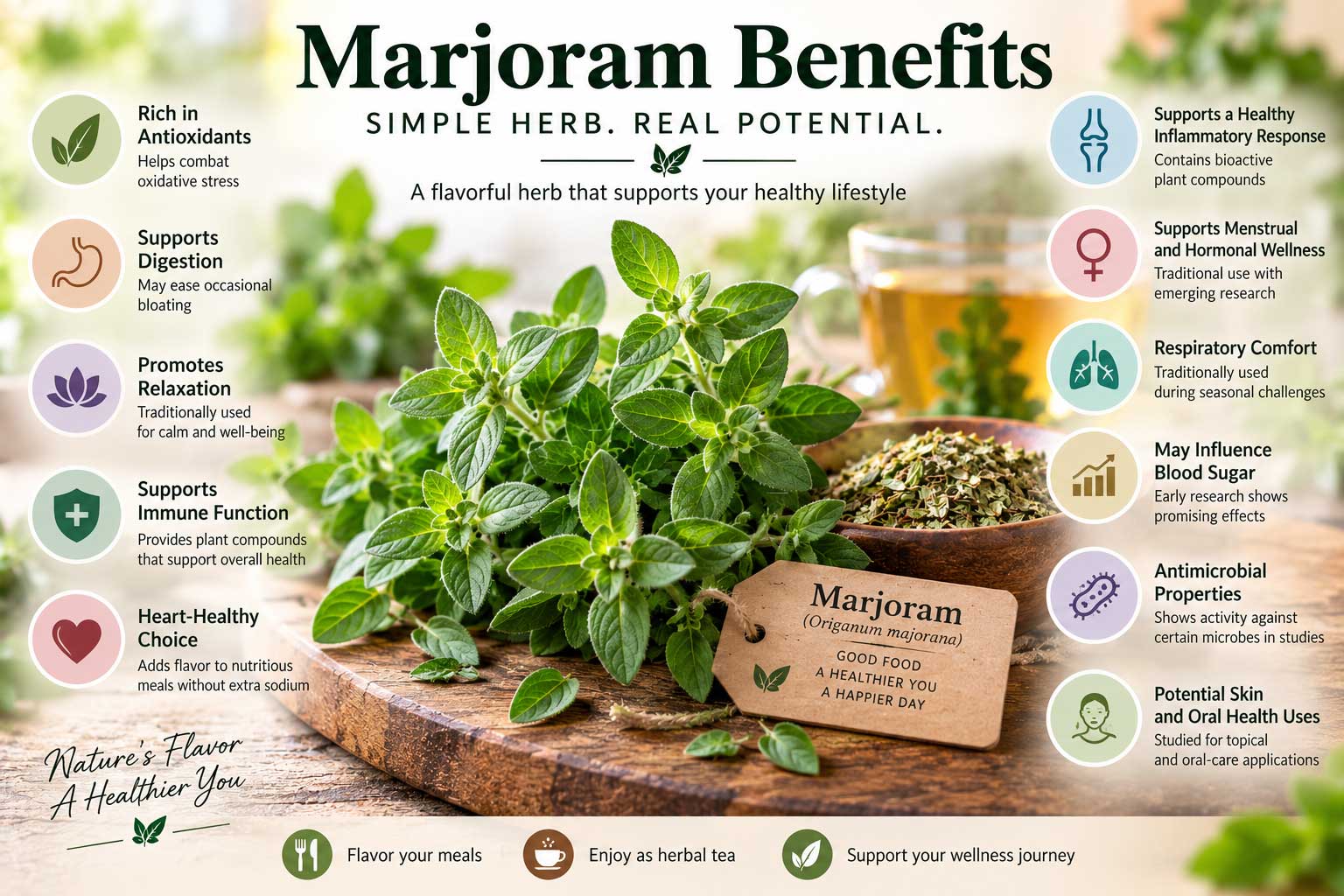
Marjoram has been used traditionally for everything from digestive discomfort to relaxation, but modern research doesn’t support all of those uses equally.
What we do know is that the herb contains a range of antioxidants and aromatic compounds with interesting biological activity. Laboratory studies have explored their antioxidant, antimicrobial, and anti-inflammatory effects, while human research on marjoram itself remains much more limited.
That distinction matters. Some of the benefits below are supported mainly by traditional use or early research, while a few—such as marjoram’s possible effects on insulin sensitivity and hormonal markers in women with PCOS—have been investigated in small human studies.
Here’s what the evidence currently suggests.
1. Rich in Antioxidants
One of marjoram’s clearest nutritional strengths is its antioxidant content. The herb contains rosmarinic acid, flavonoids, phenolic acids, and other compounds that can neutralize free radicals under laboratory conditions.
Free radicals are unstable molecules produced through normal metabolism as well as exposure to environmental factors. When their production overwhelms the body’s antioxidant defenses, oxidative stress can occur.
Laboratory studies have found notable antioxidant activity in marjoram extracts and essential oils. That doesn’t mean sprinkling marjoram over dinner will prevent disease, but it does place the herb among the many plant foods that can contribute antioxidant compounds to the diet.
For everyday use, that’s reason enough to enjoy it. Fresh or dried marjoram can add flavor to vegetables, beans, soups, poultry, fish, and Mediterranean-style dishes without relying heavily on salt or rich sauces.
2. May Help Support a Healthy Inflammatory Response
Some of marjoram’s antioxidant compounds have also shown anti-inflammatory activity in laboratory and animal research.
Rosmarinic acid is particularly interesting because researchers have studied it in several herbs for its effects on oxidative stress and inflammatory signaling. Other compounds in marjoram may contribute as well.
What isn’t clear yet is whether eating marjoram or drinking marjoram tea produces a meaningful anti-inflammatory effect in people. Most of the evidence doesn’t justify treating marjoram as a natural anti-inflammatory medicine.
A better way to look at it is as one of many herbs, spices, vegetables, fruits, nuts, and other plant foods that provide compounds associated with a healthy dietary pattern.
Using marjoram regularly in cooking is an easy way to add those compounds while also making vegetables, legumes, fish, and other nutritious foods more flavorful.
3. May Support Digestion and Ease Occasional Bloating
Marjoram has a long history as a digestive herb. Traditionally, the leaves have been prepared as tea or added to food after heavier meals to ease fullness, gas, and other minor digestive discomforts.
Marjoram is also one of several best herbs for digestion traditionally used after meals.
This traditional use is sometimes described as carminative, meaning an herb is used to help with gas and bloating.
Marjoram’s aromatic oils may contribute to these effects, but clinical research specifically testing the herb for common digestive complaints is limited. Experimental research has investigated Origanum majorana for mechanisms related to intestinal motility and digestive discomfort, although this evidence should not be confused with proof that marjoram treats digestive disease.
It shouldn’t be presented as a treatment for conditions such as irritable bowel syndrome, reflux, ulcers, or other gastrointestinal disorders.
For occasional use, the simplest approach is also the most practical: season beans, vegetables, soups, and stews with marjoram, or enjoy a mild cup of marjoram tea after a meal.
Persistent bloating, abdominal pain, changes in bowel habits, or other recurring digestive symptoms deserve medical evaluation rather than repeated self-treatment with herbs.
4. May Support Menstrual and Hormonal Wellness
Marjoram has a history of traditional use in women’s herbal preparations, but one small modern study has made this area particularly interesting.
Researchers studied marjoram tea in women with polycystic ovary syndrome (PCOS). In the randomized controlled pilot study on marjoram tea and PCOS, 25 participants were assigned to marjoram or placebo tea twice daily for one month. Participants who drank the tea twice daily for one month experienced changes in certain hormonal markers, along with an improvement in a measure of insulin sensitivity.
Those results are promising, but the study was small and short. It doesn’t establish marjoram as a treatment for PCOS, infertility, irregular periods, or menstrual pain.
For most people, marjoram tea is better viewed as a caffeine-free herbal drink rather than a hormone-balancing remedy.
Anyone with PCOS, irregular menstrual cycles, fertility concerns, or another hormonal condition should work with a healthcare professional rather than relying on marjoram alone. Extra caution is also appropriate with concentrated supplements during pregnancy or when trying to conceive.
5. May Provide Respiratory Comfort
Warm marjoram tea has traditionally been used during coughs, colds, and periods of throat discomfort. Part of the appeal is straightforward: a warm, caffeine-free drink can soothe a dry or irritated throat while helping you stay hydrated.
Marjoram also contains aromatic compounds with antimicrobial and antioxidant activity in laboratory studies. Whether those effects translate into meaningful respiratory benefits in people hasn’t been established.
That distinction is important. Marjoram tea may feel comforting when you’re under the weather, but it doesn’t treat respiratory infections.
Some people also enjoy marjoram essential oil in aromatherapy. If you use it this way, follow the diffuser manufacturer’s directions and don’t assume inhaling essential oil will shorten a cold or cure congestion.
Seek medical care for difficulty breathing, chest pain, a persistent or worsening cough, or other concerning respiratory symptoms.
6. May Support Normal Immune Function
Marjoram provides antioxidant compounds that can be part of a diet supporting normal immune function. What it cannot do is “boost” immunity in the way that term is often used in supplement marketing.
A healthy immune system depends on far more than any single herb. Adequate nutrition, sleep, physical activity, stress management, and appropriate medical care all matter.
Marjoram can still earn a place in that picture. Using it to season vegetables, beans, fish, poultry, and soups adds flavor along with small amounts of plant compounds found naturally in the herb.
Laboratory studies have also reported antimicrobial activity from some marjoram extracts and essential oils. Those findings are scientifically interesting, but they don’t mean eating marjoram prevents colds, flu, or other infections.
Enjoy marjoram for what it is: a flavorful herb that fits easily into a varied, plant-rich diet.
7. May Promote Relaxation
Marjoram has traditionally been associated with calm and relaxation, which helps explain its popularity in evening herbal teas and aromatherapy blends.
It can also be paired with other herbs for relaxation when you’re looking for a caffeine-free evening blend.
There isn’t strong clinical evidence showing that marjoram treats insomnia or significantly improves sleep quality. Still, a cup of caffeine-free marjoram tea can make a pleasant part of a nighttime routine.
In this case, the ritual may matter as much as the herb itself. Preparing a warm drink, stepping away from screens, dimming the lights, and following a consistent bedtime routine can all signal that it’s time to wind down.
Marjoram essential oil is also used for its warm, herbaceous aroma. It can be diffused according to product instructions or properly diluted for topical use.
Think of marjoram as something that may complement a relaxing evening—not as a sleep medication or treatment for anxiety or insomnia.
8. May Fit Into a Heart-Healthy Diet
The strongest argument for marjoram and heart health isn’t that the herb directly lowers cholesterol or blood pressure. We don’t have enough human evidence to make those claims.
Its practical advantage is that marjoram adds plenty of flavor without adding sodium, sugar, or saturated fat. Herbs and spices can make it easier to prepare flavorful vegetables, legumes, fish, poultry, and other foods commonly included in heart-healthy eating patterns.
Marjoram also provides antioxidant compounds, although the amount consumed as a seasoning is usually small.
Try it with roasted vegetables, lentil dishes, fish, chicken, tomato sauces, or olive-oil-based marinades. It fits particularly well into Mediterranean-style cooking.
Rather than thinking of marjoram as a heart remedy, think of it as a useful seasoning that can make nutritious meals more interesting.
9. May Influence Blood Sugar and Insulin Sensitivity
Marjoram has attracted interest for its possible effects on glucose metabolism, but human evidence is still very limited.
The most notable clinical evidence comes from a small study involving women with PCOS. Participants who drank marjoram tea twice daily for one month showed an improvement in a measure of insulin sensitivity, along with changes in certain hormonal markers.
That’s interesting, but it isn’t enough to conclude that marjoram lowers blood sugar or treats insulin resistance or diabetes. The study involved a specific group of women and lasted only a short time.
For everyone else, marjoram’s most obvious metabolic advantage is simply that it adds flavor without adding sugar.
If you have diabetes or take insulin or another glucose-lowering medication, talk with your healthcare provider before using concentrated marjoram extracts or supplements specifically to influence blood sugar.
10. May Have Antimicrobial Properties
Marjoram essential oil and extracts have shown activity against certain bacteria and fungi in laboratory studies. Researchers generally attribute much of this activity to the herb’s volatile aromatic compounds.
These findings help explain why marjoram and related herbs have attracted interest in food preservation, oral-care research, and other antimicrobial applications.
There is an important limitation, though: stopping microorganisms in a laboratory dish is very different from treating an infection inside the human body.
Marjoram should never be used as a substitute for antibiotics, antifungal medication, dental treatment, or other appropriate medical care.
For everyday use, there’s no need to chase its antimicrobial effects. Fresh or dried marjoram can simply be enjoyed as a culinary herb, while the laboratory findings remain an interesting area for further research.
11. May Have Potential Topical Uses
Marjoram’s antioxidant and antimicrobial properties have led researchers to explore possible topical applications, particularly its essential oil. Most of this evidence, however, comes from laboratory research rather than clinical skincare trials.
That means claims that marjoram treats acne, eczema, infections, or other skin conditions would go beyond the evidence.
If you use marjoram essential oil on the skin, remember that it is highly concentrated. It should be diluted appropriately in a carrier oil, patch-tested first, and kept away from the eyes and other sensitive areas.
Stop using it if redness, burning, itching, or another reaction develops.
For everyday skin health, proven habits such as sun protection, gentle skincare, good nutrition, and appropriate dermatological treatment matter much more than any essential oil.
12. May Have Potential Oral Health Applications
Some of the aromatic compounds in marjoram have demonstrated antimicrobial activity in laboratory studies, leading to interest in their possible use in oral-care products.
That’s quite different from saying marjoram prevents cavities or treats gum disease. Human evidence specifically showing dental benefits from marjoram is limited.
For most people, the herb’s most obvious oral benefit is much simpler: its fresh, aromatic flavor makes it pleasant in foods and unsweetened herbal tea.
Don’t apply concentrated marjoram essential oil directly to your gums or teeth, and don’t swallow essential oil unless you’re using a product specifically formulated for internal use under appropriate professional guidance.
Brushing with fluoride toothpaste, cleaning between the teeth, limiting frequent sugar exposure, and receiving appropriate dental care remain the foundations of good oral health.
Marjoram Tea Benefits
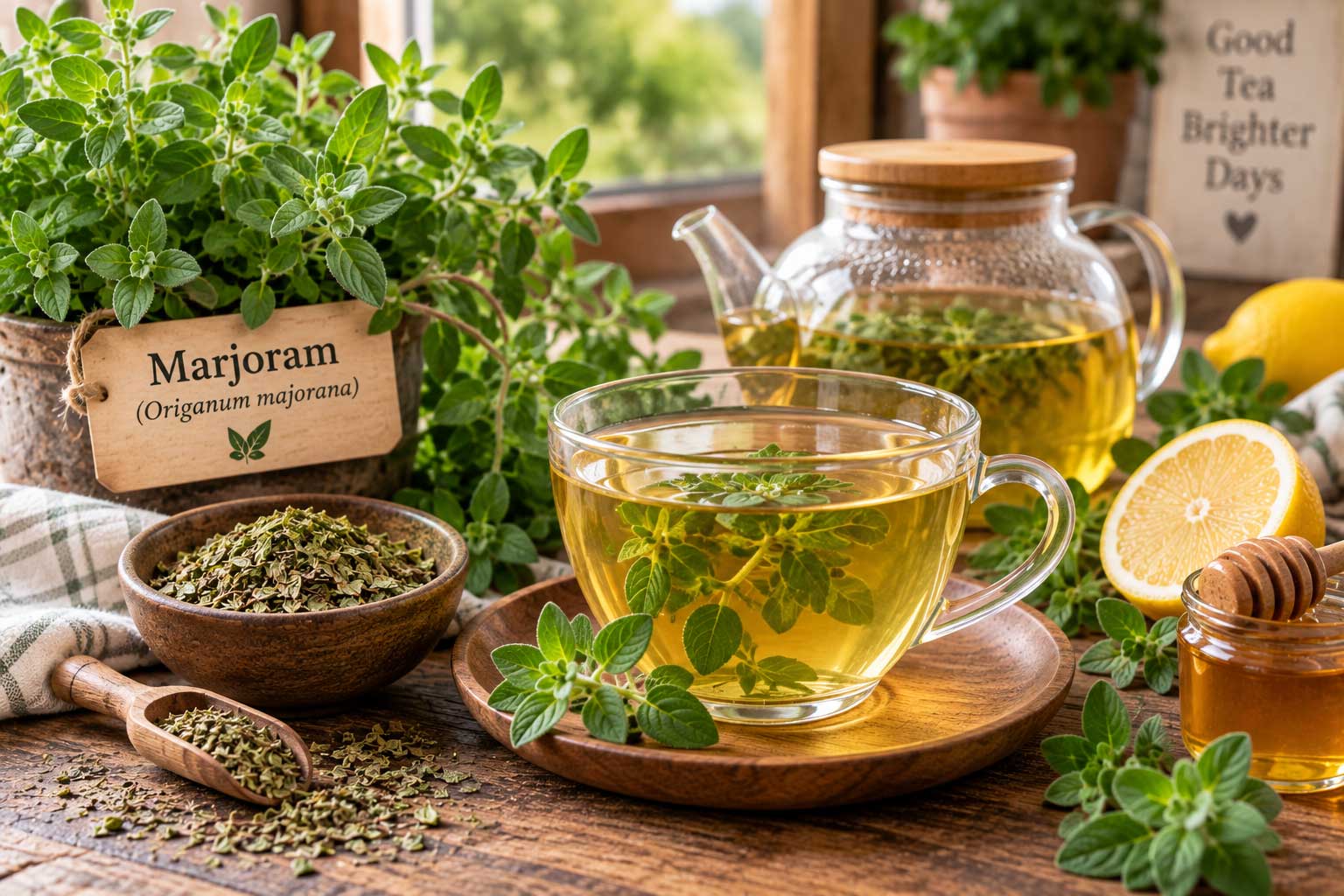
Marjoram tea is a caffeine-free herbal infusion with a mild, slightly sweet and earthy flavor. Traditionally, it has been enjoyed after meals for digestive comfort and in the evening as a relaxing warm drink.
Because the leaves contain polyphenols and aromatic compounds, some of these substances can also be extracted into the water during steeping.
One small clinical study has made marjoram tea particularly interesting. Women with PCOS who drank the tea twice daily for one month experienced changes in certain hormonal markers and a measure of insulin sensitivity. The study was small, however, and doesn’t establish marjoram tea as a treatment for PCOS or other metabolic or hormonal conditions.
For most people, its advantages are simpler. Marjoram tea is naturally caffeine-free, easy to prepare, and can be enjoyed on its own or combined with herbs such as peppermint, chamomile, or lemon balm.
How to Make Marjoram Tea
- Add 1–2 teaspoons of dried marjoram or a small handful of fresh leaves to a cup.
- Pour in about 8 ounces (240 ml) of hot water.
- Cover and steep for 5–10 minutes.
- Strain and taste.
- Add lemon or a little honey if desired.
After a meal is a traditional time to drink marjoram tea, while an evening cup works well if you simply want a caffeine-free drink before bed.
Marjoram Essential Oil Benefits
Marjoram essential oil is a highly concentrated aromatic oil typically produced by steam-distilling the leaves and flowering parts of Origanum majorana. It has a warm, herbaceous scent and is commonly used in aromatherapy, massage oils, and personal-care products.
Its composition can vary, but marjoram essential oil commonly contains aromatic compounds such as terpinen-4-ol, sabinene derivatives, and other terpenes that contribute to its characteristic scent and biological activity.
A scientific review of marjoram essential oil composition also notes that its volatile profile can vary considerably depending on plant material and other factors.
May Promote Relaxation
Marjoram essential oil is often used in aromatherapy to create a calming atmosphere. Its warm herbal aroma may be useful during an evening relaxation routine or before bedtime, although strong clinical evidence for improving sleep or anxiety is limited.
May Help Soothe Tired Muscles
Diluted marjoram essential oil is sometimes incorporated into massage oils and topical blends for tired or tense muscles. The massage itself provides much of the benefit, while the aroma may contribute to the relaxing experience.
Has Antimicrobial Activity in Laboratory Studies
Laboratory research suggests that marjoram essential oil can inhibit certain bacteria and fungi under experimental conditions. However, these findings do not mean the oil can treat infections in people.
Provides Antioxidant Compounds
Marjoram essential oil contains several plant compounds with antioxidant activity. Researchers continue to investigate these compounds, although evidence for specific health benefits from topical or aromatic use remains limited.
How to Use Marjoram Essential Oil Safely
Marjoram essential oil is much more concentrated than the herb used in cooking or tea. For topical use, it should be properly diluted in a carrier oil and patch-tested before broader application.
Avoid applying undiluted essential oil directly to the skin, eyes, mouth, or other sensitive areas. Do not ingest marjoram essential oil unless specifically directed by an appropriately qualified healthcare professional.
Pregnant or breastfeeding individuals, children, and people taking medications or managing medical conditions should seek professional advice before using concentrated essential oils regularly.
Marjoram essential oil can be an enjoyable addition to aromatherapy or massage, but it should not be used as a substitute for medical treatment.
How to Use Marjoram
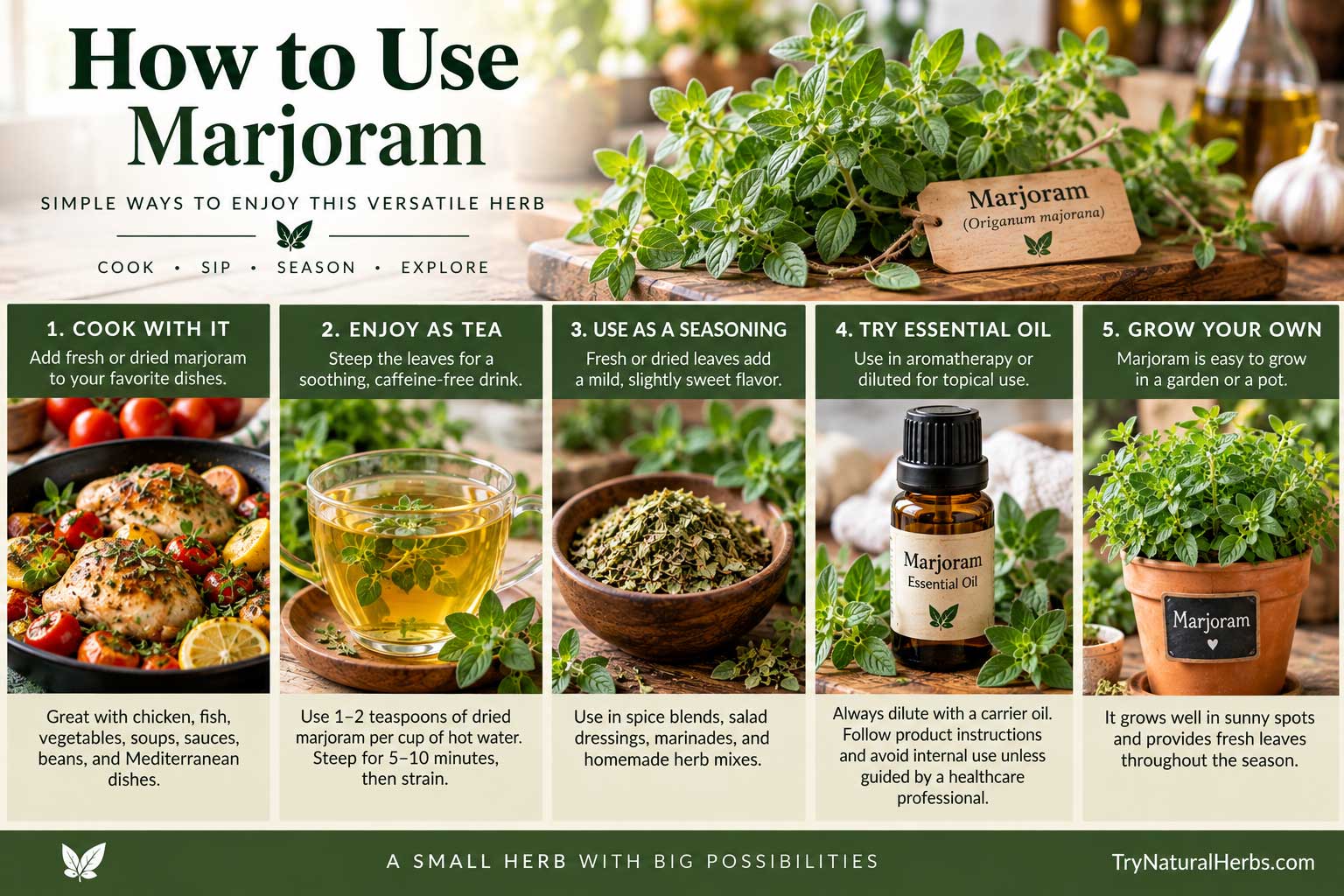
Marjoram is easy to incorporate into everyday meals, herbal teas, and aromatherapy routines. The best way to use it depends on whether you’re using fresh leaves, dried marjoram, tea, or essential oil.
Fresh Marjoram
Fresh marjoram has a mild, slightly sweet flavor that works especially well when added toward the end of cooking.
Try it with:
- Roasted or grilled vegetables
- Chicken, turkey, and fish
- Tomato-based sauces
- Soups and stews
- Potatoes
- Beans and lentils
- Salad dressings and marinades
Because its flavor is more delicate than oregano, fresh marjoram can also be used as a finishing herb.
Dried Marjoram
Dried marjoram has a more concentrated flavor and is convenient for everyday cooking. Start with a small amount and adjust according to taste.
It pairs particularly well with Mediterranean dishes, vegetables, poultry, soups, beans, and tomato sauces.
Marjoram Tea
Fresh or dried marjoram can also be steeped in hot water to make a naturally caffeine-free herbal tea. It can be enjoyed after meals or simply as a warm evening drink.
See the Marjoram Tea Benefits section above for preparation instructions.
Marjoram Essential Oil
Marjoram essential oil is much more concentrated than fresh or dried marjoram and should be handled carefully.
For aromatherapy, a small amount can be used in a diffuser according to the manufacturer’s instructions. For topical applications, dilute the essential oil appropriately in a carrier oil before applying it to the skin.
Essential oil should never be treated as equivalent to culinary marjoram.
Fresh vs. Dried Marjoram
As a general cooking guideline, dried herbs are more concentrated than fresh herbs. If a recipe calls for fresh marjoram and you only have dried, start with roughly one-third of the amount and adjust to taste.
For most people, using marjoram regularly as a culinary herb is the simplest way to enjoy its flavor and naturally occurring plant compounds without relying on concentrated supplements.

How Much Marjoram Should You Use?
There is currently no universally established therapeutic dosage for marjoram. The appropriate amount depends on whether you’re using it as a culinary herb, drinking marjoram tea, or taking a concentrated supplement.
Culinary Marjoram
When used as a seasoning in normal food amounts, marjoram can be added according to taste. Because dried marjoram has a stronger flavor than fresh leaves, recipes generally require less dried herb.
For tea, the preparation described above uses 1–2 teaspoons of dried marjoram per 8 ounces of hot water. This is a traditional preparation rather than an established therapeutic dose.
Marjoram Supplements
Capsules and extracts can vary considerably in concentration, so there is no single dosage that applies to every product. Follow the manufacturer’s directions and avoid assuming that a higher dose will provide greater benefits.
If you’re considering marjoram supplements for a specific health condition, discuss their use with a qualified healthcare professional first.
What About Marjoram Essential Oil?
Essential oil should not be dosed like marjoram tea or dried herbs. It is highly concentrated and requires appropriate dilution and careful handling.
Do not ingest marjoram essential oil simply because marjoram itself is edible. Internal use of concentrated essential oils can carry additional risks.
Can You Take Marjoram Every Day?
Using marjoram regularly in normal culinary amounts is different from taking concentrated extracts or drinking strong medicinal preparations every day.
Long-term safety data for high-dose marjoram supplements are limited. If you plan to use concentrated marjoram regularly—especially if you take medication, are pregnant or breastfeeding, or have a medical condition—check with a healthcare professional first.
Marjoram Side Effects and Safety
Marjoram is widely used as a culinary herb, and normal amounts found in food are generally well tolerated. However, using marjoram as a concentrated supplement, strong herbal preparation, or essential oil is different from simply seasoning food.
Possible Side Effects
Some people may experience unwanted effects from concentrated marjoram products. Possible concerns include:
- Digestive discomfort
- Nausea or stomach upset
- Skin irritation from topical products
- Allergic reactions in sensitive individuals
People who are allergic to plants in the mint family (Lamiaceae), which includes oregano, basil, thyme, mint, sage, and rosemary, may be more likely to react to marjoram.
Pregnancy and Breastfeeding
Culinary amounts of marjoram are different from medicinal doses. Because reliable safety information for concentrated marjoram preparations during pregnancy and breastfeeding is limited, supplements and medicinal amounts are best avoided unless a healthcare professional recommends otherwise.
Marjoram Essential Oil Safety
Marjoram essential oil is highly concentrated and requires greater caution than fresh or dried marjoram.
Do not apply undiluted essential oil directly to the skin. Dilute it appropriately in a carrier oil and perform a small patch test before broader topical use.
Avoid contact with the eyes and other sensitive areas, and keep essential oils away from children and pets.
Can You Use Too Much Marjoram?
Using marjoram generously as a food seasoning is not the same as consuming large amounts for medicinal purposes. There is no well-established safe upper limit for concentrated marjoram supplements.
More is not necessarily better. If you use marjoram regularly for a specific health purpose, particularly in supplement or extract form, discuss it with a healthcare professional.
Concentrated preparations also deserve extra caution if you take prescription medication.
Marjoram Drug Interactions
Marjoram is generally used in small amounts as a culinary herb, but concentrated extracts, supplements, and essential oils may have stronger biological effects. Research specifically examining marjoram drug interactions in humans is limited, so many potential interactions are based on laboratory studies, animal research, and what is known about its active compounds.
Blood Sugar-Lowering Medications
Marjoram has been studied for possible effects on glucose metabolism and insulin sensitivity. A small clinical trial involving women with PCOS found changes in measures of insulin sensitivity after drinking marjoram tea, while laboratory research has identified compounds in marjoram that can influence enzymes involved in carbohydrate digestion.
If you take insulin or other medications that lower blood sugar, discuss regular medicinal use of marjoram with your healthcare provider.
Blood-Thinning Medications
Potential effects on blood clotting have been raised in experimental research, but direct evidence of a clinically significant interaction between marjoram and anticoagulant medications is limited.
For that reason, people taking anticoagulant or antiplatelet medications should check with a healthcare professional before regularly using concentrated marjoram extracts or supplements.
Before Surgery
If you regularly take concentrated marjoram supplements or extracts, tell your healthcare team before a scheduled procedure. Your clinician can advise whether the product should be stopped beforehand.
Other Prescription Medications
Marjoram contains numerous biologically active compounds, but researchers have not adequately studied how concentrated preparations interact with most prescription medications.
This uncertainty is another reason to distinguish between normal culinary use and medicinal use. Adding marjoram to food is very different from taking concentrated extracts every day.
If you take prescription medications, particularly medications affecting blood sugar or blood clotting, speak with your doctor or pharmacist before using marjoram supplements for therapeutic purposes.
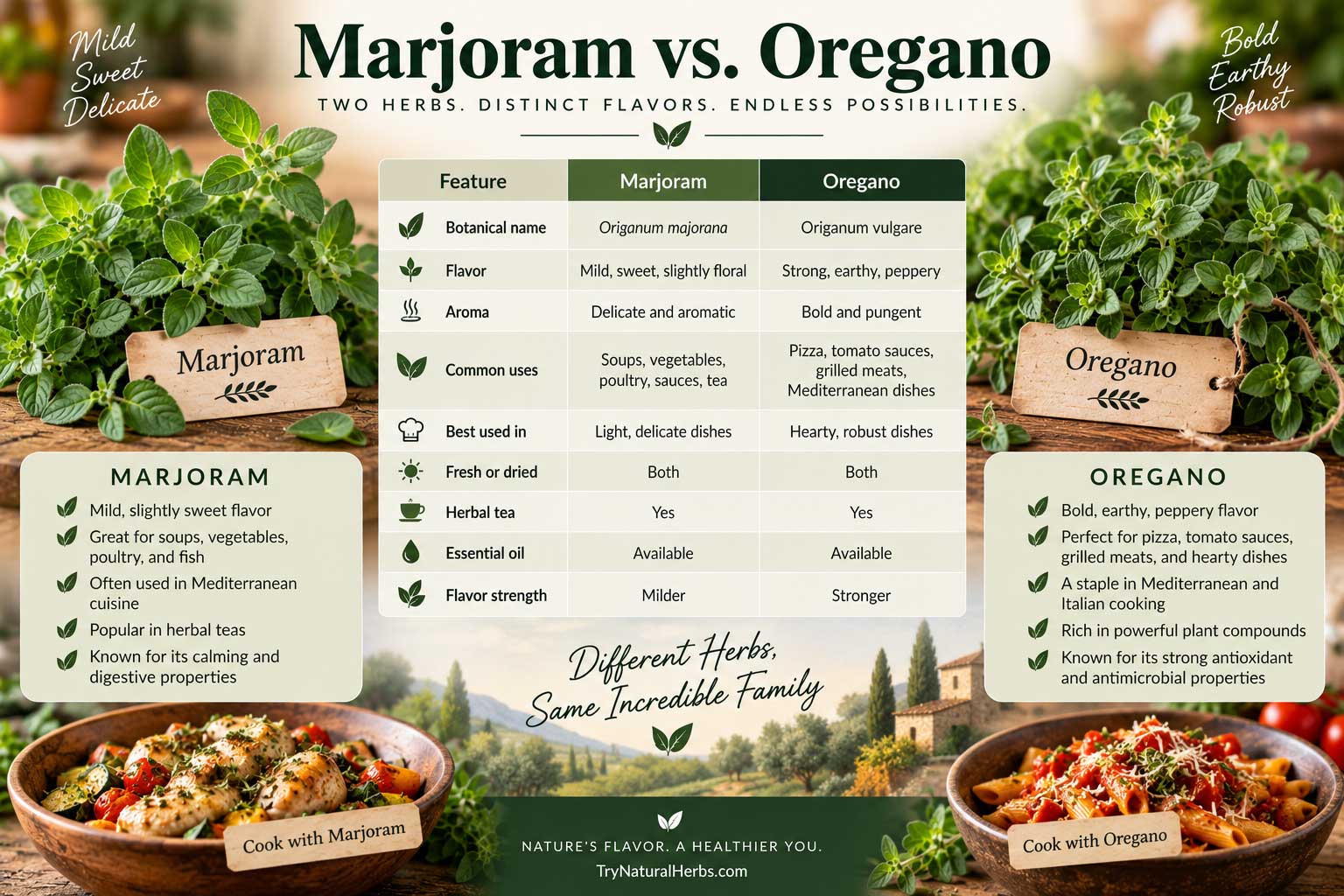
Marjoram vs. Oregano: What’s the Difference?
Marjoram and oregano are closely related Mediterranean herbs, and their similar appearance can make them easy to confuse. Both belong to the mint family (Lamiaceae) and the genus Origanum, but they are not the same herb.
Sweet marjoram is generally identified as Origanum majorana, while common oregano is typically Origanum vulgare.
Marjoram vs. Oregano at a Glance
| Marjoram | Oregano | |
|---|---|---|
| Botanical name | Origanum majorana | Origanum vulgare |
| Flavor | Mild, sweet, slightly floral | Strong, earthy, peppery |
| Aroma | Delicate and aromatic | Strong and pungent |
| Common uses | Soups, vegetables, poultry, sauces, tea | Pizza, tomato sauces, grilled meats, Mediterranean dishes |
| Fresh vs. dried | Both commonly used | Both commonly used |
| Herbal tea | Yes | Yes |
| Essential oil | Available | Available |
Do Marjoram and Oregano Taste the Same?
Not quite. Marjoram is milder and sweeter, with subtle floral and citrus-like notes. Oregano has a stronger, sharper flavor that can taste peppery or slightly bitter.
Because of this difference, marjoram works particularly well in dishes where you want an herbal flavor without overpowering the other ingredients.
Can You Substitute Oregano for Marjoram?
Yes, but use oregano carefully because its flavor is generally stronger.
If a recipe calls for marjoram and you’re substituting oregano, start with a smaller amount and adjust to taste. When replacing oregano with marjoram, you may need slightly more to achieve a similar herbal intensity.
Which Is Healthier: Marjoram or Oregano?
Both herbs contain antioxidants, polyphenols, and aromatic compounds, but their exact chemical composition varies by species, growing conditions, processing, and preparation.
Oregano is particularly well known for compounds such as carvacrol and thymol, while marjoram contains its own mixture of phenolic compounds and volatile oils.
Rather than choosing one solely for supposed health benefits, use both herbs as part of a varied diet. Marjoram is usually the better choice when you want a delicate, slightly sweet flavor, while oregano works well when you want a stronger Mediterranean taste.
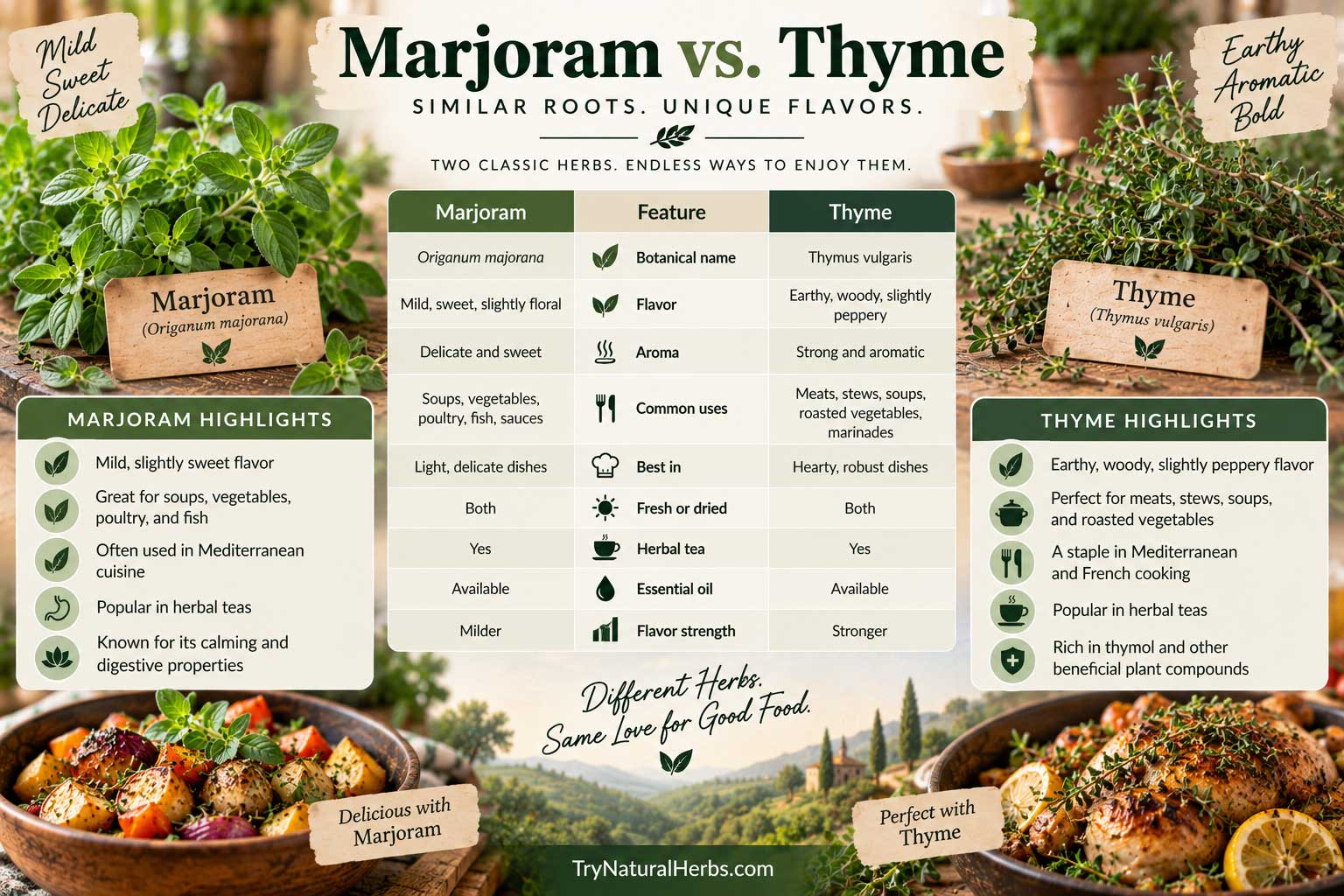
Marjoram vs. Thyme: What’s the Difference?
Marjoram and thyme are both aromatic herbs commonly used in Mediterranean cooking, but they come from different genera and have noticeably different flavors.
Marjoram (Origanum majorana) has a mild, slightly sweet and floral flavor. Common thyme (Thymus vulgaris) is more earthy, savory, and somewhat woody, making it particularly well suited to slow-cooked dishes.
Marjoram vs. Thyme at a Glance
| Marjoram | Thyme | |
|---|---|---|
| Botanical name | Origanum majorana | Thymus vulgaris |
| Flavor | Mild, sweet, floral | Earthy, savory, woody |
| Family | Lamiaceae | Lamiaceae |
| Common uses | Vegetables, poultry, soups, sauces, tea | Soups, stews, roasted meats, vegetables |
| Fresh or dried | Both | Both |
| Herbal tea | Yes | Yes |
Can You Substitute Thyme for Marjoram?
Yes, in many savory recipes. However, thyme has a stronger earthy character, so the final dish will taste somewhat different.
Thyme works particularly well as a marjoram substitute in:
- Soups and stews
- Roasted vegetables
- Chicken and turkey
- Beans and lentils
- Marinades and sauces
For dishes where marjoram’s softer flavor is important, start with a smaller amount of thyme and adjust to taste.
Which Is Better: Marjoram or Thyme?
Neither herb is universally better. The choice mostly depends on the flavor you’re trying to create.
Choose marjoram for a softer, slightly sweet herbal note. Choose thyme when you want a more robust, earthy flavor that holds up well during longer cooking.
Both herbs also contain antioxidants and aromatic plant compounds, making them useful additions to a varied, herb-rich diet.
What Does the Research Say About Marjoram?
Scientific interest in marjoram has grown because the herb contains numerous bioactive compounds, including phenolic acids, flavonoids, and volatile oils. However, the strength of evidence varies considerably depending on the health benefit being discussed.
Human Research Is Still Limited
One of the more notable human studies investigated marjoram tea in women with polycystic ovary syndrome (PCOS). In the small randomized controlled trial, participants who drank marjoram tea twice daily for one month experienced changes in certain hormonal markers and measures related to insulin sensitivity.
A newer pilot trial also investigated a combination of marjoram and cinnamon tea in women with PCOS. Because the intervention contained both herbs, however, the findings cannot tell us what effect marjoram had on its own.
The results are interesting, but the study included only a small number of participants and lasted just four weeks. Larger and longer clinical trials are needed before firm conclusions can be made.
Laboratory Research Is More Extensive
Much of what researchers currently know about marjoram comes from laboratory and animal studies.
Reviews of the available research describe antioxidant, antimicrobial, anti-inflammatory and other pharmacological activity, while also showing how much of the evidence remains preclinical.
Researchers have investigated marjoram and its compounds for potential:
- Antioxidant activity
- Antimicrobial activity
- Anti-inflammatory effects
- Effects on glucose metabolism
- Effects on certain metabolic pathways
These studies can help scientists understand how marjoram’s compounds behave, but laboratory findings do not automatically mean the same effects will occur when people eat marjoram or drink marjoram tea.
Traditional Use Is Not the Same as Clinical Evidence
Marjoram has a long history of traditional use for digestive comfort, relaxation, menstrual wellness, and seasonal support. This history is valuable, but traditional use alone cannot prove that an herb prevents or treats a medical condition.
So far, the science is interesting but preliminary. Marjoram clearly contains biologically active compounds, but for most proposed health benefits, we still don’t have enough well-designed human trials to know how much difference the herb actually makes.
For everyday use, marjoram is best viewed as a flavorful Mediterranean herb that can contribute antioxidants and variety to a balanced diet—not as a substitute for medical treatment.
Frequently Asked Questions About Marjoram
What is marjoram good for?
Marjoram is primarily used as a culinary herb, but it also has a long history in traditional herbal practices. It contains antioxidants and aromatic plant compounds and has traditionally been used to support digestion, relaxation, and general wellness. Research into many of these potential benefits is still developing.
Is marjoram the same as oregano?
No. Marjoram (Origanum majorana) and oregano (Origanum vulgare) are closely related, but they have different flavors and chemical profiles. Marjoram is generally milder, sweeter, and more delicate, while oregano has a stronger, pepperier taste.
Can you drink marjoram tea every day?
Marjoram tea is consumed as an herbal beverage, but there is limited research establishing an ideal amount or the long-term safety of drinking medicinal-strength marjoram tea every day. Occasional use is different from using concentrated preparations therapeutically.
Does marjoram tea contain caffeine?
No. Pure marjoram tea is naturally caffeine-free, making it suitable as an evening herbal drink or an alternative to caffeinated tea and coffee.
Is marjoram good for digestion?
Marjoram has traditionally been used to support digestion and relieve occasional gas, bloating, and feelings of fullness. Laboratory research has also investigated some of its aromatic compounds, but strong clinical evidence for treating digestive disorders is lacking.
Does marjoram help with sleep?
Marjoram has traditionally been associated with relaxation, and caffeine-free marjoram tea can be incorporated into a calming bedtime routine. However, there is not enough clinical evidence to consider marjoram a treatment for insomnia or other sleep disorders.
What does research say about marjoram tea and PCOS?
A small randomized study involving women with PCOS found that marjoram tea was associated with changes in certain hormonal markers and measures of insulin sensitivity. The study was small and short-term, so more research is needed. Marjoram should not replace medical treatment for PCOS.
Can marjoram lower blood sugar?
Early research suggests marjoram may influence glucose metabolism, but evidence in humans remains limited. Anyone taking insulin or blood sugar-lowering medication should consult a healthcare professional before using concentrated marjoram products regularly.
Can you eat marjoram raw?
Yes. Fresh marjoram leaves can be eaten raw and added to salads, dressings, sauces, dips, and finished dishes. Its mild flavor also makes fresh marjoram useful as a garnish.
Which is better, fresh or dried marjoram?
Both are useful. Fresh marjoram has a softer, more delicate flavor, while dried marjoram is more concentrated and convenient for cooking. The best choice depends on the recipe rather than one form being inherently better.
What does marjoram taste like?
Marjoram has a mild, warm, slightly sweet flavor with floral, citrus-like, and subtle pine notes. It resembles oregano but is considerably less sharp and peppery.
Can marjoram essential oil be taken internally?
Marjoram essential oil is highly concentrated and should not be treated like the culinary herb. Do not ingest marjoram essential oil simply because the plant itself is edible. Internal use should only be considered under the direction of an appropriately qualified healthcare professional.
Who should be careful with marjoram?
Extra caution is appropriate with concentrated marjoram supplements and essential oils during pregnancy or breastfeeding and for people taking medications, particularly medicines affecting blood sugar or blood clotting. Normal culinary use is different from medicinal or concentrated use.
How should dried marjoram be stored?
Keep dried marjoram in a tightly sealed container away from heat, moisture, and direct sunlight. For the best flavor and aroma, replace older herbs once they have noticeably lost their scent.
What can I use instead of marjoram?
Oregano is the closest common substitute, although it has a stronger flavor. Thyme can also work well, particularly in soups, stews, roasted vegetables, poultry, and other savory dishes.
Final Thoughts on Marjoram Benefits
Marjoram doesn’t need to be a miracle herb to deserve a place in your kitchen.
Its mild, slightly sweet flavor works beautifully with vegetables, beans, poultry, fish, soups, sauces, and Mediterranean dishes. It also contains antioxidants and aromatic compounds that researchers are continuing to investigate.
Some traditional uses—particularly for digestion and relaxation—have been around for generations. Other areas, including marjoram tea and metabolic or hormonal health, have begun to attract scientific attention. But for most specific health claims, the human evidence is still too limited to draw strong conclusions.
That’s why the simplest approach is probably the best one.
Use fresh or dried marjoram to make healthy meals more flavorful. Enjoy the tea if you like its taste or want a caffeine-free evening drink. Treat supplements and essential oils more cautiously because they’re far more concentrated than the amounts normally used in food.
Marjoram may never become the trendiest herb in the pantry, but its gentle flavor, versatility, and long culinary history give it plenty of reasons to stick around.