
 By
By Meadowsweet (Filipendula ulmaria) is a fragrant flowering herb known for its clusters of creamy-white blossoms and long history in traditional European herbal medicine. A member of the rose family (Rosaceae), it naturally grows in damp meadows, along riverbanks, and in other moist areas across Europe and parts of Asia.
Many traditional meadowsweet benefits are associated with the plant’s naturally occurring compounds, including salicylate derivatives, tannins, and flavonoids. People have historically prepared the flowers and flowering tops as herbal teas and other remedies, particularly for digestive comfort and during minor aches or feverish illnesses.
Today, meadowsweet remains popular among herbal enthusiasts, but modern clinical research has not confirmed every traditional use. Below, we’ll look at what meadowsweet contains, its potential benefits, how to prepare meadowsweet tea, and the important side effects and precautions to know before using it.
What Is Meadowsweet?
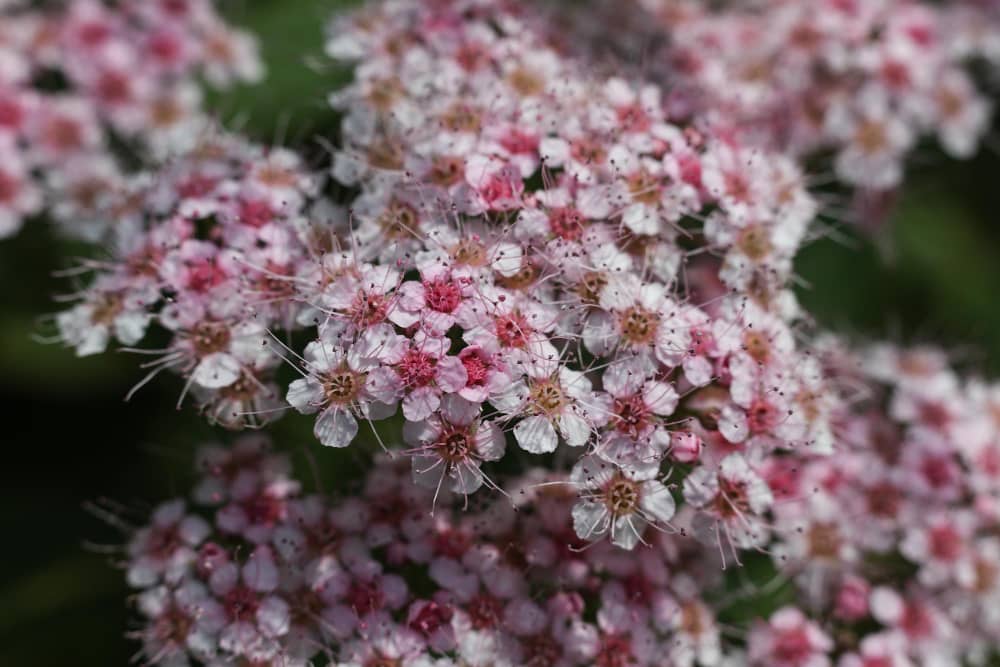
Meadowsweet (Filipendula ulmaria) is a perennial flowering herb in the Rosaceae, or rose, family. It is native to much of Europe and parts of western Asia and is commonly found in damp meadows, along streams and riverbanks, and in other areas where the soil remains consistently moist.
The plant typically grows tall and upright, producing leafy stems topped with clusters of small, creamy-white flowers in summer. These flowers have a distinctive sweet fragrance that has helped make meadowsweet popular in gardens as well as in traditional herbal preparations.
The flowering tops are the part most commonly used in herbalism, although the leaves have also been used. They contain several naturally occurring plant compounds, including tannins, flavonoids, and salicylate derivatives.
Meadowsweet has a long history in European herbal traditions and was also valued for its fragrance. Its flowers were once used to scent rooms and flavor beverages, including mead. Today, the herb is most commonly encountered as dried meadowsweet for tea, liquid extracts, or an ornamental plant grown in moist garden areas.
Active Compounds in Meadowsweet
Meadowsweet contains several plant compounds that help explain its long history in herbal medicine and its continued interest among researchers. Rather than being a significant source of everyday nutrients, the herb is better known for its salicylate derivatives, tannins, flavonoids, and other polyphenols.
Salicylate Compounds
One of meadowsweet’s best-known characteristics is the presence of salicylate-related compounds, including salicylaldehyde derivatives. These compounds are one reason the herb has historically been associated with preparations for minor aches and feverish conditions.
Although meadowsweet is sometimes described as “natural aspirin,” this comparison can be misleading. The plant does not contain aspirin (acetylsalicylic acid), and drinking meadowsweet tea is not equivalent to taking a standardized dose of aspirin.
Tannins
Meadowsweet also contains tannins, plant compounds with astringent properties. Their presence helps explain some of the herb’s traditional use for digestive complaints, although strong clinical evidence for treating specific gastrointestinal conditions with meadowsweet is limited.
Flavonoids and Other Polyphenols
Flavonoids and related polyphenols contribute to the plant’s antioxidant activity. Laboratory studies suggest that extracts of meadowsweet can exhibit antioxidant effects, but these findings do not necessarily mean that drinking the tea will produce the same effects in the human body.
Traditional Uses of Meadowsweet
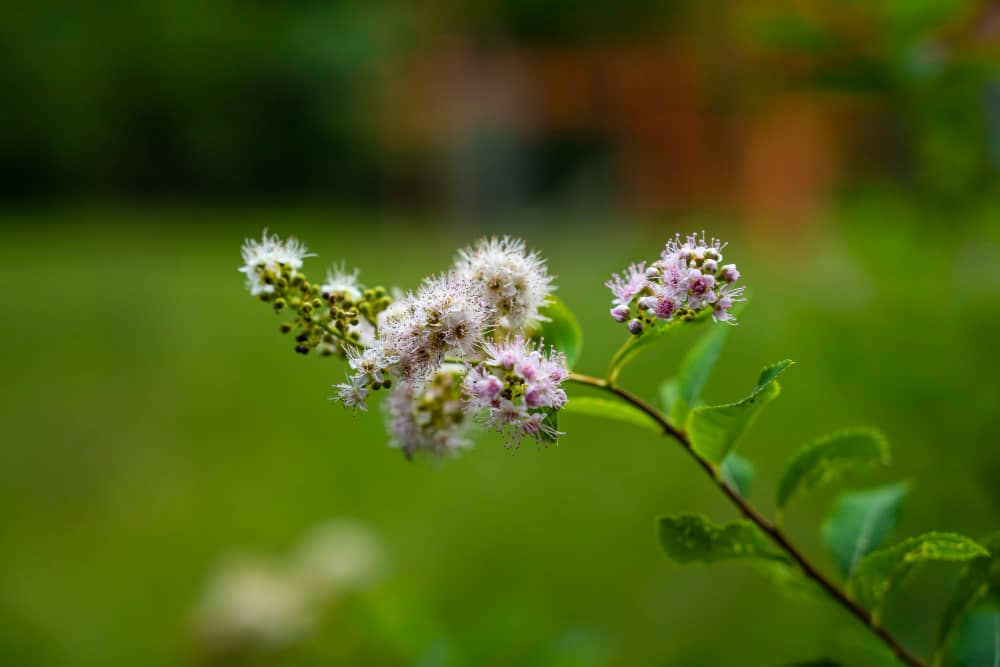
Meadowsweet has a long history in European herbal traditions, where its flowers and flowering tops were prepared as teas, infusions, and other herbal remedies. Its pleasant fragrance also made it useful outside medicine, particularly for scenting rooms and flavoring foods and drinks.
Traditionally, meadowsweet was used for digestive discomfort, minor aches, and feverish conditions associated with colds. Herbalists also valued its astringent properties and used preparations of the plant when digestive upset was accompanied by loose stools.
Meadowsweet’s naturally occurring salicylate compounds may help explain some of these traditional uses. However, the herb should not be considered a substitute for aspirin or other pain-relieving medications.
Many of these uses come from traditional herbal practice rather than strong modern clinical evidence. Research into meadowsweet’s plant compounds has identified potentially interesting antioxidant, anti-inflammatory, and antimicrobial activity, but much of this evidence comes from laboratory studies rather than large human trials.
Potential Health Benefits of Meadowsweet
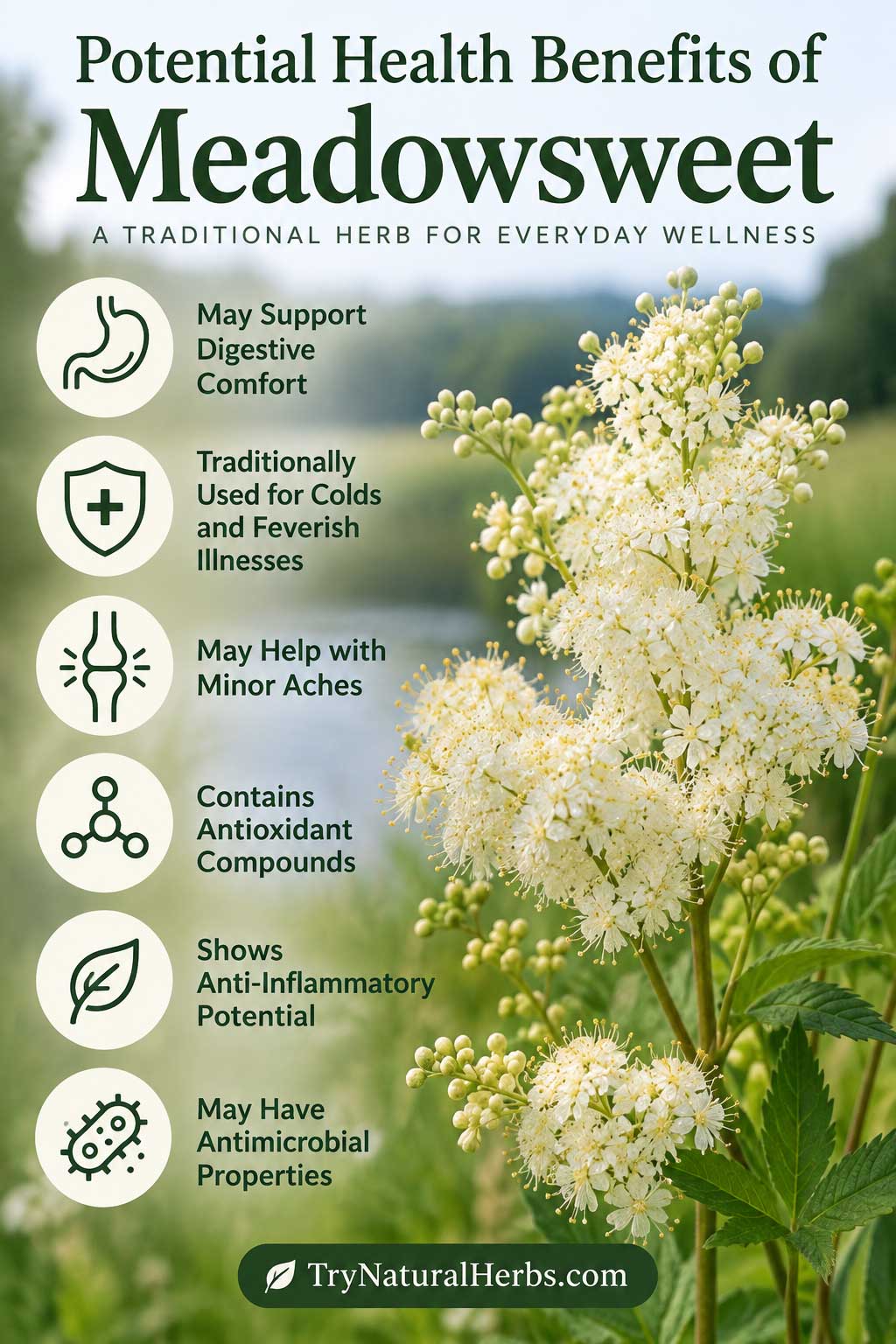
Many traditional meadowsweet benefits are linked to the herb’s salicylate derivatives, tannins, flavonoids, and other plant compounds. However, research involving meadowsweet itself is still limited, particularly in humans. Here’s what we currently know about its most commonly discussed uses.
1. May Support Digestive Comfort
Meadowsweet has traditionally been used to soothe occasional digestive discomfort. Its tannins have astringent properties, while other plant compounds may contribute to the herb’s traditional reputation as a digestive remedy.
Meadowsweet tea is sometimes used after meals or when the stomach feels unsettled. However, there is not enough clinical evidence to recommend it as a treatment for conditions such as gastritis, stomach ulcers, or acid reflux.
2. Contains Antioxidant Compounds
Meadowsweet provides flavonoids and other polyphenols with antioxidant activity. Laboratory studies have found antioxidant effects in meadowsweet extracts, although it’s unclear how significant these effects are when the herb is consumed as tea.
3. May Have Anti-Inflammatory Properties
Some of the compounds found in meadowsweet have demonstrated anti-inflammatory activity in experimental research. Its salicylate-related constituents are particularly interesting because salicylates have a long association with inflammation and discomfort.
This may help explain why meadowsweet was traditionally used for minor aches and joint discomfort. Human clinical evidence is limited, however, and meadowsweet should not replace appropriate medical treatment for persistent pain or inflammatory conditions.
4. Traditionally Used During Colds and Feverish Illnesses
Meadowsweet has traditionally been prepared as a warm herbal tea during colds and other minor illnesses. Herbalists have described it as a diaphoretic, meaning an herb traditionally used to encourage perspiration.
A warm cup of meadowsweet tea may also provide fluids and be soothing when you are feeling under the weather. Still, there is insufficient evidence to claim that meadowsweet treats infections or reliably lowers fever.
5. May Have Antimicrobial Activity
Laboratory studies of meadowsweet extracts have reported activity against certain microorganisms. Researchers believe several of the plant’s phenolic compounds may contribute to these effects.
These findings are interesting but preliminary. Laboratory antimicrobial activity does not mean meadowsweet can treat bacterial or fungal infections in people, and it should not be used as a replacement for prescribed antimicrobial treatment when one is needed.
How to Use Meadowsweet
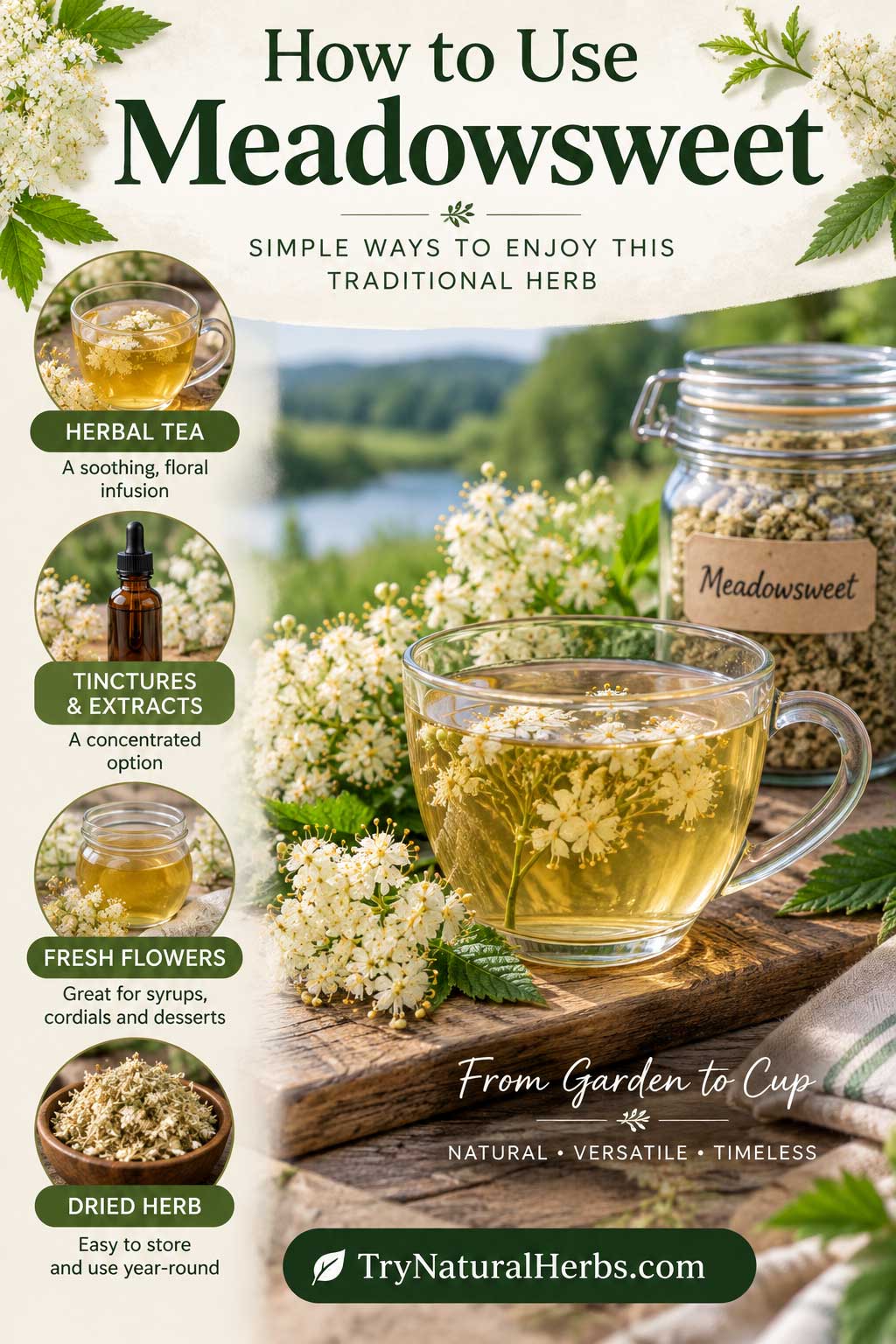
Meadowsweet is most commonly used as a dried herb for tea, although it is also available in liquid extracts, tinctures, and some herbal blends. Its flowers have a sweet, almond-like fragrance that also makes them useful for flavoring certain foods and drinks.
Meadowsweet Tea
Tea is one of the simplest and most popular ways to use dried meadowsweet. The flowering tops produce a mildly sweet, floral infusion and can also be blended with herbs such as chamomile, peppermint, or lemon balm. You’ll find simple preparation instructions below.
Tinctures and Liquid Extracts
Meadowsweet is also sold as tinctures and concentrated liquid extracts. Because the strength of these products can vary considerably, follow the directions on the product label rather than assuming that all meadowsweet extracts have the same concentration.
Anyone taking medication or managing a medical condition should check with a healthcare professional before using concentrated meadowsweet products.
Fresh Flowers
Fresh meadowsweet flowers can also be used in small amounts to flavor foods and drinks. Their sweet fragrance works particularly well in syrups, cordials, desserts, and infused liquids. We’ll explore these culinary uses in more detail below.
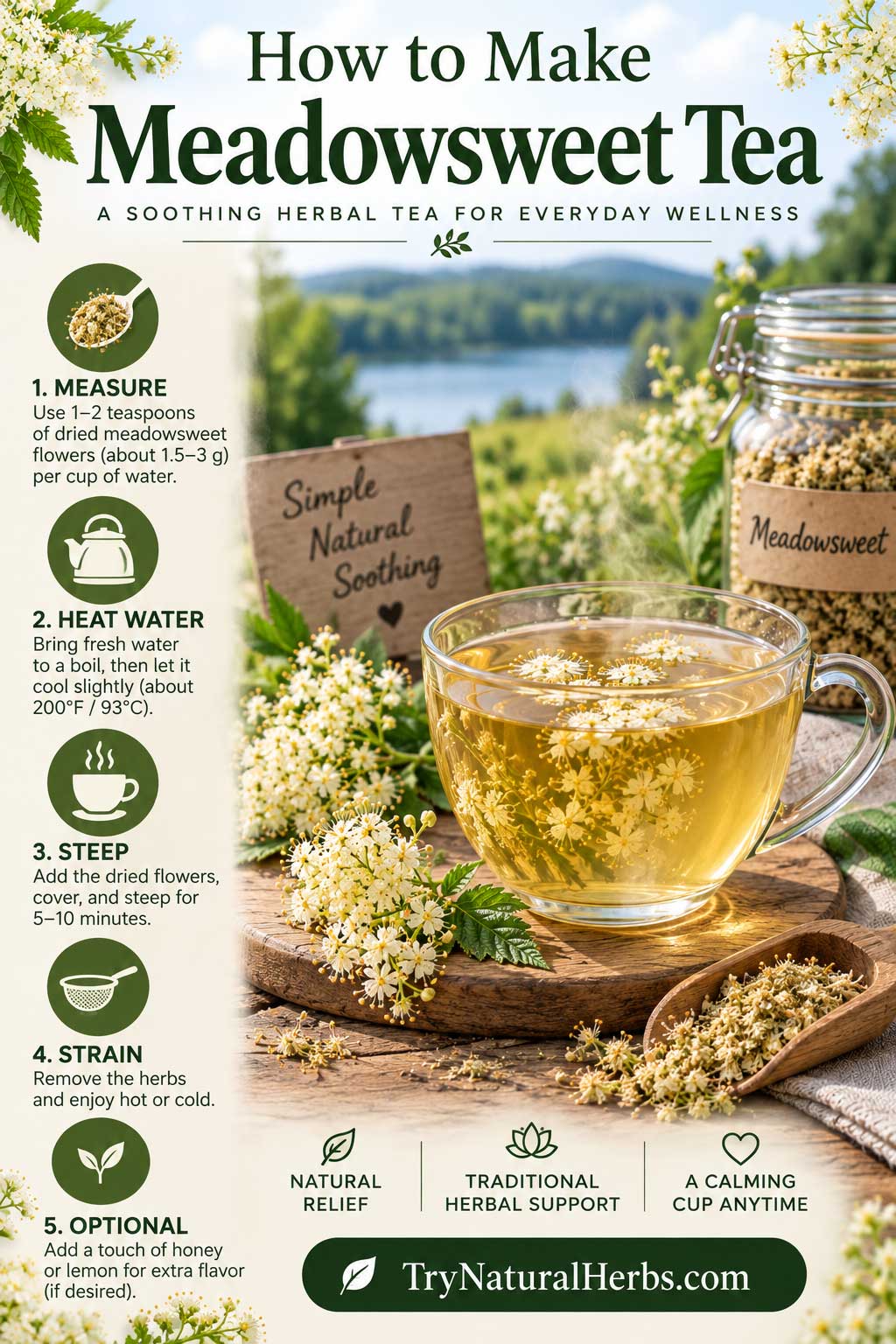
How to Make Meadowsweet Tea
Meadowsweet tea is a fragrant herbal infusion traditionally made from the plant’s dried flowers and flowering tops. It has a distinctive floral aroma with a mildly sweet flavor.
For a simple cup, add about 1–2 teaspoons of dried meadowsweet to a cup of hot water. Cover and allow it to steep for approximately 5–10 minutes, then strain before drinking.
Covering the cup while the herb steeps helps retain more of its aromatic compounds. The tea can be enjoyed plain or combined with a little honey or lemon for additional flavor.
Meadowsweet also blends well with other fragrant herbs. Chamomile can create a softer floral infusion, while peppermint or lemon balm adds a fresh note.
Because herbal products can vary in strength and meadowsweet contains salicylate-related compounds, avoid assuming that stronger or more concentrated tea provides greater benefits. People with aspirin or salicylate sensitivity, those taking medications that affect blood clotting, and pregnant or breastfeeding individuals should seek professional advice before using meadowsweet medicinally.
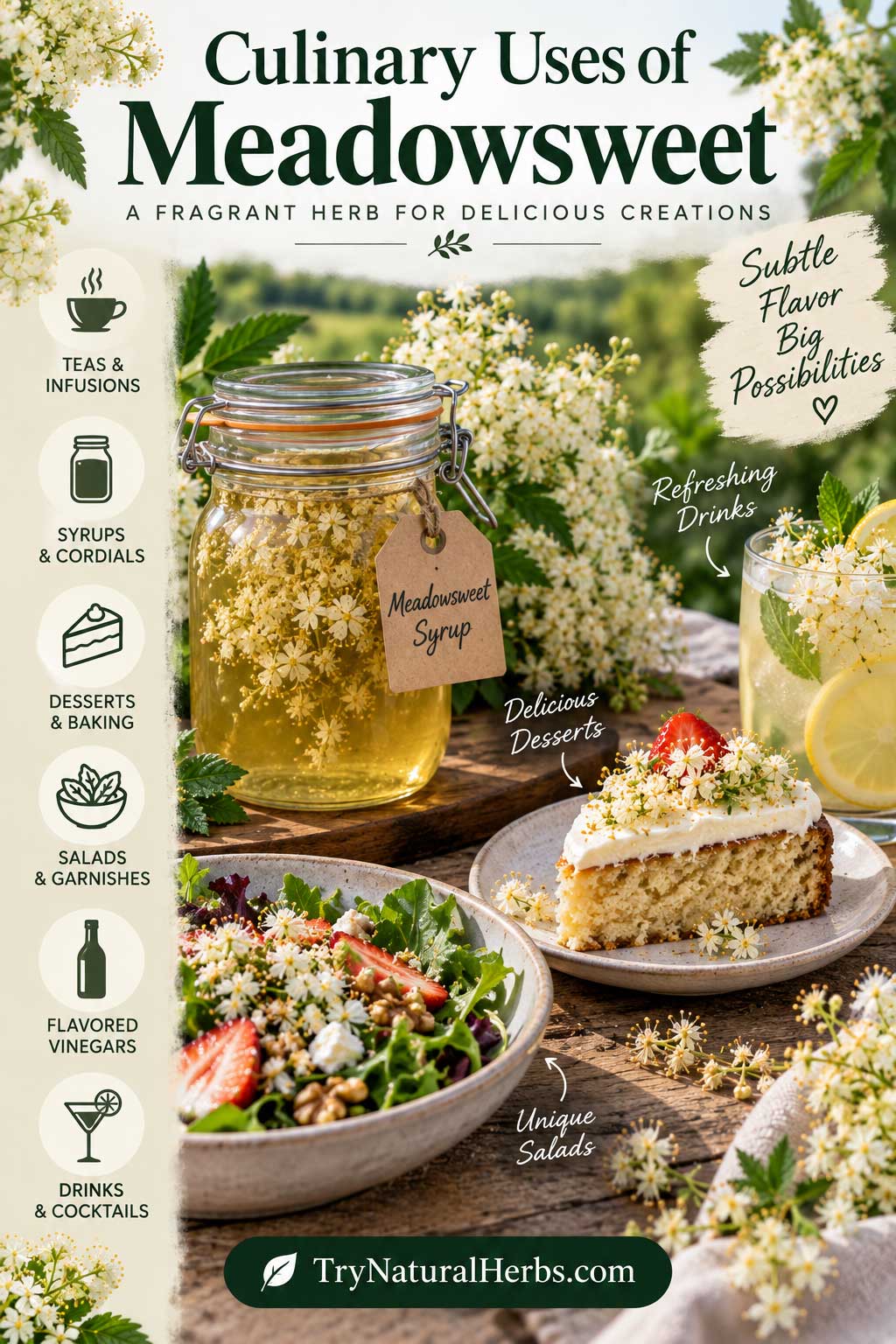
Culinary Uses of Meadowsweet
The sweet fragrance of meadowsweet makes its flowers surprisingly versatile in the kitchen. Their aroma is often compared to almond, honey, or vanilla, making them especially suited to desserts and summer drinks.
Fresh or dried meadowsweet flowers can be infused into syrups, cordials, cream, milk, or vinegar. The strained liquid can then add a delicate floral flavor to desserts, drinks, sauces, and dressings.
The flowers pair particularly well with summer fruits such as strawberries, raspberries, apples, and peaches. A meadowsweet-infused syrup can be drizzled over fruit or desserts, while infused cream can be used for custards, ice cream, or other sweet dishes.
Meadowsweet also has an old connection with fermented beverages. One of its traditional names is meadwort, reflecting its historical association with flavoring mead and other drinks.
Because the flavor can become overpowering, a small amount is usually enough. If you’re gathering fresh meadowsweet yourself, correctly identify the plant and harvest only from clean areas that haven’t been treated with pesticides or exposed to roadside pollution.
Fresh vs. Dried Meadowsweet
Both fresh and dried meadowsweet can be useful, but the best choice depends on how you plan to use the herb.
Fresh meadowsweet flowers are particularly appealing for culinary preparations because of their sweet fragrance. They can be infused into syrups, cream, vinegar, and beverages or used to add a subtle floral aroma to desserts. Fresh flowers are seasonal, however, and should be used soon after harvesting.
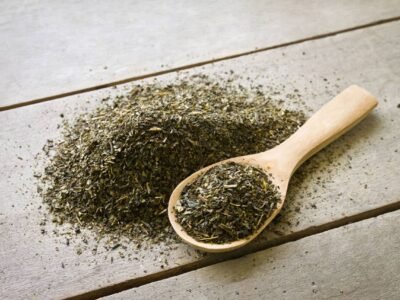
Dried meadowsweet is more convenient for year-round use and is the form most commonly sold for herbal tea. Properly dried flowers and flowering tops retain much of their characteristic aroma and can be stored considerably longer than fresh plant material.
Neither form is automatically “healthier.” The concentration of individual plant compounds can vary depending on the part of the plant, growing conditions, harvest time, drying method, and storage.
For the best quality, keep dried meadowsweet in an airtight container away from heat, moisture, and direct sunlight. Discard it if you notice mold, unusual moisture, or a significant deterioration in its aroma.
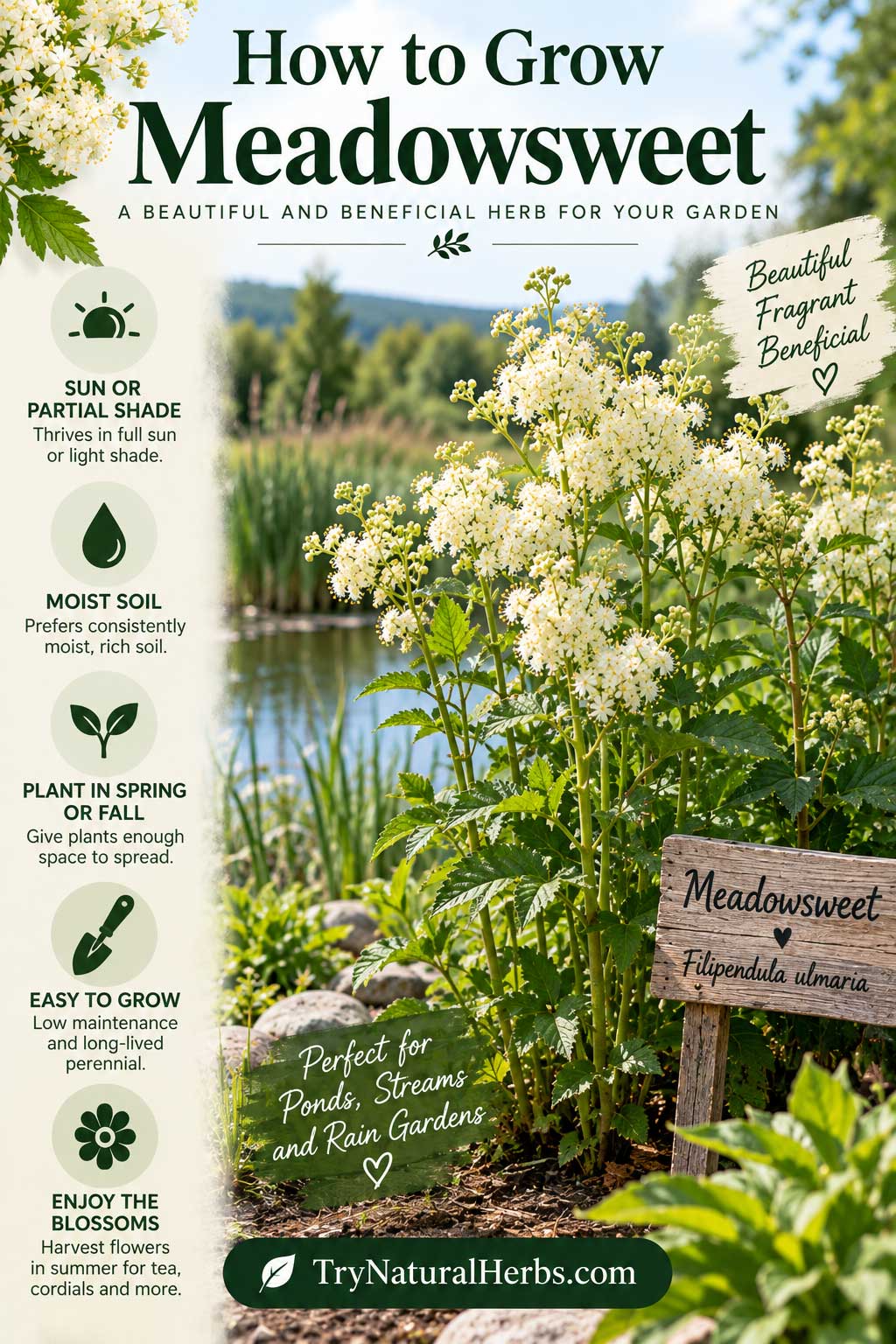
How to Grow Meadowsweet
Meadowsweet is a hardy perennial that naturally thrives in damp meadows, along streams, and in other areas where the soil stays consistently moist. If your garden has a spot that is too wet for many common herbs, meadowsweet may be particularly well suited to it.
Choose a location with moist, fertile soil and full sun to partial shade. It can grow in partial shade, although flowering is often best with plenty of light. Avoid sites that become extremely dry for long periods, especially during summer.
Meadowsweet can be started from seed or propagated by dividing established plants. Seeds can be sown outdoors, although germination may take time and exposure to cool conditions can help break dormancy. Dividing mature plants is often a quicker way to establish new ones.
Meadowsweet can grow several feet tall and form substantial clumps, so allow plenty of space. It works well at the back of an herb garden, beside a pond, in a rain garden, or in another naturally damp area.
Once established in suitable soil, meadowsweet generally requires relatively little attention beyond maintaining adequate moisture. Its clusters of creamy-white summer flowers also attract a variety of pollinating insects, adding ornamental and wildlife value to the garden.
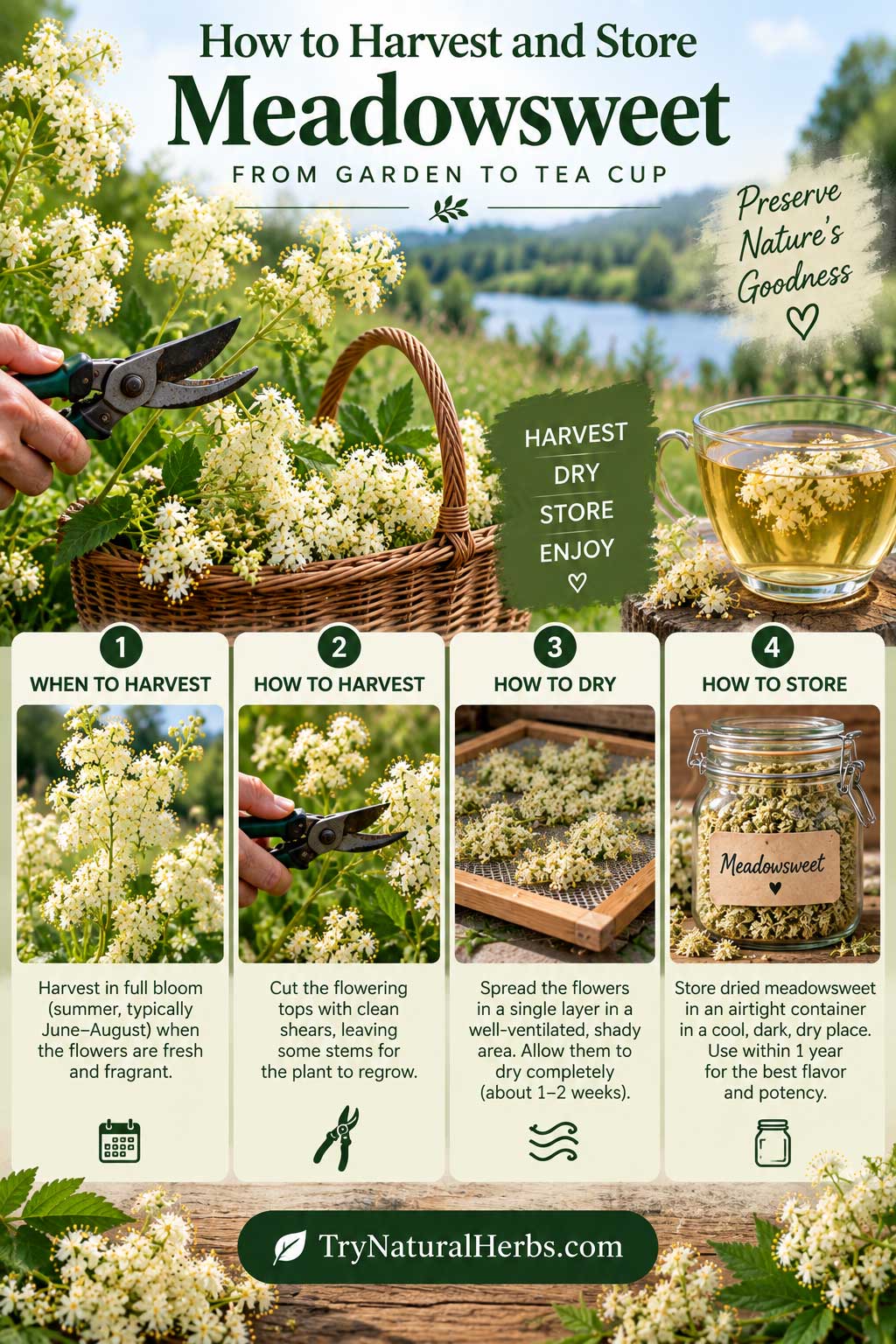
How to Harvest and Store Meadowsweet
The flowering tops of meadowsweet are commonly harvested in summer when the clusters of creamy-white flowers are open and strongly fragrant. Choose healthy plants and avoid flowers that are already browning or beginning to deteriorate.
For the best quality, harvest on a dry day after the morning dew has evaporated. Use clean scissors or garden shears to cut the flowering tops, leaving enough of the plant intact so it can continue growing.
If you plan to use meadowsweet fresh, gently inspect the flowers for insects and use them soon after harvesting. Avoid collecting plants from roadsides, chemically treated areas, or locations where water or soil contamination may be a concern.
To preserve meadowsweet, spread the flowering tops in a thin layer or hang them in small bundles in a dry, well-ventilated area away from direct sunlight. Once completely dry, remove any damaged material and transfer the herb to an airtight container.
Store dried meadowsweet in a cool, dark, dry place. Label the container with the herb and harvest date so you can keep track of its age. If the dried material develops mold, moisture, an unusual odor, or other signs of deterioration, discard it rather than using it for tea or cooking.
Meadowsweet Side Effects, Safety and Interactions
Meadowsweet has a long history of traditional use, but that doesn’t mean it is appropriate for everyone. Its salicylate-related compounds and tannins are particularly important when considering regular or concentrated medicinal use.
Possible Side Effects
Some people may experience digestive discomfort after using meadowsweet, particularly in larger or concentrated amounts. Possible effects can include nausea or stomach irritation.
Allergic reactions are also possible. Stop using the herb and seek medical attention if you develop symptoms of a serious allergic reaction, such as swelling or difficulty breathing.
Aspirin and Salicylate Sensitivity
People who are allergic or sensitive to aspirin or other salicylates should generally avoid meadowsweet unless a qualified healthcare professional advises otherwise.
Although meadowsweet does not contain aspirin itself, it contains naturally occurring salicylate derivatives. This is also why calling the herb simply “natural aspirin” can be misleading.
Medications That Affect Blood Clotting
Use additional caution if you take anticoagulant or antiplatelet medication or regularly use aspirin. Combining medicinal amounts of meadowsweet with medications that affect bleeding or clotting could potentially increase risk.
Speak with your doctor or pharmacist before combining meadowsweet supplements, tinctures, or medicinal teas with prescription medication.
Pregnancy and Breastfeeding
There isn’t enough reliable safety information to establish medicinal meadowsweet use as safe during pregnancy or breastfeeding. Avoid concentrated or medicinal preparations unless your healthcare provider specifically recommends them.
Children and Teenagers
Because meadowsweet contains salicylate-related compounds, medicinal use in children and teenagers should be discussed with a qualified healthcare professional rather than used as a home substitute for aspirin or other medicines.
Before Surgery
If you regularly use concentrated meadowsweet preparations, tell your healthcare team before a planned procedure. Your doctor can advise whether and when the herb should be discontinued based on your medications and individual circumstances.
Herbal products can vary considerably in concentration. A cup of herbal tea, a tincture, and a concentrated extract should not be assumed to provide equivalent amounts of meadowsweet’s active compounds.
Meadowsweet vs. Aspirin: Are They the Same?
Meadowsweet is sometimes called “natural aspirin,” but the two are not the same. The comparison comes from the plant’s naturally occurring salicylate compounds and its historical connection with the development of salicylate medicines.
Aspirin is acetylsalicylic acid, a standardized pharmaceutical drug with well-established doses, effects, risks, and medical uses. Meadowsweet is a whole plant containing a mixture of salicylate derivatives, tannins, flavonoids, and other compounds. The amounts of these constituents can vary considerably between plants and herbal preparations.
For this reason, a cup of meadowsweet tea does not provide an equivalent or predictable “dose of aspirin.” It should not be used as a substitute for aspirin prescribed for cardiovascular protection or for other medical reasons.
The historical connection is worth noting. Salicylate-containing plants helped contribute to scientific interest in this family of compounds, and the old botanical name for meadowsweet, Spiraea ulmaria, is often discussed in accounts of aspirin’s history.
The takeaway is simple: meadowsweet and aspirin share an interesting chemical and historical connection, but they aren’t interchangeable.
Frequently Asked Questions About Meadowsweet Benefits
What is meadowsweet used for?
Meadowsweet has traditionally been used in herbal preparations for digestive discomfort, minor aches, and during feverish illnesses. Today, it is most commonly consumed as an herbal tea or used in tinctures and extracts.
Can you drink meadowsweet tea every day?
There isn’t enough evidence to establish an ideal amount or duration for daily medicinal use. If you want to drink meadowsweet regularly, check with a healthcare professional first—especially if you take medication or are sensitive to aspirin or salicylates.
Does meadowsweet contain aspirin?
No. Meadowsweet contains naturally occurring salicylate derivatives, but it does not contain aspirin (acetylsalicylic acid). For this reason, meadowsweet tea should not be considered a natural equivalent or replacement for aspirin.
What does meadowsweet taste like?
Meadowsweet has a sweet, floral aroma and a distinctive herbal flavor. Its fragrance is sometimes described as having notes reminiscent of almond, honey, or vanilla, which is one reason the flowers have historically been used to flavor foods and beverages.
What parts of meadowsweet are used?
The flowers and flowering tops are commonly used for herbal tea and other preparations. The leaves have also been used traditionally. If harvesting the plant yourself, correct identification is essential.
Who should avoid meadowsweet?
People with an aspirin or salicylate allergy or sensitivity should avoid medicinal use unless advised otherwise by a healthcare professional. Extra caution is also appropriate for people taking medications that affect blood clotting, as well as during pregnancy or breastfeeding. Medicinal use in children and teenagers should be discussed with a qualified healthcare professional.
Is Meadowsweet Worth Trying?
Meadowsweet stands out for its sweet fragrance, long herbal history, and unusual connection with salicylates. Although some of its traditional uses are supported by promising laboratory research, we still need better human studies before making strong claims about many meadowsweet benefits.
Whether you grow meadowsweet for its flowers, enjoy it occasionally as an herbal tea, or explore its traditional uses, treat it like any other medicinal herb rather than assuming that natural means risk-free. Pay particular attention to salicylate sensitivity and possible medication interactions, and seek professional guidance when using concentrated preparations or managing a medical condition.
References
- European Medicines Agency (EMA). Community herbal monograph on Filipendula ulmaria (L.) Maxim., herba. 2011.
- European Medicines Agency (EMA). Assessment report on Filipendula ulmaria (L.) Maxim., herba and flos. 2011.
- Bijttebier S, et al. A First Step in the Quest for the Active Constituents in Filipendula ulmaria (Meadowsweet): Comprehensive Phytochemical Identification. Planta Medica. 2016;82:559–572.
- Samardžić S, et al. Antioxidant, anti-inflammatory and gastroprotective activity of Filipendula ulmaria (L.) Maxim. and Filipendula vulgaris Moench. Journal of Ethnopharmacology. 2018;213:132–137.
- Savina T, et al. Variation in Phenolic Compounds, Antioxidant and Antibacterial Activities of Extracts from Different Plant Organs of Meadowsweet. Molecules. 2023;28(8):3512.