
What Are The Most Popular Gardening Herbs?
There are many different herbs you can grow, but some are more popular than others. In this article, we will focus on some of the most popular gardening herbs, including basil, cilantro, dill, mint, rosemary, sage, thyme, oregano, and parsley.
Basil
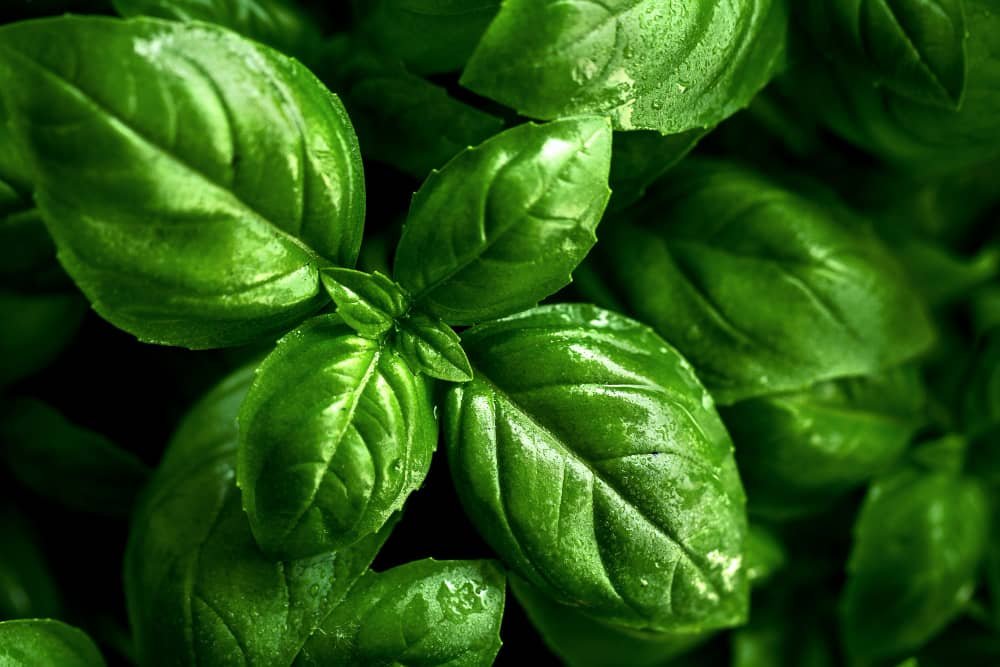
Basil (Ocimum basilicum) is one of the most popular gardening herbs thanks to its fragrant leaves, delicious flavor, and ease of cultivation. A member of the mint family (Lamiaceae), basil is native to tropical regions of Asia and Africa and has become a staple herb in kitchens around the world. It is especially popular in Italian cuisine, where it is used in dishes such as pesto, pasta sauces, salads, and pizzas.
One of the reasons gardeners love basil is its versatility. The leaves can be used fresh or dried and pair well with tomatoes, garlic, olive oil, and a variety of vegetables. Beyond cooking, basil’s pleasant aroma makes it a popular addition to herb gardens, container gardens, and patio planters.
How To Grow Basil
Basil thrives in warm weather and prefers a location that receives at least six to eight hours of direct sunlight each day. Plant basil in fertile, well-draining soil and water regularly to keep the soil consistently moist but not waterlogged. Because basil is sensitive to frost, it should be planted outdoors only after the danger of frost has passed.
Harvesting Basil
Regular harvesting encourages basil plants to become fuller and more productive. Pinch or cut stems just above a set of leaves to promote branching and prevent the plant from becoming leggy. Removing flower buds as they appear can also help extend the harvesting season and improve leaf production.
Benefits Of Growing Basil
Basil is one of the easiest herbs for beginners to grow and performs well in garden beds, raised planters, and containers. In addition to providing fresh culinary flavor, basil attracts pollinators such as bees and butterflies, making it a valuable addition to many home gardens. With proper care, a single basil plant can provide a steady harvest throughout the growing season.
Cilantro
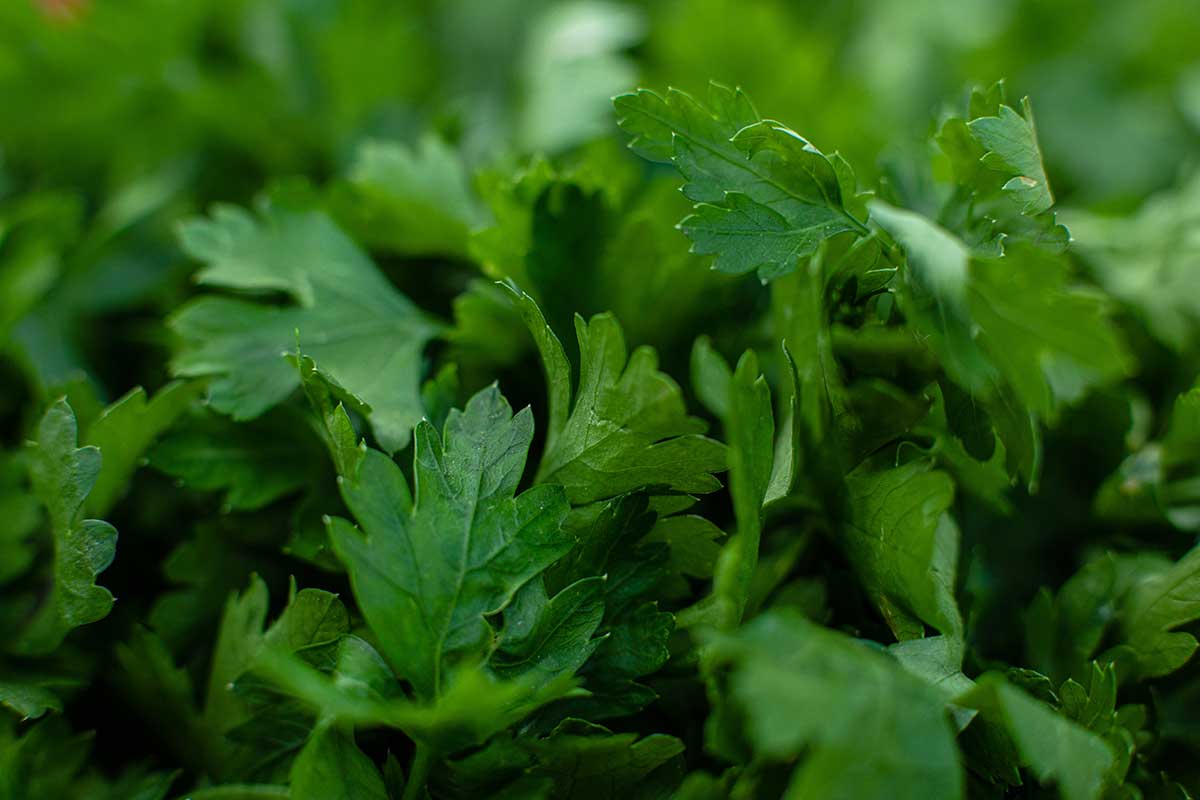
Cilantro (Coriandrum sativum), also known as coriander, is a popular gardening herb valued for its distinctive flavor and versatility in the kitchen. While the fresh leaves are commonly referred to as cilantro, the seeds are known as coriander and are widely used as a spice. This herb belongs to the parsley family (Apiaceae) and has been cultivated for thousands of years in many parts of the world.
Cilantro is a key ingredient in numerous cuisines, including Mexican, Indian, Middle Eastern, Thai, and Vietnamese dishes. Its fresh, citrus-like flavor adds brightness to salsas, salads, soups, curries, marinades, and sauces. The leaves are often used as a garnish, while the seeds provide a warm, slightly sweet flavor in spice blends and cooked dishes.
How To Grow Cilantro
Cilantro is relatively easy to grow and performs best in full sun to partial shade with well-draining soil. Unlike many herbs that thrive in hot weather, cilantro prefers cooler temperatures and may bolt, or produce flowers, quickly during periods of intense summer heat. To enjoy a continuous harvest, many gardeners sow new seeds every few weeks throughout the growing season.
Harvesting Cilantro
The leaves can be harvested once the plant becomes established and reaches several inches in height. Regular harvesting encourages fresh growth and helps delay flowering. If the plant does flower, the seeds can be collected and dried for use as coriander spice.
Benefits Of Growing Cilantro
Cilantro is an excellent addition to home herb gardens because it offers two useful harvests: flavorful leaves and aromatic seeds. The herb also attracts beneficial insects and pollinators when allowed to flower. In addition to its culinary value, cilantro contains antioxidants and has been traditionally used in various wellness practices around the world. Whether grown in garden beds or containers, cilantro rewards gardeners with fresh, flavorful leaves for much of the growing season.
Dill
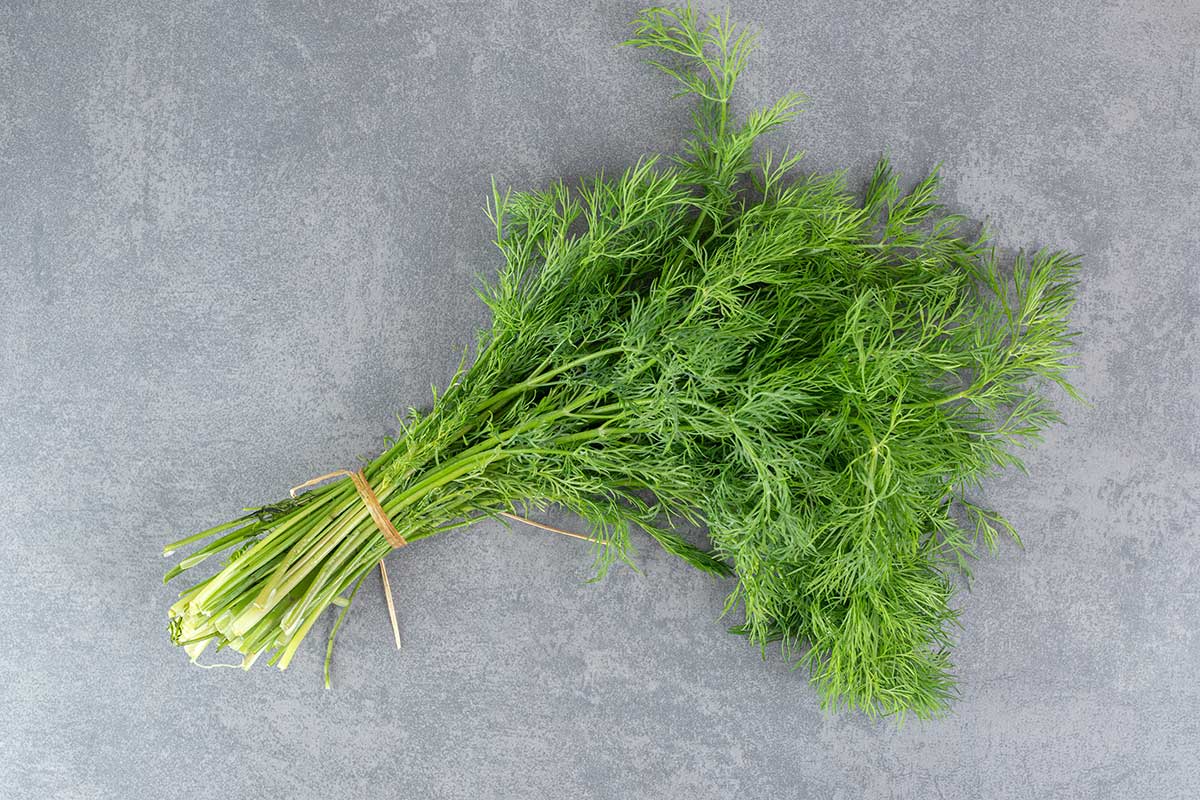
Dill (Anethum graveolens) is a popular gardening herb known for its feathery blue-green leaves, distinctive flavor, and versatility in the kitchen. Native to parts of Europe and Asia, dill has been cultivated for centuries and remains a favorite herb in Scandinavian, German, Eastern European, and Mediterranean cuisines. Both the leaves, often called dill weed, and the seeds are widely used in cooking.
Dill is perhaps best known for its role in pickling, but it also adds fresh flavor to salads, soups, seafood dishes, potatoes, sauces, and dressings. Its light, slightly tangy taste pairs particularly well with fish, yogurt-based dishes, and fresh vegetables. The seeds are commonly used as a spice and have a stronger flavor than the leaves.
How To Grow Dill
Dill is an annual herb that grows quickly from seed and thrives in full sun. It prefers fertile, well-draining soil and benefits from regular watering during dry periods. Once established, dill is relatively drought-tolerant and requires minimal maintenance. Because dill develops a long taproot, it grows best when seeds are sown directly into the garden rather than transplanted.
Harvesting Dill
The leaves can be harvested as soon as the plant becomes established and produces sufficient foliage. Fresh dill leaves are most flavorful when harvested before the plant flowers. For a continuous harvest, trim leaves regularly throughout the growing season.
If you wish to harvest dill seeds, allow the flower heads to mature and dry naturally on the plant. Once the seed heads turn brown, cut them off and place them in a paper bag to finish drying. The seeds can then be stored in an airtight container for future culinary use or planting.
Benefits Of Growing Dill
Dill is an excellent herb for home gardens because it grows quickly and provides multiple harvests. The plant’s bright yellow flowers attract beneficial insects and pollinators, including bees and butterflies. Gardeners also appreciate dill for its ability to attract beneficial predatory insects that help control common garden pests. With its culinary versatility, attractive appearance, and easy-growing nature, dill is a valuable addition to any herb garden.
Mint
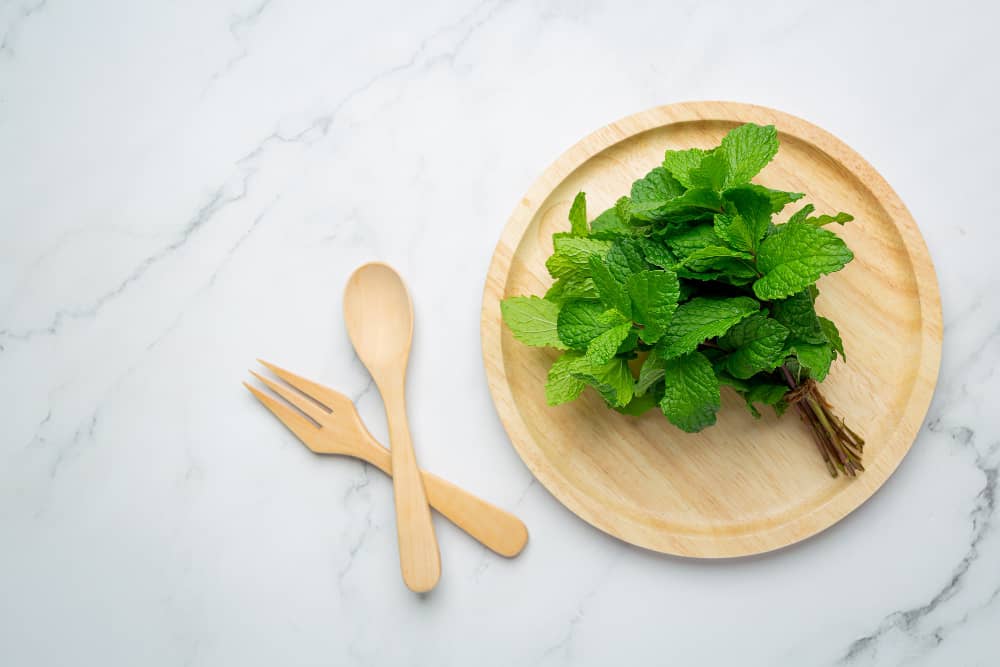
Mint (Mentha spp.) is one of the most popular gardening herbs thanks to its refreshing aroma, vigorous growth, and wide range of uses. This hardy perennial herb has been cultivated for centuries and is prized for its cooling flavor, making it a favorite in teas, desserts, beverages, salads, and savory dishes. Mint is also valued for its fragrant foliage, which adds beauty and scent to herb gardens, patios, and outdoor living spaces.
One of the reasons mint is so popular among gardeners is its ease of cultivation. It adapts to a variety of growing conditions and can thrive in both garden beds and containers. There are many varieties of mint to choose from, including spearmint, peppermint, chocolate mint, apple mint, and pineapple mint, each offering its own unique flavor and fragrance.
How To Grow Mint
Mint grows best in fertile, moist, well-draining soil and prefers a location with full sun to partial shade. While mint appreciates regular watering, established plants are generally quite resilient and can tolerate short periods of drought. Because mint spreads aggressively through underground runners, many gardeners choose to grow it in containers to prevent it from taking over other areas of the garden.
Harvesting Mint
Mint can be harvested throughout the growing season once the plants become established. For the best flavor, harvest leaves before the plant begins flowering. Use clean scissors or pruning shears to cut stems just above a leaf node, which encourages bushier growth and continued production. Fresh leaves can be used immediately or preserved by drying or freezing for later use.
Benefits Of Growing Mint
Mint is one of the most versatile herbs you can grow. Fresh leaves are commonly used in herbal teas, cocktails, desserts, fruit salads, sauces, and savory dishes. The plant’s pleasant fragrance also makes it popular in homemade potpourri, natural cleaning products, and aromatherapy applications.
In addition to its culinary uses, mint attracts pollinators such as bees and butterflies when allowed to flower. Its vigorous growth, refreshing scent, and low-maintenance nature make mint an excellent choice for beginner gardeners and experienced herb enthusiasts alike. Whether grown in containers or garden beds, mint can provide a steady harvest year after year.
Rosemary
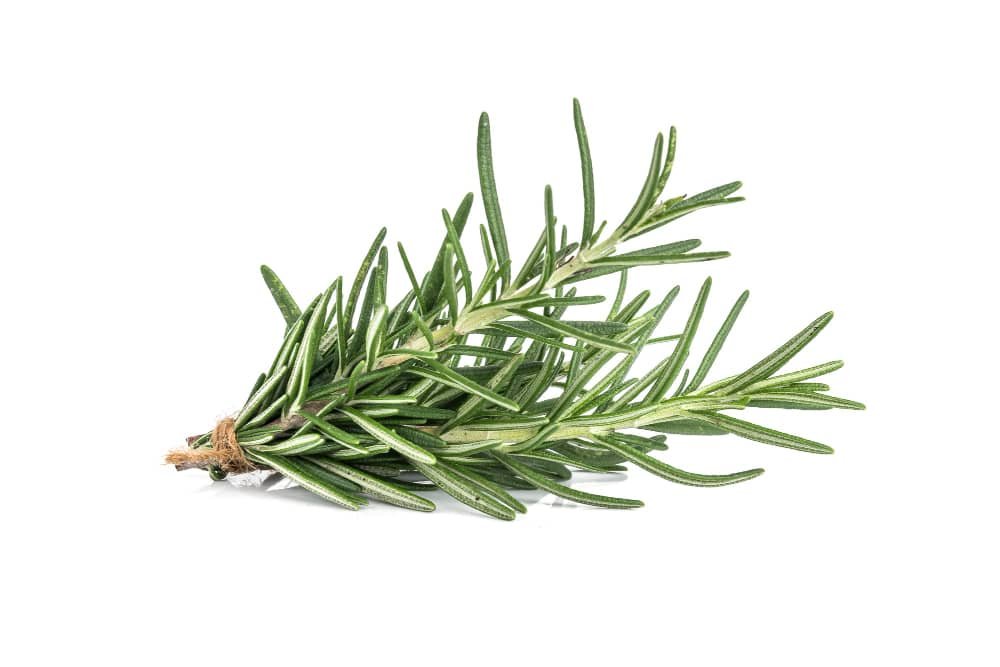
Rosemary (Salvia rosmarinus, formerly Rosmarinus officinalis) is a fragrant evergreen herb that has been treasured for centuries for its culinary, ornamental, and traditional wellness uses. Native to the Mediterranean region, rosemary is known for its needle-like leaves, woody stems, and distinctive aroma. It remains one of the most popular gardening herbs because it is attractive, drought-tolerant, and highly versatile in the kitchen.
Rosemary’s bold, earthy flavor pairs well with roasted vegetables, potatoes, soups, stews, poultry, pork, lamb, and seafood. The herb can be used fresh or dried and is a staple ingredient in many Mediterranean recipes. In addition to cooking, rosemary is commonly used in herbal teas, infused oils, and homemade garden crafts.
How To Grow Rosemary
Rosemary thrives in full sun and prefers well-draining soil. Once established, it is highly drought-tolerant and generally requires less water than many other garden herbs. Overwatering is one of the most common causes of rosemary problems, so it is important to allow the soil to dry slightly between waterings.
In warmer climates, rosemary can grow as a perennial shrub and provide harvests for many years. Gardeners in colder regions often grow rosemary in containers so it can be moved indoors during winter. The plant can be propagated from seeds, cuttings, or division, although cuttings are typically the easiest and fastest method.
Harvesting Rosemary
Rosemary can be harvested throughout the year once the plant is well established. Simply snip individual stems as needed, taking care not to remove too much growth at one time. Fresh rosemary can be used immediately, while excess stems can be dried for long-term storage.
To dry rosemary, gather several stems into small bundles and hang them upside down in a warm, dry location with good air circulation. Once the leaves are completely dry, remove them from the stems and store them in airtight containers away from direct sunlight.
Benefits Of Growing Rosemary
Rosemary is appreciated not only for its flavor in the kitchen but also for the beauty it brings to the garden. Its evergreen foliage provides year-round interest in herb gardens, while its small blue, purple, pink, or white flowers attract bees and other pollinators. The plant’s strong fragrance can also help deter certain garden pests.
Because rosemary is relatively low-maintenance, drought-resistant, and productive, it is an excellent choice for herb gardens, raised beds, and containers. With proper care, a single rosemary plant can provide fresh harvests for many years while adding beauty and fragrance to the garden.
Sage
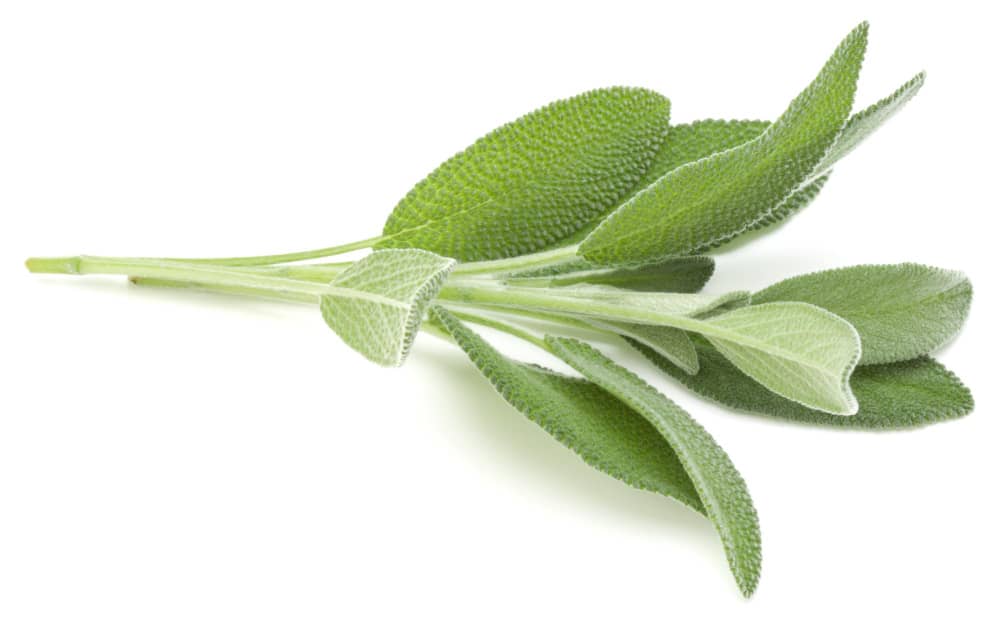
Sage (Salvia officinalis) is a popular gardening herb known for its aromatic gray-green leaves, earthy flavor, and attractive appearance. Native to the Mediterranean region, sage has been cultivated for centuries and remains a favorite herb in kitchens and gardens around the world. Its distinctive taste makes it a common ingredient in poultry dishes, stuffing recipes, roasted vegetables, soups, and savory sauces.
Beyond its culinary value, sage is appreciated for its ornamental qualities. The plant produces attractive foliage and spikes of purple-blue flowers that can attract bees, butterflies, and other pollinators to the garden. Its drought tolerance and low-maintenance nature make it an excellent choice for beginner and experienced gardeners alike.
How To Grow Sage
Sage thrives in full sun and prefers well-draining soil. Once established, it is highly drought-tolerant and generally requires less water than many other herbs. Overwatering should be avoided, as excessively wet soil can lead to root rot and other growing problems.
This perennial herb can be grown in garden beds, raised planters, or containers. Sage can be started from seeds, cuttings, or nursery-grown plants. Because it forms a compact shrub-like shape, it works well as both an herb and an ornamental garden plant.
Harvesting Sage
Sage leaves can be harvested throughout the growing season once the plant becomes established. For the best flavor, pick young, healthy leaves as needed. Regular harvesting encourages new growth and helps maintain the plant’s shape. Fresh sage can be used immediately in cooking, while excess leaves can be dried for long-term storage.
To preserve sage, harvest stems and hang them upside down in a warm, dry area with good airflow. Once the leaves are completely dry, store them in airtight containers away from heat and sunlight.
Benefits Of Growing Sage
Sage is valued for its rich flavor, attractive appearance, and long history of traditional use. The leaves contain naturally occurring antioxidants and have been used in traditional herbal practices for centuries. While many people appreciate sage for its historical uses, it is most commonly grown today for its rich flavor and attractive appearance.
Because sage is evergreen in many climates, drought-resistant, and relatively pest-resistant, it provides year-round interest in the garden. Its beautiful foliage, fragrant leaves, and versatility make sage one of the most rewarding herbs to grow at home.
Thyme
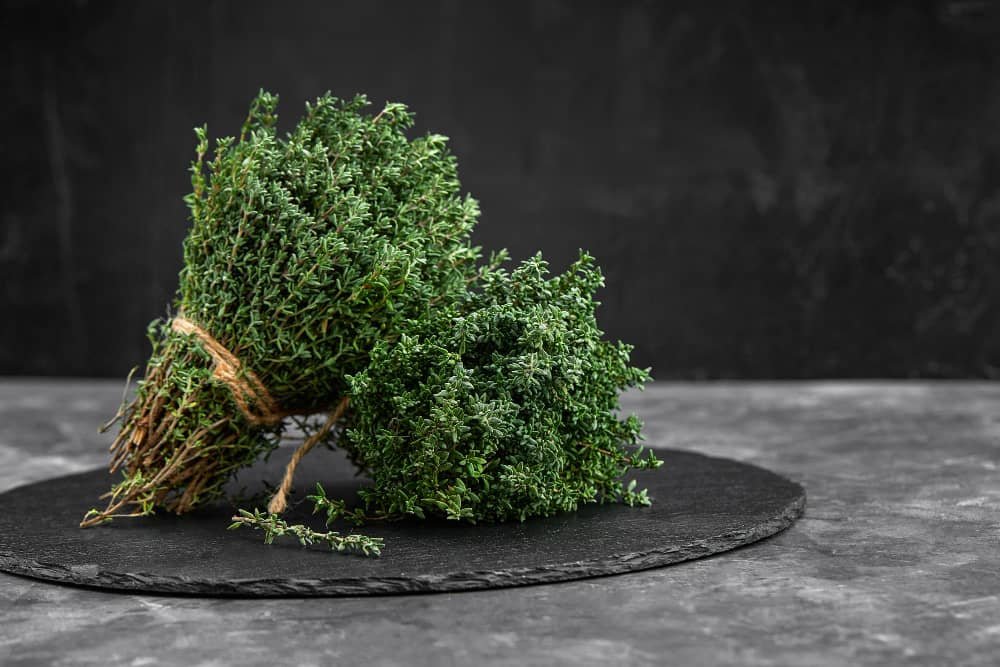
Thyme (Thymus vulgaris) is one of the most popular gardening herbs and a staple in kitchens around the world. Native to the Mediterranean region, this aromatic perennial herb belongs to the mint family (Lamiaceae) and has been valued for its culinary and traditional uses for thousands of years. Its small leaves pack a powerful flavor, making thyme a favorite ingredient in soups, stews, roasted vegetables, meat dishes, sauces, and marinades.
In addition to its culinary appeal, thyme is an attractive garden plant that produces tiny flowers loved by bees and other pollinators. Its compact growth habit makes it suitable for herb gardens, raised beds, borders, rock gardens, and containers.
How To Grow Thyme
Thyme thrives in full sun and prefers well-draining soil. Once established, it is highly drought-tolerant and requires very little maintenance. In fact, thyme often performs better in slightly dry conditions than in overly moist soil. Because of its hardy nature, thyme is an excellent choice for beginner gardeners.
This perennial herb can be grown from seeds, cuttings, or nursery plants. Over time, thyme forms low-growing mats of fragrant foliage that can return year after year in suitable climates.
Harvesting Thyme
Thyme can be harvested throughout the growing season as needed. Simply snip stems with clean scissors or pruning shears, taking care not to remove too much growth at once. The leaves can be used fresh or dried for later use.
For drying, gather small bundles of thyme stems and hang them upside down in a warm, dry location with good air circulation. Once the leaves are completely dry, remove them from the stems and store them in airtight containers away from direct sunlight.
Benefits Of Growing Thyme
Thyme is loved for both its culinary uses and its attractive appearance in the garden. Its fragrant foliage adds beauty and texture to herb gardens, while its flowers help attract pollinators. The herb is also relatively resistant to pests and diseases, making it a low-maintenance addition to the garden.
With its flavorful leaves, drought tolerance, and year-round garden appeal, thyme remains one of the most rewarding herbs for home gardeners. Whether grown for cooking, herbal teas, or simply as an attractive garden plant, thyme is an excellent choice for gardens of all sizes.
Oregano
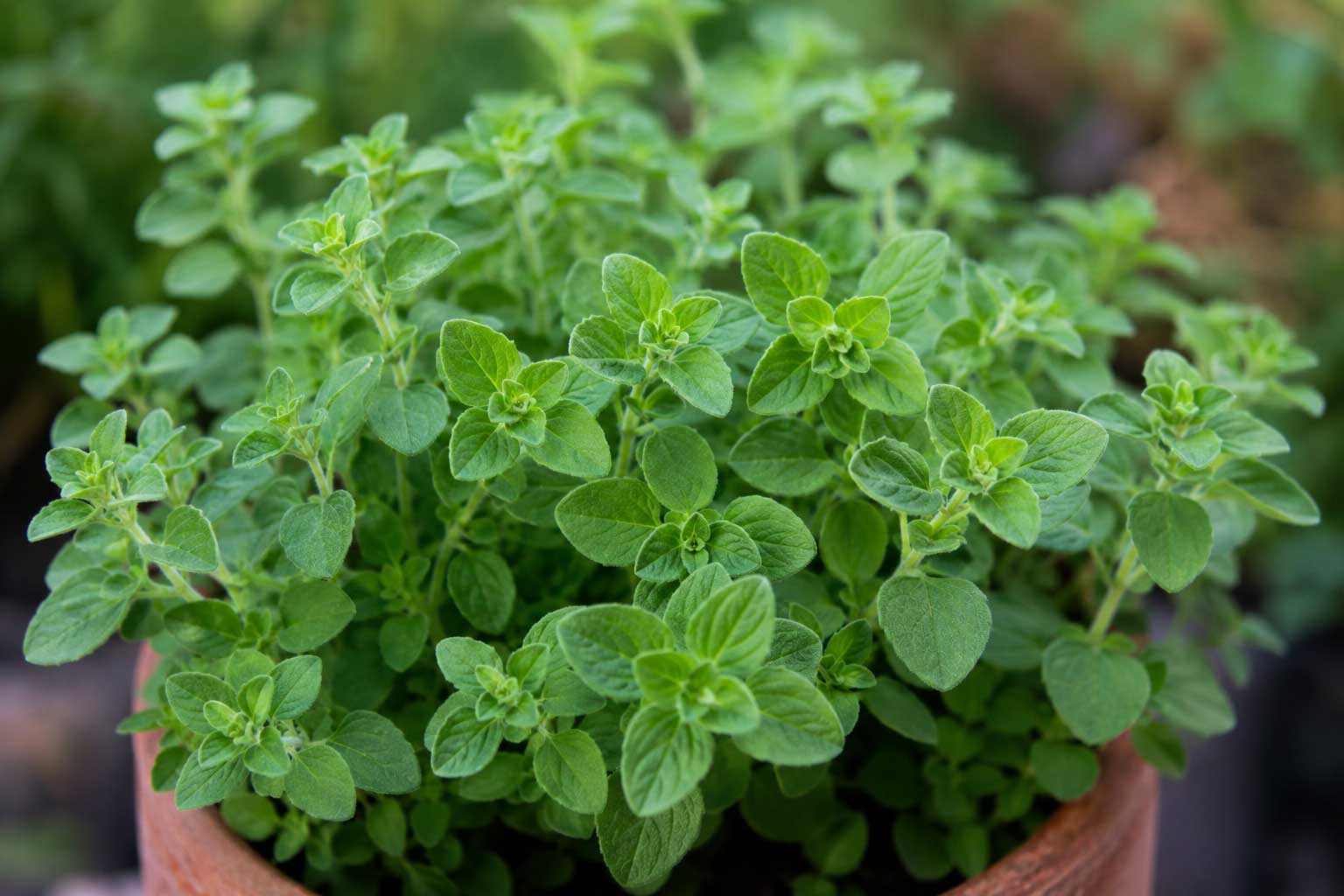
Oregano (Origanum vulgare) is one of the most popular gardening herbs and a staple ingredient in Mediterranean, Italian, and Greek cuisine. Known for its bold, slightly peppery flavor and fragrant leaves, oregano is widely used to season pizzas, pasta sauces, roasted vegetables, grilled meats, soups, and salads. This hardy perennial herb belongs to the mint family and is prized for both its culinary value and ease of cultivation.
Native to the Mediterranean region, oregano has been grown for centuries and remains a favorite among home gardeners. Its attractive green foliage and clusters of small pink, purple, or white flowers make it a beautiful addition to herb gardens while also attracting bees, butterflies, and other beneficial pollinators.
How To Grow Oregano
Oregano thrives in full sun and prefers well-draining soil. Once established, it is highly drought-tolerant and requires relatively little maintenance, making it an excellent choice for beginner gardeners. Oregano grows well in garden beds, raised planters, and containers, where it can provide a steady harvest throughout the growing season.
The plant can be grown from seeds, cuttings, or nursery transplants. As a perennial herb in many climates, oregano often returns year after year and gradually spreads to form a dense, productive clump of foliage.
Harvesting Oregano
Oregano leaves can be harvested as soon as the plant becomes established and produces enough growth. For the strongest flavor, harvest stems before the plant begins flowering. Regular harvesting encourages bushier growth and helps maintain a compact shape.
Fresh oregano can be used immediately in cooking, while excess stems can be dried for long-term storage. To dry oregano, gather several stems into small bundles and hang them upside down in a warm, well-ventilated area. Once dry, remove the leaves and store them in airtight containers away from light and moisture.
Benefits Of Growing Oregano
Oregano is one of the easiest herbs to grow and provides abundant harvests with minimal effort. The plant is naturally drought-tolerant, relatively pest-resistant, and adaptable to a wide range of growing conditions. Its flowers attract pollinators, making it beneficial for vegetable and flower gardens as well.
Whether you’re creating a culinary herb garden, growing herbs in containers, or looking for a low-maintenance perennial, oregano is an excellent choice. Its rich flavor, attractive appearance, and reliable growth make it one of the most rewarding herbs to grow at home.
Parsley
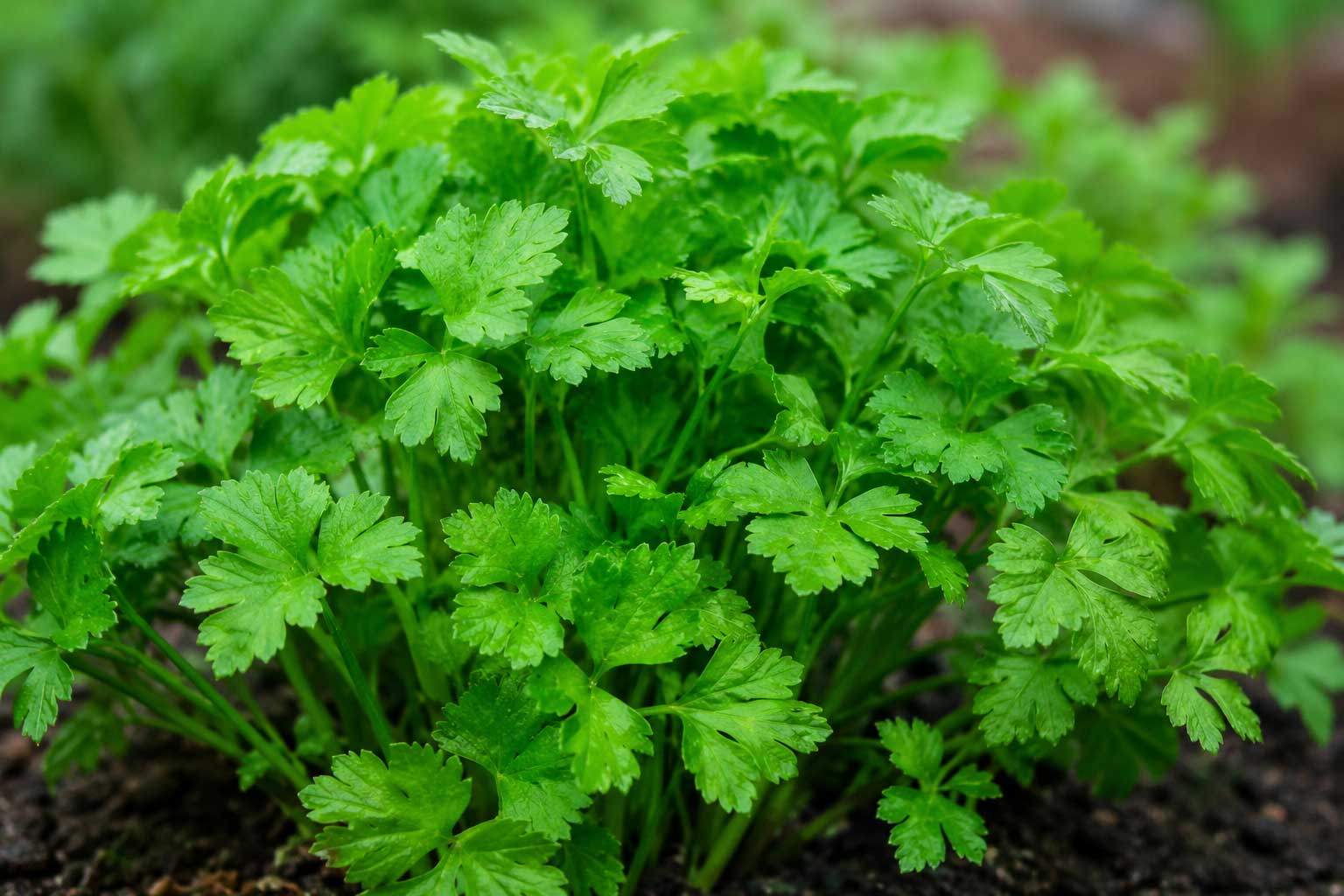
Parsley (Petroselinum crispum) is one of the most widely grown herbs in home gardens and a favorite ingredient in cuisines around the world. Known for its fresh, mild flavor and vibrant green leaves, parsley is often used as both a seasoning and a garnish. It belongs to the carrot family (Apiaceae) and is available in two main varieties: curly parsley and flat-leaf parsley, also known as Italian parsley.
This versatile herb complements a wide range of dishes, including soups, salads, sauces, marinades, roasted vegetables, and seafood recipes. Because of its mild taste, parsley blends easily with other herbs and ingredients without overpowering them.
How To Grow Parsley
Parsley grows best in full sun to partial shade and prefers fertile, well-draining soil that remains consistently moist. It can be grown in garden beds, raised planters, or containers, making it suitable for gardens of all sizes.
Although parsley can be started from seed, germination is often slow and may take several weeks. Many gardeners choose to begin with nursery-grown plants for faster results. With proper care, parsley can provide a steady harvest throughout much of the growing season.
Harvesting Parsley
Parsley can be harvested once the plant has developed several stems and healthy leaves. For the best results, cut the outer stems near the base of the plant while allowing the center growth to continue developing. Regular harvesting encourages fresh growth and helps keep plants productive.
Fresh parsley can be used immediately or preserved by drying or freezing. Freezing often helps retain more flavor than drying, making it a popular storage method for home gardeners.
Benefits Of Growing Parsley
Parsley is easy to grow, highly productive, and useful in countless recipes. Its attractive foliage makes it a great addition to herb gardens, while its flowers can attract beneficial insects and pollinators if allowed to bloom.
Whether grown for cooking, garnishing dishes, or adding greenery to the garden, parsley is a reliable herb that offers both beauty and practicality. Its versatility and low-maintenance nature make it an excellent choice for beginner and experienced gardeners alike.
Choosing The Right Herbs For Your Garden
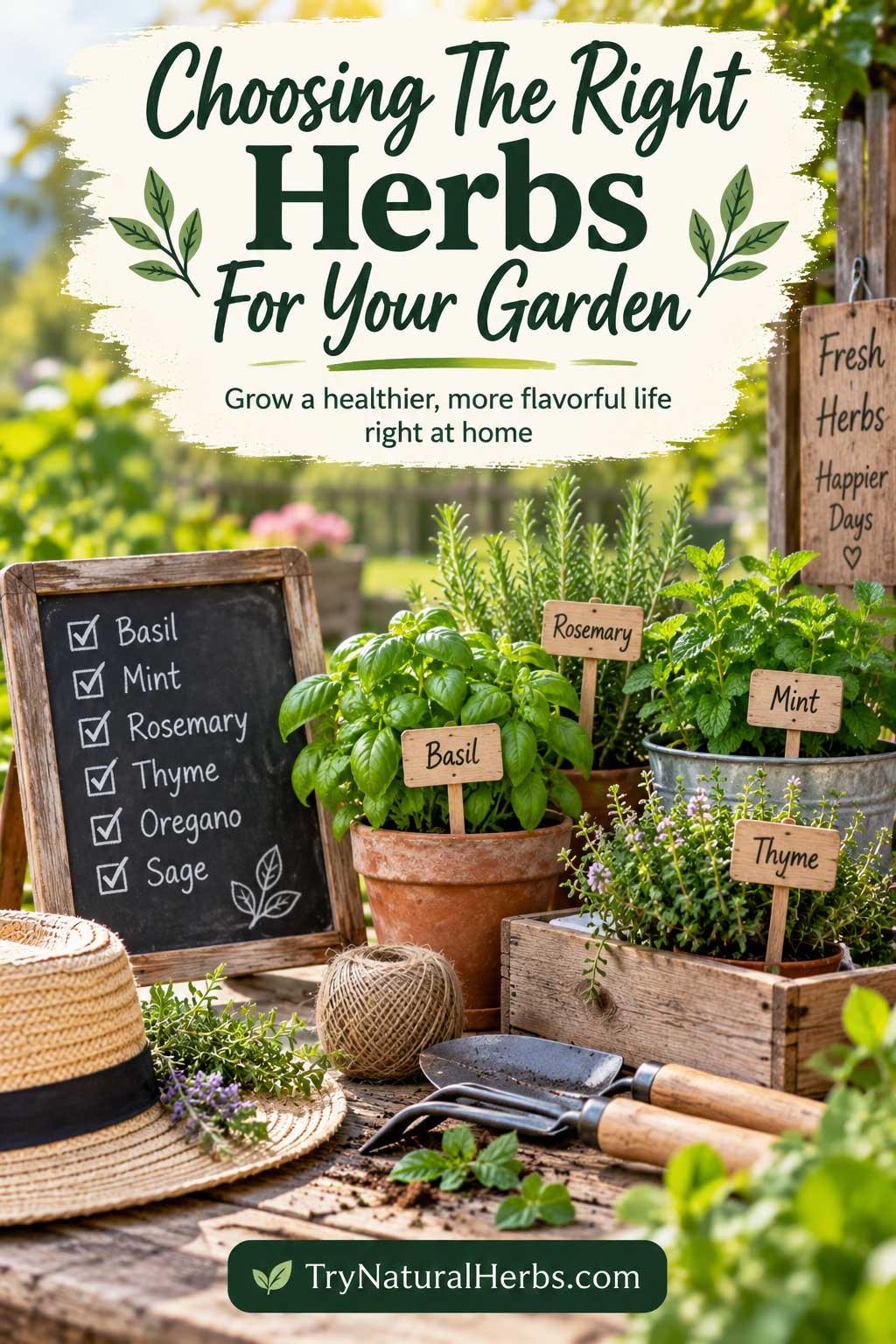
Selecting the right herbs for your garden can make gardening more enjoyable and productive. While many herbs are relatively easy to grow, choosing varieties that match your climate, gardening space, and cooking preferences will help ensure long-term success. By planning carefully, you can create an herb garden that provides fresh harvests throughout the growing season.
Consider Your Climate
Different herbs thrive in different growing conditions. Warm-weather herbs such as basil, rosemary, and oregano prefer plenty of sunshine and higher temperatures, while herbs like cilantro and parsley often perform better in cooler conditions. Understanding your local climate and growing season can help you select herbs that are most likely to thrive in your area.
If you live in a region with cold winters, consider growing tender herbs in containers so they can be moved indoors when temperatures drop. Hardy perennial herbs such as thyme, sage, mint, and oregano can often survive winter and return the following year in many climates.
Grow Herbs Based On How You Cook
One of the best ways to choose herbs is to think about the foods you prepare most often. If you enjoy Italian cooking, basil, oregano, parsley, and rosemary are excellent choices. Those who frequently prepare soups, roasted vegetables, and meat dishes may appreciate thyme and sage. If you enjoy herbal teas, herbs such as mint, chamomile, and lemon balm can be rewarding additions to your garden.
Growing herbs that you regularly use in your kitchen ensures that your harvests will not go to waste and allows you to enjoy fresh flavors whenever you cook.
Annual Vs. Perennial Herbs
Understanding the difference between annual and perennial herbs is important when planning your garden. Annual herbs complete their life cycle in a single growing season and typically need to be replanted each year. Common annual herbs include basil, cilantro, and dill.
Perennial herbs return year after year in suitable growing conditions. Popular perennial herbs include mint, rosemary, sage, thyme, oregano, and chives. Combining both annual and perennial herbs can help create a diverse and productive herb garden that provides fresh harvests throughout the year.
| Annual Herbs | Perennial Herbs |
|---|---|
| Basil | Mint |
| Cilantro | Rosemary |
| Dill | Sage |
| Parsley* | Thyme |
| Summer Savory | Oregano |
| Chives |
*Parsley is technically a biennial herb but is often grown as an annual in home gardens.
Annual herbs tend to grow quickly and provide abundant harvests during a single season, while perennial herbs establish deeper root systems and can continue producing for many years. A combination of both annual and perennial herbs can help create a productive herb garden that offers fresh harvests throughout the year.
Containers Vs. Garden Beds
Many popular gardening herbs grow successfully in either containers or traditional garden beds. Container gardening is ideal for patios, balconies, and small spaces. Containers also make it easier to control soil quality and prevent aggressive herbs such as mint from spreading throughout the garden.
Garden beds, on the other hand, provide more space for herbs to establish larger root systems and can accommodate a wider variety of plants. Whether you choose containers, raised beds, or traditional garden plots, selecting the right growing environment will help your herbs remain healthy and productive.
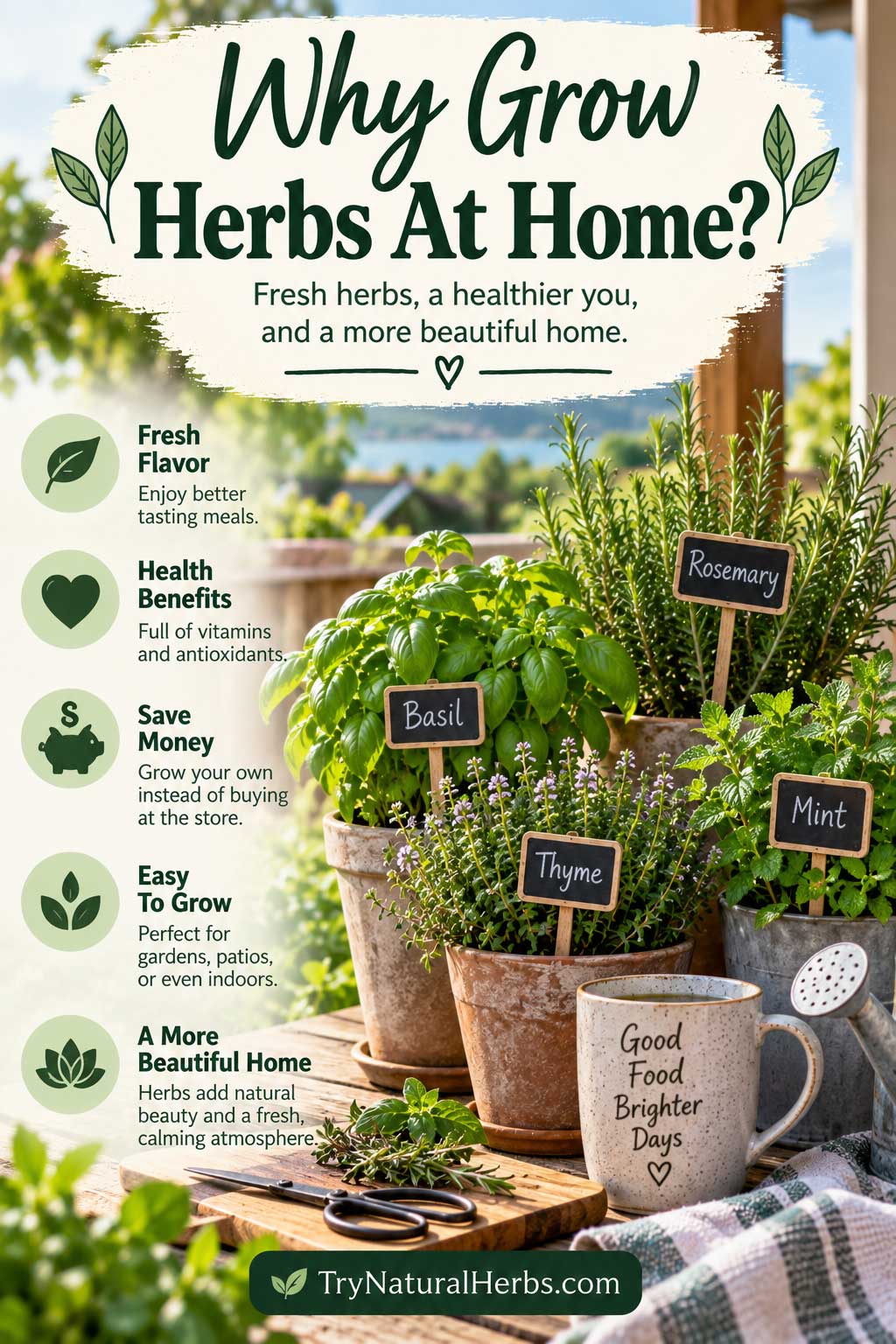
Why Grow Herbs At Home?
Popular gardening herbs offer one of the easiest ways to start a productive home garden while enjoying fresh ingredients throughout the growing season.
Fresh Herbs At Your Fingertips
Growing herbs at home gives you instant access to fresh ingredients whenever you need them. Instead of purchasing packaged herbs from the grocery store, you can harvest flavorful leaves directly from your garden, patio, or windowsill.
Save Money On Fresh Herbs
Fresh herbs can be surprisingly expensive when purchased regularly. A few herb plants can provide months of harvests, helping reduce grocery costs while supplying a steady source of fresh flavor for your meals.
Support Pollinators And Beneficial Insects
Many herbs produce flowers that attract bees, butterflies, and other beneficial pollinators. Adding herbs to your garden can help support local ecosystems while improving the health of nearby plants.
Enjoy Multiple Uses Beyond Cooking
Herbs are incredibly versatile. In addition to culinary uses, many herbs are commonly used in herbal teas, natural wellness practices, homemade beauty products, and decorative garden displays.
Perfect For Beginner Gardeners
Many popular gardening herbs are easy to grow, adaptable to containers, and relatively resistant to pests and diseases. Their low-maintenance nature makes them ideal for gardeners who are just getting started.
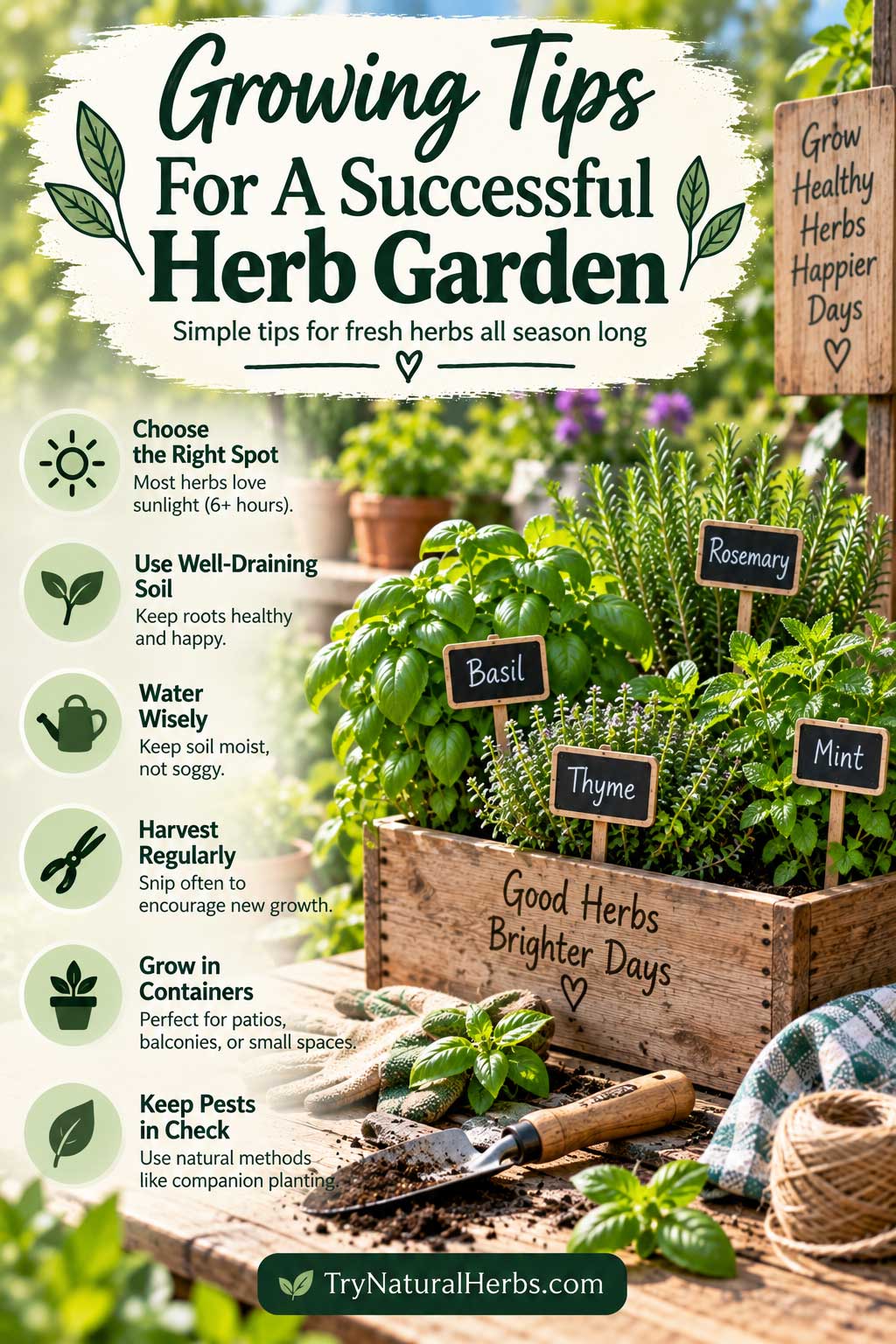
Growing Tips For A Successful Herb Garden
Choose A Sunny Location
Most herbs thrive in full sun and require at least six to eight hours of direct sunlight each day. Selecting a bright location is one of the most important factors for healthy growth and strong flavor development.
Use Well-Draining Soil
Herbs generally prefer loose, well-draining soil. Adding compost or organic matter can improve soil quality while helping prevent waterlogged roots that may lead to disease.
Water Herbs Properly
While herbs need regular watering, overwatering is one of the most common gardening mistakes. Allow the soil to dry slightly between waterings and adjust your schedule based on weather conditions and plant needs.
Harvest Frequently
Regular harvesting encourages herbs to produce new growth and remain productive throughout the season. Pinch or trim leaves often, but avoid removing too much growth at one time.
Consider Growing Herbs In Containers
Containers are an excellent option for small spaces and allow you to control soil quality more easily. Herbs such as mint are especially well-suited to container gardening because they can spread aggressively in traditional garden beds.
Mulch And Control Weeds
Applying mulch around herbs can help conserve moisture, regulate soil temperature, and reduce weed growth. Organic mulches such as straw or shredded leaves work particularly well.
Learn The Needs Of Each Herb
Although many herbs share similar growing requirements, each variety has unique preferences. Understanding the specific needs of basil, rosemary, mint, thyme, and other herbs will help you achieve the best results from your herb garden.
Harvesting And Storing Fresh Herbs
Proper harvesting and storage techniques can help you enjoy the flavor and aroma of fresh herbs long after they are picked. Regular harvesting not only provides ingredients for your kitchen but also encourages many herb plants to produce new growth throughout the season.
When To Harvest Herbs
The best time to harvest most herbs is in the morning after the dew has dried but before the heat of the day arrives. At this time, the plants typically contain the highest concentration of essential oils, resulting in stronger flavor and fragrance.
How To Harvest Herbs Correctly
Use clean, sharp scissors or pruning shears when harvesting herbs. Cut stems just above a leaf node to encourage branching and future growth. Avoid removing more than one-third of the plant at a time, as excessive harvesting can weaken the plant and reduce productivity.
Using Fresh Herbs Immediately
Fresh herbs can be used right after harvesting in a variety of dishes, including soups, salads, sauces, marinades, and herbal teas. Rinse them gently under cool water and pat dry before use.
Drying Herbs For Long-Term Storage
Drying is one of the easiest ways to preserve herbs. Bundle small stems together and hang them upside down in a warm, dry, and well-ventilated location away from direct sunlight. Once fully dried, store the leaves in airtight containers to help maintain flavor and aroma.
If you’d like a step-by-step guide, see our article on How To Dry Herbs For Tea At Home, where we cover several easy methods for preserving herbs while maintaining their flavor and aroma.
Freezing Fresh Herbs
Many herbs can also be frozen for later use. Chop fresh herbs and place them in ice cube trays with water or olive oil before freezing. This method works particularly well for basil, parsley, cilantro, and dill.
Proper Storage Tips
Store dried herbs in airtight glass containers in a cool, dark place. Properly stored herbs can retain their flavor for several months. Label containers with the herb name and harvest date to keep track of freshness.
Related Herb Gardening Guides
If you’re interested in expanding your herb garden and learning more about growing herbs for cooking, tea, and traditional wellness uses, be sure to explore these helpful guides:
- Best Herbs For Tea Gardens – Discover the top herbs to grow for homemade herbal teas and learn which varieties are easiest to cultivate.
- Growing Mint For Tea – Learn how to plant, grow, harvest, and use fresh mint for refreshing homemade herbal tea blends.
- Growing Chamomile For Tea – Explore the complete process of growing chamomile, from planting seeds to harvesting flowers for tea.
- Growing Lemon Balm For Tea – Find out how to cultivate lemon balm and enjoy its pleasant citrus aroma in homemade herbal infusions.
- How To Dry Herbs For Tea At Home – Learn several simple methods for drying and preserving herbs while maintaining their flavor and aroma.
- Herbal Medicine Basics – Discover the fundamentals of herbal medicine, including traditional uses, preparation methods, and important safety considerations.
FAQs About Popular Gardening Herbs
What Are The Easiest Herbs To Grow For Beginners?
Some of the easiest herbs to grow include basil, mint, thyme, chives, and oregano. These herbs are generally low-maintenance, adapt well to different growing conditions, and provide abundant harvests.
If you’re planning a tea garden, you may also enjoy our guide to the Best Herbs For Tea Gardens, which highlights beginner-friendly herbs that are perfect for homemade herbal teas.
Can Herbs Be Grown Indoors?
Yes, many herbs can be grown indoors successfully. Basil, mint, parsley, chives, thyme, and oregano are popular choices for indoor herb gardens. Most indoor herbs require a sunny window that receives at least six hours of direct sunlight daily.
Which Herbs Come Back Every Year?
Many herbs are perennial plants, meaning they return year after year in suitable climates. Popular perennial herbs include rosemary, thyme, sage, oregano, mint, and chives.
How Often Should Herbs Be Watered?
Watering frequency depends on the herb, container size, weather conditions, and soil type. Most herbs prefer soil that is slightly moist but not waterlogged. Check the soil regularly and water when the top inch feels dry.
Can Different Herbs Be Planted Together?
Yes, many herbs grow well together when they have similar sunlight and watering requirements. Basil, parsley, chives, and cilantro often make good companions, while drought-tolerant herbs such as rosemary, sage, and thyme are best grouped together.
Do Herbs Need Fertilizer?
Most herbs do not require heavy fertilization. Adding compost or organic matter to the soil is often sufficient. Excessive fertilizer can sometimes reduce the intensity of an herb’s flavor and aroma.
What Is The Best Herb To Grow In A Container?
Mint is one of the best herbs for container gardening because it grows vigorously and can spread aggressively when planted directly in the garden. Basil, thyme, rosemary, and oregano also perform very well in containers.
Which Herbs Grow Best Together?
Many herbs can be planted together if they share similar growing requirements. Basil, parsley, cilantro, and chives generally enjoy more moisture, while rosemary, sage, thyme, and oregano prefer drier conditions. Grouping herbs with similar needs makes watering and maintenance much easier.
Final Thoughts On Popular Gardening Herbs
These popular gardening herbs are a wonderful addition to almost any garden, offering beauty, fragrance, flavor, and practical uses throughout the year. Whether you’re growing basil for homemade sauces, mint for refreshing teas, rosemary for cooking, or thyme for seasoning your favorite dishes, herbs provide an easy and rewarding gardening experience for gardeners of all skill levels.
One of the greatest advantages of growing herbs is their versatility. Many herbs thrive in garden beds, raised planters, and containers, making them suitable for both large outdoor spaces and small balconies or patios. With proper sunlight, well-draining soil, and regular harvesting, most herbs can produce an abundant supply of fresh leaves throughout the growing season.
For beginners, herb gardening offers an excellent introduction to growing plants at home. Many popular herbs require minimal maintenance while providing continuous harvests for cooking, herbal teas, and natural wellness practices. As your confidence grows, you can experiment with additional varieties and create a diverse herb garden tailored to your needs.
If you’re interested in growing herbs specifically for herbal teas, be sure to explore our guides on Growing Mint For Tea, Growing Chamomile For Tea, and Growing Lemon Balm For Tea. These popular herbs are easy to cultivate and can provide fresh ingredients for a variety of homemade herbal tea blends.
Whether you’re starting your first herb garden or expanding an existing collection, these popular gardening herbs provide an excellent foundation for a productive and enjoyable growing experience. With a little care and attention, you’ll be able to enjoy fresh, homegrown herbs for months to come.