 By
By Spearmint (Mentha spicata) is a refreshing herb known for its sweet flavor, mild minty aroma, and wide range of culinary and traditional uses. It is commonly enjoyed as tea, added to salads and sauces, and used in chewing gum, toothpaste, and other oral-care products.
Unlike peppermint, spearmint contains relatively little menthol, giving it a softer and less intensely cooling taste. The leaves also contain plant compounds such as rosmarinic acid, flavonoids, and aromatic oils that have attracted scientific interest.
Researchers have also taken an interest in spearmint, especially its antioxidant compounds and its possible effects on digestion, cognition, and androgen hormones.
In this guide, you’ll learn about spearmint benefits, spearmint tea, possible side effects, culinary uses, how it compares with peppermint, and practical ways to use and grow the herb safely.

What Is Spearmint?
Spearmint is a perennial aromatic herb in the mint family, Lamiaceae. Its scientific name is Mentha spicata, and it is closely related to peppermint, water mint, apple mint, and other members of the Mentha genus.
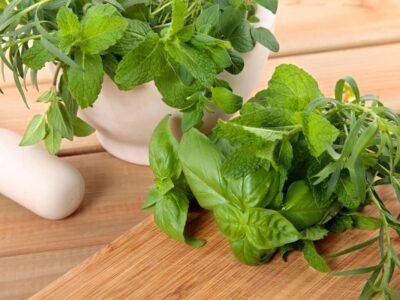
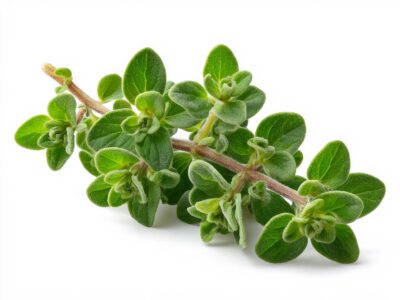
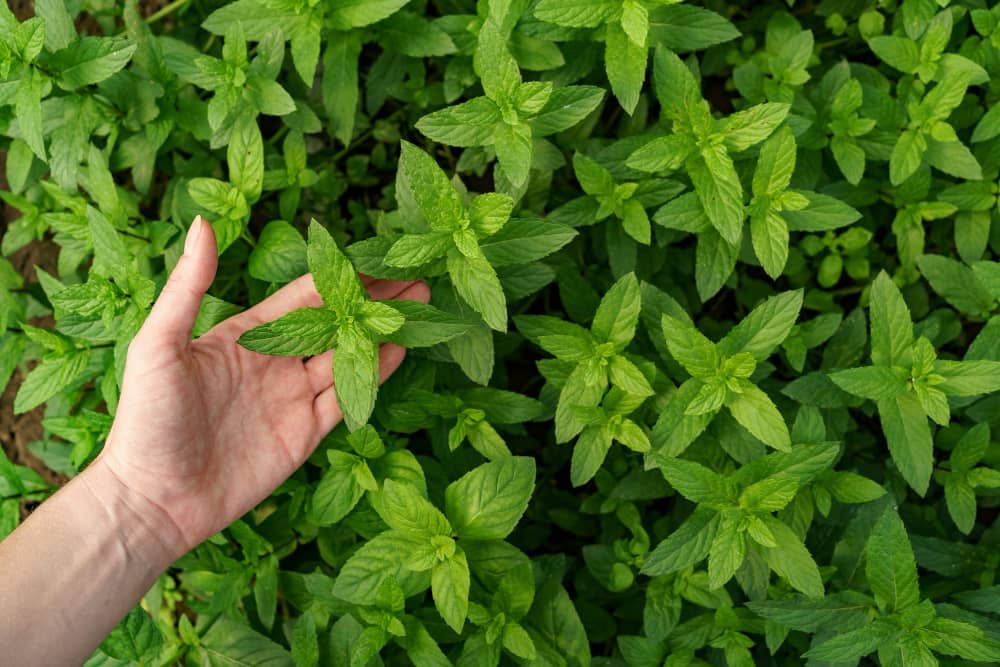
The herb gets its name from its pointed, spear-shaped leaves. Spearmint typically has bright green leaves with serrated edges, square stems, and small pink, purple, or white flowers.
Like many mint plants, it spreads through underground stems called rhizomes and can quickly take over a garden bed if it is not contained.
Spearmint is native to parts of Europe and Asia but is now grown in many regions around the world. It prefers moist, well-drained soil and can grow in full sun or partial shade.
The leaves are the most commonly used part of the plant and may be used fresh or dried for:
- Herbal tea
- Salads and sauces
- Meat and vegetable dishes
- Desserts and beverages
- Chewing gum and candy
- Toothpaste and mouthwash
- Fragrances and personal-care products
One of the main compounds responsible for spearmint’s characteristic aroma is carvone, which gives the herb its naturally sweet, fresh scent.
Spearmint at a Glance
| Characteristic | Details |
|---|---|
| Scientific name | Mentha spicata |
| Plant family | Lamiaceae |
| Common names | Spearmint, garden mint, common mint |
| Plant type | Perennial herb |
| Commonly used parts | Leaves and essential oil |
| Flavor | Sweet, fresh, mildly cooling |
| Main aromatic compound | Carvone |
| Typical uses | Tea, cooking, oral care, fragrance, traditional herbal use |
| Caffeine content | Naturally caffeine-free |
| Growing habit | Fast-spreading and vigorous |
Spearmint is popular because it is easy to grow, simple to use, and versatile in both food and herbal preparations.
What Does Spearmint Taste and Smell Like?
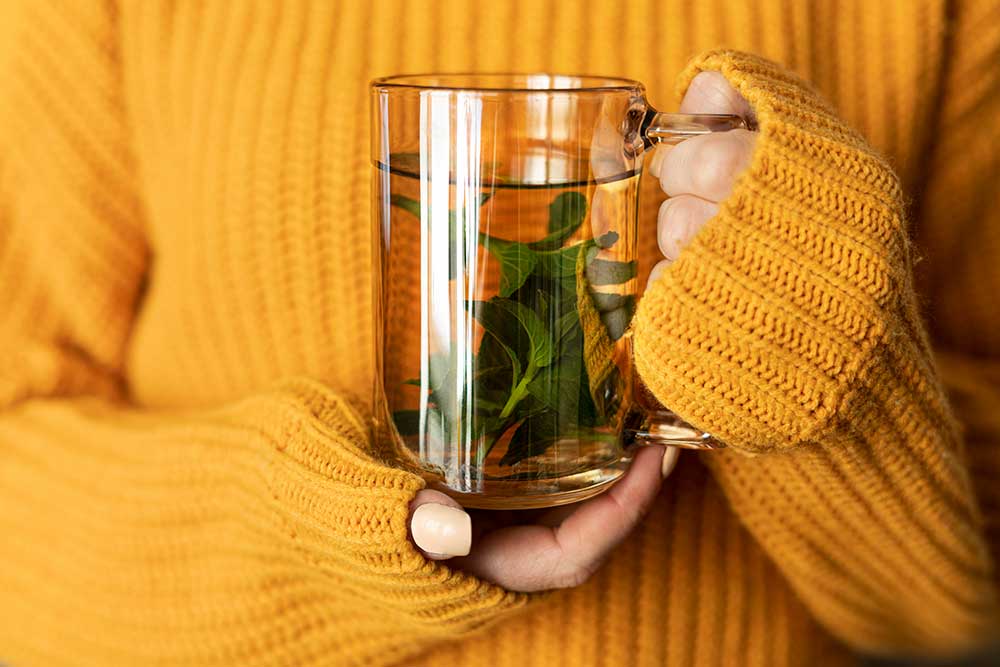
Spearmint has a fresh, sweet, and gently cooling flavor. Compared with peppermint, it is usually milder, less intense, and less mentholated, which makes it especially versatile in both sweet and savory recipes.
Its aroma is bright, clean, and slightly sweet. Much of that familiar scent comes from carvone, one of spearmint’s main aromatic compounds.
Fresh spearmint leaves usually taste:
- Sweet and herbaceous
- Mildly cooling
- Slightly grassy
- Clean and refreshing
- Less pungent than peppermint
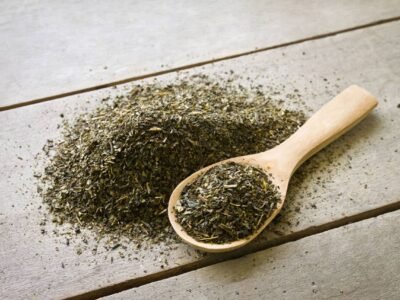
Dried spearmint has a warmer, deeper flavor and is often slightly more concentrated by volume. It still works very well for tea, soups, marinades, and seasoning blends.
Spearmint Flavor in Tea
Spearmint tea is smooth, refreshing, and naturally caffeine-free. It has a mild natural sweetness and pairs especially well with:
- Lemon or lime
- Ginger
- Chamomile
- Hibiscus
- Honey
- Cucumber
- Fresh berries
For a balanced flavor, steep spearmint for about 5 to 10 minutes. Longer steeping can produce a stronger and slightly more bitter cup.
Fresh Spearmint vs. Dried Spearmint Flavor
| Form | Flavor and aroma | Best uses |
|---|---|---|
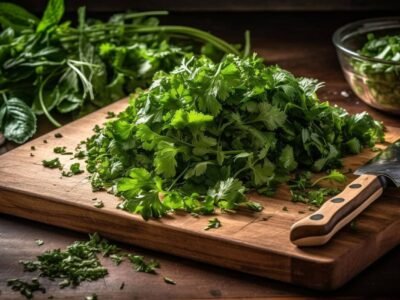
| Fresh spearmint | Bright, sweet, grassy, and highly aromatic | Salads, sauces, cold drinks, garnishes, and fresh tea |
| Dried spearmint | Warmer, deeper, and more concentrated | Herbal tea, soups, spice blends, and marinades |
| Spearmint essential oil | Very concentrated and strongly aromatic | Fragrance, flavoring, and properly formulated products |
Fresh spearmint is best when you want a bright, garden-fresh flavor, while dried spearmint is more convenient for everyday tea and cooking.
Spearmint’s Key Plant Compounds
Spearmint contains aromatic oils, phenolic acids, flavonoids, and other naturally occurring plant compounds that contribute to its flavor, fragrance, and biological activity.
Its chemical profile can vary depending on the plant variety, growing conditions, harvest time, drying method, storage, and extraction process. This is important because fresh leaves, tea, extracts, and essential oil can differ significantly in strength and composition.
Carvone
Carvone is one of the main aromatic compounds in spearmint essential oil and is largely responsible for the herb’s sweet, fresh scent.
It is also widely used in:
- Chewing gum
- Toothpaste and mouthwash
- Candy and beverages
- Food flavorings
- Fragrances and cosmetics
Unlike peppermint, which is rich in menthol, spearmint is typically much more strongly associated with carvone.
Rosmarinic Acid
Rosmarinic acid is one of the main phenolic compounds found in spearmint leaves and water-based preparations such as tea.
It is studied primarily for its antioxidant activity and is also found in herbs such as rosemary, lemon balm, sage, and peppermint.
Its rosmarinic acid content is one reason researchers are interested in spearmint’s antioxidant properties. However, the presence of this compound alone does not mean that drinking spearmint tea prevents disease.
Limonene
Limonene is another aromatic compound that may occur in spearmint essential oil. It is best known for its citrus-like aroma and is also abundant in the peels of lemons, oranges, and other citrus fruits.
The amount found in spearmint varies considerably between plant varieties and growing conditions.
Flavonoids
Spearmint also contains flavonoids, a broad group of plant compounds commonly found in herbs, fruits, vegetables, and tea.
Compounds identified in spearmint preparations may include:
- Luteolin
- Apigenin
- Quercetin
- Rutin
- Naringenin
- Catechin
These compounds are widely studied for antioxidant and cell-protective activity, although much of the evidence comes from laboratory research.
Other Aromatic Compounds
Depending on the variety, spearmint essential oil may also contain smaller amounts of compounds such as:
- 1,8-cineole
- Menthone
- Menthol
- Carveol
- Dihydrocarvone
- Linalool
- Terpinen-4-ol
Spearmint normally contains much less menthol than peppermint, which helps explain its softer and sweeter flavor.
Spearmint Products Are Not Chemically Identical
| Spearmint product | Main characteristics |
|---|---|
| Fresh leaves | Contain water, aromatic oils, phenolic compounds, and other plant constituents |
| Dried leaves | More concentrated by weight after moisture is removed |
| Spearmint tea | Extracts some water-soluble compounds, including phenolic acids |
| Spearmint extract | May be concentrated or standardized for specific compounds |
| Essential oil | Highly concentrated in volatile aromatic compounds such as carvone |
This distinction matters when reading spearmint research. Findings from a concentrated extract or essential oil cannot automatically be applied to an ordinary cup of spearmint tea.
Overall, carvone, rosmarinic acid, flavonoids, and other aromatic compounds are among the main constituents that make spearmint scientifically interesting.

Potential Health Benefits of Spearmint
Spearmint has long been used for digestive comfort, fresh breath, and herbal tea. More recently, researchers have looked at its antioxidant compounds and possible effects on hormones, memory, microbes, and metabolism.
The strength of the evidence varies considerably. Some benefits have been studied in people, while others are supported mainly by laboratory or animal research. It is also important to distinguish between ordinary spearmint tea, concentrated extracts, and essential oil, since they can contain very different amounts of active compounds.
1. May Support Healthy Digestion
Spearmint has a long history of use as a digestive herb, particularly after meals. Spearmint tea is often enjoyed for mild digestive complaints such as:
- Bloating
- Gas
- Fullness
- Indigestion
- Mild nausea
Its warm temperature and refreshing flavor may make it especially pleasant after a heavy meal.
Spearmint is one of several natural herbs for everyday ailments traditionally used for digestive comfort.
Research on spearmint itself is still limited, but traditional use and preliminary studies suggest that compounds in the herb may influence digestive function. One small human study found that spearmint did not significantly increase acid reflux in healthy adults at the doses tested.
Research has also examined concentrated spearmint essential oil for nausea, including in people receiving chemotherapy. While some promising results have been reported, this type of preparation is very different from drinking ordinary spearmint tea.
How to Use Spearmint After Meals
For a simple after-meal drink, try a mild cup of spearmint tea on its own or combine it with:
- Lemon
- Ginger
- Chamomile
- Fennel
- A small amount of honey
Spearmint tea may be soothing, but it should not be used as a treatment for ongoing digestive problems. Persistent abdominal pain, vomiting, difficulty swallowing, unexplained weight loss, or black stools should be evaluated by a healthcare professional.
What Does the Evidence Say?
| Digestive use | Current evidence |
|---|---|
| Bloating and fullness | Traditional use; limited direct human research |
| Indigestion | Promising but not well established |
| Mild nausea | Limited evidence, especially for concentrated preparations |
| Acid reflux | One small study did not show increased reflux |
| IBS | Peppermint oil has much stronger evidence than spearmint |
Overall, spearmint tea may be a pleasant option for occasional digestive comfort, but it has not been proven to treat digestive disorders.
2. Provides Antioxidant Plant Compounds
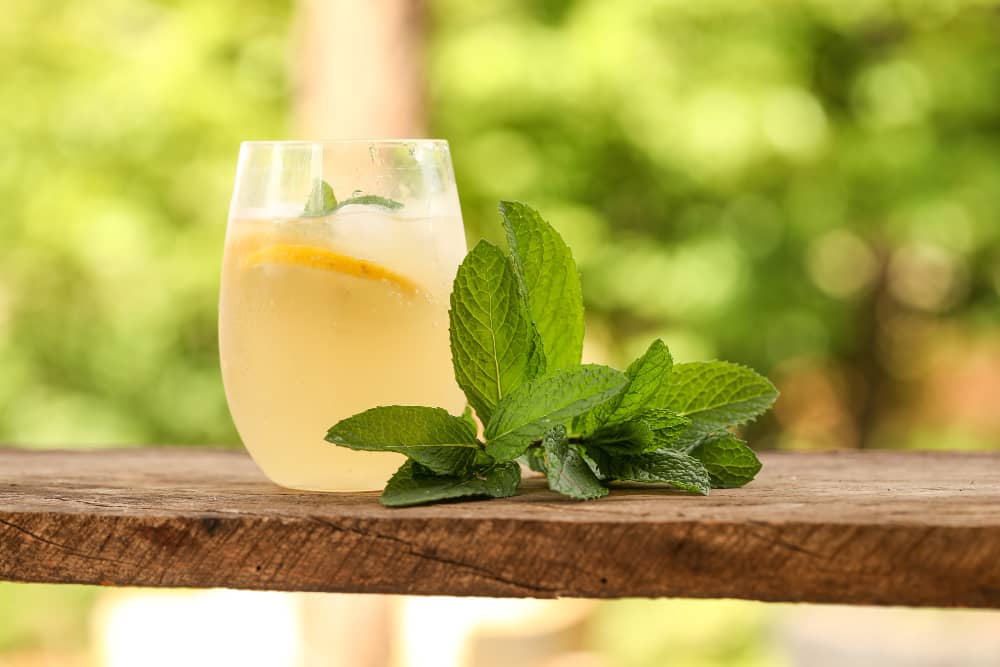
Spearmint contains several naturally occurring compounds with antioxidant activity, including rosmarinic acid, flavonoids, carvone, and other phenolic compounds.
Antioxidants help the body manage oxidative stress by interacting with unstable molecules known as free radicals. Laboratory studies consistently show antioxidant activity in spearmint extracts, although this does not prove that drinking spearmint tea can prevent disease.
Antioxidant Compounds Found in Spearmint
| Plant compound | Why it is studied |
|---|---|
| Rosmarinic acid | A polyphenol with well-documented antioxidant activity in laboratory research |
| Flavonoids | Plant compounds associated with antioxidant and cell-protective activity |
| Carvone | Spearmint’s dominant aromatic compound, studied for several biological effects |
| Limonene | A fragrant terpene also found in citrus peels |
| Phenolic acids | Compounds that contribute to the antioxidant activity of spearmint extracts |
The amount of these compounds can vary depending on the spearmint variety, growing conditions, harvest time, drying method, storage, and preparation.
Does Spearmint Tea Provide Antioxidants?
Yes, spearmint tea can provide plant polyphenols, including rosmarinic acid. However, there is not enough strong human evidence to conclude that ordinary spearmint tea significantly reduces oxidative stress or prevents chronic disease.
Spearmint tea can be one simple way to add more plant compounds to your diet, but it should not be treated as a concentrated antioxidant supplement or a way to prevent disease.
Plain spearmint tea also has several practical advantages. It is:
- Naturally caffeine-free
- Very low in calories
- Free from added sugar when served plain
- Enjoyable hot or iced
- Easy to combine with lemon, fruit, or other herbs
Spearmint can contribute to a varied diet, but it should not be promoted as a “detox” drink or a treatment for disease.
3. May Support Fresh Breath and Oral Hygiene
Spearmint is widely used in toothpaste, chewing gum, mouthwash, and breath mints because of its clean aroma and mildly cooling flavor.
It can temporarily freshen the mouth and help mask unpleasant odors. Spearmint compounds have also shown antimicrobial activity against certain oral bacteria in laboratory studies, including bacteria associated with plaque and tooth decay.
However, this research has mainly involved concentrated extracts or essential oils. It does not prove that drinking spearmint tea prevents cavities or treats gum disease.
How Spearmint May Help Freshen the Mouth
Spearmint may support a fresher-feeling mouth by:
- Temporarily masking unpleasant odors
- Stimulating saliva when used in sugar-free gum
- Providing aromatic compounds used in oral-care products
- Offering a sugar-free beverage option when consumed as plain tea
Is Spearmint Gum Good for Your Teeth?
Sugar-free spearmint gum may help increase saliva flow after meals, which can help rinse away food particles and reduce acidity in the mouth.
The benefit comes mainly from chewing sugar-free gum, not from spearmint flavor alone.
It should not replace regular brushing, flossing, fluoride toothpaste, or dental checkups.
Can Spearmint Tea Be Used as a Mouth Rinse?
Cooled, unsweetened spearmint tea may be used as a temporary mouth rinse for freshness, but it has not been proven to prevent cavities or treat gum disease.
Avoid adding sugar or honey, and do not use undiluted spearmint essential oil directly in the mouth.
Evidence Summary
| Potential oral-health use | Current evidence |
|---|---|
| Temporarily freshening breath | Well established |
| Supporting saliva flow through gum chewing | Established for sugar-free gum |
| Antimicrobial activity | Promising laboratory evidence |
| Preventing cavities or plaque | Not established |
| Treating gum disease or chronic bad breath | Not proven |
Spearmint can help the mouth feel fresher, but persistent bad breath, bleeding gums, dental pain, or recurring mouth problems should be evaluated by a dentist.
4. May Help Promote Relaxation
A warm cup of spearmint tea can be a pleasant part of an evening routine. Because it is naturally caffeine-free, it may be a good alternative to coffee, black tea, or energy drinks later in the day.
Spearmint is not considered a sedative, and there is currently limited human research showing that it directly reduces anxiety or improves sleep. Its calming effect may come more from the experience of drinking a warm, aromatic, caffeine-free beverage.
Why Spearmint Tea May Feel Calming
Spearmint tea may help create a more relaxing routine because:
- It is naturally caffeine-free
- Its aroma is mild and refreshing
- A warm drink can encourage a slower evening routine
- Replacing late-day caffeine may indirectly support better sleep
- It may feel soothing after meals
It can also be paired with chamomile for relaxation when you want a gentle caffeine-free evening blend.
Does Spearmint Tea Make You Sleepy?
Spearmint tea does not usually cause drowsiness. However, because it contains no caffeine, it can be a suitable drink before bedtime.
There is not enough evidence to claim that spearmint tea treats insomnia, shortens the time needed to fall asleep, or significantly improves sleep quality.
Evidence Summary
| Potential use | Current evidence |
|---|---|
| Caffeine-free evening drink | Well established |
| Relaxing tea ritual | Reasonable everyday use |
| Reducing stress | Limited direct evidence |
| Improving sleep | Insufficient evidence |
| Treating anxiety or insomnia | Not proven |
Spearmint tea can be a refreshing and calming addition to an evening routine, but it should not be presented as a treatment for anxiety or sleep disorders.
5. May Support Memory, Attention, and Cognitive Performance
Spearmint has attracted interest for its possible effects on memory, attention, and mental performance. Most positive human research has involved standardized spearmint extracts, rather than ordinary tea or fresh leaves.
In a 90-day randomized controlled trial, older adults with age-associated memory impairment showed improvements in certain measures of working memory after taking a standardized spearmint extract rich in rosmarinic acid.
Another study in healthy younger adults found improvements in selected measures of sustained attention and task switching after daily use of a standardized extract.
These findings are promising, but the extracts used in research were much more concentrated and carefully standardized than a typical cup of spearmint tea.
How Might Spearmint Affect Cognitive Function?
Researchers have suggested several possible mechanisms, including:
- Antioxidant activity from rosmarinic acid and other polyphenols
- Effects on signaling involved in memory and attention
- Possible influence on neurotransmitter-related enzymes
- Protection against oxidative stress in experimental models
Researchers are still working out how these compounds may affect memory and attention, and it is not yet clear whether ordinary spearmint tea has the same effects as the standardized extracts used in studies.
Does Spearmint Tea Improve Memory?
There is currently not enough evidence to show that ordinary spearmint tea improves memory, prevents cognitive decline, or protects against dementia.
Tea strength can vary depending on the amount of spearmint used, plant variety, steeping time, and storage conditions, making it very different from a standardized research extract.
Evidence Summary
| Potential cognitive effect | Current evidence |
|---|---|
| Working-memory support | Promising evidence from standardized-extract research |
| Attention support | Some positive human findings |
| Reaction and agility | Limited evidence |
| Improved memory from ordinary tea | Not established |
| Prevention of dementia or cognitive decline | Not proven |
Spearmint extract is worth watching as a research area, but we do not yet know whether ordinary spearmint tea meaningfully improves memory.
6. May Have Antimicrobial Activity
Spearmint extracts and essential oil have shown antibacterial and antifungal activity in laboratory studies. Researchers have tested them against microorganisms associated with oral health, food spoilage, and infection.
Some studies suggest that compounds such as carvone and other aromatic terpenes may help inhibit the growth of certain bacteria and fungi under laboratory conditions.
The laboratory results are interesting, but they do not make spearmint a natural antibiotic. Spearmint tea should not be expected to treat a bacterial or fungal infection.
What Has Research Found?
Laboratory studies have reported activity against selected microorganisms, including:
- Staphylococcus aureus
- Escherichia coli
- Listeria monocytogenes
- Streptococcus mutans
- Enterococcus faecalis
- Certain fungal species
The strength of the effect varies depending on the microorganism, extract type, concentration, and chemical composition of the spearmint.
Can Spearmint Treat an Infection?
There is currently no strong clinical evidence that spearmint tea can treat bacterial, viral, or fungal infections in humans.
Spearmint should not be used as a replacement for:
- Antibiotics
- Antifungal medications
- Antiviral treatment
- Proper wound care
- Professional medical evaluation
Undiluted spearmint essential oil can also irritate the skin and should not be applied directly to fungal infections or sensitive areas.
Evidence Summary
| Potential use | Current evidence |
|---|---|
| Antibacterial activity | Promising laboratory evidence |
| Antifungal activity | Promising laboratory evidence |
| Oral-care applications | Preliminary research |
| Food-preservation applications | Experimental |
| Treating infections in humans | Not established |
The laboratory findings are interesting, but they do not make spearmint a natural antibiotic. Drinking spearmint tea should not be expected to treat an infection.
7. May Influence Androgen Levels in Some Women
Spearmint tea has received attention for its possible effects on androgen hormones, especially in women with unwanted facial or body hair.
Androgens such as testosterone are present in both men and women. In women, elevated androgen activity may contribute to:
- Excess facial or body hair
- Acne
- Irregular periods
- Scalp hair thinning
- Difficulty ovulating
- Symptoms associated with polycystic ovary syndrome (PCOS)
Spearmint is sometimes described as a natural “hormone balancer,” but that wording is too broad. Current research mainly suggests a possible effect on certain androgen levels.
What Human Studies Found
In a small human study on spearmint tea and androgen levels, women with hirsutism drank one cup of spearmint tea twice daily for five days. Researchers found a reduction in free testosterone.
A later randomized controlled trial of spearmint tea in women with hirsutism followed 42 participants for 30 days. Women drinking spearmint tea twice daily had lower free and total testosterone and reported improvement in unwanted hair growth.
However, objective hirsutism scores did not significantly improve during the short study period.
The findings are interesting, but both studies were relatively small and lasted only a few weeks.
Does Spearmint Tea Balance Hormones?
Spearmint tea may influence certain androgen measurements, but it has not been shown to broadly balance hormones such as:
- Estrogen
- Progesterone
- Insulin
- Thyroid hormones
- Cortisol
It has also not been proven to cure PCOS, restore fertility, regulate ovulation, or replace prescribed hormonal treatment.
How Much Was Used in Research?
The human studies generally used one cup twice per day.
That amount should be viewed as a research protocol rather than a universal recommendation. Tea strength varies depending on the amount of spearmint used, steeping time, and product formulation.
What About Men?
There is not enough human research to determine whether regular spearmint tea meaningfully affects testosterone, fertility, libido, or muscle development in men.
Normal culinary use is different from drinking concentrated preparations or taking spearmint supplements specifically to alter hormone levels.
Evidence Summary
| Hormonal claim | Current evidence |
|---|---|
| May lower free testosterone in some women | Supported by small human studies |
| May lower total testosterone | Reported in one randomized trial |
| May improve perceived unwanted hair growth | Preliminary evidence |
| Objectively reduces facial hair | Not established |
| Treats PCOS | Not proven |
| Improves fertility or ovulation | Insufficient evidence |
| “Balances” all hormones | Unsupported |
Spearmint tea is a promising area of hormonal-health research, particularly for androgen-related symptoms, but more long-term studies are needed.
8. May Have Metabolic Effects, but Human Evidence Is Limited
Spearmint has been studied for possible effects on blood sugar and metabolism, but most of the evidence comes from laboratory and animal research rather than strong human clinical trials.
Some animal studies suggest that spearmint extracts may influence:
- Blood-glucose levels
- Glucose tolerance
- Insulin-related pathways
- Antioxidant activity
- Enzymes involved in carbohydrate metabolism
These findings are preliminary and do not prove that drinking spearmint tea lowers blood sugar in people.
Does Spearmint Tea Lower Blood Sugar?
Human research has not yet confirmed that spearmint tea:
- Lowers fasting blood glucose
- Reduces A1C
- Improves insulin sensitivity
- Reverses insulin resistance
- Prevents or treats diabetes
Unsweetened spearmint tea can still fit well into a balanced diet because it is naturally low in calories and contains no added sugar.
For someone replacing soda, sweetened tea, or juice with plain spearmint tea, the main benefit may come from reducing sugar intake rather than from a direct glucose-lowering effect of the herb.
Evidence Summary
| Metabolic claim | Current evidence |
|---|---|
| May affect blood glucose in animals | Preliminary evidence |
| May influence insulin-related pathways | Laboratory and animal research |
| Lowers blood sugar in humans | Not established |
| Reduces A1C | Not proven |
| Improves insulin resistance | Not proven |
| Treats diabetes | Unsupported |
People taking insulin or other glucose-lowering medication should be cautious with concentrated spearmint supplements and should not change their treatment based on herbal claims.
Spearmint tea can be enjoyed as a low-calorie, caffeine-free beverage, but it should not be presented as a treatment for diabetes or insulin resistance.
Spearmint Tea Benefits
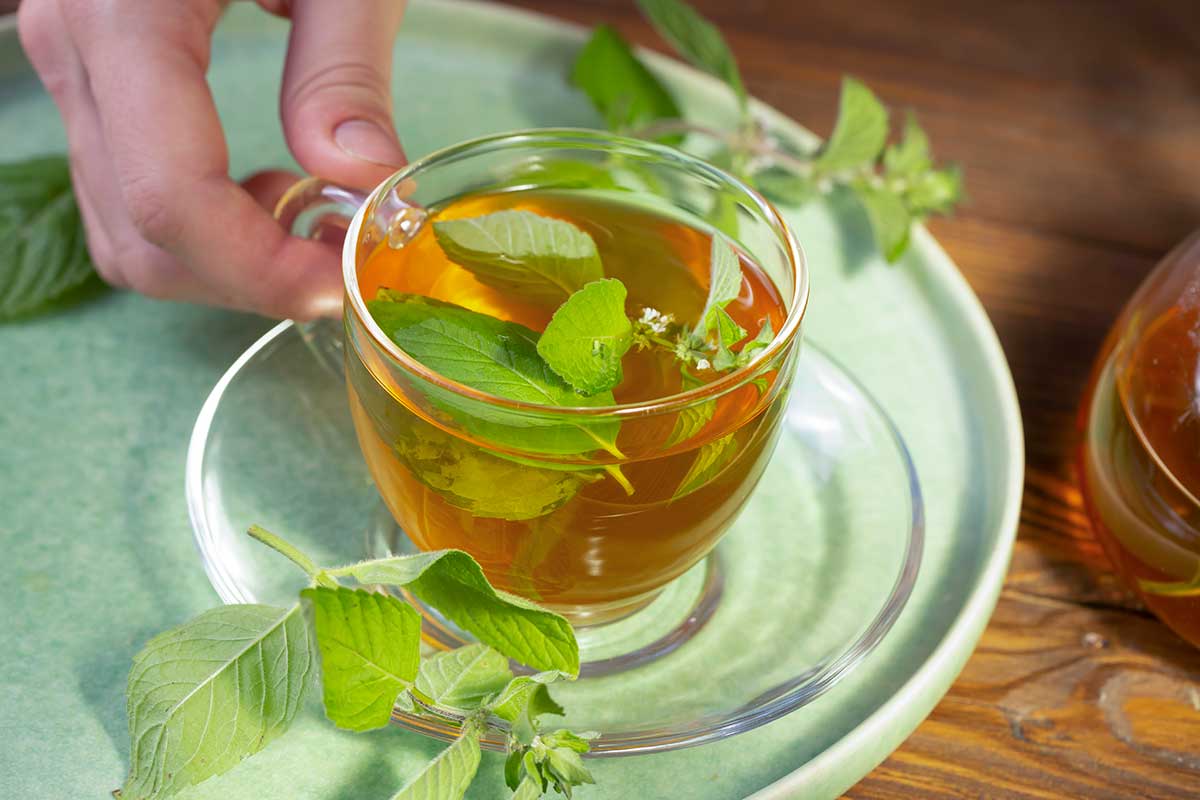
Spearmint tea is a mild, naturally caffeine-free infusion made from fresh or dried leaves. It can be enjoyed hot or iced and provides small amounts of water-soluble plant compounds.
For most people, its biggest advantages are practical: it supports hydration, offers a caffeine-free alternative to coffee or black tea, and can replace sugary drinks when served unsweetened.
Potential Benefits of Spearmint Tea
Spearmint tea may:
- Provide a caffeine-free alternative to coffee or black tea
- Support daily fluid intake
- Supply small amounts of antioxidant plant compounds
- Feel soothing after meals
- Temporarily freshen the mouth
- Fit into a relaxing evening routine
- Help reduce sugary-drink intake when consumed unsweetened
- Modestly influence certain androgen levels in some women
The hormonal effect is one of the more interesting areas of spearmint research, although the available studies are small and short-term.
Hot vs. Iced Spearmint Tea
Both hot and iced spearmint tea can fit into a balanced diet.
| Hot spearmint tea | Iced spearmint tea |
|---|---|
| Comforting after meals or in the evening | Refreshing during warm weather |
| Easy to prepare one cup at a time | Convenient for larger batches |
| Stronger aroma while warm | Pairs well with lemon, cucumber, or berries |
Neither version is clearly healthier than the other.
Is Spearmint Tea Good to Drink Every Day?
Many healthy adults can enjoy moderate amounts of spearmint tea regularly.
More caution may be appropriate for people who:
- Are pregnant or breastfeeding
- Have a hormone-related condition
- Take medications that affect hormones
- Have liver or kidney disease
- Use concentrated herbal supplements
Ordinary tea is much less concentrated than spearmint extracts or essential oil.
Spearmint Tea Benefits at a Glance
| Potential benefit | Current evidence |
|---|---|
| Caffeine-free beverage | Well established |
| Supports hydration | Well established |
| Provides plant polyphenols | Supported |
| Digestive comfort | Traditional use; limited human evidence |
| May affect androgen levels | Preliminary human evidence |
| Improves memory or attention | Research mainly involves concentrated extracts |
| Treats diabetes, infections, or PCOS | Not established |
Overall, spearmint tea is best viewed as a refreshing, caffeine-free herbal drink with several practical benefits and a few promising areas of scientific research.
Spearmint Tea and Hormonal Health
Spearmint tea is often promoted for PCOS, unwanted facial hair, acne, and irregular periods.
The most relevant human research involves androgen hormones, particularly testosterone. Small studies suggest that spearmint tea may reduce certain androgen measurements in some women, but this is much narrower than the popular claim that spearmint “balances hormones.”
It has not been shown to correct every hormonal imbalance or treat PCOS itself.
Does Spearmint Tea Lower Testosterone?
Possibly, in some women.
Two small human studies found reductions in free testosterone after participants drank spearmint tea twice daily. One study also reported lower total testosterone.
The research is promising, but the studies were small and short-term, so the long-term effects are still uncertain.
Can Spearmint Tea Help With PCOS?
Spearmint tea may help influence androgen levels in some women with PCOS, but it has not been proven to treat PCOS itself.
Current research does not show that spearmint tea reliably:
- Restores ovulation
- Regulates menstrual cycles
- Improves fertility
- Reverses insulin resistance
- Prevents ovarian cysts
It may be considered a complementary option rather than a replacement for medical treatment.
Can Spearmint Tea Regulate Periods?
There is not enough evidence to show that spearmint tea reliably makes menstrual cycles more regular.
Irregular periods can have many causes, including PCOS, pregnancy, thyroid disorders, stress, weight changes, perimenopause, and certain medications.
Does Spearmint Tea Increase Estrogen?
There is currently no strong evidence that spearmint tea reliably increases estrogen.
Although small studies have reported changes in some reproductive hormones, the evidence is not strong enough to describe spearmint as an estrogen-boosting herb.
Spearmint Tea for Hormonal Acne
Because excess androgen activity can contribute to acne, spearmint tea is sometimes suggested for hormonal breakouts.
However, there are no strong clinical trials showing that spearmint tea clears acne. Any benefit remains theoretical and may depend on the underlying cause.
Spearmint Tea and Fertility
Spearmint tea has not been proven to improve fertility.
There is insufficient evidence to show that it improves:
- Ovulation
- Egg quality
- Pregnancy rates
- Assisted-reproduction outcomes
- Male fertility
People undergoing fertility treatment should discuss regular medicinal use of spearmint with their healthcare team.
Hormonal Claims at a Glance
| Claim | Current evidence |
|---|---|
| May lower free testosterone in some women | Preliminary human evidence |
| May lower total testosterone | Limited human evidence |
| Helps with PCOS-related androgen symptoms | Possible, but not proven as a treatment |
| Regulates periods | Insufficient evidence |
| Clears hormonal acne | Not established |
| Increases estrogen | Unsupported |
| Improves fertility | Insufficient evidence |
| “Balances” all hormones | Unsupported |
Spearmint tea may have a modest effect on androgen levels in some women, but it should not be presented as a broad hormone-balancing treatment.
Can Spearmint Tea Help With Unwanted Facial Hair?
Spearmint tea is often discussed for unwanted facial hair because small human studies suggest that it may lower certain androgen hormones in women with hirsutism.
Hirsutism refers to coarse, dark hair growth in areas such as the upper lip, chin, jawline, chest, or abdomen. It is often linked with higher androgen activity and can occur with conditions such as polycystic ovary syndrome (PCOS).
What Does the Research Suggest?
Two small human studies found reductions in free testosterone after participants drank spearmint tea twice daily. In the 30-day clinical trial, women also reported improvement in unwanted hair growth, although objective hirsutism scores did not significantly change.
How Long Does Spearmint Tea Take to Work for Facial Hair?
There is currently no proven timeline.
Hair grows in cycles, so visible changes would likely take longer than a few days or weeks. The available human studies lasted only five days or 30 days, which is too short to determine whether spearmint tea provides meaningful long-term hair reduction.
Claims that spearmint tea quickly removes facial hair are not supported by current evidence.
Does Spearmint Tea Remove Existing Facial Hair?
No. Spearmint tea does not remove hair that has already grown.
Even if it reduces androgen activity, existing hairs may still need to be managed with methods such as:
- Shaving
- Threading
- Waxing
- Laser hair reduction
- Electrolysis
Any possible benefit from spearmint would more likely involve future hair growth rather than immediate removal.
How Much Was Used in Studies?
The human studies generally used one cup of spearmint tea twice per day.
This was a research protocol, not a guaranteed treatment dose. Tea strength varies between products, and drinking more has not been shown to produce faster or better results.
Spearmint Tea and PCOS-Related Facial Hair
PCOS is a common cause of hirsutism. Spearmint tea may have a mild anti-androgen effect in some women, but it has not been proven to treat PCOS itself or replace established medical or cosmetic treatments.
When to Seek Medical Advice
Consider medical evaluation if facial or body hair:
- Appears suddenly
- Becomes noticeably worse in a short period
- Occurs with irregular or absent periods
- Is accompanied by severe acne
- Occurs with scalp hair thinning
- Is accompanied by a deepening voice or other significant hormonal changes
These symptoms may have several possible causes and are worth investigating.
Evidence Summary
| Question | Current answer |
|---|---|
| Can spearmint tea lower certain androgen levels? | Possibly, based on small studies |
| Does it remove existing facial hair? | No |
| Has it been proven to reduce visible hair growth? | Not yet |
| How long does it take to work? | Unknown |
| Can it cure hirsutism or PCOS? | No |
| Can it replace medical or cosmetic treatment? | No |
Spearmint tea may be a useful complementary option for some women with androgen-related facial hair, but current evidence is too limited to promise visible results or establish an effective long-term treatment.
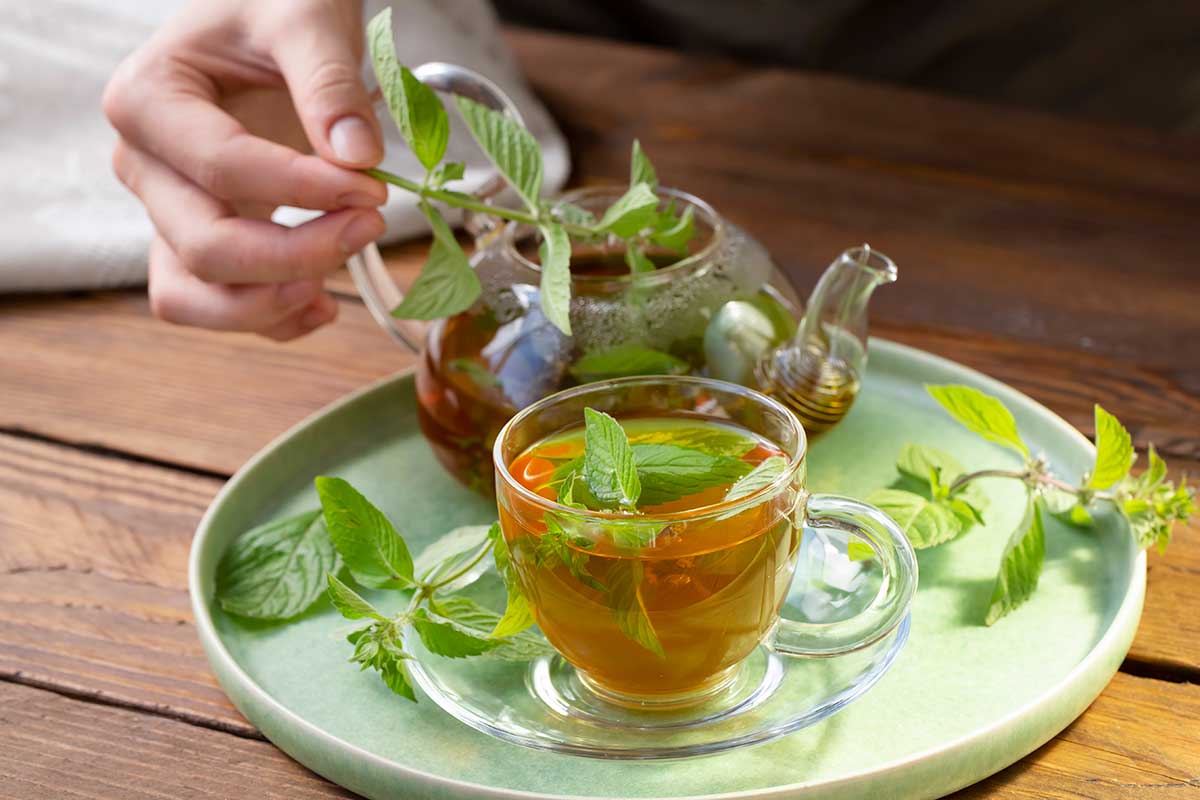
How to Make Spearmint Tea
Spearmint tea can be made with fresh leaves, dried spearmint, or tea bags. A moderate infusion usually gives the best balance of sweetness, aroma, and freshness.
Pure spearmint tea is naturally caffeine-free unless it is blended with green tea, black tea, yerba mate, or another caffeinated ingredient.
Basic Spearmint Tea Recipe
Ingredients
- 1 to 2 teaspoons dried spearmint leaves
- 1 cup hot water
- Optional lemon, honey, ginger, or cinnamon
Instructions
- Bring fresh water to a boil.
- Let it cool briefly.
- Add the spearmint to a cup or tea infuser.
- Pour in about 8 ounces of hot water.
- Cover and steep for 5 to 10 minutes.
- Strain and serve.
A shorter steep produces a lighter tea, while a longer steep creates a stronger flavor.
How to Make Tea With Fresh Spearmint
Use about 8 to 12 fresh leaves per cup.
- Rinse the leaves well.
- Gently tear or bruise them to release their aroma.
- Place them in a cup.
- Add hot water.
- Cover and steep for 5 to 10 minutes.
- Strain before drinking.
Fresh spearmint usually produces a brighter, more fragrant tea than dried leaves.
How to Make Iced Spearmint Tea
For a larger batch:
- 4 to 6 teaspoons dried spearmint, or 4 tea bags
- 4 cups hot water
- Ice
- Optional lemon, lime, cucumber, or berries
Steep the spearmint in hot water for 7 to 10 minutes, strain, allow it to cool, and refrigerate. Serve over ice.
Cold-Brew Spearmint Tea
For a lighter flavor, add 2 to 4 teaspoons of dried spearmint to 4 cups of cold water and refrigerate for 6 to 12 hours.
Strain before serving.
Flavor Combinations
Spearmint pairs especially well with:
- Lemon or lime
- Ginger
- Chamomile
- Hibiscus
- Cucumber
- Berries
- Honey
Green tea also pairs well with spearmint, but it adds caffeine.
Should You Cover Spearmint Tea While It Steeps?
Yes. Covering the cup helps retain the herb’s aromatic compounds and keeps the water warm during steeping.
Quick Preparation Guide
| Type | Suggested amount | Steeping time |
|---|---|---|
| Dried leaves | 1–2 teaspoons per cup | 5–10 minutes |
| Fresh leaves | 8–12 leaves per cup | 5–10 minutes |
| Tea bag | 1 bag per cup | Follow package directions |
| Iced tea | 4–6 teaspoons per 4 cups | 7–10 minutes |
| Cold brew | 2–4 teaspoons per 4 cups | 6–12 hours refrigerated |
For the best flavor, start with a moderate amount and adjust the strength to your preference. Avoid using spearmint essential oil as a substitute for tea leaves because it is far more concentrated.
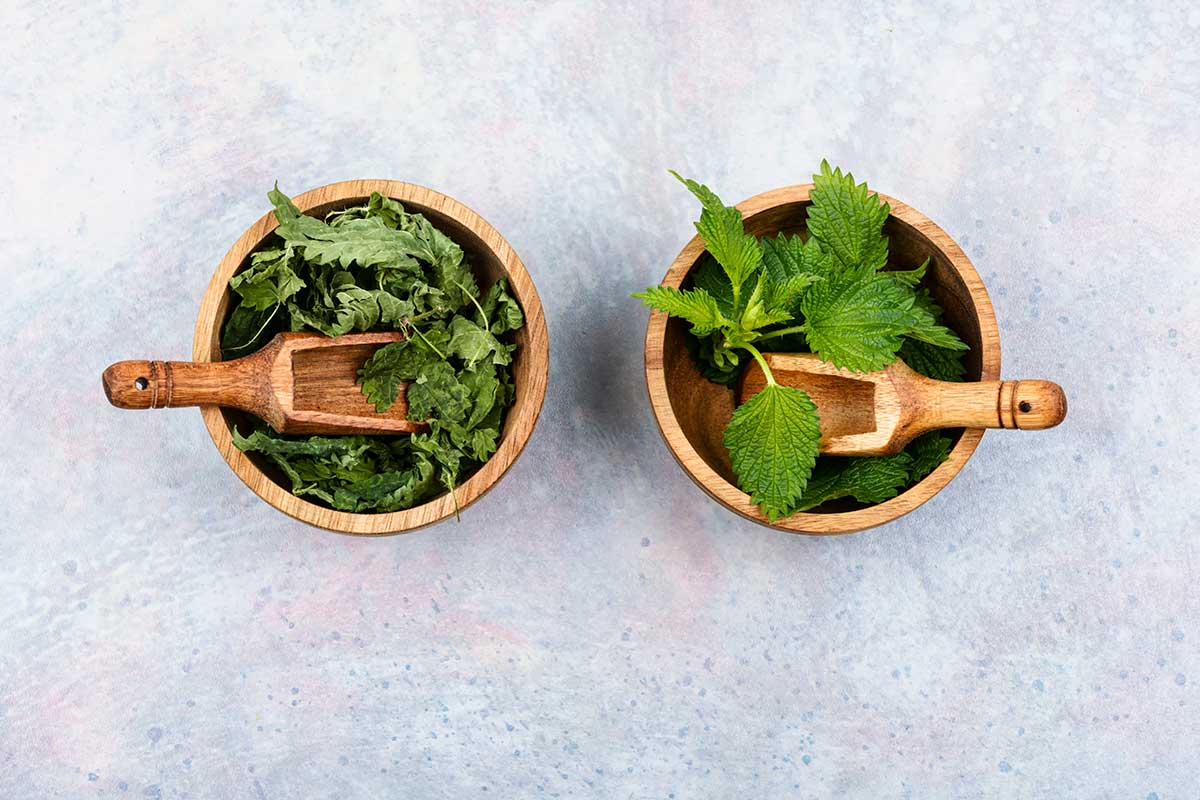
Fresh vs. Dried Spearmint for Tea
Both fresh and dried spearmint make excellent tea. The main differences are flavor, convenience, and how easy they are to measure consistently.
Fresh spearmint usually produces a brighter, greener, and more delicate cup. Dried spearmint tends to taste deeper and slightly more concentrated because much of the plant’s water has been removed.
Neither form is automatically better or healthier.
Fresh Spearmint Tea
Fresh leaves are ideal when you want a light, garden-fresh flavor.
Use about 8 to 12 fresh leaves per cup.
Fresh spearmint works especially well for:
- Hot tea
- Iced tea
- Infused water
- Summer drinks
- Garnishes
Choose leaves that are bright green, fragrant, and free from mold, dark spots, or sliminess.
Dried Spearmint Tea
Dried spearmint is convenient, easy to store, and simple to measure.
Use about 1 to 2 teaspoons per cup.
It is especially useful for:
- Everyday tea
- Herbal blends
- Larger batches
- Pantry storage
- Consistent preparation
Good-quality dried spearmint should still have a noticeable mint aroma and should be free from moisture or mold.
Fresh vs. Dried Spearmint
| Feature | Fresh spearmint | Dried spearmint |
|---|---|---|
| Flavor | Bright, green, and delicate | Deeper and more concentrated |
| Aroma | Very fresh and fragrant | Strong but less grassy |
| Amount per cup | 8–12 leaves | 1–2 teaspoons |
| Convenience | Best used relatively quickly | Easy to store and measure |
| Shelf life | Short | Much longer |
| Best use | Fresh tea and iced drinks | Everyday tea and herbal blends |
Does Drying Reduce Spearmint’s Benefits?
Drying changes the herb’s chemical profile, especially some volatile aromatic compounds. However, dried spearmint still contains many of the plant compounds found in fresh leaves.
The final strength of the tea depends on factors such as the amount used, steeping time, plant variety, and storage conditions.
How to Store Spearmint
Fresh spearmint can be kept in the refrigerator, either with the stems in a small glass of water or wrapped loosely in a slightly damp paper towel.
Dried spearmint should be stored in an airtight container away from heat, light, and moisture.
Which Is Better?
Choose fresh spearmint for a brighter, more aromatic tea.
Choose dried spearmint for convenience, longer storage, and easier measurement.
Both are good options, so the best choice comes down to flavor and availability.
How Much Spearmint Tea Can You Drink?
There is no official daily dose for spearmint tea. Many people choose to drink one or two moderately prepared cups, while clinical studies investigating hormonal effects have often used one cup twice daily.
That study amount should be viewed as a research protocol rather than a proven dose for every health goal.
A Practical Daily Guide
| Purpose | Suggested approach |
|---|---|
| Occasional enjoyment | 1 cup as desired |
| Daily caffeine-free drink | 1–2 cups per day |
| After meals | 1 cup |
| Hormonal-health use | Speak with a healthcare professional before long-term use |
| Extracts or supplements | Follow product directions and professional guidance |
More is not necessarily better. Very strong tea or several large cups per day may increase the chance of digestive discomfort without providing additional proven benefits.
Is Two Cups of Spearmint Tea a Day Safe?
For many healthy adults, two moderately prepared cups per day are likely to be well tolerated.
However, long-term daily use has not been studied extensively, and tea strength can vary between products.
Start with one cup and reduce or stop use if you notice symptoms such as:
- Nausea
- Stomach discomfort
- Heartburn
- Headache
- Dizziness
- Skin or mouth irritation
When Is the Best Time to Drink Spearmint Tea?
Because pure spearmint tea is naturally caffeine-free, it can be enjoyed at almost any time of day.
Popular times include:
- In the morning
- After meals
- During an afternoon break
- In the evening
If drinking two cups daily, spacing them apart may be more comfortable than drinking both at once.
Can You Drink Spearmint Tea on an Empty Stomach?
Many people can, but strong tea may cause mild stomach discomfort in some individuals.
If that happens, try drinking it after food, preparing a weaker cup, or reducing the steeping time.
Tea vs. Spearmint Extract
Ordinary tea is much less concentrated than spearmint extract or essential oil.
| Product | Relative concentration |
|---|---|
| Fresh leaves | Low |
| Spearmint tea | Low to moderate |
| Strong infusion | Variable |
| Standardized extract | Concentrated |
| Essential oil | Extremely concentrated |
Spearmint essential oil should not be consumed as though it were tea.
Bottom Line
There is no established therapeutic dose for spearmint tea. Moderate use is likely to be better tolerated than very strong or unusually frequent preparations, and the amounts used in clinical studies should not automatically be treated as dosing recommendations.

Culinary Uses of Spearmint
Spearmint is a versatile culinary herb with a mild, sweet flavor that works well in both savory and sweet dishes.
It is commonly used in Mediterranean, Middle Eastern, Balkan, North African, and other cuisines, especially in salads, sauces, meat dishes, soups, drinks, and desserts.
Popular Ways to Use Spearmint
Spearmint works especially well in:
- Cucumber and tomato salads
- Tabbouleh and grain salads
- Yogurt sauces and dips
- Lamb, chicken, and meatballs
- Lentil and vegetable soups
- Rice, bulgur, and couscous dishes
- Lemonade and iced tea
- Fruit salads
- Ice cream and sorbet
- Chocolate desserts
Fresh spearmint is usually best when added near the end of cooking so its flavor stays bright and aromatic.
Spearmint in Sauces and Dips
Spearmint pairs especially well with yogurt, cucumber, garlic, and lemon.
A simple spearmint yogurt sauce can be made with:
- Plain yogurt
- Chopped fresh spearmint
- Cucumber
- Lemon juice
- Garlic
- A pinch of salt
It works well with grilled meats, roasted vegetables, rice, or flatbread.
Fresh vs. Dried Spearmint in Cooking
| Form | Best uses |
|---|---|
| Fresh spearmint | Salads, sauces, drinks, fruit, garnishes, and finishing dishes |
| Dried spearmint | Soups, stews, marinades, spice blends, and yogurt dips |
As a general rule, 1 tablespoon of fresh spearmint can be replaced with about 1 teaspoon of dried spearmint.
Spearmint Flavor Pairings
| Spearmint pairs well with | Good uses |
|---|---|
| Lemon and lime | Tea, salads, marinades, drinks |
| Yogurt | Sauces, dips, soups |
| Cucumber | Salads, chilled soups, infused water |
| Lamb | Marinades, meatballs, grilled dishes |
| Feta cheese | Salads and grain bowls |
| Watermelon | Fruit salads and summer drinks |
| Peas | Soups and side dishes |
| Chickpeas and lentils | Salads and soups |
| Chocolate | Desserts and baked goods |
Cooking Tip
Fresh spearmint can become dull or bitter when cooked for too long. Add it close to serving time whenever you want a fresher flavor.
Dried spearmint can be added earlier because it needs more time to soften and release its aroma.
Spearmint’s mild flavor makes it easy to experiment with. Start with a small amount and add more to taste.
Other Traditional and Household Uses of Spearmint
Beyond tea and cooking, spearmint has traditionally been used in oral-care products, personal-care formulas, fragrances, and simple household preparations.
Many of these uses are based on its fresh aroma and long history of traditional use rather than strong clinical evidence.
Traditional Herbal Uses
Spearmint has historically been used for:
- Mild digestive discomfort
- Gas and bloating
- Nausea
- Freshening the breath
- General refreshment
- Menstrual discomfort
- Relaxing herbal tea blends
Some of these traditional uses have attracted scientific interest, but evidence remains limited for many specific health claims.
Oral-Care Products
Spearmint’s familiar flavor is widely used in toothpaste, mouthwash, chewing gum, and breath products.
Its fresh flavor helps create a clean feeling in the mouth, although spearmint itself should not be considered a treatment for cavities or gum disease.
Skin and Personal-Care Products
Spearmint extracts or fragrance may also appear in:
- Soaps
- Body washes
- Lotions
- Shaving products
- Lip balms
- Shampoos
People with sensitive skin should use fragranced or essential-oil-containing products cautiously because irritation can occur.
Aromatic Household Uses
Fresh or dried spearmint can be used for its fragrance in:
- Herbal sachets
- Potpourri
- Simmer pots
- Decorative herb bundles
- Scented drawer bags
A simple simmer pot can be made with water, spearmint leaves, lemon peel, and cinnamon.
Spearmint in the Garden
Spearmint is also popular in herb gardens. Its flowers may attract pollinators such as bees and butterflies.
Because the plant spreads quickly through underground stems, growing it in a container can help keep it from taking over nearby garden beds.
Can Spearmint Repel Insects?
Spearmint and other mint oils have been studied for possible insect-repelling properties, but their protection is not consistent enough to replace proven mosquito or tick repellents when disease prevention is important.
Household Uses at a Glance
| Use | Practical assessment |
|---|---|
| Toothpaste and mouthwash flavoring | Common and well established |
| Temporarily freshening the mouth | Reasonable |
| Soaps and personal-care products | Common |
| Sachets and simmer pots | Useful for fragrance |
| Garden planting | Popular but fast-spreading |
| Insect repellent | Limited and inconsistent evidence |
| Treating acne, hair loss, or infections | Not established |
Spearmint has plenty of practical uses beyond tea and cooking, particularly for flavor and fragrance. Concentrated essential oil, however, requires more caution than ordinary fresh or dried leaves.
Spearmint Essential Oil
Spearmint essential oil is distilled from the leaves and flowering tops of Mentha spicata. Its fresh, sweet aroma comes largely from carvone.
It is commonly used in oral-care products, fragrances, soaps, massage blends, diffusers, and commercial flavorings. Because essential oil is far more concentrated than fresh leaves or tea, it requires more careful handling.
Spearmint Oil vs. Spearmint Leaves
| Product | Concentration | Typical use |
|---|---|---|
| Fresh leaves | Low | Cooking, tea, salads |
| Dried leaves | Moderate by weight | Tea and seasoning |
| Spearmint extract | Concentrated | Supplements and formulated products |
| Essential oil | Extremely concentrated | Fragrance, flavoring, and topical products |
Topical Use
Spearmint essential oil should be diluted before being applied to the skin.
Undiluted oil may cause:
- Redness
- Burning
- Itching
- Dryness
- Irritation
People with sensitive skin should patch-test a diluted product before using it over a larger area.
Avoid applying essential oil to the eyes, inside the mouth or nose, broken skin, or other sensitive areas.
Aromatherapy Use
Spearmint oil can be used in a diffuser for its fresh, uplifting aroma.
Use only the amount recommended by the diffuser manufacturer and keep the room well ventilated.
Can You Swallow Spearmint Essential Oil?
Spearmint essential oil should not be swallowed casually or added directly to tea or water.
Although small controlled amounts may be used as flavoring in commercial foods, essential oil is highly concentrated. Taking it internally without proper guidance may cause irritation, nausea, vomiting, or other adverse effects.
A “food-grade” label does not mean that taking drops of essential oil as a home remedy is automatically safe.
Children, Pregnancy, and Pets
Extra caution is appropriate around:
- Infants and young children
- Pregnant or breastfeeding people
- Pets
- People with sensitive skin
- People taking multiple medications
Do not apply concentrated spearmint oil directly to children or animals, and keep bottles securely stored out of reach.
Essential-Oil Safety Summary
| Practice | General guidance |
|---|---|
| Using in a diffuser | Reasonable when used as directed |
| Applying a diluted topical product | Generally acceptable for many adults |
| Applying undiluted oil to skin | Not recommended |
| Adding drops to tea or water | Not recommended |
| Swallowing it as a home remedy | Avoid without qualified guidance |
| Applying it inside the mouth | Not recommended |
| Using it directly on children or pets | Avoid without professional guidance |
Spearmint essential oil can be useful for fragrance and properly formulated personal-care products, but it should not be treated like ordinary spearmint tea or fresh leaves.
Spearmint vs. Peppermint
Spearmint and peppermint are closely related, but they differ in flavor, chemical composition, culinary use, and the areas where they have been studied.
Spearmint is Mentha spicata, while peppermint is Mentha × piperita, a hybrid of spearmint and water mint.
The biggest practical difference is their dominant aromatic compounds. Spearmint is typically rich in carvone, which gives it a sweeter and milder flavor. Peppermint contains much more menthol, creating a stronger cooling sensation.
Spearmint vs. Peppermint at a Glance
| Feature | Spearmint | Peppermint |
|---|---|---|
| Scientific name | Mentha spicata | Mentha × piperita |
| Main aromatic compound | Carvone | Menthol |
| Flavor | Sweet, mild, fresh | Strong, sharp, cooling |
| Menthol content | Low | High |
| Best culinary uses | Salads, sauces, lamb, yogurt, tea | Desserts, chocolate, candy, strong tea |
| Common research interest | Androgen levels and cognition | Digestion and headaches |
| Caffeine | Naturally caffeine-free | Naturally caffeine-free |
Spearmint Tea vs. Peppermint Tea
Spearmint tea is usually softer, sweeter, and less intensely cooling.
Peppermint tea has a stronger menthol flavor and is more commonly associated with digestive use.
Both are naturally caffeine-free when made only from mint leaves.
Which Is Better for Digestion?
Peppermint has stronger clinical evidence for certain digestive problems, especially standardized peppermint oil used for irritable bowel syndrome.
Spearmint has a long history of traditional digestive use, but direct human research is more limited.
Which Is Better for Hormonal Health?
Spearmint has more human research related to androgen levels in women with hirsutism or PCOS.
Peppermint has not been studied as extensively for this particular purpose.
Which Is Better for Cooking?
Spearmint is generally better for savory dishes because of its softer flavor. It pairs especially well with:
- Lamb
- Yogurt
- Cucumber
- Feta
- Peas
- Rice
- Lemon
Peppermint is usually better suited to:
- Chocolate
- Candy
- Ice cream
- Syrups
- Strong mint desserts
Can You Substitute Spearmint for Peppermint?
Yes, but the flavor will change.
Using peppermint instead of spearmint will produce a stronger, colder taste. Using spearmint instead of peppermint will give a milder and sweeter result.
Which One Should You Choose?
Choose spearmint if you want a mild, sweet mint for tea, salads, sauces, and savory cooking.
Choose peppermint if you prefer a stronger cooling flavor or are looking for the mint with more research behind certain digestive uses.
Both have useful culinary and traditional roles, but research on peppermint should not automatically be applied to spearmint, or vice versa.
Spearmint vs. Mint: What Is the Difference?
Spearmint is a type of mint, but mint is a general term that can refer to many plants in the Mentha genus.
Spearmint is specifically Mentha spicata. Other common mints include peppermint, apple mint, water mint, and corn mint.
Is Spearmint the Same as Mint?
Spearmint is mint, but not every mint is spearmint.
This distinction matters when buying tea, cooking, or reading herbal research because different mint species have different flavors and chemical profiles.
Spearmint is typically:
- Sweet and mild
- Low in menthol
- Rich in carvone
- Commonly used in tea, salads, sauces, and savory dishes
A product labeled simply “mint tea” may contain spearmint, peppermint, or a blend of several mints. If you specifically want spearmint, look for spearmint, spearmint leaf, or Mentha spicata on the ingredient list.
Key Takeaway
Spearmint is one particular type of mint. When a recipe, supplement, tea, or study refers only to “mint,” check the exact species whenever possible because different mints are not necessarily interchangeable.
Possible Side Effects and Safety Considerations
Spearmint is generally well tolerated when used in normal food amounts or as moderately prepared tea. Side effects are more likely with very strong tea, concentrated extracts, or essential oil.
Common Possible Side Effects
Some people may experience:
- Nausea
- Stomach discomfort
- Bloating
- Heartburn
- Headache
- Dizziness
- Mouth or throat irritation
- Skin irritation from topical products
- Allergic reactions
If symptoms repeatedly appear after drinking spearmint tea or using a spearmint product, reduce the amount or stop using it.
Can Spearmint Cause Heartburn?
Spearmint does not appear to affect everyone the same way.
One small human study did not find a significant increase in measured acid reflux, but higher amounts were associated with more digestive symptoms.
People with reflux or GERD may still find that spearmint worsens heartburn or throat irritation. If that happens, try a weaker tea or stop using it.
Allergic Reactions
Spearmint belongs to the mint family, Lamiaceae. People sensitive to mint-family plants may experience:
- Itching
- Hives
- Skin redness
- Swelling
- Mouth irritation
- Wheezing or difficulty breathing
Severe swelling or breathing difficulty requires emergency medical care.
Hormonal Considerations
Small human studies suggest that spearmint tea may influence certain androgen levels in women.
Extra caution may be appropriate for people who:
- Are trying to conceive
- Have a hormone-related condition
- Take anti-androgen medication
- Receive testosterone or estrogen therapy
- Are undergoing fertility treatment
The long-term hormonal effects of regular spearmint use are not well established.
Liver and Kidney Considerations
Very high doses of spearmint preparations have raised liver and kidney concerns in animal research. This does not mean that ordinary spearmint tea damages these organs in humans.
However, people with existing liver or kidney disease should be cautious with concentrated spearmint extracts or unusually large amounts of tea.
Essential-Oil Safety
Spearmint essential oil is far more concentrated than tea or culinary leaves.
It should not be:
- Applied undiluted to the skin
- Placed directly in the mouth
- Added casually to tea or water
- Swallowed as a home remedy
- Used directly on young children or pets
Safety by Product Type
| Spearmint form | General safety considerations |
|---|---|
| Culinary leaves | Usually well tolerated in normal food amounts |
| Spearmint tea | Generally low risk in moderate amounts |
| Strong daily infusions | Higher exposure and less long-term safety data |
| Standardized extracts | More concentrated; use according to labeling and professional guidance |
| Essential oil | Highly concentrated and requires careful use |
When to Stop Using Spearmint
Stop using a spearmint product and seek medical advice if you develop persistent digestive symptoms, unusual hormonal changes, significant skin reactions, or other new symptoms after starting it.
Seek urgent care for severe swelling, difficulty breathing, fainting, or suspected essential-oil poisoning.
For most healthy adults, moderate spearmint tea is unlikely to cause major problems, but concentrated products require greater caution.
Who Should Be Careful With Spearmint?
Certain groups have less safety data available or may have reasons to avoid concentrated spearmint products.
Extra care may be appropriate if you are:
- Pregnant or breastfeeding
- Trying to conceive
- Managing a hormonal condition
- Taking hormone-related medication
- Living with liver or kidney disease
- Sensitive to mint-family plants
- Giving herbal products to a young child
- Taking several medications or supplements
Pregnancy and Breastfeeding
Normal culinary use is different from concentrated medicinal use. Safety data for high-dose spearmint tea, extracts, and essential oil during pregnancy and breastfeeding are limited.
People who are pregnant or breastfeeding should avoid using concentrated spearmint products specifically to alter hormones unless advised by a healthcare professional.
Fertility and Hormonal Conditions
Because spearmint may influence androgen levels, people trying to conceive or managing conditions such as PCOS, low testosterone, or other endocrine disorders should be cautious with regular medicinal use.
There is not enough evidence to determine how long-term spearmint consumption affects fertility in either women or men.
Liver or Kidney Disease
People with liver or kidney disease should use concentrated spearmint products carefully because strong extracts may provide much higher doses of active compounds than food or ordinary tea.
Reflux and Sensitive Digestion
Spearmint tea may feel soothing to some people but may worsen heartburn or digestive discomfort in others.
If symptoms increase, try a weaker tea or stop using it.
Allergies
People with a known allergy to spearmint or other mint-family plants should avoid products that cause itching, rash, swelling, wheezing, or mouth irritation.
Severe swelling or difficulty breathing requires emergency medical attention.
Children
Culinary amounts of spearmint are different from concentrated extracts and essential oils.
Avoid giving strong herbal preparations or essential oil to infants or young children without professional guidance.
Quick Caution Guide
| Group | Main concern |
|---|---|
| Pregnant or breastfeeding people | Limited safety data for concentrated use |
| People trying to conceive | Uncertain hormonal and reproductive effects |
| People with hormonal conditions | Possible androgen-related effects |
| People with liver or kidney disease | Greater caution with concentrated products |
| People with reflux | Possible digestive discomfort |
| People with mint allergies | Risk of allergic reaction |
| Young children | Greater sensitivity to concentrated products |
| People taking multiple medications | Possible unrecognized interactions |
Spearmint is not automatically unsafe for these groups, but ordinary culinary use, tea, concentrated extracts, and essential oil should be treated as very different levels of exposure.
Medication and Supplement Considerations
Research on interactions between spearmint and prescription medications is limited. This does not mean interactions are impossible, especially with concentrated extracts, supplements, or essential oil.
Anyone combining herbal products with prescription drugs should also review NIH guidance on herb–medication interactions and discuss regular supplement use with a healthcare professional.
Ordinary spearmint tea is much less concentrated than these products, but people who take prescription medication regularly should still mention frequent medicinal use of spearmint to a doctor or pharmacist.
Hormonal and Anti-Androgen Medications
Because small studies suggest that spearmint may influence androgen levels, extra caution may be appropriate with medications that affect hormones, including:
- Spironolactone
- Finasteride
- Hormonal birth control
- Estrogen or testosterone therapy
- Fertility medications
- Other anti-androgen treatments
There is not enough research to know whether spearmint strengthens, weakens, or otherwise changes the effects of these medications.
Do not stop or adjust prescribed hormone treatment because of spearmint tea.
Diabetes Medications
Animal research suggests possible effects on blood glucose, although meaningful glucose lowering has not been established in humans.
People taking insulin or other diabetes medications should be cautious with concentrated spearmint supplements and should not change medication doses based on herbal claims.
Blood Thinners
There is not enough evidence to determine whether spearmint meaningfully affects blood clotting.
People taking medications such as warfarin, apixaban, rivaroxaban, clopidogrel, or regular aspirin should discuss concentrated herbal supplements with their healthcare provider.
Sedatives and Herbal Blends
Spearmint itself is not considered a strong sedative, but bedtime teas may combine it with ingredients such as chamomile, valerian, lemon balm, or passionflower.
These blends may increase drowsiness when combined with sleep medications, sedating antihistamines, or other products that reduce alertness.
Spearmint Supplements Vary
Spearmint products can differ greatly in concentration.
| Product | Main consideration |
|---|---|
| Spearmint tea | Relatively low concentration |
| Dried leaf capsules | Dose varies by product |
| Standardized extract | More concentrated |
| Multi-herb formula | Interaction risk depends on all ingredients |
| Essential oil products | Highly concentrated and require greater caution |
Tea, extracts, tinctures, and essential oil should not be treated as interchangeable.
Before Using a Spearmint Supplement
Talk with a doctor or pharmacist if you:
- Take several prescription medications
- Use hormone-related treatments
- Take diabetes medication
- Take blood thinners
- Are undergoing fertility treatment
- Have liver or kidney disease
- Are pregnant or breastfeeding
Practical Interaction Summary
| Medication category | Main concern |
|---|---|
| Hormonal treatments | Possible overlapping hormonal effects |
| Diabetes medication | Uncertain blood-glucose effects |
| Blood thinners | Insufficient interaction data |
| Sedatives or sleep products | Possible added drowsiness from blends |
| Multiple supplements | Greater chance of overlapping effects |
Human research has not clearly established the interaction profile of spearmint, particularly for concentrated extracts and supplements. Moderate tea use is very different from taking concentrated spearmint supplements every day.
Frequently Asked Questions About Spearmint
Is spearmint the same as peppermint?
No. Spearmint and peppermint are different mint plants. Spearmint has a sweeter, milder flavor and is typically rich in carvone, while peppermint contains more menthol and has a stronger cooling taste.
What is spearmint tea good for?
Spearmint tea is mainly enjoyed as a caffeine-free herbal drink. It may support hydration, digestive comfort, and fresh breath, and small human studies suggest it may influence certain androgen levels in some women.
Does spearmint tea lower testosterone?
Small human studies suggest that spearmint tea may lower certain testosterone measurements in some women with hirsutism or PCOS. It is not known whether the same effect occurs in everyone or with long-term use.
Can spearmint tea help with PCOS?
It may influence androgen levels in some women with PCOS, but spearmint tea has not been proven to treat PCOS, restore ovulation, improve fertility, or reverse insulin resistance.
Can spearmint tea reduce facial hair?
Possibly indirectly, by affecting androgen levels, but studies have not yet shown clear objective reductions in facial hair growth.
How much spearmint tea should you drink per day?
There is no official dose. Many people drink one or two cups, while some clinical studies have used one cup twice daily.
Can you drink spearmint tea every day?
Moderate daily use is likely well tolerated by many healthy adults, although long-term safety data are limited. Extra caution is appropriate during pregnancy, with hormone-related conditions, or when taking certain medications.
Does spearmint tea have caffeine?
Pure spearmint tea is naturally caffeine-free. However, blends containing green tea, black tea, yerba mate, or other caffeinated ingredients will contain caffeine.
Is spearmint tea good before bed?
Spearmint tea can be a good evening drink because it contains no caffeine. It is not a proven sleep aid, but its mild flavor and warm temperature may fit well into a relaxing bedtime routine.
Does spearmint tea help digestion?
Spearmint has a long history of traditional use for bloating, fullness, gas, and mild indigestion. Human research is limited, so it should not be considered a treatment for digestive disorders.
Does spearmint tea lower blood sugar?
There is not enough strong human evidence to show that spearmint tea lowers blood sugar, A1C, or insulin resistance. Most positive findings come from laboratory or animal research.
Can spearmint tea increase estrogen?
There is no strong evidence that spearmint tea reliably increases estrogen in humans. Its hormonal research has focused mainly on possible effects on androgen levels.
Can men drink spearmint tea?
Yes, men can drink spearmint tea as a beverage. However, there is limited human research on whether frequent or concentrated use affects male testosterone, fertility, or libido.
Can you drink spearmint tea while pregnant?
Normal culinary amounts of spearmint are different from medicinal use. Because safety data for high-dose tea, extracts, and essential oil during pregnancy are limited, regular medicinal use should be discussed with a healthcare professional.
Is fresh or dried spearmint better for tea?
Both work well. Fresh spearmint gives a brighter, lighter flavor, while dried spearmint is more convenient and easier to measure consistently.
How long should spearmint tea steep?
A typical steeping time is about 5 to 10 minutes. Shorter steeping produces a lighter flavor, while longer steeping makes the tea stronger and sometimes slightly bitter.
Can you eat spearmint leaves?
Yes. Fresh spearmint leaves are commonly used in salads, sauces, yogurt dishes, drinks, desserts, and savory recipes.
Is spearmint essential oil safe to drink?
Spearmint essential oil should not be casually swallowed or added directly to tea or water. It is far more concentrated than fresh leaves or tea and requires much greater caution.
Does spearmint repel insects?
Spearmint and mint oils have shown some insect-repelling activity, but they should not be relied on as the only protection against mosquitoes or ticks when disease prevention matters.
What is the main aromatic compound in spearmint?
Carvone is one of the main aromatic compounds in spearmint and is largely responsible for its characteristic sweet, fresh scent. Spearmint also contains compounds such as rosmarinic acid and flavonoids.
Final Thoughts
Spearmint is an easy herb to enjoy in everyday life, whether you use it for tea, cooking, fresh flavor, or its familiar minty aroma.
Its scientific research is interesting too, particularly around antioxidant compounds, cognition, and androgen levels in some women. But many popular claims about spearmint go further than the evidence currently supports.
For most people, fresh or dried spearmint is best appreciated as a flavorful culinary herb and caffeine-free tea. Concentrated extracts and essential oil deserve more caution because they provide a much stronger exposure.
Spearmint has plenty to offer without needing to turn it into a cure-all.