 By
By Chamomile has been valued in traditional wellness practices for centuries, thanks to its gentle nature, pleasant aroma, and wide range of uses. Best known as a soothing herbal tea enjoyed before bedtime, chamomile has a long history of use for relaxation, digestive comfort, skin care, and everyday herbal wellness.
Chamomile comes from small, daisy-like flowers belonging to the Asteraceae family. Two varieties are most commonly used: German chamomile (Matricaria chamomilla) and Roman chamomile (Chamaemelum nobile). Their flowers contain naturally occurring plant compounds, including flavonoids such as apigenin, that have attracted considerable scientific interest.
Today, chamomile is available in many forms, from dried flowers and tea bags to extracts, essential oils, creams, and other herbal products. Chamomile tea remains one of the simplest and most popular ways to enjoy the herb, particularly as part of a calming evening routine.
But chamomile is more than just a bedtime tea. Researchers have studied its potential effects on sleep, relaxation, digestive health, inflammation, and several other areas, though the strength of the evidence varies by use.
In this guide, we’ll explore chamomile’s potential health benefits, traditional uses, beneficial plant compounds, ways to prepare chamomile tea, possible side effects, and practical tips for using this classic herb safely.
What Is Chamomile?
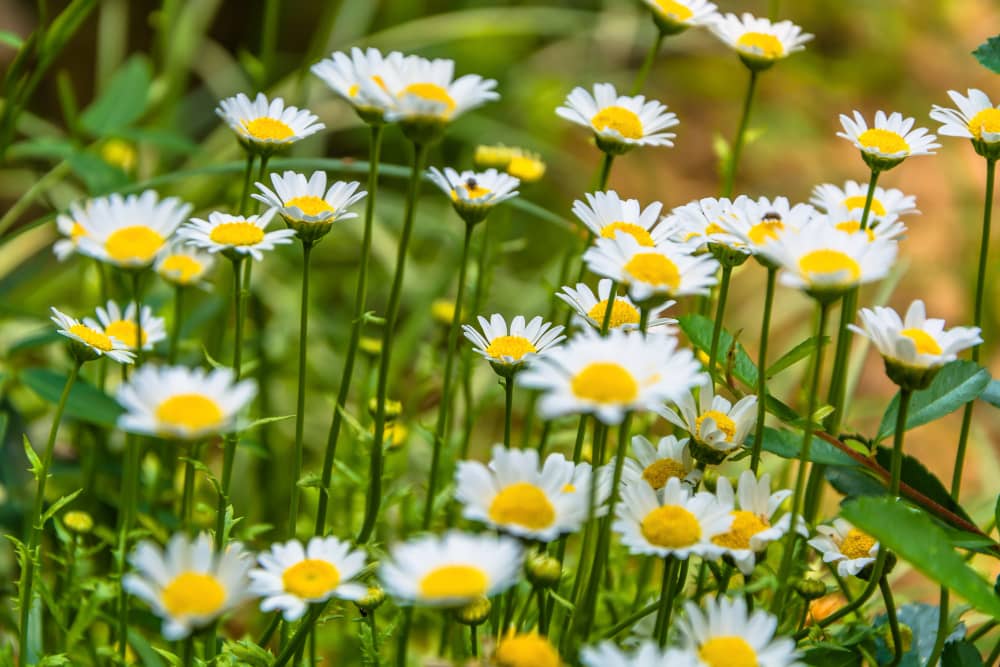
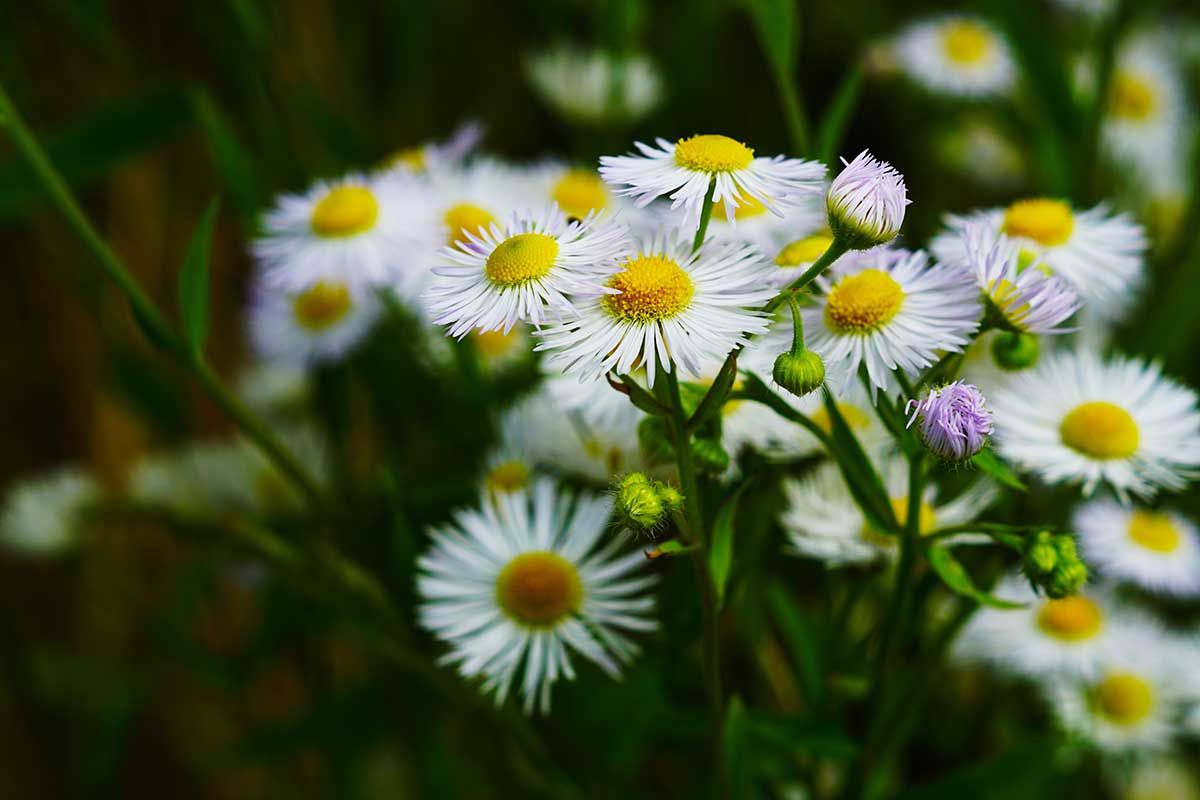
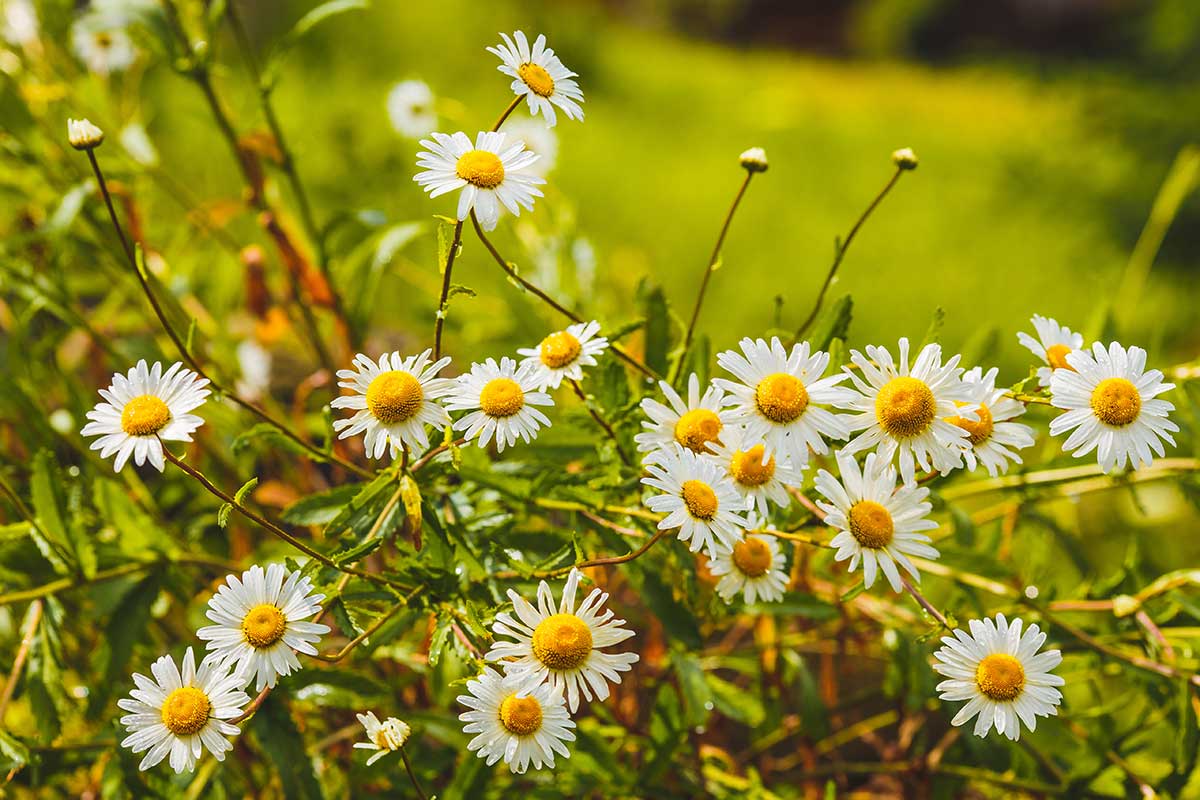
Chamomile is a flowering herb in the Asteraceae family, the same botanical family that includes daisies, sunflowers, and echinacea. Its small flowers have white petals surrounding bright yellow centers and give off a mild, sweet aroma that is sometimes described as slightly apple-like.
The name “chamomile” comes from words meaning “ground apple,” a reference to the plant’s distinctive fragrance. Chamomile has been used for centuries in traditional herbal practices throughout Europe, Western Asia, and other parts of the world.
Two main types of chamomile are commonly used today:
- German chamomile (Matricaria chamomilla) – The variety most frequently used in herbal teas and supplements. It is an annual plant that can grow relatively tall and produces numerous small flowers.
- Roman chamomile (Chamaemelum nobile) – A low-growing perennial with a similar appearance and aroma. It is commonly found in herbal preparations, essential oils, and cosmetic products.
Although the two plants are related and share some traditional uses, they are different species and have somewhat different chemical compositions.
The flower heads are the part most commonly harvested. They can be dried and steeped to make chamomile tea or processed into extracts, oils, creams, and other herbal preparations.
Chamomile flowers contain a variety of flavonoids and aromatic compounds that have attracted scientific interest. Researchers continue to study how these compounds may relate to some of the herb’s traditional uses.
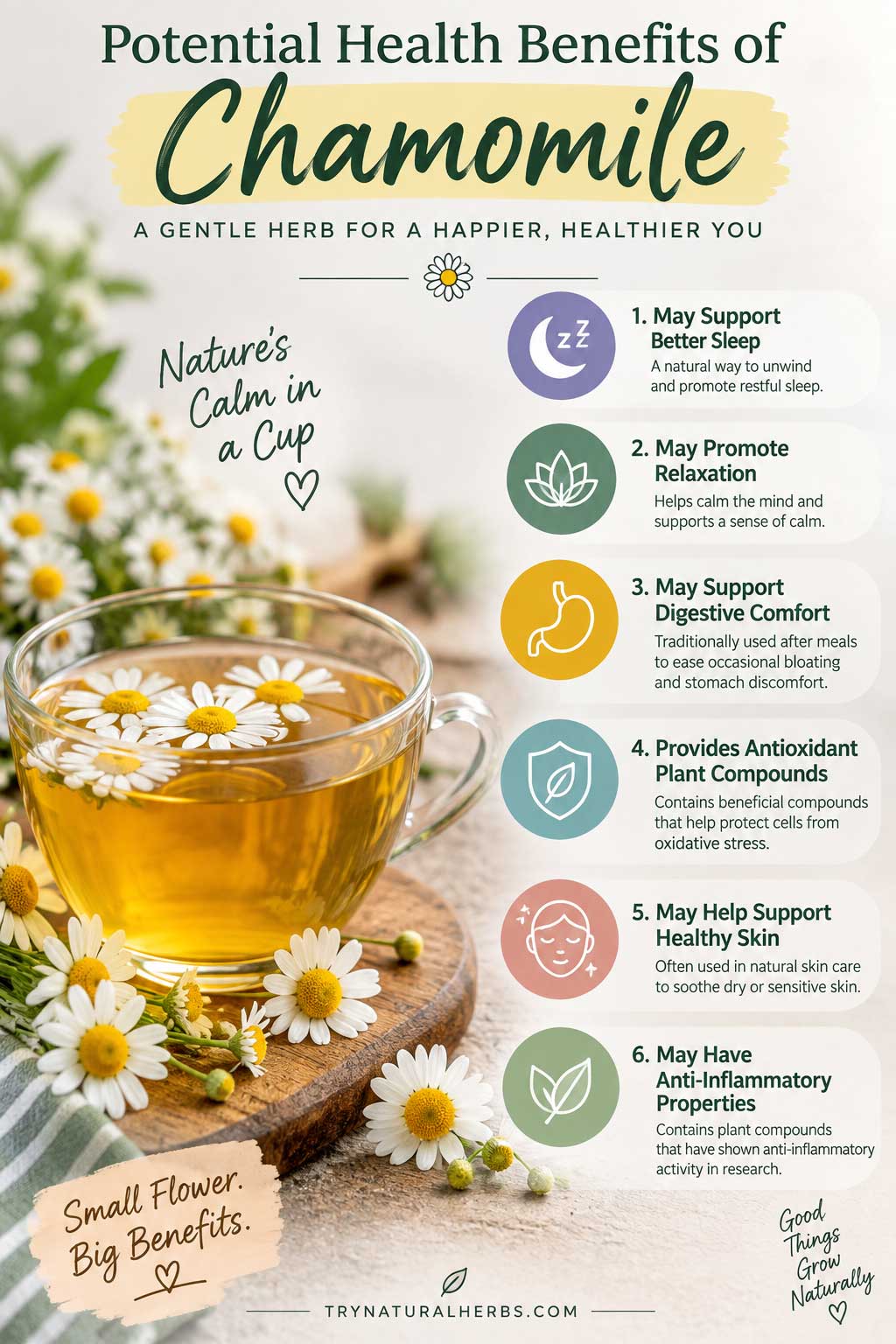
6 Potential Health Benefits of Chamomile
Chamomile has been used in traditional herbal practices for centuries, but modern research is taking a closer look at the compounds found in its flowers. In particular, chamomile contains flavonoids such as apigenin, along with other naturally occurring plant compounds that may contribute to its potential effects.
Research is still developing, and chamomile should not be considered a treatment for any medical condition. The National Center for Complementary and Integrative Health notes that research on chamomile for many health conditions remains limited. Even so, several potential chamomile benefits have attracted scientific interest.
1. May Support Better Sleep
Chamomile is perhaps best known as a bedtime herb. Its flavonoid apigenin has been studied for its interaction with receptors involved in relaxation and sleep. Human research is promising but mixed, which we’ll explore in more detail below. Another herb traditionally associated with nighttime relaxation is valerian.
2. May Promote Relaxation
For many people, sitting down with a warm cup of chamomile tea is simply part of winding down at the end of the day. Researchers have also studied chamomile extracts for their potential effects on relaxation and occasional feelings of stress.
Evidence remains limited, so it is best viewed as a gentle addition to a relaxing routine rather than a replacement for appropriate medical care.
3. May Support Digestive Comfort
Chamomile has traditionally been enjoyed after meals and used for occasional digestive discomfort, including feelings of gas and bloating. Research into these uses is still limited, but its long history as a digestive herb continues to attract scientific interest.
4. Provides Antioxidant Plant Compounds
Chamomile flowers contain flavonoids and other plant compounds with antioxidant activity. Antioxidants help protect cells from oxidative damage caused by unstable molecules known as free radicals.
A varied diet rich in fruits, vegetables, herbs, and other plant foods remains the most important way to obtain a broad range of antioxidants.
5. May Help Support Healthy Skin
Chamomile also has a long history of topical use. Today, its extracts appear in many creams, lotions, and other skin-care products, particularly those designed to soothe dry or sensitive skin.
6. May Have Anti-Inflammatory Properties
Several compounds found in chamomile have demonstrated anti-inflammatory activity in laboratory research. This has contributed to interest in chamomile for a variety of traditional wellness applications.
Human evidence is less established, however, and drinking chamomile tea should not be expected to treat inflammatory diseases.

Chamomile and Sleep: Can It Help You Rest Better?
Chamomile tea has become almost synonymous with bedtime. Its mild floral flavor, lack of caffeine, and long history as a calming herb make it a popular evening drink for people looking to unwind before sleep.
One compound that has received particular attention is apigenin, a flavonoid naturally present in chamomile. Apigenin can bind to certain receptors in the brain, including receptors involved in relaxation and sleep. This is one possible explanation for chamomile’s traditional reputation as a bedtime herb.
What Does the Research Say?
Several small human studies have investigated chamomile and sleep, with mixed but promising results. Some research suggests that chamomile preparations may improve certain aspects of sleep quality, while other studies have found more modest effects.
For example, research involving postpartum women has found short-term improvements in some measures of sleep after drinking chamomile tea. Chamomile extracts have also been studied in older adults and other groups experiencing sleep difficulties.
However, the available research has limitations, including relatively small study sizes, different chamomile preparations, and variations in dosage and duration. More large, well-designed clinical trials are needed before chamomile can be considered an established treatment for insomnia or other sleep disorders.
When Should You Drink Chamomile Tea for Sleep?
Many people enjoy a cup of chamomile tea about 30 to 60 minutes before bedtime. This gives you time to relax and make the tea part of a consistent evening routine.
Try pairing it with other sleep-friendly habits, such as dimming bright lights, putting away electronic devices, reading, or keeping a regular bedtime.
Chamomile tea is naturally caffeine-free, making it a convenient alternative to coffee, black tea, or green tea later in the evening.
While chamomile may help create a more relaxing bedtime routine, persistent insomnia or significant changes in sleep should be discussed with a healthcare professional rather than managed with herbal remedies alone.

Chamomile and Digestive Health
Chamomile has traditionally been used to soothe the digestive system, particularly after meals or during periods of occasional stomach discomfort. A warm cup of chamomile tea is still commonly enjoyed for complaints such as bloating, gas, and mild indigestion.
Chamomile contains flavonoids, terpenoids, and other plant compounds that may help explain its long-standing use for digestive comfort.
Chamomile for Gas and Bloating
A heavy meal can sometimes leave you feeling uncomfortably full or bloated. This is one reason chamomile tea has traditionally been enjoyed after eating.
Although this traditional use is well established, strong clinical evidence showing that chamomile alone relieves gas or bloating is limited. Much of the available research involves chamomile combined with other herbs, making it difficult to determine how much of the effect comes specifically from chamomile.
Chamomile for an Upset Stomach
Chamomile has also traditionally been used for occasional stomach upset and mild digestive discomfort. Because the tea is caffeine-free and has a relatively mild flavor, many people find it easy to drink when they want something warm and soothing.
However, recurring abdominal pain, persistent bloating, vomiting, blood in the stool, or other significant digestive symptoms should not be treated with chamomile alone. These symptoms can have many causes and may require medical evaluation.
For many people, enjoying chamomile tea after a meal is simply a pleasant way to wind down and enjoy this traditional herb.
Chamomile for Skin
Chamomile is not only enjoyed as an herbal tea—it also has a long history of topical use. Today, chamomile extracts can be found in creams, lotions, cleansers, shampoos, and other personal-care products designed for sensitive or easily irritated skin.
Much of the interest in chamomile for skin comes from its naturally occurring flavonoids and aromatic compounds, several of which have been studied for antioxidant and soothing properties.
May Help Soothe Mild Skin Irritation
Chamomile-containing products are often marketed for dry, sensitive, or irritated skin. Its plant compounds may help soothe dry or mildly irritated skin.
Some research has investigated topical chamomile preparations for irritated or inflamed skin, but the quality and strength of evidence vary depending on the product and condition being studied.
Provides Antioxidant Compounds
Flavonoids and other antioxidant compounds found in chamomile may help protect against oxidative stress. This is one reason chamomile extracts are sometimes included in cosmetic and skin-care formulations.
However, chamomile should not be viewed as a replacement for proven skin-care basics such as gentle cleansing, moisturizing, and daily sun protection.
Chamomile Compresses
One traditional way to use chamomile externally is as a cooled herbal compress. Chamomile tea can be brewed, allowed to cool completely, and applied to intact skin with a clean cloth for a short period.
Avoid applying homemade preparations to open wounds, infected skin, or the eyes. Homemade chamomile products also lack the preservation systems used in professionally formulated cosmetics, so they should be prepared fresh rather than stored for extended periods.
Can Chamomile Cause Skin Reactions?
Yes. Although chamomile is often considered a gentle herb, it can trigger allergic reactions in some people. The risk may be higher in individuals who are sensitive to other members of the Asteraceae family, including ragweed, chrysanthemums, marigolds, and daisies.
When trying a new chamomile-containing skin product, testing a small area first is a sensible precaution. Stop using it if you develop itching, swelling, a rash, or worsening irritation.
Key Plant Compounds in Chamomile
Chamomile’s traditional uses have encouraged researchers to take a closer look at the natural compounds found in its flowers. Chamomile contains a complex mixture of flavonoids, terpenoids, and aromatic compounds rather than one single active ingredient.
The exact composition can vary depending on the chamomile species, growing conditions, harvesting methods, and how the herb is processed.
Apigenin
Apigenin is one of the best-known flavonoids in chamomile. It has antioxidant properties and has attracted particular interest because of its interaction with certain receptors in the brain associated with relaxation and sleep.
This does not mean apigenin acts like a prescription sleep medication, but it may help explain why chamomile has traditionally been associated with calming bedtime routines.
Bisabolol
Alpha-bisabolol is a naturally occurring aromatic compound found particularly in German chamomile. It has been studied for soothing, anti-inflammatory, and antimicrobial properties and is also used as an ingredient in some cosmetic and skin-care products.
Chamazulene
Chamazulene is responsible for the distinctive blue color associated with some chamomile essential oils. Interestingly, it is formed during the steam-distillation process from another compound naturally present in the plant.
Chamazulene has demonstrated antioxidant and anti-inflammatory activity in laboratory research, contributing to scientific interest in chamomile essential oil and topical preparations.
Other Flavonoids and Plant Compounds
Chamomile also contains compounds such as quercetin, luteolin, and various phenolic acids, along with volatile oils that contribute to the herb’s characteristic aroma.
Together, these compounds may contribute to chamomile’s biological activity. However, finding a beneficial compound in a plant does not automatically mean that drinking chamomile tea will produce the same effects observed in laboratory studies using concentrated extracts.
This distinction is important when evaluating chamomile benefits. Research on isolated compounds, concentrated extracts, essential oils, and ordinary chamomile tea should not be treated as interchangeable evidence.

How to Make Chamomile Tea
Chamomile tea is one of the easiest ways to enjoy this traditional herb. It has a mild floral aroma, a slightly sweet flavor, and is naturally caffeine-free, making it especially popular in the evening.
You can prepare chamomile tea using dried loose flowers or commercially prepared tea bags.
Simple Chamomile Tea Recipe
You’ll need:
- 1 tablespoon dried chamomile flowers or 1 chamomile tea bag
- 8 ounces (240 ml) hot water
- Honey, optional
- Fresh lemon, optional
Directions:
- Bring the water to a boil, then allow it to cool briefly.
- Place the dried chamomile flowers in a tea infuser or add a tea bag to your cup.
- Pour the hot water over the chamomile.
- Cover the cup and steep for about 5 to 10 minutes.
- Remove the tea bag or strain out the flowers.
- Add a little honey or fresh lemon if desired.
For a lighter flavor, steep the tea for around five minutes. If you prefer a stronger, more aromatic cup, allow it to steep a little longer.
How Much Chamomile Tea Can You Drink?
Chamomile tea is commonly enjoyed as a regular herbal beverage, and a single cup in the evening is a popular choice as part of a bedtime routine.
There is no established amount of chamomile tea that is right for everyone. Herbal teas can also vary considerably in strength depending on the quantity of flowers used and steeping time.
Ways to Add More Flavor
Chamomile’s delicate flavor pairs well with several other herbs and ingredients. Try combining it with:
- Fresh mint for a cooling herbal blend
- Lemon or orange peel for a citrus note
- Ginger for a warmer, spicier flavor
- Lavender for a floral evening tea
- Cinnamon for a comforting fall or winter drink
If you use loose chamomile flowers, choose a product intended specifically for food or tea use rather than ornamental flowers, which may have been treated with chemicals not intended for consumption.
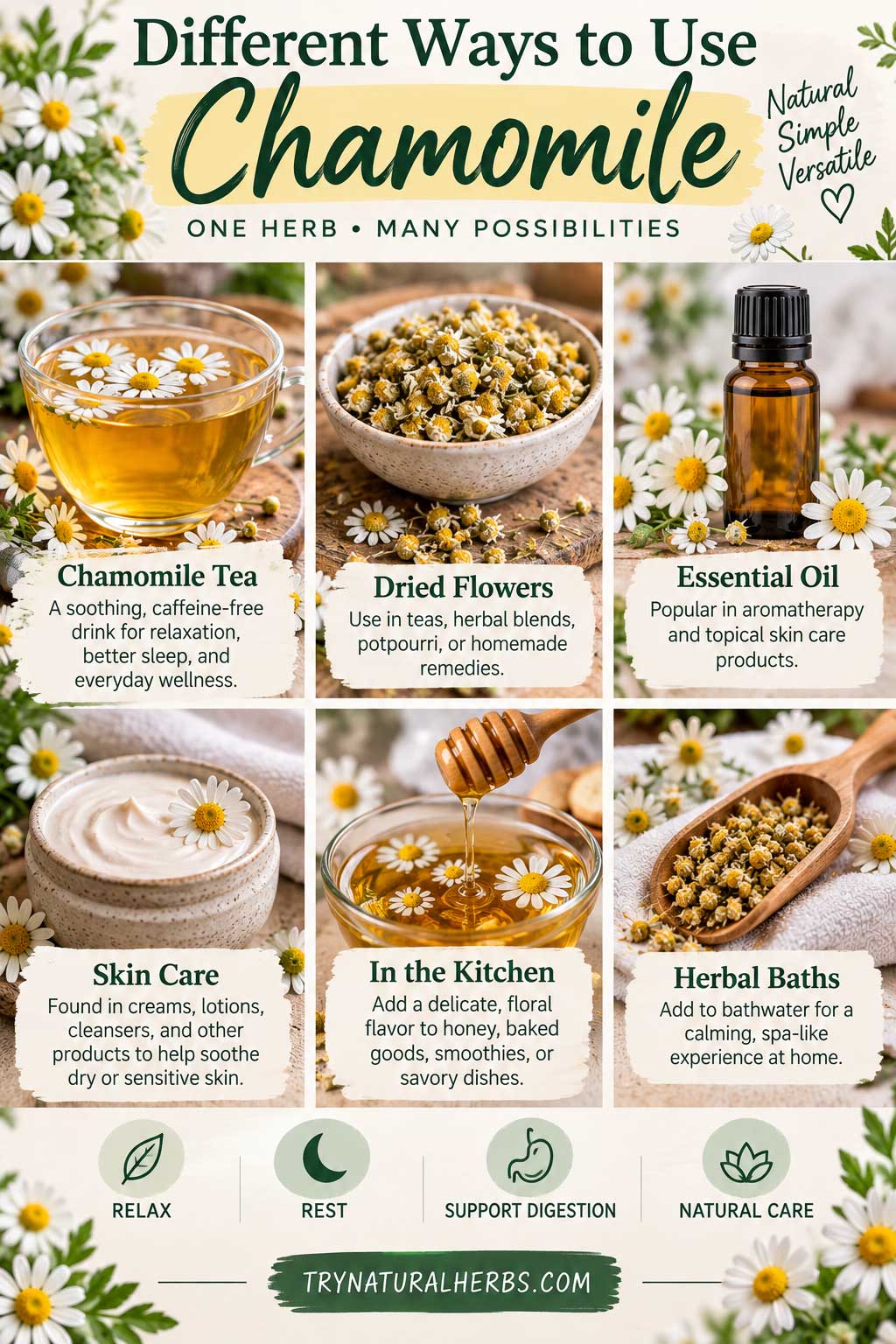
Different Ways to Use Chamomile
Although chamomile tea is by far the most familiar preparation, the herb can be used in several other ways. Dried chamomile flowers, extracts, and essential oil appear in everything from foods and skin-care products to aromatic preparations.
If you’re new to using plants this way, our guide to herbal medicine basics explains how herbs are commonly prepared and used.
The appropriate method depends on the type of chamomile product you have and how you intend to use it.
Dried Chamomile Flowers
Dried flowers are useful for much more than making a simple cup of tea. Food-grade chamomile can be incorporated into homemade herbal tea blends or used to add a delicate floral note to certain recipes.
Its mildly sweet, apple-like flavor can work well in:
- Herbal tea blends
- Infused honey
- Simple syrups
- Baked goods
- Desserts
- Homemade herbal infusions
Because chamomile has a delicate flavor, start with a small amount when experimenting with it in food.
Chamomile Extracts
Chamomile is also available as liquid extracts, tinctures, capsules, and other supplements. These preparations can be much more concentrated than ordinary chamomile tea.
Concentrations and serving sizes vary significantly between products, so follow the manufacturer’s directions rather than assuming that different chamomile supplements are interchangeable.
Chamomile in Skin-Care Products
Chamomile extracts are commonly included in creams, lotions, cleansers, shampoos, and other personal-care products. They are especially popular in formulations intended for dry or sensitive skin.
If you have never used chamomile topically, testing a small area of skin first can help identify a possible sensitivity.
Chamomile Essential Oil
Chamomile essential oil is a concentrated aromatic product made from the plant. German and Roman chamomile oils differ somewhat in their chemical composition and aroma and are commonly found in aromatherapy and topical products.
Because essential oil is very different from dried chamomile flowers or tea, always follow the product’s directions and use it only for its intended purpose.

How to Grow Chamomile at Home
Chamomile is an attractive herb to grow at home, especially if you enjoy making herbal tea from freshly harvested plants. Its small, daisy-like flowers add a delicate touch to herb gardens, raised beds, and containers while attracting beneficial pollinators.
Both German and Roman chamomile can be grown in the home garden, but their growing habits are different. German chamomile (Matricaria chamomilla) is an annual that readily grows from seed and can self-seed under favorable conditions. Roman chamomile (Chamaemelum nobile) is a low-growing perennial often used along borders or as a fragrant ground cover.
Choose a Sunny Location
Chamomile generally grows best in full sun, although it can tolerate some partial shade, particularly in areas with hot summers.
Choose a location with good air circulation and soil that drains well. Chamomile does not require especially rich soil and can perform well under relatively modest growing conditions.
Planting Chamomile Seeds
Chamomile seeds are very small and need light to germinate. Scatter them over moist soil and gently press them into the surface rather than burying them deeply.
Keep the soil lightly moist while the seeds germinate. Once seedlings become established, thin them as needed to provide adequate space and airflow.
Chamomile can also be grown in containers. Choose a pot with drainage holes and use a well-draining potting mix to prevent water from collecting around the roots.
Watering and Care
Young chamomile plants need consistent moisture while becoming established. Mature plants are relatively easy to maintain, but they should still be watered during extended dry periods.
Avoid keeping the soil constantly soggy. Excess moisture and poor drainage can contribute to root problems and other plant diseases.
When to Harvest Chamomile Flowers
Harvest chamomile when the flowers are fully open and the white petals have spread around the yellow centers. Picking regularly can encourage the plant to continue producing flowers.
For the best quality, harvest on a dry day after morning moisture has evaporated.
Drying Chamomile for Tea
Spread freshly harvested flower heads in a single layer on a clean screen, drying rack, or other well-ventilated surface away from direct sunlight.
Allow them to dry completely before storage. Properly dried flowers should feel dry and lightweight rather than soft or damp.
Store dried chamomile in an airtight container in a cool, dark, dry place. Keeping it away from heat, moisture, and direct sunlight helps preserve its aroma and quality.
If you plan to drink homegrown chamomile as tea, avoid using pesticides or other garden chemicals that are not labeled for use on edible herbs.
Chamomile Side Effects and Safety
Chamomile tea is generally well tolerated by many people when consumed in typical food and beverage amounts. However, natural does not always mean risk-free. Chamomile can cause side effects or interact with certain medications, and concentrated extracts or essential oils require additional caution.
Possible Allergic Reactions
Chamomile belongs to the Asteraceae family, which also includes ragweed, chrysanthemums, marigolds, and daisies. People who are allergic to these plants may be more likely to experience an allergic reaction to chamomile.
Possible reactions can include itching, skin irritation, swelling, or other allergy symptoms. Rarely, serious allergic reactions have been reported.
If you know you have a strong allergy to plants in this family, discuss chamomile use with a healthcare professional before trying it.
Chamomile and Medications
Chamomile may interact with certain medications. Extra caution may be needed with medicines that affect blood clotting, since chamomile contains compounds that could potentially increase the risk of bleeding when combined with some anticoagulant or antiplatelet drugs.
There may also be concerns when chamomile is combined with sedating medications or other products that cause drowsiness.
If you regularly take prescription medication, especially blood thinners or sedatives, ask your healthcare provider or pharmacist before using concentrated chamomile supplements.
Pregnancy and Breastfeeding
Chamomile consumed occasionally in normal food amounts is different from taking concentrated extracts or supplements. Reliable safety information on medicinal or highly concentrated chamomile use during pregnancy and breastfeeding is limited.
Anyone who is pregnant or breastfeeding should speak with a qualified healthcare professional before using chamomile supplements or concentrated preparations.
Chamomile Essential Oil Safety
Chamomile essential oil is much more concentrated than chamomile tea. It should not be treated as interchangeable with dried chamomile flowers or an herbal infusion.
Avoid swallowing chamomile essential oil unless specifically directed by an appropriately qualified healthcare professional. For topical use, essential oils are generally diluted in a suitable carrier oil or formulated into a finished skin-care product.
When to Seek Medical Advice
Chamomile should not be used to delay diagnosis or treatment of persistent symptoms. Seek appropriate medical care for ongoing sleep problems, significant digestive symptoms, severe skin reactions, breathing difficulties, or signs of a serious allergic reaction.
For most healthy adults, moderate amounts of chamomile tea can be an enjoyable part of a balanced diet. Greater caution is appropriate with concentrated supplements, essential oils, allergies, pregnancy, breastfeeding, and medications.
How to Choose and Store Chamomile
The quality of chamomile can vary considerably between products. Whether you are buying loose dried flowers, tea bags, extracts, or essential oil, paying attention to the label and storage conditions can help you choose a better product and maintain its quality.
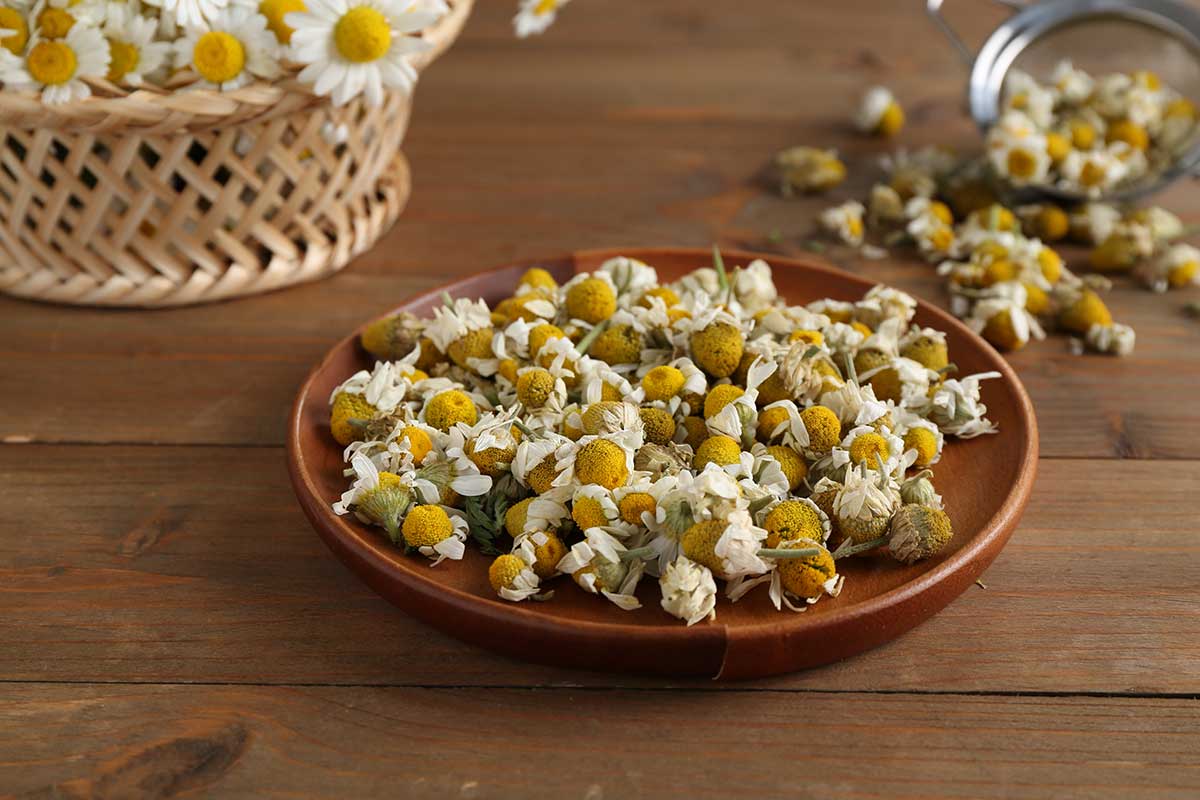
Choosing Dried Chamomile Flowers
When buying loose chamomile for tea, look for products specifically labeled for food or tea use. Good-quality dried chamomile should have a noticeable sweet, floral aroma and contain recognizable flower heads or pieces.
Check the ingredient list as well. A product labeled simply as chamomile tea may contain only chamomile, while flavored herbal blends can include several additional herbs, fruits, spices, or natural flavorings.
If the species is provided on the package, German chamomile may appear under botanical names such as Matricaria chamomilla or Matricaria recutita.
Choosing Chamomile Tea Bags
Tea bags are convenient and make it easier to prepare a consistent cup. Look for a clearly labeled ingredient list and check whether chamomile is the only ingredient or part of an herbal blend.
For the freshest flavor, choose products packaged to limit exposure to moisture and air.
Choosing Chamomile Supplements
Chamomile extracts, capsules, and tinctures can differ substantially in concentration. Look for labels that clearly state the amount of chamomile, botanical species, plant part used, serving size, and other ingredients.
When possible, choose supplements from reputable manufacturers that use independent or third-party quality testing. Keep in mind that dietary supplements are not evaluated in the same way as prescription medications before reaching the market.
Choosing Chamomile Essential Oil
A chamomile essential oil label should identify the botanical species and ideally provide information about the plant part and extraction method.
Avoid assuming that an essential oil labeled “chamomile” is suitable for drinking or cooking. Essential oils are highly concentrated and are fundamentally different products from food-grade dried chamomile flowers.
How to Store Dried Chamomile
Keep dried chamomile in an airtight container in a cool, dark, and dry location. Exposure to heat, moisture, light, and air can gradually reduce its aroma and overall quality.
A pantry or closed kitchen cabinet away from the stove is usually preferable to an open shelf exposed to sunlight.
Before using chamomile that has been stored for a long time, check its appearance and aroma. Discard it if you notice moisture, mold, an unusual odor, or other signs of deterioration.
Frequently Asked Questions About Chamomile
Is It Safe to Drink Chamomile Tea Every Day?
For many healthy adults, drinking chamomile tea regularly in typical beverage amounts is generally well tolerated. However, people with allergies to chamomile or related plants, as well as those taking certain medications, should check with a healthcare professional before making concentrated chamomile products part of their routine.
Does Chamomile Tea Have Caffeine?
No. Pure chamomile tea is naturally caffeine-free because it is an herbal infusion rather than a true tea made from the Camellia sinensis plant.
However, check the ingredient list when buying chamomile blends. A product that combines chamomile with green tea, black tea, or another caffeine-containing ingredient will not be caffeine-free.
Does Chamomile Tea Help You Sleep?
Chamomile is widely used as a bedtime tea, and some research suggests that chamomile preparations may help improve certain aspects of sleep quality. Apigenin, one of its naturally occurring flavonoids, has been studied for its interaction with receptors associated with relaxation and sleep.
The evidence is not strong enough to consider chamomile a treatment for insomnia, but a caffeine-free cup can be a relaxing part of an evening routine.
How Long Before Bed Should You Drink Chamomile Tea?
Many people drink chamomile tea about 30 to 60 minutes before bedtime. There is no scientifically established perfect time, so it can be adjusted according to your evening routine and personal preference.
What Does Chamomile Tea Taste Like?
Chamomile tea has a gentle floral flavor with mild sweetness and subtle apple-like notes. Steeping it for longer usually creates a stronger flavor and can introduce a little more bitterness.
Honey, lemon, mint, cinnamon, or ginger can be added if you prefer a more complex flavor.
What Is the Difference Between German and Roman Chamomile?
German chamomile (Matricaria chamomilla) is an annual plant and is one of the varieties most commonly used for herbal tea. Roman chamomile (Chamaemelum nobile) is a low-growing perennial frequently used in aromatic preparations and essential oils.
Both have a history of traditional use, but they are separate species and differ somewhat in their chemical composition.
Can You Eat Chamomile Flowers?
Food-grade chamomile flowers can be used in teas and small amounts in culinary preparations. They may be added to herbal blends, syrups, baked goods, desserts, and other recipes.
Only use flowers that are specifically grown and sold for consumption. Ornamental chamomile from garden centers or florists may have been treated with products not intended for edible crops.
Is Chamomile the Same as Daisy?
No. Chamomile flowers resemble small daisies, and both belong to the Asteraceae family, but they are not the same plant. Several different species are commonly called daisies, while German and Roman chamomile are distinct botanical species.
Who Should Avoid Chamomile?
People with known allergies to chamomile or closely related plants should use caution. Anyone taking medications that affect blood clotting or cause sedation should discuss concentrated chamomile products with a healthcare professional.
Additional caution is appropriate during pregnancy and breastfeeding, particularly with supplements, extracts, and essential oils because safety information for concentrated preparations is limited.
Making Chamomile Part of Your Wellness Routine
Chamomile’s gentle flavor, caffeine-free nature, and long history of traditional use have helped make it one of the world’s best-known herbs. Among the most widely discussed chamomile benefits are its potential roles in relaxation, sleep, digestive comfort, and skin care, although research into many of these uses is still developing.
For most people, a warm cup of chamomile tea is the simplest way to enjoy the herb. Others may prefer growing their own flowers, experimenting with food-grade chamomile in the kitchen, or using professionally formulated skin-care products.
However you choose to use it, pay attention to product quality and remember that concentrated extracts and essential oils are different from an ordinary cup of herbal tea. With sensible use, chamomile can be a simple and enjoyable addition to an everyday wellness routine.
References
- National Center for Complementary and Integrative Health (NCCIH). Chamomile: Usefulness and Safety.
NCCIH – Chamomile - Srivastava JK, Shankar E, Gupta S. (2010). Chamomile: A herbal medicine of the past with bright future. Molecular Medicine Reports.
PubMed Central - Chang SM, Chen CH. (2016). Effects of an intervention with drinking chamomile tea on sleep quality and depression in sleep disturbed postnatal women. Journal of Advanced Nursing.
PubMed - Adib-Hajbaghery M, Mousavi SN. (2017). The effects of chamomile extract on sleep quality among elderly people: A clinical trial. Complementary Therapies in Medicine.
PubMed - El Mihyaoui A, et al. (2022). Chamomile (Matricaria chamomilla L.): A Review of Ethnomedicinal Use, Phytochemistry and Pharmacological Uses.
PubMed Central