 By
By Natural Herbs That Can Help With Everyday Ailments
Natural herbs for everyday ailments have been used for generations as simple ways to support health and well-being. From a warming cup of ginger tea for an unsettled stomach to chamomile before bedtime, herbs continue to play a role in both traditional practices and modern wellness routines.
Many familiar herbs contain naturally occurring plant compounds that researchers are studying for their potential effects on the body. Ginger, for example, is well known for its use in managing nausea, while peppermint is commonly associated with digestive comfort. Other herbs, including chamomile, garlic, feverfew, and hawthorn, have long histories of traditional use for different health concerns.
However, herbal remedies aren’t automatically safe simply because they’re natural. Their effects can vary by herb, preparation, dose, medications you take, and your individual health. Some herbs can also cause side effects or interact with prescription and over-the-counter medicines.
In this guide, we’ll explore several popular natural herbs for everyday ailments, what they’re traditionally used for, what modern research suggests, and important precautions to consider before using them. We’ll also look at where the evidence is strongest, where it’s still uncertain, and when an herbal remedy may not be the right choice.
What Are Herbal Remedies?
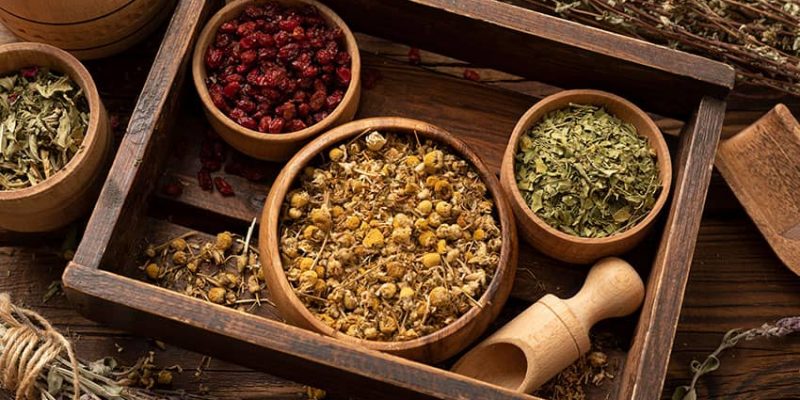
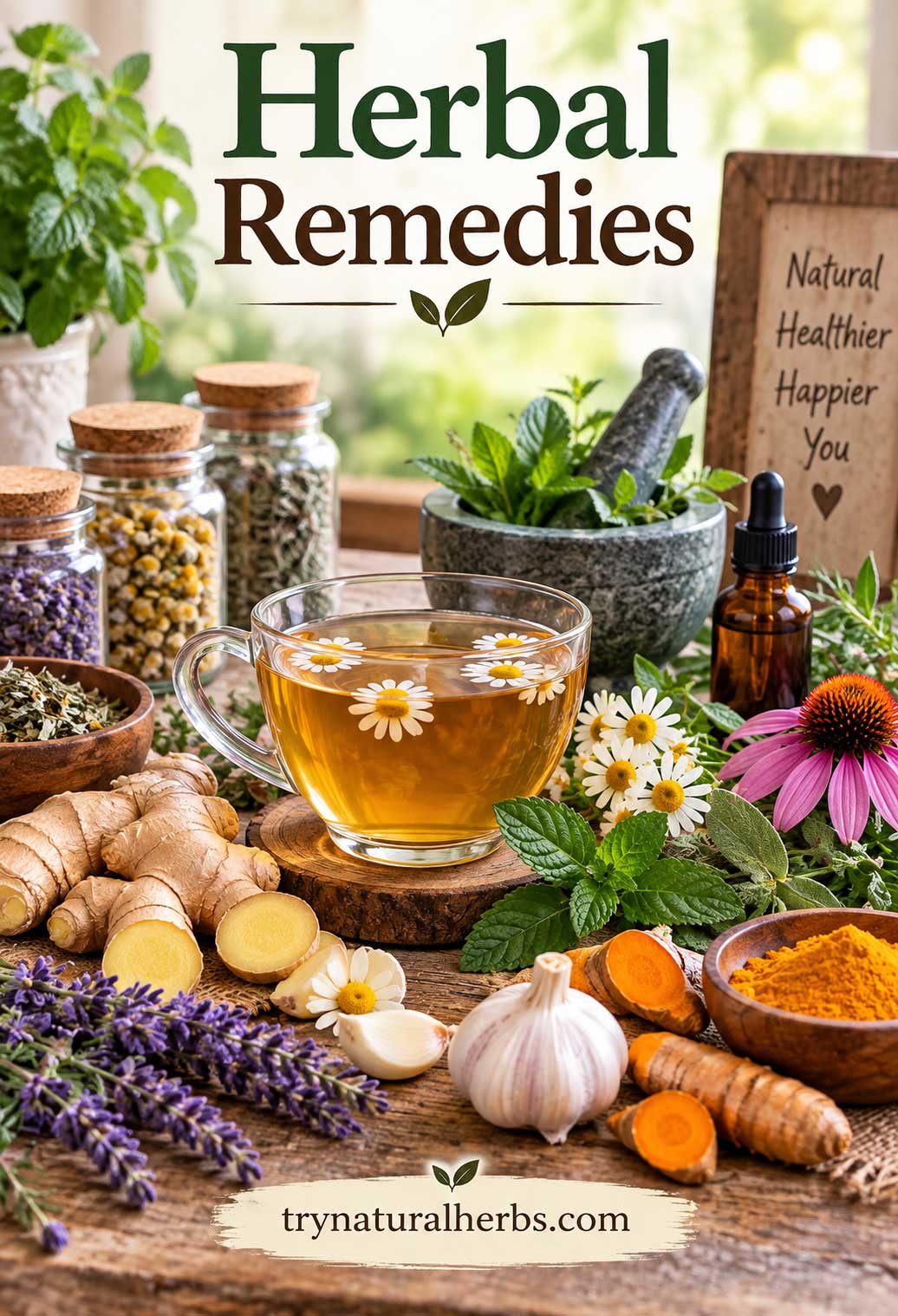
Herbal remedies are preparations made from plants or plant parts, including leaves, flowers, roots, seeds, bark, and berries. Depending on the herb and its traditional use, these ingredients may be prepared as teas, tinctures, extracts, powders, capsules, or topical products.
People have used medicinal plants in traditional healing practices around the world for centuries. Today, many of the same herbs are still popular, while researchers continue to investigate their naturally occurring compounds and potential effects on human health.
Some herbs have stronger scientific evidence behind particular uses than others. Ginger, for example, has been extensively studied for nausea, while research into many other traditional herbal uses remains limited or produces mixed results. This is why it’s important to distinguish between a herb’s traditional use and benefits that have been demonstrated in clinical research.
Herbal remedies can complement a healthy lifestyle, but they shouldn’t automatically be considered substitutes for medical care. The effects of an herb can depend on the preparation, dose, individual, and other medications or supplements being used.
10 Natural Herbs for Everyday Ailments
Different herbs have traditionally been used for different everyday concerns, from digestive discomfort and nausea to occasional headaches and difficulty relaxing. The following herbs are among the better-known options, although the amount and quality of scientific evidence vary considerably from one herb to another.
1. Feverfew
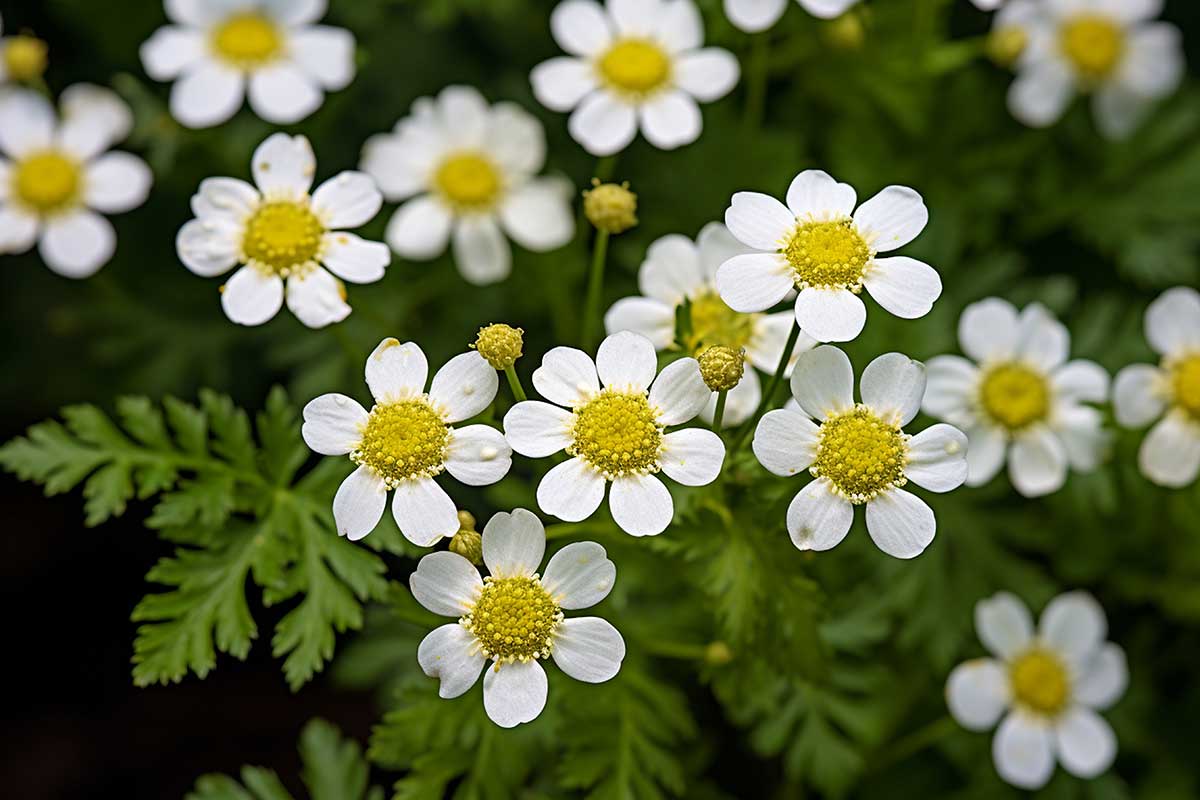
Feverfew (Tanacetum parthenium) is a flowering plant in the daisy family that has a long history of traditional use, particularly for headaches. Despite its name, feverfew is now better known for its association with migraine prevention than for reducing fever.
The leaves contain several naturally occurring compounds, including parthenolide, which has received particular attention from researchers. Studies have investigated whether feverfew preparations may help reduce the frequency of migraine attacks in some people. However, results have been mixed, and differences between feverfew products make it difficult to draw conclusions that apply to every supplement.
Feverfew is available as dried leaves, capsules, tablets, and extracts. Standardized commercial preparations are generally easier to use consistently than fresh leaves, which can irritate the mouth in some people.
Feverfew isn’t appropriate for everyone. It may affect blood clotting and can interact with certain medications. Feverfew is generally not recommended during pregnancy, so anyone who is pregnant or trying to conceive should discuss its use with a healthcare professional.
Feverfew also shouldn’t be viewed as a treatment for a sudden or severe headache. New, unusually intense, persistent, or otherwise concerning headaches should be evaluated by a healthcare professional.
2. Ginger
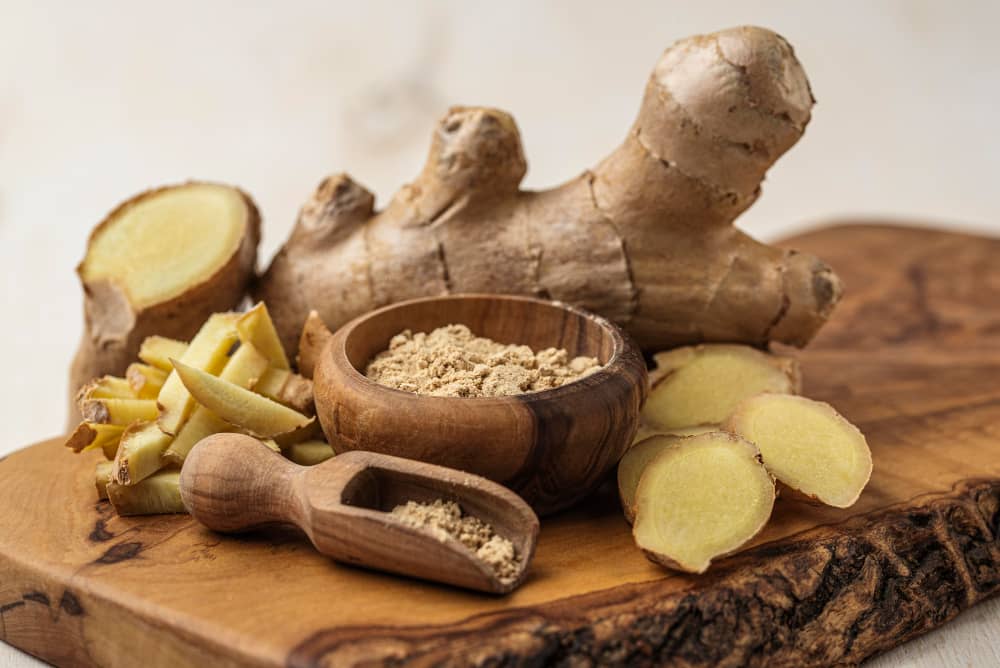
Ginger (Zingiber officinale) is one of the world’s most widely used culinary spices and traditional herbal remedies. The part we commonly call ginger root is actually a rhizome, an underground stem that can be used fresh, dried, powdered, or prepared as a tea or extract.
Ginger contains several naturally occurring compounds, particularly gingerol, that have been studied for their antioxidant and anti-inflammatory properties. These compounds also contribute to ginger’s characteristic aroma and warming, slightly spicy flavor.
One of ginger’s best-known traditional uses is for nausea and digestive discomfort. Ginger has been studied for several types of nausea and vomiting, although its effectiveness can depend on the cause and the preparation used. It is also commonly used for indigestion and general digestive comfort.
Researchers have also investigated ginger for its potential effects on inflammation and discomfort associated with conditions such as osteoarthritis and menstrual cramps. While some findings are promising, ginger shouldn’t be presented as a replacement for established medical treatments.
There are plenty of simple ways to enjoy ginger. Fresh ginger can be steeped in hot water for tea, grated into soups and stir-fries, added to smoothies, or incorporated into marinades and sauces. Dried ginger, extracts, and capsules are other commonly available forms.
For most people, culinary amounts of ginger are well tolerated. Larger amounts or concentrated supplements may cause heartburn, stomach discomfort, or diarrhea. Anyone taking blood-thinning medications, managing a medical condition, or considering concentrated ginger supplements should speak with a healthcare professional first.
3. Garlic
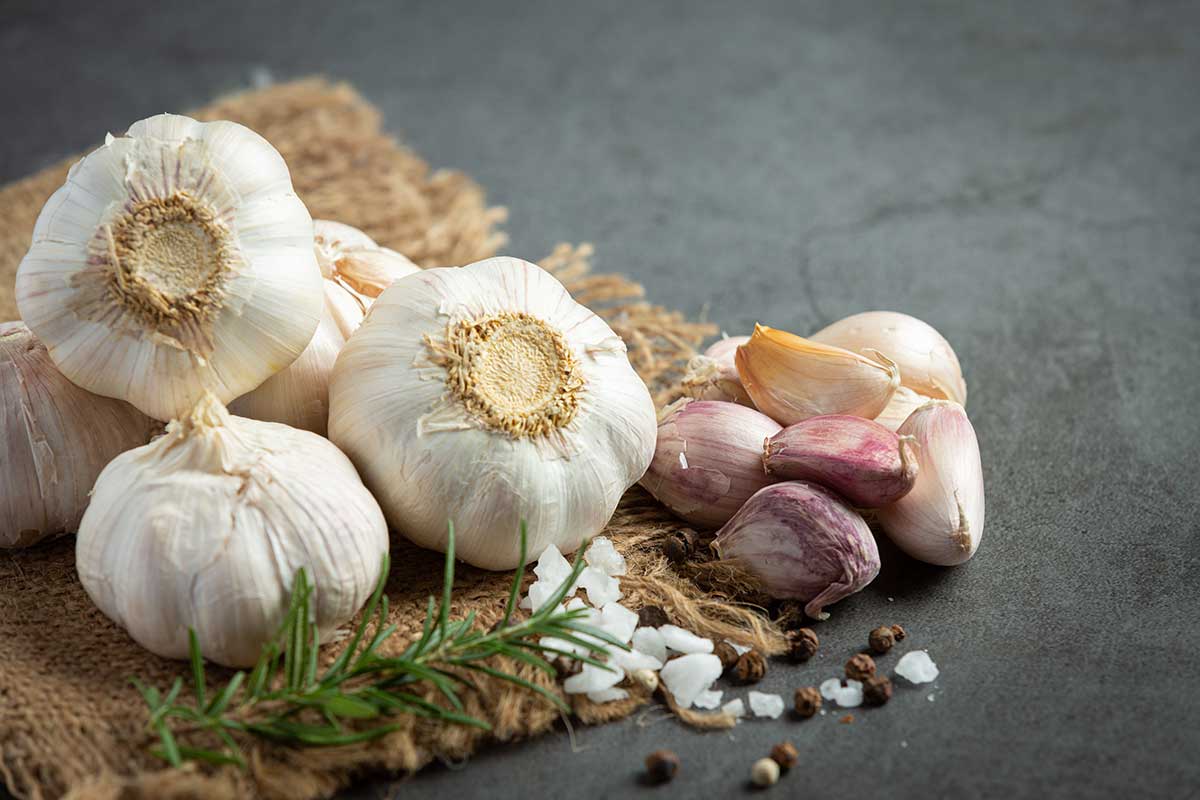
Garlic (Allium sativum) is much more than a familiar kitchen ingredient. A member of the Allium family alongside onions, leeks, and chives, garlic has also been widely discussed for its potential health benefits. It has a long history of use in traditional herbal practices, including for concerns ranging from seasonal illnesses to cardiovascular health.
Much of the interest in garlic comes from its naturally occurring sulfur-containing compounds. When fresh garlic is chopped or crushed, an enzyme helps produce allicin, a short-lived compound responsible for much of garlic’s distinctive aroma. Allicin then breaks down into other sulfur compounds that researchers have studied for their potential biological effects.
Garlic has received particular attention for its possible role in cardiovascular health. Research has explored whether garlic preparations may have modest effects on factors such as blood pressure and cholesterol levels in some people. However, results vary depending on the preparation and dose, so garlic shouldn’t be considered a substitute for prescribed treatments or other measures recommended by a healthcare professional.
Garlic also contains compounds that have demonstrated antioxidant and antimicrobial activity in laboratory studies. This doesn’t mean that eating garlic can treat an infection, however, and claims that garlic can cure colds, flu, or other infections go beyond the available evidence.
One of the easiest ways to include garlic in your routine is simply to cook with it. Fresh garlic works well in soups, sauces, roasted vegetables, marinades, salad dressings, and countless other dishes. Garlic is also available as aged garlic extract, powders, oils, and supplements.
Normal culinary amounts are generally well tolerated, although garlic can cause heartburn, digestive discomfort, or strong breath in some people. Concentrated garlic supplements may also increase the risk of bleeding and can interact with certain medications. If you take blood thinners or other prescription medicines, check with a healthcare professional before using high-dose garlic supplements.
4. Hawthorn
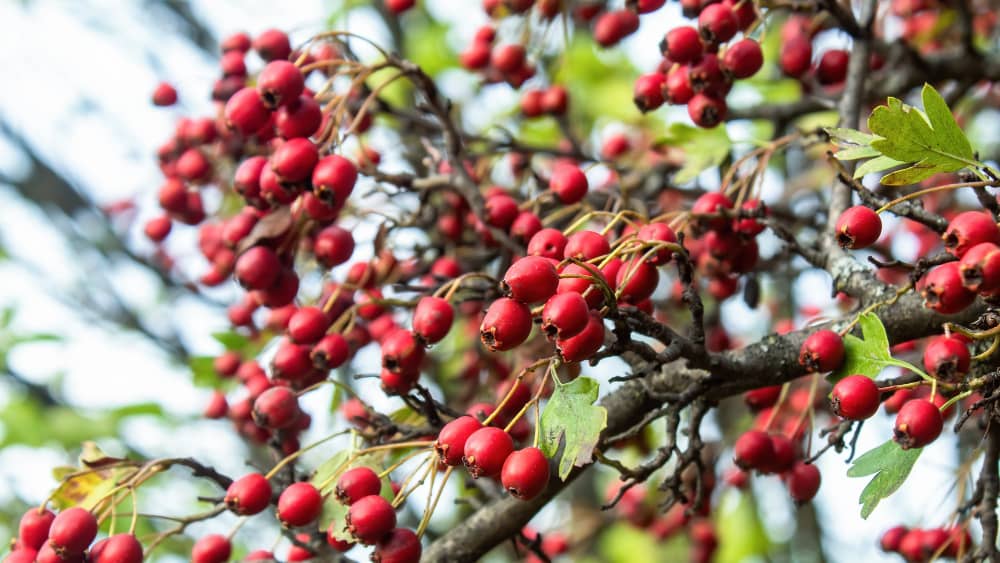
Hawthorn (Crataegus monogyna) is a small flowering tree or shrub in the rose family. Various hawthorn species grow across Europe, Asia, and North America, and the leaves, flowers, and berries have a long history of use in traditional herbal medicine.
Hawthorn is best known for its traditional association with heart and circulatory health. Most modern research on hawthorn has focused on its possible effects on heart and circulatory function. Some studies have looked at standardized hawthorn extracts alongside conventional care, but results shouldn’t be interpreted as a reason to self-treat a heart condition.
Hawthorn has also traditionally been used for digestive complaints and other concerns. You may see it promoted for anxiety, sleep, circulation, or menopausal symptoms, but scientific evidence supporting many of these uses remains limited.
Hawthorn is commonly available as tea, tinctures, capsules, and standardized extracts. The berries are also sometimes used in syrups, jams, and other foods, although medicinal preparations can be considerably more concentrated.
Because hawthorn may affect the cardiovascular system, anyone with a heart condition or taking heart or blood pressure medication should talk with a healthcare professional before using hawthorn supplements. Heart failure, chest pain, significant changes in heart rhythm, and other serious cardiovascular symptoms require medical evaluation and should never be self-treated with herbal remedies.
5. Peppermint
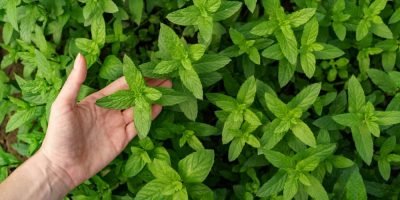
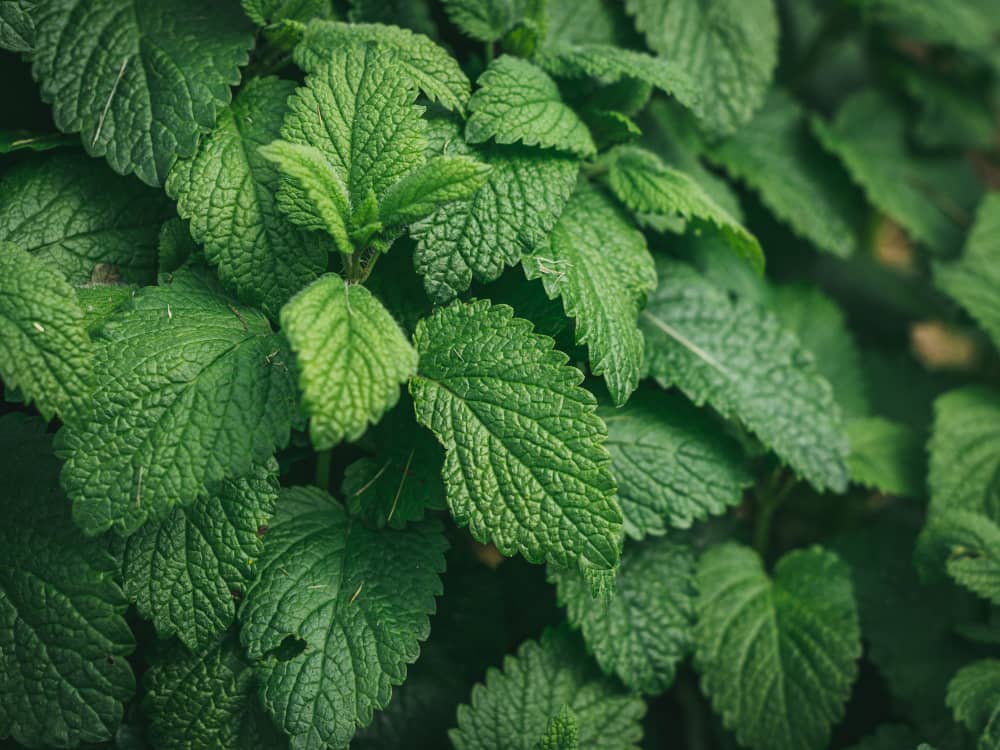
Peppermint (Mentha × piperita) is an aromatic hybrid of watermint and spearmint. It has been used in traditional herbal practices for centuries, particularly for digestive discomfort, nausea, and headaches. Its familiar cooling sensation comes largely from menthol, one of the major compounds found in peppermint oil.
Peppermint is especially well known for its association with digestive health. Peppermint oil has been studied for symptoms associated with irritable bowel syndrome (IBS), including abdominal discomfort and bloating. Peppermint tea is also commonly enjoyed after meals, although research on peppermint tea itself is more limited than research involving standardized peppermint oil preparations.
Peppermint has also traditionally been used for headaches. Applying diluted peppermint oil to the skin for topical relief is popular, and some research has investigated topical peppermint preparations for tension-type headaches. Peppermint’s cooling aroma may also feel refreshing and stimulating, but claims that it significantly improves circulation or alertness shouldn’t be overstated.
There are several ways to enjoy peppermint. Fresh or dried leaves can be steeped to make tea, added to foods, or infused into beverages. Peppermint is also available in capsules, extracts, and essential oils. Peppermint essential oil should not be swallowed unless it is contained in a product specifically formulated and labeled for internal use. Essential oils are highly concentrated and should be used carefully.
Peppermint is generally well tolerated in food and tea, but concentrated preparations can cause side effects. Peppermint may worsen heartburn or acid reflux in some people and can interact with certain medications. Anyone with an existing health condition, taking regular medication, or considering concentrated peppermint supplements should check with a healthcare professional first.
6. Chamomile
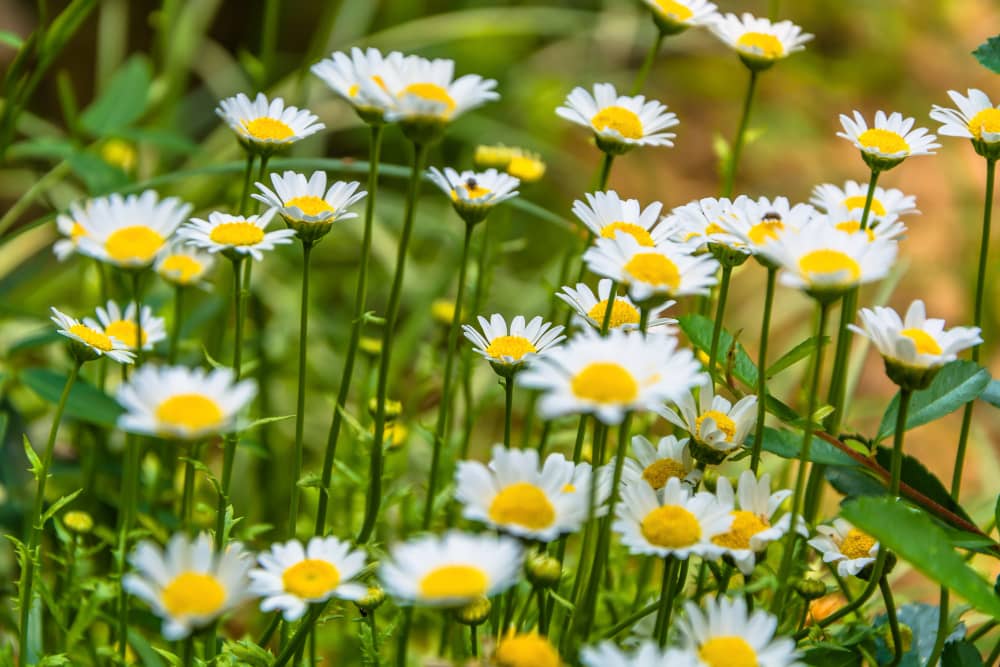
Chamomile is one of the most familiar herbs used for relaxation, and a warm cup of chamomile tea has become a popular part of many evening routines. The two species most commonly used are German chamomile (Matricaria chamomilla) and Roman chamomile (Chamaemelum nobile).
Chamomile flowers contain naturally occurring plant compounds, including flavonoids such as apigenin. Researchers have investigated these compounds and chamomile preparations for their potential effects on relaxation, sleep, and emotional well-being.
Chamomile is particularly popular as a gentle bedtime herbal tea. Some research suggests that chamomile may help support sleep quality in certain people, although evidence is still limited and it shouldn’t be considered a treatment for persistent insomnia. The simple ritual of drinking a warm, caffeine-free tea before bed can also be a relaxing way to wind down.
Traditionally, chamomile has also been used for digestive discomfort, including occasional gas and an unsettled stomach. While this remains a common herbal use, stronger clinical evidence is needed to determine how effective chamomile is for specific digestive conditions.
The easiest way to use chamomile is as a tea made from dried flowers. It is also available in extracts, capsules, tinctures, and topical preparations.
Chamomile is generally well tolerated, but people who are allergic to plants in the daisy family (Asteraceae)—which includes ragweed, chrysanthemums, and marigolds—may be more likely to experience an allergic reaction. Chamomile may also interact with certain medications, so concentrated supplements should be discussed with a healthcare professional, particularly if you take prescription medicines.
7. Lemon Balm
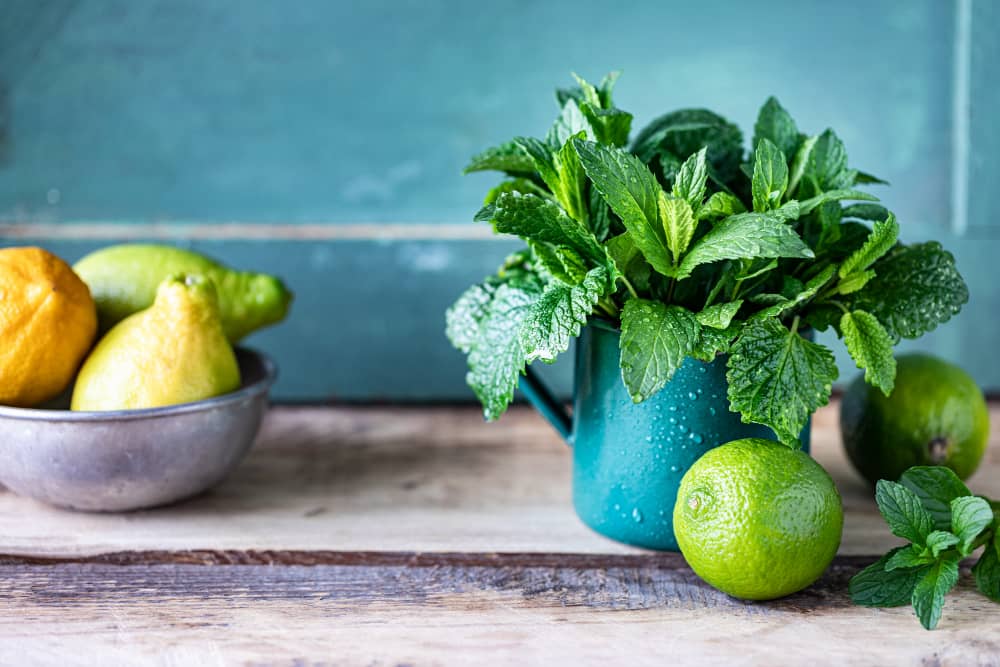
Lemon balm (Melissa officinalis) is a fragrant member of the mint family with leaves that release a fresh, lemon-like aroma when crushed. Native to parts of Europe, North Africa, and Western Asia, it has a long history of traditional use for relaxation, digestive comfort, and sleep.
One of lemon balm’s best-known traditional uses is promoting a sense of calm and relaxation. Researchers have studied lemon balm extracts for their potential effects on stress, mood, and cognitive performance. Some small studies have reported promising results, but larger and better-designed clinical trials are still needed.
Lemon balm is also commonly found in herbal blends intended for sleep support, sometimes combined with herbs such as valerian or chamomile. While it may be a pleasant addition to an evening routine, it shouldn’t be considered a treatment for chronic insomnia, anxiety disorders, or other medical conditions.
Traditionally, lemon balm has also been used for mild digestive complaints such as occasional bloating and gas. A warm cup of lemon balm tea after a meal is one of the simplest ways to enjoy the herb.
Fresh lemon balm leaves can be added to teas, infused water, salads, and other foods. Dried leaves are commonly used for tea, while more concentrated preparations are available as tinctures, extracts, and capsules.
Lemon balm is generally well tolerated when consumed in normal food or tea amounts. Concentrated supplements may cause side effects or interact with medications. If you take prescription medication—particularly medicines that cause drowsiness—check with a healthcare professional before using concentrated lemon balm supplements.
8. Turmeric
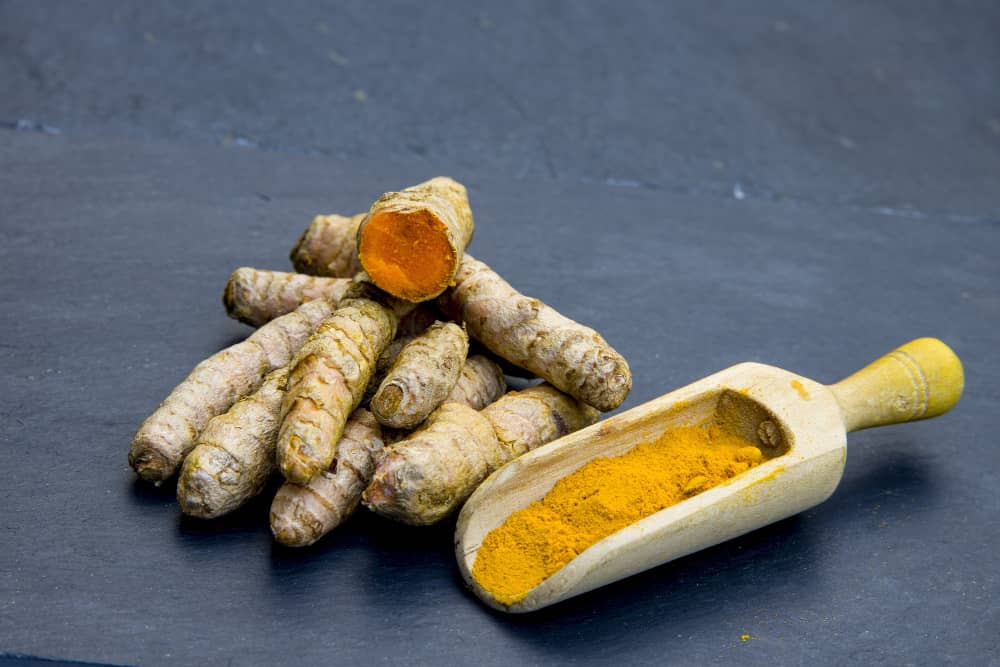
Turmeric (Curcuma longa) is a golden-yellow spice related to ginger. It has been used for centuries in cooking and traditional Ayurvedic practices, and today it is one of the most widely recognized herbal ingredients associated with inflammation and joint health.
Much of the scientific interest in turmeric focuses on a group of compounds called curcuminoids, particularly curcumin. Curcumin has demonstrated antioxidant and anti-inflammatory activity in laboratory research, prompting researchers to investigate whether turmeric or curcumin supplements may have benefits for human health.
One of the most studied areas is joint discomfort, particularly symptoms associated with osteoarthritis. Some clinical studies suggest that certain turmeric or curcumin preparations may help reduce joint discomfort in some people. However, formulations and doses vary widely between studies, and more high-quality research is needed to determine which preparations provide meaningful benefits.
Turmeric is easy to incorporate into everyday meals. The ground spice can be added to curries, soups, rice, roasted vegetables, eggs, smoothies, and warm drinks. Fresh turmeric rhizome can also be grated and used much like fresh ginger.
Curcumin itself is not absorbed particularly well by the body. This is why some supplements combine it with ingredients intended to improve absorption, such as piperine, a compound found in black pepper. That increased absorption is one reason concentrated curcumin supplements need a little more caution than simply cooking with turmeric, especially if you take medications.
Culinary amounts of turmeric are generally well tolerated. Concentrated turmeric or curcumin supplements may cause digestive upset and aren’t appropriate for everyone. People with gallbladder problems, those taking blood-thinning medications, and anyone preparing for surgery should discuss concentrated turmeric supplements with a healthcare professional before using them.
9. Echinacea
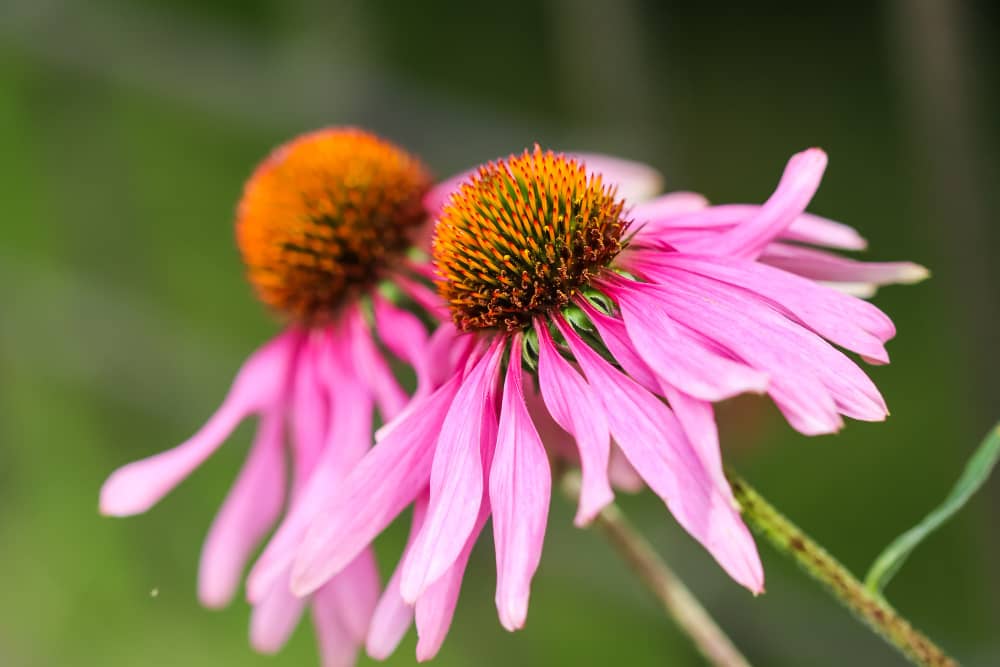
Echinacea is a group of flowering plants native to North America and one of the most popular herbs associated with cold and immune support. Several species are used in herbal products, particularly Echinacea purpurea, Echinacea angustifolia, and Echinacea pallida.
Echinacea has a long history of traditional use among Indigenous peoples of North America. Today, it is most commonly sold in teas, tinctures, extracts, lozenges, and capsules marketed for use during cold season.
Researchers have studied echinacea extensively for the common cold, but results have not always been consistent. Some research suggests that certain echinacea preparations may modestly reduce the likelihood of developing a cold or shorten its duration, while other studies have found little or no benefit. One reason for the mixed findings is that echinacea products can differ considerably in species, plant parts, extraction methods, and concentration.
You’ll often see echinacea described as an herb that “boosts the immune system.” A more accurate description is that compounds in echinacea may interact with or influence aspects of immune function. That doesn’t mean taking echinacea will make someone immune to infections or replace proven measures for preventing or treating illness.
Echinacea is generally considered well tolerated when used for short periods, although it can cause digestive upset or allergic reactions in some people. Because echinacea belongs to the Asteraceae family, people sensitive to ragweed, daisies, chrysanthemums, or related plants may have a greater risk of an allergic reaction.
People with autoimmune conditions, those taking medications that affect immune function, pregnant or breastfeeding individuals, and anyone considering regular use of concentrated echinacea products should discuss them with a healthcare professional first.
10. Lavender
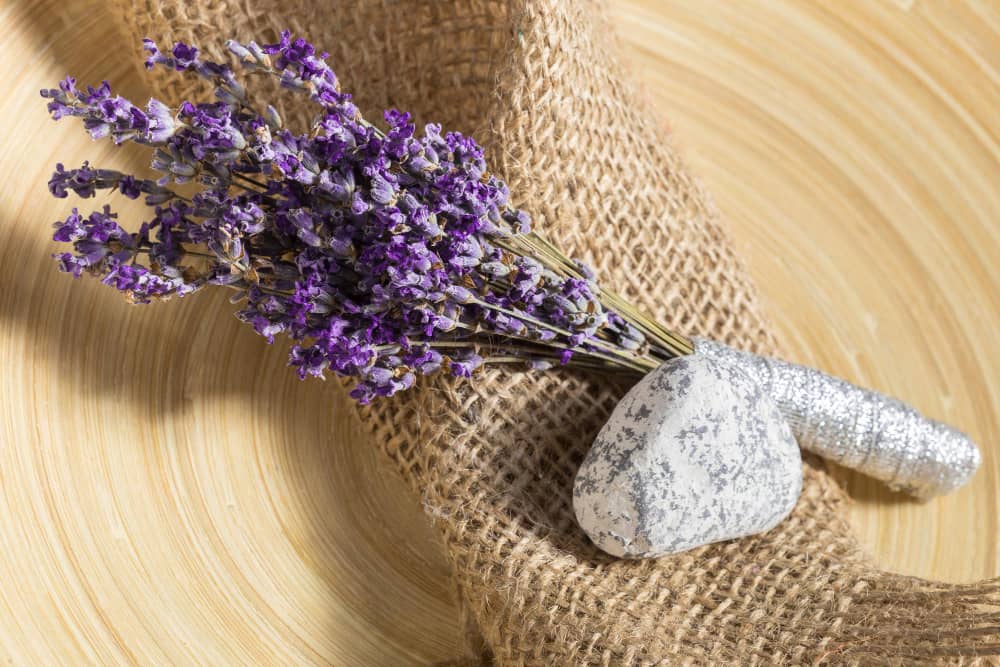
Lavender (Lavandula angustifolia) is an aromatic herb best known for its distinctive purple flowers and calming fragrance. Native to the Mediterranean region, lavender has a long history of use in traditional herbal practices, perfumes, bath products, and aromatherapy.
Today, lavender is especially popular for relaxation and sleep support. Its essential oil contains naturally occurring aromatic compounds, including linalool and linalyl acetate, which have attracted interest for their potential effects on the nervous system.
Research has explored lavender aromatherapy for stress, anxiety, and sleep quality. Some studies suggest that inhaling lavender aroma may promote relaxation or improve certain measures of sleep, but results vary and aromatherapy shouldn’t be considered a treatment for chronic insomnia or anxiety disorders.
Lavender can be enjoyed in several ways. Dried culinary-grade flowers may be used in small amounts in herbal teas, baked goods, syrups, and other foods. Dried lavender can also be placed in sachets, while lavender essential oil is commonly used in diffusers and appropriately diluted topical preparations.
It’s important to distinguish lavender flowers from lavender essential oil. Essential oils are highly concentrated and should not be swallowed simply because the original plant is edible. Products should always be used according to their labeling and intended purpose.
Lavender is generally well tolerated when used appropriately, although topical products can cause skin irritation or allergic reactions in some people. Concentrated lavender products may also interact with sedating medications. Pregnant or breastfeeding individuals, children, and people taking regular medications should consult an appropriate healthcare professional before using concentrated lavender preparations.
Natural Herbs for Everyday Ailments at a Glance
The best herb depends on what you’re hoping to support and how you prefer to use it. Here’s a quick comparison of the natural herbs for everyday ailments covered in this guide.
| Herb | Common or Traditional Use | Popular Forms |
|---|---|---|
| Feverfew | Migraine prevention | Capsules, tablets, extracts |
| Ginger | Nausea and digestive comfort | Fresh root, tea, powder, capsules |
| Garlic | Cardiovascular and general wellness | Fresh cloves, aged extracts, supplements |
| Hawthorn | Traditional heart and circulatory support | Tea, tinctures, extracts |
| Peppermint | Digestive discomfort and occasional headaches | Tea, capsules, peppermint oil |
| Chamomile | Relaxation and sleep support | Tea, extracts, capsules |
| Lemon Balm | Relaxation and digestive comfort | Tea, tinctures, extracts |
| Turmeric | Joint and inflammation support | Spice, fresh rhizome, extracts |
| Echinacea | Cold-season and immune support | Tea, tinctures, lozenges, capsules |
| Lavender | Relaxation and sleep support | Dried flowers, tea, aromatherapy |
Keep in mind that traditional use doesn’t necessarily mean a benefit has been proven scientifically. Evidence varies considerably among herbs, and concentrated extracts or supplements can behave differently from the amounts normally consumed in food or herbal tea.
How to Choose and Use Herbal Remedies Safely
Herbs can be a useful part of an everyday wellness routine, but natural doesn’t automatically mean safe. A cup of herbal tea, a culinary serving of an herb, and a concentrated herbal extract can contain very different amounts of active plant compounds.
Start With the Simplest Form
For everyday use, food and herbal teas are often the simplest ways to incorporate herbs. Fresh ginger in a meal or a cup of peppermint tea, for example, is very different from taking a highly concentrated extract.
If you choose a supplement, follow the manufacturer’s directions rather than assuming that taking more will provide greater benefits.
Choose Herbal Products Carefully
Herbal supplements can vary in quality and concentration. Look for products that clearly identify the plant species, plant part used, serving size, and ingredient amounts.
When possible, choose supplements from reputable manufacturers that use independent third-party testing for identity, purity, and contaminants. Be cautious with products that promise to cure diseases, work immediately, or provide dramatic results.
Check for Medication Interactions
Herbs contain biologically active compounds and can interact with medications. This is particularly important if you take medicines for blood pressure, blood clotting, heart conditions, diabetes, sleep, or immune-related conditions.
Garlic and feverfew, for example, may affect bleeding risk, while hawthorn may interact with certain cardiovascular medications. Concentrated herbal products deserve the same attention you would give other supplements.
Take Extra Care During Pregnancy and Breastfeeding
Not every herb is appropriate during pregnancy or breastfeeding, and safety information for many herbal supplements is limited. Feverfew, for example, should generally be avoided during pregnancy.
If you’re pregnant, breastfeeding, trying to conceive, or considering giving an herbal product to a child, speak with a qualified healthcare professional before using concentrated herbal preparations.
Know When an Herb Isn’t Enough
Herbal remedies shouldn’t delay appropriate medical care. Persistent or worsening symptoms, severe pain, breathing difficulties, chest pain, neurological symptoms, high or prolonged fever, or other concerning changes require professional medical evaluation.
Herbs are best viewed as one possible part of a broader approach to wellness—not as replacements for diagnosis, prescribed medication, or necessary medical treatment.
Herbal Tea, Fresh Herbs, or Supplements: Which Should You Choose?
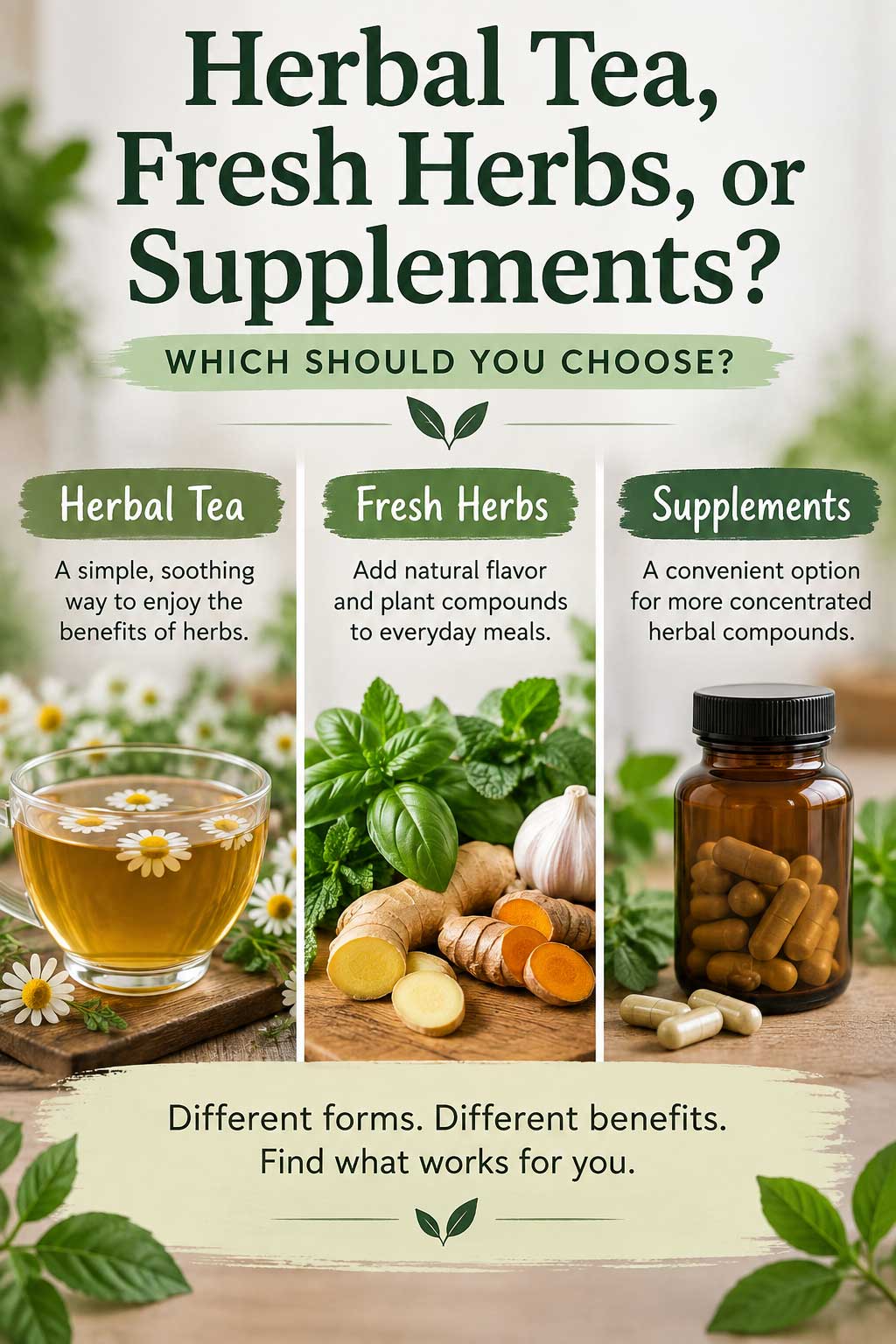
Herbs come in many forms, and the best choice depends on the herb, how you plan to use it, and the amount of active plant compounds you want to consume. Herbal teas, fresh or dried herbs, tinctures, and supplements aren’t necessarily equivalent, even when they come from the same plant.
Herbal Teas
Herbal tea is one of the easiest ways to incorporate herbs such as chamomile, peppermint, lemon balm, and ginger into your routine. Tea generally provides a less concentrated preparation than extracts or capsules and has the added benefit of being easy to prepare at home.
The amount of plant compounds in a cup can vary depending on the herb, quantity used, water temperature, and steeping time.
Fresh and Dried Herbs
Culinary herbs and spices are an easy way to add both flavor and plant compounds to meals. Garlic, ginger, and turmeric, for example, can be incorporated into soups, sauces, vegetables, marinades, and other everyday dishes.
Using herbs as food is also quite different from taking concentrated supplements. You generally shouldn’t assume that research involving a standardized extract applies directly to the amount of an herb used in a recipe.
Tinctures and Liquid Extracts
Tinctures and extracts concentrate components of the plant into a relatively small serving. Their strength can vary substantially between products, so it’s important to follow the label rather than estimating a serving yourself.
Capsules and Tablets
Capsules and tablets can provide convenient and more consistent amounts of an herbal preparation. Some products are standardized to contain specified amounts of particular plant compounds.
However, greater concentration doesn’t necessarily mean greater benefit. Concentrated supplements can also increase the possibility of side effects and interactions with medications.
If you simply want to incorporate more herbs into your routine, foods and teas are often the easiest place to start. If you’re considering a concentrated herbal product for a specific health concern, discussing it with a healthcare professional or pharmacist can help you determine whether it’s appropriate for you.
Frequently Asked Questions About Natural Herbs
What Are the Best Natural Herbs for Everyday Ailments?
There isn’t one herb that’s best for every concern. Ginger is commonly used for nausea and digestive discomfort, peppermint for digestive symptoms, and chamomile, lemon balm, and lavender for relaxation. Feverfew has been studied primarily for migraine prevention, while turmeric is frequently researched for joint discomfort. The evidence varies by herb and intended use.
What Herbs Are Good for Digestion?
Ginger and peppermint are two of the most widely used herbs for digestive comfort. Chamomile and lemon balm also have histories of traditional use for occasional digestive complaints. Persistent abdominal pain, frequent nausea, or unexplained digestive changes should be evaluated by a healthcare professional rather than managed solely with herbs.
What Herbs Can Help With Relaxation?
Chamomile, lemon balm, and lavender are commonly associated with relaxation. Chamomile and lemon balm are often prepared as caffeine-free teas, while lavender is frequently used in aromatherapy. These herbs may complement a relaxing evening routine, but they aren’t substitutes for treatment when anxiety or sleep problems are persistent or severe.
Is It Safe to Drink Herbal Tea Every Day?
Many herbal teas can be enjoyed regularly by healthy adults, but safety depends on the specific herb, amount consumed, medications, and individual health circumstances. Some herbs aren’t appropriate for daily use, pregnancy, certain medical conditions, or alongside particular medications.
Can I Take Several Herbs Together?
Herbs are frequently combined in teas and supplements, but combining them can also increase the possibility of side effects and interactions. This becomes particularly important when using concentrated extracts or taking prescription medications. Check individual ingredients carefully and consult a healthcare professional or pharmacist when you’re unsure.
Can Herbal Remedies Replace Medication?
No. Herbal remedies shouldn’t be used to stop or replace prescribed medication without guidance from the healthcare professional managing your treatment. Some herbs may complement an overall wellness routine, but serious, persistent, or worsening health problems require appropriate medical evaluation and treatment.
Final Thoughts on Natural Herbs for Everyday Ailments
Natural herbs for everyday ailments can offer simple ways to complement a healthy lifestyle, whether that means enjoying ginger when your stomach feels unsettled, sipping chamomile as part of an evening routine, or adding garlic and turmeric to everyday meals.
As we’ve seen, however, not every traditional herbal use has the same level of scientific support. Ginger has been studied extensively for certain types of nausea, while research into herbs such as feverfew, echinacea, lemon balm, and hawthorn is more dependent on the preparation, intended use, and quality of the available evidence.
How you use an herb matters too. A culinary serving, cup of herbal tea, essential oil, and concentrated supplement can differ considerably in strength and safety. More concentrated doesn’t necessarily mean more effective.
The best approach is to treat herbs as one part of your overall wellness routine rather than as cures for medical conditions. Learn about the herb you’re considering, choose reputable products, pay attention to possible medication interactions, and seek professional medical advice when symptoms are persistent, severe, or unusual.
Used thoughtfully, herbs can be an enjoyable way to explore traditional plant-based practices while making informed decisions based on both their history and what modern research tells us today.