

 By
By Nutrient-dense foods provide a high concentration of vitamins, minerals, fiber, healthy fats, protein, and other beneficial compounds relative to the calories they contain. Including more of these foods in your meals is a simple way to build a balanced diet and give your body the nutrients it needs for everyday health.
But nutrient density isn’t about finding one perfect “superfood.” Different foods provide different nutrients. Leafy greens are rich in vitamins and minerals, berries provide fiber and beneficial plant compounds, while foods such as fish, eggs, legumes, nuts, and seeds contribute valuable protein, fats, and micronutrients.
The best approach is to eat a varied diet built around whole and minimally processed foods. Combining vegetables, fruits, whole grains, legumes, healthy fats, and quality protein sources can help you meet your nutritional needs while keeping meals interesting and satisfying.
In this guide, we’ll explore 10 of the most nutrient-dense foods, what makes each one nutritious, and practical ways to incorporate them into your everyday meals.
What Are Nutrient-Dense Foods?
Nutrient-dense foods provide substantial amounts of beneficial nutrients relative to their calorie content. They can be good sources of vitamins, minerals, fiber, protein, healthy fats, and naturally occurring plant compounds such as carotenoids and polyphenols.
For example, leafy greens provide nutrients such as vitamin K, folate, and carotenoids, while beans and lentils offer fiber, plant-based protein, iron, and other minerals. Fish can provide protein, vitamin B12, selenium, and omega-3 fatty acids, depending on the variety.
Nutrient density doesn’t necessarily mean a food must be low in calories. Nuts, seeds, and avocados are relatively calorie-dense, but they also provide healthy fats, fiber, vitamins, minerals, and other important nutrients.
A healthy diet is therefore less about choosing a handful of “superfoods” and more about eating a variety of nutritious foods from different food groups. The following 10 foods and food groups are excellent options for adding more nutritional value, variety, and flavor to your everyday meals.
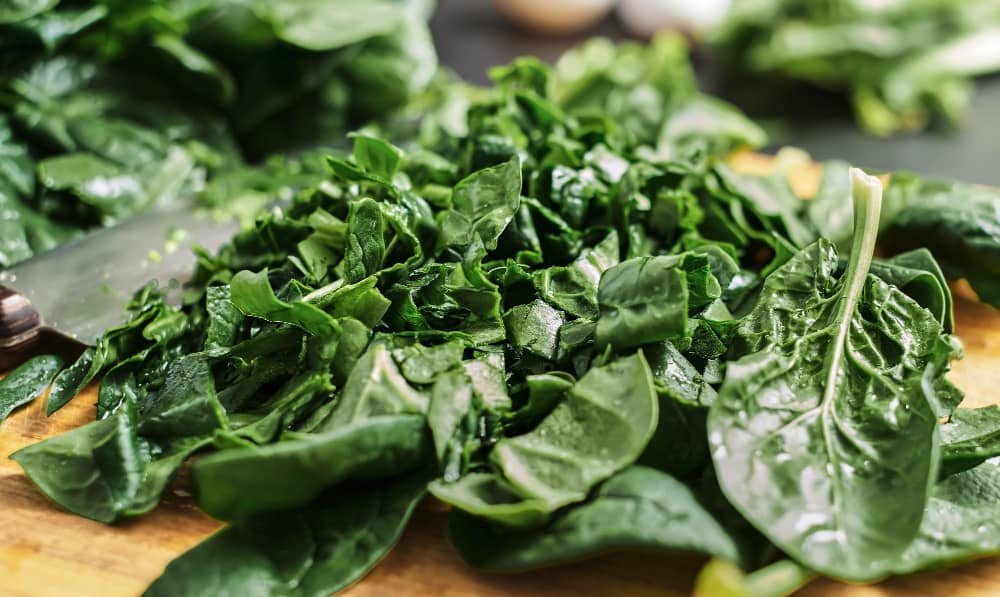
1. Dark Leafy Greens
Dark leafy greens are among the most nutrient-dense foods you can add to your diet. Spinach, kale, Swiss chard, collard greens, and similar vegetables provide an impressive range of vitamins, minerals, fiber, and beneficial plant compounds.
Depending on the variety, leafy greens can provide vitamin K, vitamin C, folate, potassium, magnesium, calcium, and carotenoids such as beta-carotene and lutein. Each type of leafy green offers a slightly different mix of nutrients, so it’s worth including a few different varieties in your meals.
Why Dark Leafy Greens Are Good for You
Leafy greens provide fiber along with antioxidants and other plant compounds. Their combination of nutrients can contribute to a balanced diet that supports digestive, bone, eye, and cardiovascular health. You can find more nutritious options in our guide to the 10 healthiest vegetables.
They’re also naturally low in calories while providing considerable nutritional value, making them an easy way to add more vegetables to meals without making them feel overly heavy.
Easy Ways to Eat More Leafy Greens
Leafy greens are surprisingly versatile. Tender greens such as spinach can be eaten raw in salads, blended into smoothies, or added to sandwiches and wraps. Heartier varieties such as kale, collards, and Swiss chard work particularly well when sautéed, steamed, or added to soups and stews.
Try sautéing greens with a little olive oil and garlic for a simple side dish, stirring spinach into eggs, or adding a handful of chopped greens to soups, pasta dishes, and grain bowls.
When shopping, choose greens that look fresh and crisp rather than wilted or yellowing. Store them refrigerated and wash them thoroughly before eating or cooking.

2. Berries
Berries pack an impressive amount of nutrition into a relatively small serving. Strawberries, blueberries, raspberries, blackberries, and other varieties provide vitamins, fiber, and a range of naturally occurring plant compounds.
Berries are especially valuable for their colorful plant compounds, including a variety of polyphenols. Different berries have slightly different nutritional profiles, so enjoying several varieties can help add both nutritional diversity and flavor to your diet.
Nutrients in Berries
Many berries are good sources of vitamin C and dietary fiber. They also contain plant compounds such as anthocyanins, flavonoids, and other polyphenols that contribute to their vibrant red, blue, and purple colors.
Raspberries and blackberries are particularly notable for their fiber content, while strawberries are an excellent source of vitamin C. Blueberries are well known for their naturally occurring anthocyanins.
Potential Health Benefits of Berries
The fiber in berries can support healthy digestion and help make meals and snacks more satisfying. Their vitamins and plant compounds also contribute to an overall eating pattern that supports cardiovascular and general health.
Rather than relying on one type of berry for a specific benefit, try eating a mixture throughout the week. Variety helps provide a broader range of nutrients and plant compounds. Eating a variety of whole foods is also one of several healthy habits discussed in our guide to living a long and healthy life.
Easy Ways to Eat More Berries
Fresh berries make an easy snack on their own, but frozen berries are also a convenient and nutritious option. Add them to oatmeal, yogurt, smoothies, cereal, or chia pudding for natural sweetness and extra nutrition.
Berries also work well in salads, homemade sauces, baked dishes, and simple desserts. When fresh berries aren’t in season, keeping a bag of unsweetened frozen berries in the freezer makes it easy to enjoy them throughout the year.

3. Fish
Fish is an excellent source of high-quality protein and several important vitamins and minerals. Fatty fish such as salmon, sardines, trout, herring, and mackerel are particularly nutrient-dense because they also provide substantial amounts of omega-3 fatty acids.
Nutrients in Fish
Fish provides complete protein containing all nine essential amino acids. Depending on the species, it can also be a valuable source of vitamin B12, vitamin D, selenium, iodine, phosphorus, and other micronutrients.
Fatty fish are especially well known for the omega-3 fatty acids EPA and DHA. These fats play important roles in normal heart, brain, and cell function.
Potential Health Benefits of Eating Fish
Regularly eating fish, particularly varieties rich in omega-3 fatty acids, can be part of a heart-healthy eating pattern. Fish also provides protein needed for maintaining muscles and tissues, while nutrients such as vitamin B12 and selenium contribute to several normal functions throughout the body.
The nutritional benefits vary by species, so choosing different types of fish rather than relying on just one can provide a broader range of nutrients.
Easy Ways to Add Fish to Your Diet
Fish doesn’t have to be complicated to prepare. It can be baked, grilled, broiled, poached, or steamed and paired with vegetables, whole grains, potatoes, or a fresh salad.
Canned salmon, sardines, and tuna can also be convenient options for sandwiches, salads, grain bowls, and quick lunches. When choosing fish regularly, vary the species you eat and follow current guidance regarding fish that may contain higher levels of mercury.

4. Nuts and Seeds
Nuts and seeds may be small, but they provide an impressive combination of healthy fats, plant-based protein, fiber, vitamins, minerals, and beneficial plant compounds. Almonds, walnuts, pistachios, cashews, pumpkin seeds, sunflower seeds, chia seeds, and flaxseeds can all contribute valuable nutrients to a balanced diet.
Different nuts and seeds offer different nutrients, so try mixing up the varieties you eat.
Nutrients in Nuts and Seeds
Nuts and seeds can provide magnesium, vitamin E, zinc, copper, selenium, iron, and several B vitamins, although the amounts vary considerably by type.
They are also rich in unsaturated fats. Walnuts, chia seeds, and flaxseeds are notable plant sources of alpha-linolenic acid (ALA), a type of omega-3 fatty acid.
Many varieties provide both protein and fiber, which can make nuts and seeds particularly satisfying as part of meals or snacks.
Potential Health Benefits of Nuts and Seeds
Including nuts and seeds in a balanced diet can support heart health by providing unsaturated fats, fiber, and other beneficial nutrients. Their combination of protein, fat, and fiber can also help make meals more filling.
Nuts and seeds are relatively calorie-dense, however, so a small portion can provide substantial energy as well as nutrition.
Easy Ways to Eat More Nuts and Seeds
A small handful of unsalted nuts makes a convenient snack, while seeds can easily be sprinkled over oatmeal, yogurt, salads, soups, and grain bowls.
Chia and ground flaxseed blend easily into smoothies or overnight oats. Nut and seed butters can be spread on whole-grain toast, paired with fruit, or stirred into oatmeal.
For everyday use, choose varieties with little or no added salt or sugar when possible. Rotating between different nuts and seeds can also help you enjoy a wider range of nutrients, flavors, and textures.
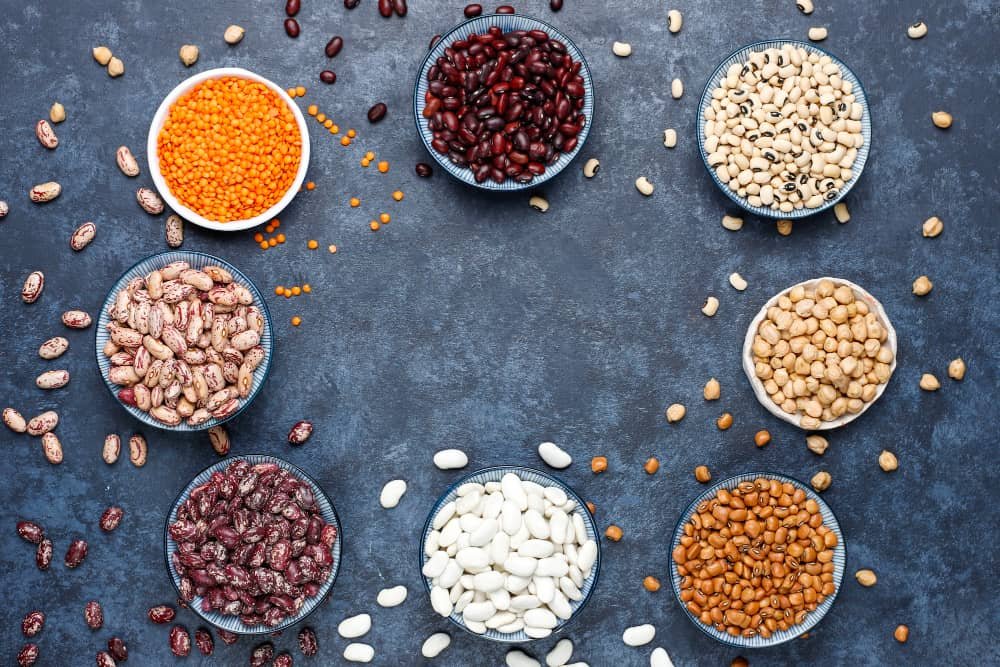
5. Legumes
Legumes such as beans, lentils, chickpeas, and peas are affordable, versatile, and highly nutritious. They provide a valuable combination of plant-based protein, dietary fiber, vitamins, minerals, and complex carbohydrates, making them some of the most practical nutrient-dense foods to keep in your kitchen.
Nutrients in Legumes
Legumes are excellent sources of dietary fiber and plant-based protein. Depending on the variety, they can also provide folate, iron, magnesium, potassium, zinc, and several B vitamins.
Their combination of protein, fiber, and complex carbohydrates can help make meals satisfying while providing nutrients needed for normal body functions.
Potential Health Benefits of Legumes
The fiber in beans and other legumes supports healthy digestion and helps feed beneficial bacteria in the gut. Soluble fiber can also contribute to maintaining healthy cholesterol levels.
Because legumes provide both fiber and protein, they can help you feel satisfied after meals. Regularly eating beans, lentils, and similar foods is also a simple way to replace some foods higher in saturated fat with nutritious plant-based alternatives.
Easy Ways to Eat More Legumes
Legumes work well in all kinds of meals. Add beans to soups, chili, salads, tacos, and grain bowls, or use chickpeas to make hummus. Lentils are excellent in soups, curries, stews, and simple vegetable dishes.
Canned beans are particularly convenient. Choose low-sodium or no-salt-added varieties when available, and draining and rinsing canned beans can reduce some of their sodium.
Dried legumes are another inexpensive option and can be cooked in larger batches for use throughout the week. Whether you choose canned or dried, adding legumes to a few meals each week is an easy way to increase your intake of fiber, protein, and important micronutrients.
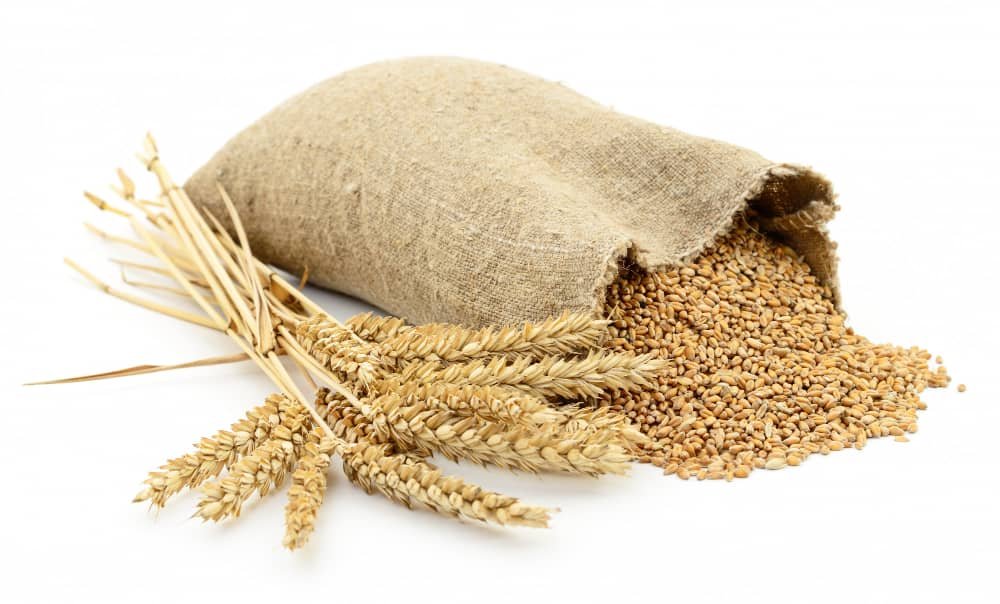
6. Whole Grains
Whole grains are an important source of fiber, vitamins, minerals, and naturally occurring plant compounds. Unlike refined grains, whole grains retain all three parts of the grain kernel—the bran, germ, and endosperm—which helps preserve more of their original nutrients.
Oats, brown rice, barley, bulgur, whole wheat, rye, and whole-grain corn are all nutritious options. Quinoa is technically a pseudocereal rather than a true cereal grain, but it’s prepared and eaten much like other whole grains.
Nutrients in Whole Grains
Whole grains provide complex carbohydrates along with dietary fiber and varying amounts of protein. They can also supply B vitamins such as thiamin, niacin, and folate, as well as minerals including magnesium, iron, zinc, and selenium.
The exact nutritional profile differs between grains, which is another good reason to include several varieties in your diet.
Potential Health Benefits of Whole Grains
Fiber is one of the biggest nutritional advantages of choosing whole grains. It supports normal digestion, contributes to feelings of fullness, and can help support healthy cholesterol and blood sugar levels as part of an overall balanced diet.
Regularly choosing whole grains instead of refined grains can also increase your intake of fiber and important micronutrients.
How to Choose Whole-Grain Foods
When shopping for bread, cereal, pasta, and other grain products, don’t rely solely on the product’s color or phrases such as “multigrain.” Check the ingredient list and look for a whole grain—such as whole wheat, whole oats, or brown rice—near the beginning.
You can also replace refined grains with whole-grain alternatives in everyday meals. Try oatmeal for breakfast, brown rice or quinoa with dinner, whole-grain bread for sandwiches, or barley in soups.
Cooking a larger batch of grains and refrigerating portions for later can make it much easier to add these nutrient-dense foods to salads, grain bowls, soups, and quick weekday meals.
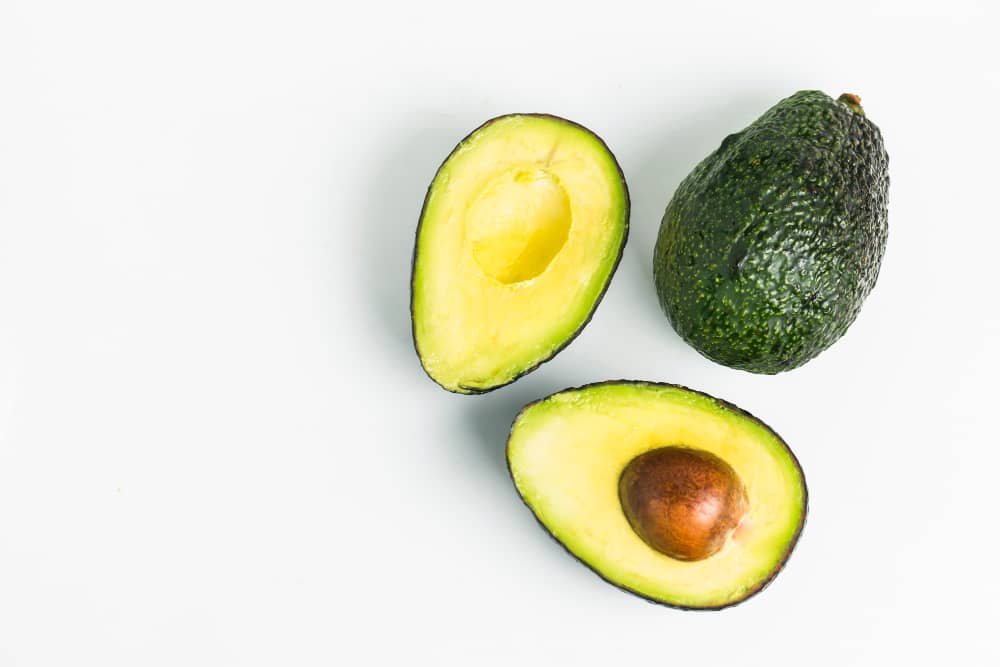
7. Avocados
Avocados are unique among fruits because most of their calories come from fat rather than carbohydrates. They provide primarily monounsaturated fats along with fiber, vitamins, minerals, and beneficial plant compounds.
Their creamy texture and mild flavor also make them an easy nutrient-dense food to incorporate into everything from breakfast and salads to dips and sandwiches.
Nutrients in Avocados
Avocados provide dietary fiber and are a good source of several important nutrients, including folate, potassium, vitamin K, vitamin E, and vitamin B6. They also contain smaller amounts of magnesium, vitamin C, and other micronutrients.
Most of the fat in avocados is unsaturated, with monounsaturated fat making up a substantial portion. Avocados also contain carotenoids such as lutein and zeaxanthin.
Potential Health Benefits of Avocados
The combination of fiber and unsaturated fats can make avocado a satisfying addition to meals. Replacing foods high in saturated fat with foods containing unsaturated fats can also be part of a heart-healthy eating pattern.
Avocados provide fiber that supports normal digestion, while nutrients such as potassium contribute to normal muscle, nerve, and cardiovascular function.
Avocados are relatively calorie-dense, so a modest portion can still provide plenty of nutrients and flavor.
Easy Ways to Eat More Avocado
Avocado can be sliced onto whole-grain toast, added to salads and sandwiches, blended into smoothies, or mashed into guacamole. It also works particularly well in grain bowls, tacos, wraps, and egg dishes.
For a simple snack, try avocado on whole-grain toast with tomato, herbs, or seeds. You can also blend avocado into dressings and dips to create a naturally creamy texture.
Pairing avocado with vegetables, whole grains, legumes, or other whole foods makes it easy to create a filling meal containing a variety of nutrients.

8. Fermented Foods
Fermented foods have been part of traditional diets around the world for centuries. Yogurt, kefir, sauerkraut, kimchi, miso, and tempeh are familiar examples, each offering its own combination of nutrients, flavors, and textures.
Fermentation occurs when microorganisms such as bacteria or yeast break down components of food. The process can change a food’s flavor, texture, and nutritional characteristics while also helping preserve it.
Nutrients in Fermented Foods
The nutritional value of fermented foods varies considerably depending on what they’re made from.
Yogurt and kefir can provide protein, calcium, phosphorus, and B vitamins. Tempeh provides plant-based protein, fiber, and minerals, while fermented vegetables such as sauerkraut and kimchi can contribute fiber, vitamins, and beneficial plant compounds.
Some fermented foods also contain live microorganisms. However, not every fermented food is a probiotic food. Processing methods such as pasteurization and cooking can reduce or eliminate live cultures.
Potential Benefits of Fermented Foods
Fermented foods can contribute useful nutrients and greater variety to a balanced diet. Some fermented foods with live cultures can also provide beneficial microorganisms.
For example, yogurt containing live and active cultures can be an easy way to incorporate fermented food into your regular meals while also providing protein and calcium.
Research into fermented foods and the gut microbiome continues to develop, so it’s better to view them as one component of a varied diet rather than as a treatment for digestive or other health conditions.
Easy Ways to Eat More Fermented Foods
Add plain yogurt or kefir to breakfast, smoothies, or snacks. Sauerkraut and kimchi can add a tangy flavor to grain bowls, sandwiches, salads, and savory meals, while miso works well in soups, sauces, marinades, and dressings.
Tempeh can be baked, sautéed, or stir-fried and used in bowls, wraps, salads, and other plant-based meals.
When choosing packaged fermented foods, check the nutrition label for added sugars and sodium. If you’re specifically looking for live cultures, look for wording on the package indicating that they are present.

9. Eggs
Eggs provide an impressive amount of nutrition in a relatively small package. They’re an excellent source of high-quality protein and contain several essential vitamins and minerals, making them an affordable and versatile addition to a balanced diet.
One of the nutrients that makes eggs particularly noteworthy is choline, an essential nutrient involved in normal brain, nervous system, and cell function.
Nutrients in Eggs
A large egg provides about 6 grams of protein along with vitamins and minerals such as vitamin B12, riboflavin, selenium, phosphorus, and vitamin A. Eggs also provide smaller amounts of vitamin D, folate, iron, and other micronutrients.
The yolk contains many of the egg’s vitamins and minerals as well as choline and the carotenoids lutein and zeaxanthin. Lutein and zeaxanthin are carotenoids that help support normal eye health.
Potential Health Benefits of Eggs
Eggs provide complete protein, meaning they contain all nine essential amino acids. Protein is necessary for building and maintaining muscles and other tissues and can also help make meals more satisfying.
Choline contributes to normal cell function and is particularly important for the brain and nervous system. Eggs also provide several vitamins, minerals, and other compounds that contribute to their overall nutritional value.
Rather than viewing eggs as a food that prevents specific diseases, it’s more useful to consider how they fit into your overall diet. Preparation method and the foods served alongside them matter too.
Easy Ways to Eat More Eggs
Eggs can be boiled, poached, scrambled, baked, or made into omelets and frittatas. Pair them with vegetables, whole-grain toast, avocado, or beans to create a more varied and nutrient-rich meal.
Hard-boiled eggs are convenient for salads and quick snacks, while omelets provide an easy opportunity to use vegetables such as spinach, mushrooms, tomatoes, onions, and peppers.
For a simple nutrient-dense breakfast, try eggs with sautéed leafy greens and whole-grain toast or combine them with avocado and fresh vegetables.
10. Cruciferous Vegetables
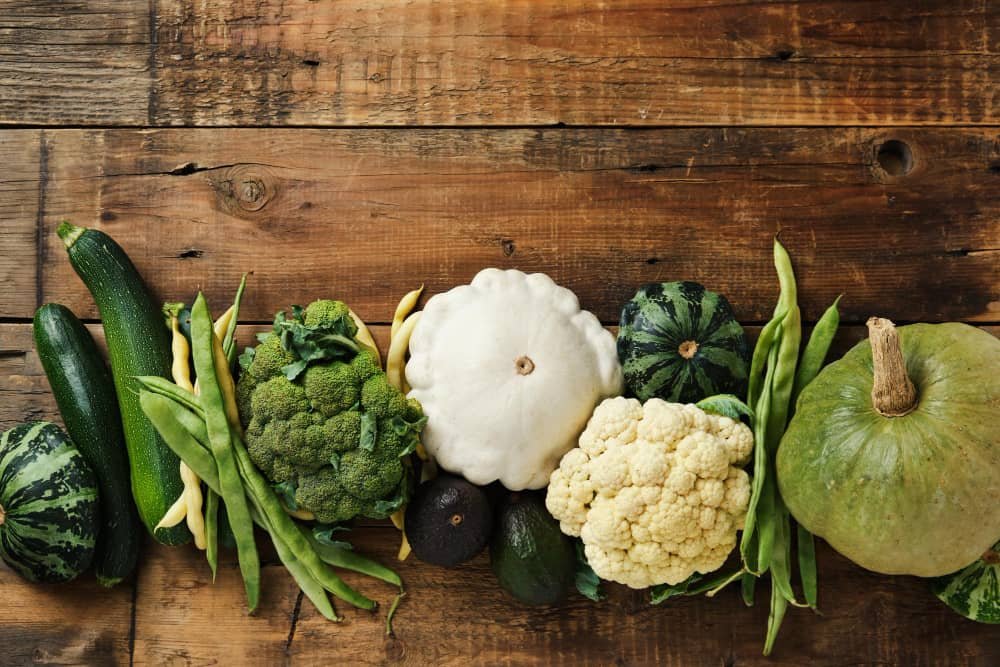
Cruciferous vegetables are a nutritious family of vegetables that includes broccoli, cauliflower, Brussels sprouts, cabbage, kale, bok choy, turnips, and radishes. They provide fiber, vitamins, minerals, and distinctive plant compounds that make them a valuable part of a varied diet.
Nutrients in Cruciferous Vegetables
The exact nutrient content varies by vegetable, but many cruciferous vegetables provide vitamin C, vitamin K, folate, potassium, and dietary fiber.
Broccoli and Brussels sprouts, for example, are excellent sources of vitamin C and vitamin K, while different members of the family contribute their own combination of vitamins, minerals, carotenoids, and other plant compounds.
Cruciferous vegetables also contain natural compounds called glucosinolates. When these vegetables are chopped, chewed, and digested, glucosinolates break down into other compounds that researchers continue to study for their potential role in health.
Potential Health Benefits of Cruciferous Vegetables
Eating cruciferous vegetables is an excellent way to increase your intake of fiber and micronutrients while adding more vegetables to your diet.
Their fiber supports normal digestive function, while vitamins and minerals contribute to numerous processes throughout the body.
Rather than relying on cruciferous vegetables to prevent a particular disease, include them as part of a varied eating pattern rich in vegetables, fruits, whole grains, legumes, nuts, seeds, and other minimally processed foods.
Easy Ways to Eat More Cruciferous Vegetables
Roasting broccoli, cauliflower, or Brussels sprouts with a little olive oil, herbs, and spices is one of the easiest ways to bring out their flavor. They can also be steamed, sautéed, stir-fried, or added to soups, curries, casseroles, and grain bowls.
Cabbage works well in slaws and salads, while bok choy is excellent in stir-fries and soups. Raw broccoli, cauliflower, and radishes can also add crunch to salads or vegetable platters.
Experiment with different cooking methods and varieties to find the ones you enjoy most. Eating several types throughout the week provides greater variety in both nutrients and flavor.
How to Add More Nutrient-Dense Foods to Your Diet
Eating a more nutrient-dense diet doesn’t require completely changing the way you eat. Small substitutions and additions can gradually increase the nutritional value of your everyday meals.
Start by looking at foods you already enjoy. Add berries and seeds to oatmeal, include leafy greens in eggs or sandwiches, replace some refined grains with whole grains, or add beans and lentils to soups, salads, and grain bowls.
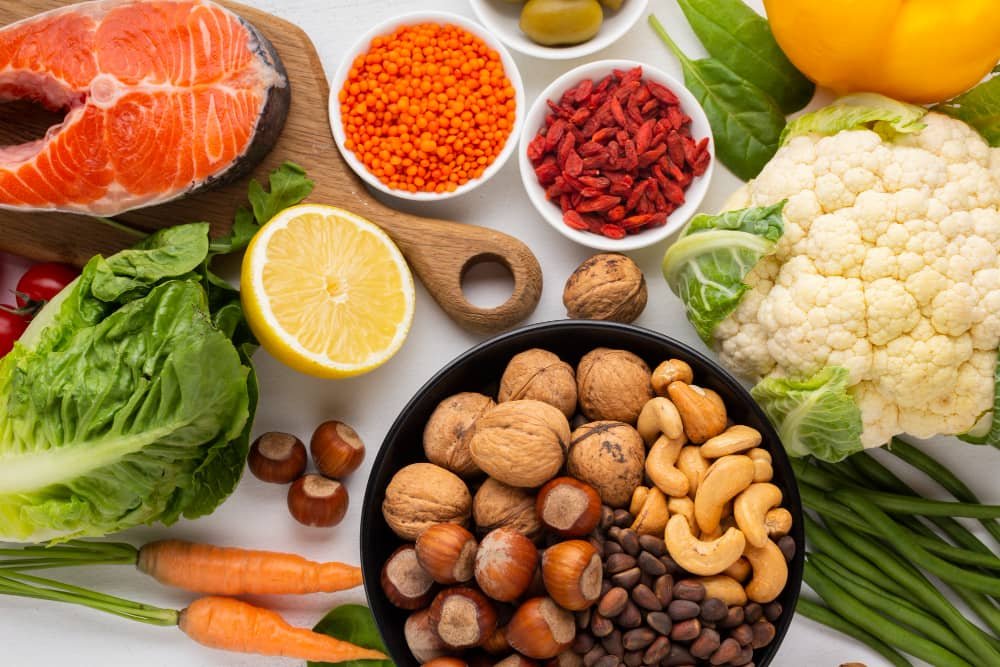
You can also combine several foods from this list in a single meal. For example, a bowl made with quinoa, leafy greens, chickpeas, avocado, roasted broccoli, and seeds provides a wide variety of nutrients, textures, and flavors.
Some other simple ideas include:
- Keep frozen berries and vegetables available for quick meals.
- Snack on fruit with a small handful of nuts or seeds.
- Add beans or lentils to soups, stews, and salads.
- Choose whole grains more often instead of refined grains.
- Include fatty fish such as salmon or sardines when appropriate for your diet.
- Add fermented foods such as yogurt or kefir if you enjoy them.
- Keep hard-boiled eggs available for an easy source of protein.
- Experiment with different vegetables rather than eating the same few varieties every week.
Most importantly, focus on variety rather than perfection. No single food provides everything your body needs. A balanced eating pattern that includes many different whole and minimally processed foods is a more practical way to get a broad range of essential nutrients.
Frequently Asked Questions About Nutrient-Dense Foods
What Does Nutrient-Dense Mean?
Nutrient-dense describes foods that provide substantial amounts of vitamins, minerals, fiber, protein, healthy fats, or other beneficial compounds relative to their calorie content. Vegetables, fruits, legumes, nuts, seeds, whole grains, eggs, and fish can all be nutrient-dense choices.
What Are Some of the Most Nutrient-Dense Foods?
Examples of nutrient-dense foods include dark leafy greens, berries, fatty fish, eggs, legumes, nuts and seeds, whole grains, avocados, and cruciferous vegetables such as broccoli and Brussels sprouts. Eating a variety is more important than relying on any single food.
Are Nutrient-Dense Foods Always Low in Calories?
No. Some nutrient-dense foods, including nuts, seeds, and avocados, are relatively high in calories because they contain healthy fats. Nutrient density refers to the amount of beneficial nutrition a food provides rather than simply how few calories it contains.
Can Nutrient-Dense Foods Help With a Balanced Diet?
Yes. Choosing a variety of nutrient-dense foods can make it easier to obtain essential vitamins, minerals, fiber, protein, and healthy fats. However, overall dietary patterns, portion sizes, individual nutritional needs, and food variety are also important.
What Are Some Affordable Nutrient-Dense Foods?
Beans, lentils, eggs, oats, brown rice, cabbage, frozen vegetables, canned fish, and frozen berries can all provide substantial nutritional value without requiring a large grocery budget. Buying foods in season or choosing frozen and canned options can also help reduce costs.
How Can I Make My Meals More Nutrient-Dense?
Start with simple additions and substitutions. Add vegetables to meals, choose whole grains more often, include beans or lentils in soups and salads, snack on fruit with nuts, or add berries and seeds to oatmeal or yogurt. Small changes made consistently can increase the nutritional variety of your diet.
Final Thoughts on Nutrient-Dense Foods
Adding more nutrient-dense foods to your diet is one of the simplest ways to increase your intake of vitamins, minerals, fiber, protein, healthy fats, and beneficial plant compounds.
Dark leafy greens, berries, fish, nuts and seeds, legumes, whole grains, avocados, fermented foods, eggs, and cruciferous vegetables each bring something different to the table. Rather than focusing on one “superfood,” aim to eat a variety of these foods throughout the week.
You don’t need to include all 10 every day. Small habits—adding berries to breakfast, choosing whole grains, eating more vegetables, adding beans to meals, or snacking on nuts and seeds—can make your overall diet more nutritious over time.
The goal isn’t to eat perfectly. Instead, make nutritious foods a regular part of meals you actually enjoy. Experiment with different combinations and build your meals around a variety of whole and minimally processed foods.
If you have specific nutritional needs, food allergies, medical conditions, or dietary restrictions, consider speaking with a registered dietitian or other qualified healthcare professional for individualized guidance.
If you’re also exploring herbs as part of your wellness routine, our guide to herbal medicine basics explains common preparations, traditional uses, and important safety considerations. You can also explore our guide to natural herbs that can help with everyday ailments for an introduction to commonly used herbs and their traditional uses.