 By
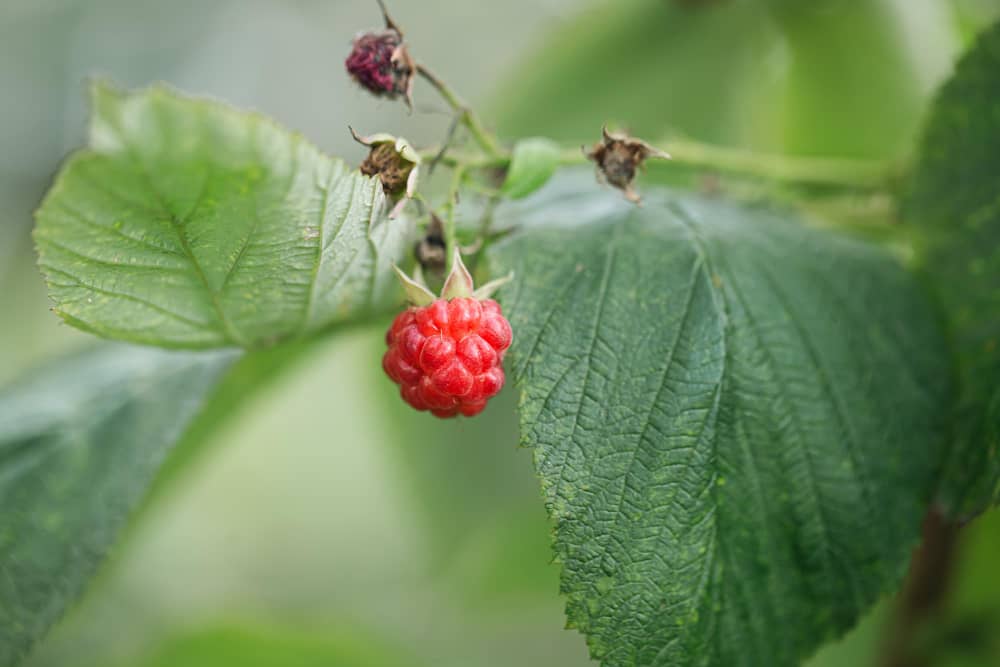
By Raspberry leaf tea is a caffeine-free herbal drink made from the dried leaves of the red raspberry plant, Rubus idaeus. While most people know the plant for its sweet, juicy berries, the leaves have also been used for centuries in traditional herbal practices, especially for menstrual discomfort, digestive concerns, and women’s health.
Today, raspberry leaf tea is perhaps best known for its connection to pregnancy and childbirth. Some people begin drinking it during the later stages of pregnancy in the belief that it may help prepare the uterus for labor. However, research on this use is still limited. Raspberry leaf tea has not been proven to induce labor, prevent pregnancy complications, or guarantee a shorter or easier delivery.
Beyond pregnancy, raspberry leaf has a history of use for mild menstrual cramps, occasional diarrhea, and minor irritation of the mouth or throat. These uses are recognized in European herbal medicine largely because of the plant’s long history of use rather than strong modern clinical evidence.
Raspberry leaves also contain naturally occurring compounds such as tannins and flavonoids. These plant compounds have astringent and antioxidant properties and may help explain some of the herb’s traditional uses.
In this guide, we’ll look at the potential raspberry leaf tea benefits, what research says about its use for menstruation and pregnancy, how to prepare raspberry leaf tea, possible side effects, and the important safety precautions to know before adding it to your routine.
What Is Raspberry Leaf?
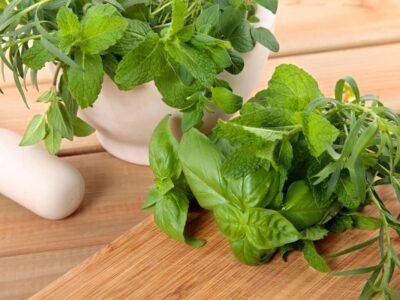
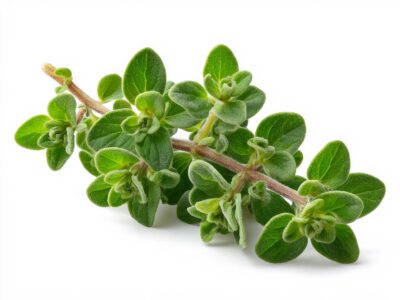
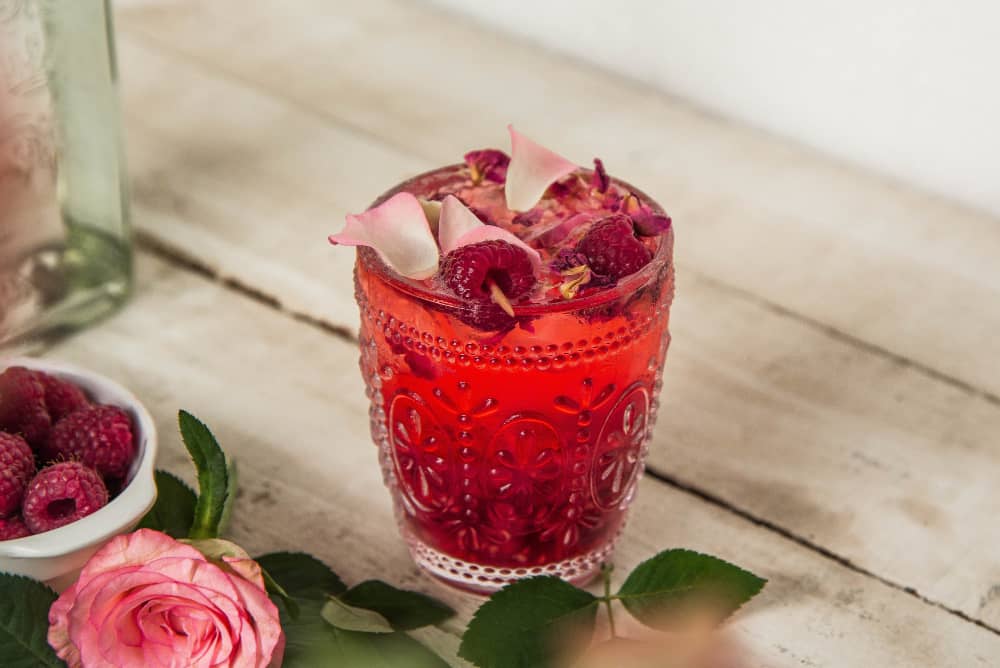
Raspberry leaf comes from the red raspberry plant, Rubus idaeus, a perennial shrub in the rose family. Although the plant is best known for its red berries, its leaves have also been used in traditional herbal preparations for centuries.
True raspberry leaf tea is made from the plant’s dried leaves, not the fruit. Because of this, it does not taste strongly like raspberries. Instead, it has a mild, earthy, slightly tannic flavor that is sometimes compared to a light black tea.
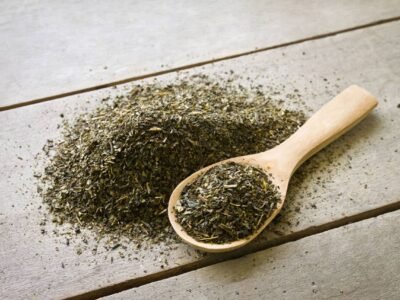
The dried leaves are most commonly brewed as loose-leaf tea or sold in tea bags. Raspberry leaf is also available in capsules, tablets, powders, tinctures, and liquid extracts.
Raspberry leaf is especially well known for its traditional use in women’s health, including menstrual discomfort and pregnancy support. However, many of these uses are supported more by historical practice than by strong modern clinical research.
The leaves naturally contain plant compounds such as tannins and flavonoids. Tannins contribute to raspberry leaf’s astringent qualities, while flavonoids provide antioxidant activity. These compounds may help explain some traditional uses, but they do not prove that raspberry leaf can induce labor, prevent miscarriage, or treat medical conditions.
Raspberry Leaf vs. Raspberry Fruit
Raspberry leaf and raspberry fruit come from the same plant, Rubus idaeus, but they are used very differently.
Fresh raspberries are eaten as food and provide fiber, vitamin C, and naturally occurring plant pigments. Raspberry leaf is usually prepared as a tea or supplement and contains a different mix of tannins, flavonoids, and other plant compounds.
Because of this, raspberry leaf tea does not provide the same nutrition or flavor as fresh raspberries.
Is Raspberry Leaf the Same as Raspberry Tea?
Not always.
True raspberry leaf tea is made from the dried leaves of Rubus idaeus. Products sold as raspberry tea may instead contain dried fruit, hibiscus, rose hips, apple, flavorings, or even black or green tea.
If you specifically want raspberry leaf, check the ingredient list rather than relying on the product name alone.
What Is Raspberry Leaf Traditionally Used For?
Raspberry leaf has a long history in European herbal medicine. Traditional uses include mild menstrual discomfort, mild diarrhea, and minor irritation of the mouth or throat.
It is also widely associated with pregnancy and childbirth, although evidence for labor-related benefits remains limited.
Beneficial Plant Compounds in Raspberry Leaf
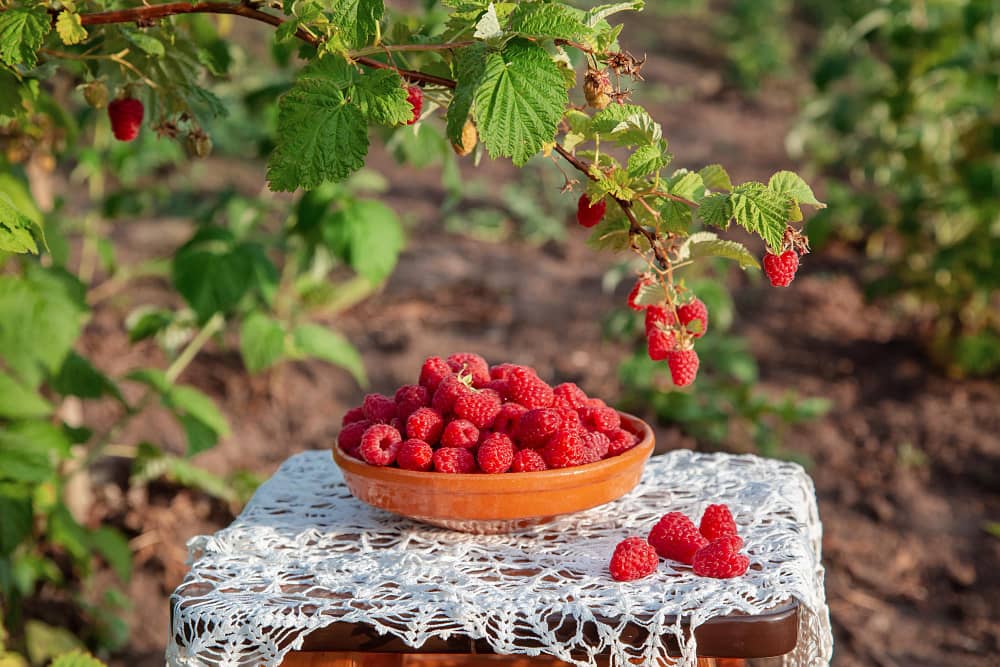
Raspberry leaves contain a range of naturally occurring plant compounds, especially polyphenols. However, raspberry leaf tea should not be viewed as a concentrated source of vitamins or minerals, since the amount that ends up in a brewed cup can vary depending on growing conditions, harvest time, drying, and steeping method.
Among the main compounds identified in raspberry leaves are tannins, flavonoids, phenolic acids, and ellagic acid-related compounds. Research has identified tannins, flavonoids, and ellagic acid in raspberry leaves.
Tannins
Tannins are plant compounds that give raspberry leaf tea its slightly dry, astringent taste.
Their astringent effect may help explain why raspberry leaf has traditionally been used for mild diarrhea and minor irritation of the mouth or throat. However, these uses are based largely on traditional herbal practice rather than strong clinical research.
Flavonoids
Raspberry leaves contain flavonoids, including quercetin- and kaempferol-related compounds. These substances show antioxidant activity in laboratory research.
However, laboratory antioxidant activity does not prove that raspberry leaf tea prevents disease or produces major health effects in people.
Raspberry leaves also contain ellagic acid and related polyphenols, but their clinical significance in brewed raspberry leaf tea has not been established.
What About Fragarine?
Raspberry leaf is sometimes described as containing fragarine, a compound associated in herbal literature with uterine activity. However, this claim is not well established in modern clinical research, and there is not enough evidence to show that fragarine in raspberry leaf tea improves labor outcomes.
Is Raspberry Leaf Tea Nutritious?
Raspberry leaf tea contains plant compounds, but it should not be treated as a significant source of vitamins, minerals, or pregnancy nutrients.
It is best viewed as an herbal infusion rather than a nutritional supplement.
A Brief History of Raspberry Leaf
Raspberry leaf has a long history in European herbal medicine, where the leaves of Rubus idaeus were prepared as teas and infusions for a variety of traditional uses.
Written references to medicinal raspberry preparations appear in European herbal literature dating back several centuries. Early herbals helped document how plants such as raspberry were used in household and folk medicine long before modern clinical research existed.
During the 17th century, English herbalists such as Nicholas Culpeper helped popularize plant-based remedies through widely read herbal texts. Culpeper published The English Physitian in 1652, one of the best-known English herbals of the period.
Over time, raspberry leaf became particularly associated with women’s health. Herbalists and midwives traditionally used it for menstrual discomfort and during pregnancy, especially in the later stages before childbirth.
Modern researchers have since investigated some of these traditional uses. A small clinical trial published in 2001 studied raspberry leaf tablets during late pregnancy. The researchers did not find that raspberry leaf shortened the first stage of labor, although they reported a modest shortening of the second stage and fewer forceps-assisted births in the treatment group.
The findings were interesting, but the study was small and its results were not strong enough to establish raspberry leaf as a proven labor aid.
Its historical use is extensive, but modern evidence is still limited, making it important to separate traditional herbal practice from benefits that have been scientifically confirmed.
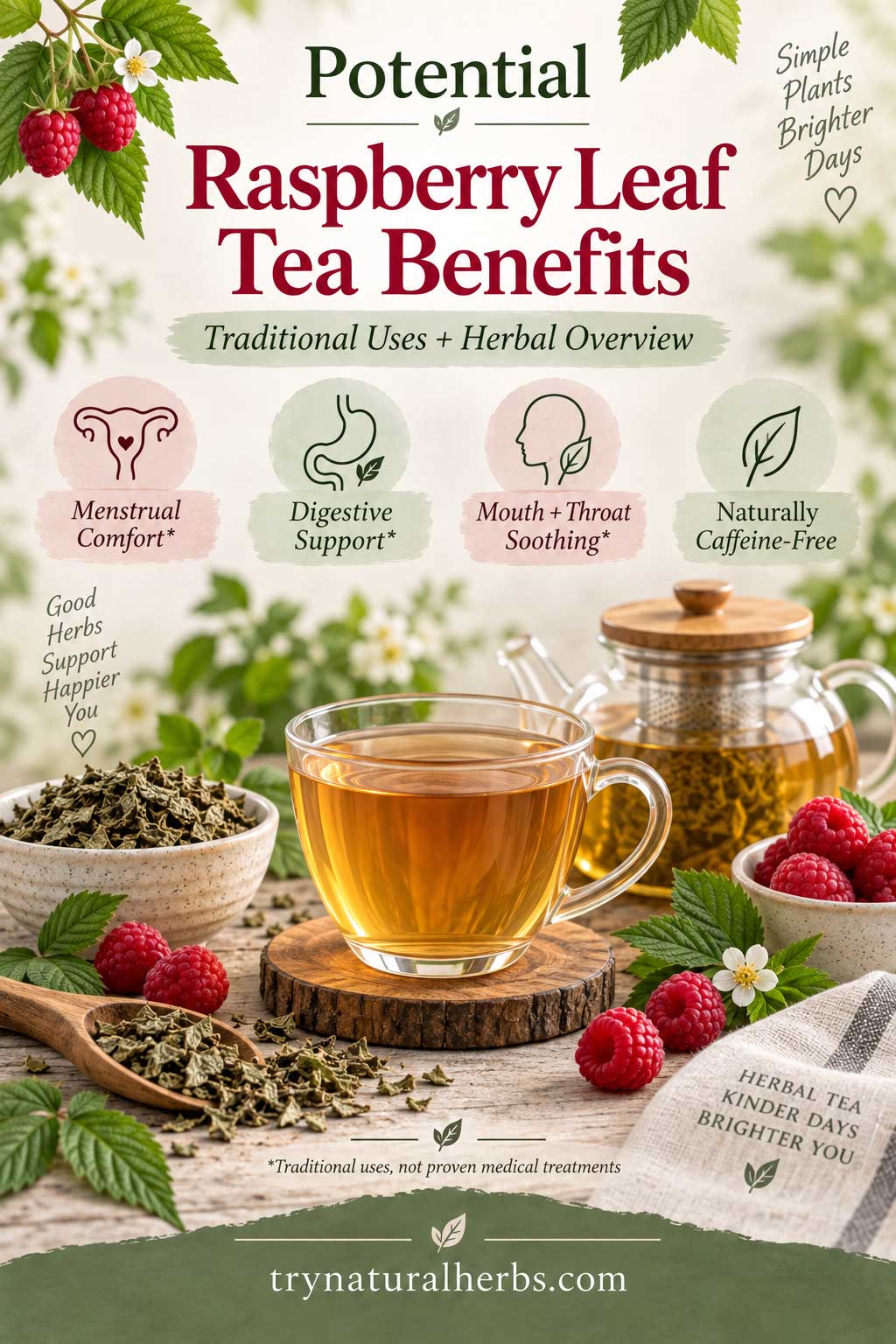
Potential Raspberry Leaf Tea Benefits
Raspberry leaf tea has been used traditionally for menstrual discomfort, digestive complaints, and minor mouth or throat irritation. It is also widely associated with pregnancy and childbirth, although the evidence for many of these uses is limited.
Some of these uses are recognized in traditional herbal medicine, while others have only limited scientific support.
1. Traditionally Used for Mild Menstrual Cramps
Raspberry leaf has a long history of use for mild menstrual discomfort. The European Medicines Agency recognizes raspberry leaf for the traditional relief of mild menstrual spasms, although strong clinical trials specifically evaluating raspberry leaf for period pain are lacking.
2. Traditionally Used for Mild, Occasional Diarrhea
Raspberry leaf has also been traditionally used for mild, short-term diarrhea. This use is recognized by the European Medicines Agency and is generally associated with the tannin content of the leaves.
Persistent or severe diarrhea should be evaluated rather than managed with herbal tea alone.
3. Traditionally Used for Minor Mouth and Throat Irritation
Cooled raspberry leaf tea has traditionally been used as a mouth rinse or gargle for minor irritation of the mouth or throat.
Its tannins may create a temporary tightening and soothing effect on irritated tissues. This is another traditional use recognized in European herbal medicine.
4. Contains Antioxidant Plant Compounds
Raspberry leaves contain flavonoids, phenolic acids, tannins, and ellagic acid-related compounds.
These substances demonstrate antioxidant activity in laboratory research, meaning they can help neutralize unstable molecules known as free radicals under experimental conditions.
However, laboratory antioxidant activity does not prove that raspberry leaf tea prevents disease, slows aging, or provides major health benefits in humans.
5. Offers a Naturally Caffeine-Free Drink
Pure raspberry leaf tea is naturally caffeine-free, making it an alternative to coffee, black tea, and green tea for people trying to reduce caffeine intake.
It can be enjoyed hot or cold and may be especially appealing in the evening.
Always check blended products, since some teas sold as “raspberry tea” may contain black or green tea and therefore contain caffeine.
Many other claims surrounding raspberry leaf—including fertility, hormone balance, miscarriage prevention, milk production, and easier labor—have not been established by strong clinical research.
Raspberry Leaf Tea for Menstrual Cramps
Raspberry leaf tea has traditionally been used for mild menstrual cramps, also known as dysmenorrhea. This use is recognized in European herbal medicine, although it is supported mainly by long-standing traditional use rather than large clinical trials.
How Might Raspberry Leaf Help Period Pain?
Raspberry leaf has long been used for menstrual discomfort, but its exact effect on uterine muscle is not well understood.
Laboratory research suggests that raspberry leaf extracts can influence smooth-muscle activity, although results have been inconsistent and strong human evidence is lacking.
What Does the Research Say?
High-quality human studies specifically testing raspberry leaf tea for menstrual cramps are lacking.
For that reason, raspberry leaf is best described as a traditional option for mild menstrual discomfort rather than a proven treatment for painful periods.
Some people may simply find the warm, caffeine-free tea soothing during menstruation.
How to Use Raspberry Leaf Tea for Periods
Raspberry leaf is usually prepared as a standard herbal infusion. There is no clinically established dosage specifically for menstrual cramps, so follow the directions on the product you are using.
When Menstrual Pain Needs Medical Attention
Mild cramps are common, but severe, worsening, unusually heavy, or persistent menstrual symptoms should be evaluated by a healthcare professional, especially when pain interferes with daily life or occurs outside the usual menstrual pattern.
Conditions such as endometriosis, adenomyosis, fibroids, ovarian cysts, or pelvic inflammatory disease can sometimes cause significant menstrual pain.
Raspberry leaf tea may be a traditional option for mild discomfort, but persistent or severe symptoms deserve proper evaluation.
Raspberry Leaf Tea During Pregnancy
Raspberry leaf tea is especially well known for its traditional use during late pregnancy. It is often described as a tea used to prepare for childbirth, but modern research has not established that it reliably induces labor or improves birth outcomes.
Most studies have been small and have used different preparations and doses, making it difficult to determine a standard starting point or pregnancy dosage.
Is Raspberry Leaf Tea Safe During Pregnancy?
There is not enough high-quality evidence to confirm that raspberry leaf tea is safe for every pregnancy.
Anyone considering regular use during pregnancy should discuss it with an obstetrician or midwife, especially before using concentrated capsules, tablets, tinctures, or extracts.
Can Raspberry Leaf Tea Shorten Labor?
A small randomized clinical trial published in 2001 examined raspberry leaf tablets during late pregnancy.
The study did not find a significant reduction in the first stage of labor. It reported a modestly shorter second stage and fewer forceps-assisted births, but the study was too small to establish a clear clinical benefit.
A 2021 systematic review of raspberry leaf use during pregnancy concluded that the overall evidence for safety and effectiveness remains limited.
Does Raspberry Leaf Tea Induce Labor?
Raspberry leaf tea is not a proven method of inducing labor. Research has not established that it reliably starts labor, dilates the cervix, or replaces medically supervised induction.
Concentrated herbal products should not be used to try to trigger labor without professional guidance.
When Is Raspberry Leaf Tea Usually Used During Pregnancy?
Raspberry leaf is commonly associated with the third trimester, and some studies have introduced it around 32 weeks.
However, this timing should not be interpreted as a universal recommendation. There is no medically established starting week that is appropriate for every pregnancy.
Who Should Be Especially Cautious?
Professional guidance is particularly important in high-risk pregnancies, including situations involving a history of preterm labor, vaginal bleeding, placental complications, multiple pregnancy, previous uterine surgery, or other pregnancy concerns.
Anyone experiencing vaginal bleeding, leaking fluid, painful or regular contractions, severe abdominal pain, or reduced fetal movement should contact their maternity care team rather than relying on herbal products.
Raspberry Leaf Tea and Breastfeeding
Raspberry leaf is sometimes included in teas marketed for breastfeeding, but there is no reliable evidence that it increases breast-milk production.
Research on regular or concentrated raspberry leaf use during breastfeeding is limited. Anyone concerned about milk supply should focus first on factors such as feeding frequency, latch, milk transfer, pumping technique, and professional lactation support.
Breastfeeding individuals should discuss concentrated raspberry leaf supplements or multi-herb lactation blends with a qualified healthcare professional before regular use.
What Does Raspberry Leaf Tea Taste Like?
Raspberry leaf tea does not taste much like fresh raspberries. It has a mild, earthy, slightly grassy flavor with a gentle astringency that some people compare to light black tea.
If you prefer a softer flavor, try adding lemon, mint, ginger, cinnamon, honey, or fresh berries. Stronger or longer steeping generally produces a more bitter, tannic cup.
Raspberry leaf tea can be enjoyed hot or chilled.
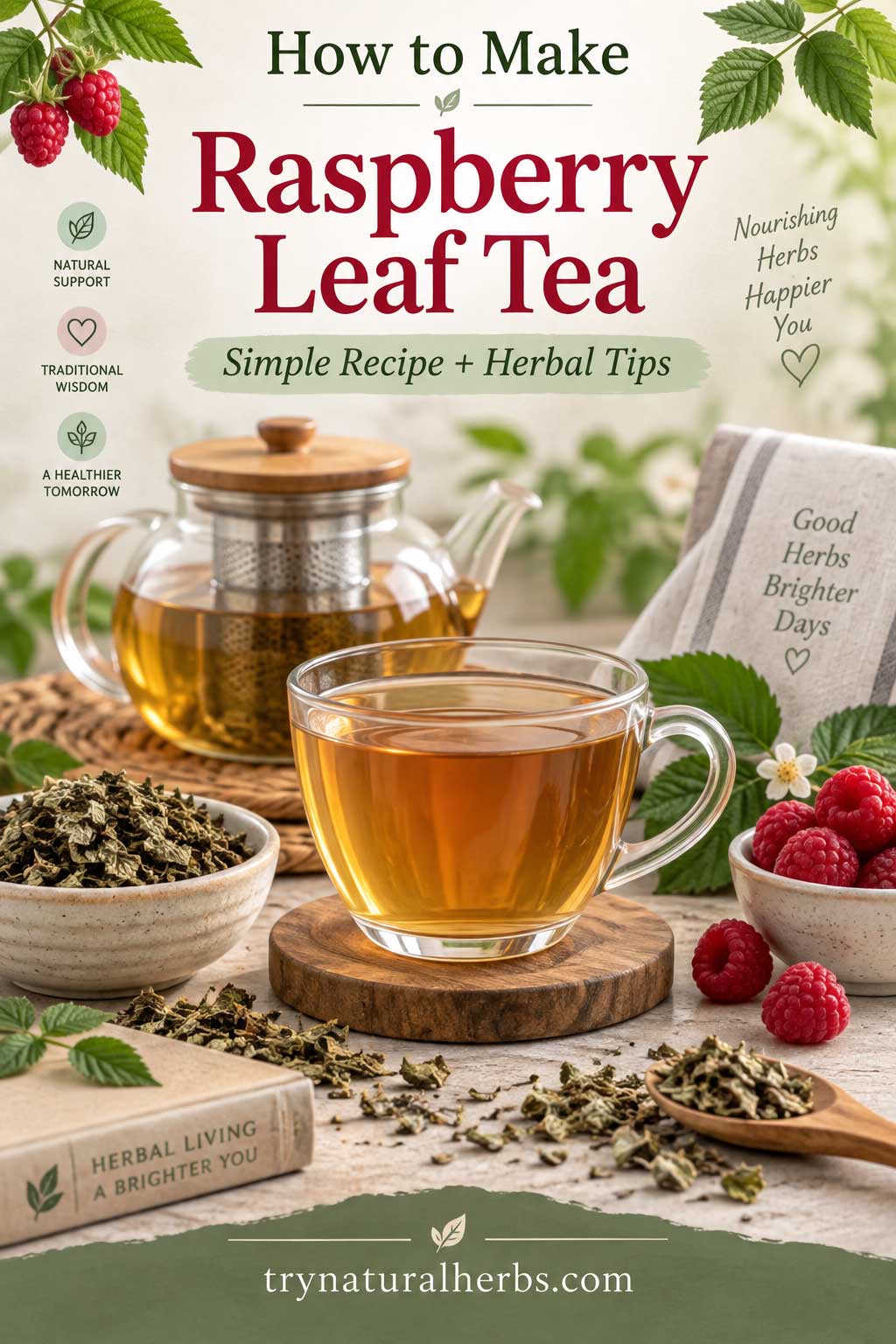
How to Make Raspberry Leaf Tea
Raspberry leaf tea is simple to prepare with either loose dried leaves or tea bags. The strength can be adjusted depending on personal preference, but stronger is not necessarily better.
Basic Raspberry Leaf Tea Recipe
Ingredients:
- 1–2 teaspoons dried raspberry leaf
- 8 ounces hot water
- Optional: honey, lemon, mint, ginger, or cinnamon
Instructions:
- Place the dried raspberry leaf in a tea infuser, teapot, or heat-safe cup.
- Pour hot water over the leaves.
- Cover and steep for about 5–10 minutes.
- Strain the tea.
- Drink it warm, or allow it to cool for iced tea.
A longer steep creates a stronger and more astringent flavor, so start with a shorter steep if you are new to raspberry leaf tea.
Tea bags can be prepared according to the package instructions, and brewed raspberry leaf tea can also be chilled and served over ice. Store dried raspberry leaf in a sealed container away from heat, light, and moisture.
Raspberry Leaf Dosage and Forms
There is no single clinically established raspberry leaf dosage for every purpose.
Raspberry leaf is available as tea, capsules, tablets, powders, tinctures, and liquid extracts. These preparations can vary considerably in concentration and should not be assumed to provide equivalent amounts of raspberry leaf compounds.
For tea and supplements, follow the directions on the specific product. Pregnant or breastfeeding individuals should discuss regular or concentrated raspberry leaf use with a qualified healthcare professional.
Raspberry Leaf Side Effects and Safety
Available reports suggest that raspberry leaf is generally well tolerated as an herbal tea, although safety data remain limited.
Some people may experience digestive discomfort or an allergic reaction.
Pregnancy is the main area of concern because raspberry leaf has historically been used in connection with uterine activity, while modern research has not established a clearly safe or effective dose.
People who are pregnant, breastfeeding, taking regular medication, or managing a medical condition should discuss regular or concentrated raspberry leaf use with a qualified healthcare professional.
Stop using the product if you develop an unexpected reaction or symptoms that clearly begin after taking it.
Raspberry Leaf and Medications
Raspberry leaf has not been thoroughly studied for interactions with medications or supplements.
Because interaction data are limited, people who take prescription medication regularly should ask a physician or pharmacist before using raspberry leaf in concentrated or frequent amounts.
Pregnant individuals should also be cautious with multi-herb products marketed for labor or pregnancy, since the safety of each added ingredient needs to be considered separately.
How to Choose a Quality Raspberry Leaf Product
Look for a product that clearly identifies red raspberry leaf (Rubus idaeus) and specifies that the leaf is the part being used.
For a simple tea, raspberry leaf should ideally be the only ingredient unless you intentionally want a blend. Check all additional herbs carefully, especially during pregnancy.
When available, independent quality testing can provide additional information about plant identity, purity, and possible contamination.
Avoid products that promise guaranteed labor induction, miscarriage prevention, fertility treatment, hormone balancing, or other medical outcomes that are not supported by reliable evidence.
Frequently Asked Questions About Raspberry Leaf Tea
What is raspberry leaf tea good for?
Raspberry leaf tea has traditionally been used for mild menstrual discomfort, occasional diarrhea, and minor mouth or throat irritation. It is also widely associated with pregnancy, although evidence for labor-related benefits remains limited.
Does raspberry leaf tea contain caffeine?
Pure raspberry leaf tea is naturally caffeine-free. However, some blended products may contain black tea, green tea, or other caffeinated ingredients, so check the label.
Does raspberry leaf tea taste like raspberries?
Usually not. Pure raspberry leaf tea has a mild, earthy, slightly grassy flavor with a light astringency. Strong raspberry flavor generally comes from added fruit or flavorings.
Can raspberry leaf tea help menstrual cramps?
Raspberry leaf has a long history of traditional use for mild menstrual discomfort, but strong clinical trials are lacking. It should not be considered a proven treatment for severe period pain.
Can raspberry leaf tea induce labor?
There is not enough reliable evidence to show that raspberry leaf tea safely or consistently induces labor. It should not be used as a substitute for medically supervised induction.
When do people usually start drinking raspberry leaf tea during pregnancy?
Raspberry leaf is often used during the third trimester, and some studies have introduced it around 32 weeks. However, there is no medically established starting week that is appropriate for everyone.
Pregnant individuals should discuss raspberry leaf with their obstetrician or midwife before using it regularly.
Does raspberry leaf tea increase milk supply?
There is no reliable evidence that raspberry leaf increases breast-milk production. It may appear in lactation blends, but that does not mean it has been proven to work as a galactagogue.
What are the main side effects of raspberry leaf tea?
Research on side effects is limited. Some people may experience digestive discomfort or an allergic reaction.
Extra caution is appropriate during pregnancy, breastfeeding, regular medication use, or with concentrated supplements.
Final Thoughts on Raspberry Leaf Tea
Raspberry leaf tea has a long history in traditional herbal medicine, particularly for menstrual discomfort and during pregnancy. It also contains tannins, flavonoids, and other plant compounds that may help explain some of its traditional properties.
However, research remains limited for many popular claims, especially those involving labor, fertility, hormone balance, and breastfeeding.
For people who choose to try raspberry leaf, a simple single-ingredient tea makes it easier to know exactly what the product contains. Pregnancy, breastfeeding, concentrated supplements, and regular medication use deserve additional caution and professional guidance.
Raspberry leaf is best viewed as a traditional herbal tea rather than a proven treatment for reproductive or medical conditions.
References
- European Medicines Agency. Rubi idaei folium (Raspberry Leaf).
Supports the traditional uses for mild menstrual spasms, mild diarrhea, and minor mouth/throat inflammation.
European Medicines Agency — Raspberry Leaf - Bowman R, Taylor J, Muggleton S, Davis D. Biophysical effects, safety and efficacy of raspberry leaf use in pregnancy: a systematic integrative review. BMC Complementary Medicine and Therapies. 2021;21:56.
Best overall source for the pregnancy section and the conclusion that evidence for safety and effectiveness remains limited.
PubMed — Raspberry Leaf Pregnancy Review - Simpson M, Parsons M, Greenwood J, Wade K. Raspberry leaf in pregnancy: its safety and efficacy in labor. Journal of Midwifery & Women’s Health. 2001;46(2):51–59.
Supports the discussion of the 32-week clinical trial and labor outcomes.
PubMed — Raspberry Leaf Clinical Trial - Gudej J, Tomczyk M. Determination of flavonoids, tannins and ellagic acid in leaves from Rubus L. species. Archives of Pharmacal Research. 2004;27(11):1114–1119.
Supports the tannins, flavonoids, quercetin, kaempferol, and ellagic acid discussion.
PubMed — Raspberry Leaf Plant Compounds - Ponder A, Hallmann E. Phenolics and Carotenoid Contents in the Leaves of Different Organic and Conventional Raspberry Cultivars and Their In Vitro Activity. Antioxidants. 2019;8(10):458.
Useful secondary chemistry source for raspberry leaf polyphenols and antioxidant activity.
PubMed — Raspberry Leaf Phenolics