 By
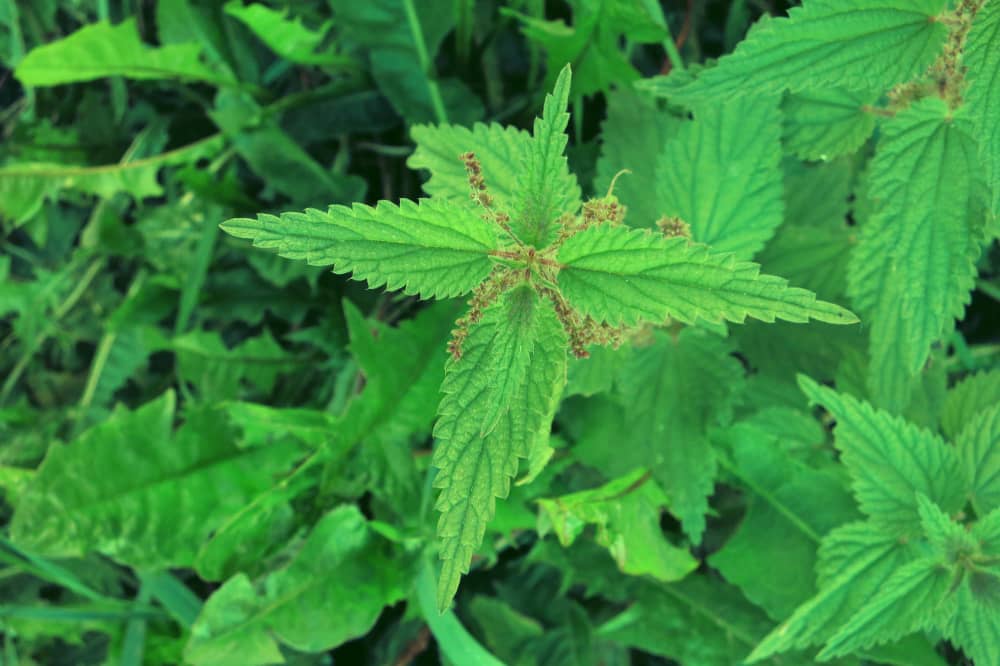
By Nettle (Urtica dioica), commonly known as stinging nettle, is a nutrient-rich herb that has been used in traditional herbal practices for centuries. Although the plant is best known for the tiny hairs on its leaves and stems that can cause a temporary stinging sensation, it has long been valued for its nutritional content and potential wellness-supporting properties.
Rich in vitamins, minerals, antioxidants, and beneficial plant compounds, nettle has become a popular ingredient in herbal teas, supplements, extracts, and natural wellness products. It contains nutrients such as vitamin A, vitamin C, vitamin K, iron, calcium, magnesium, and potassium, making it one of the most nutrient-dense herbs used in traditional herbalism.
Related reading: Learn more about the many Nettle Tea Benefits and why it remains one of the most popular herbal beverages.
Throughout history, nettle has been used for a wide range of traditional purposes, including supporting seasonal wellness, promoting healthy digestion, and contributing to overall well-being. Modern research continues to explore the plant’s antioxidant and anti-inflammatory properties, which may help explain many of its longstanding traditional uses.
In this guide, we’ll explore the potential health benefits of nettle, its nutritional profile, traditional uses, possible side effects, and the many ways this versatile herb can be incorporated into a healthy lifestyle.
What Is Nettle?
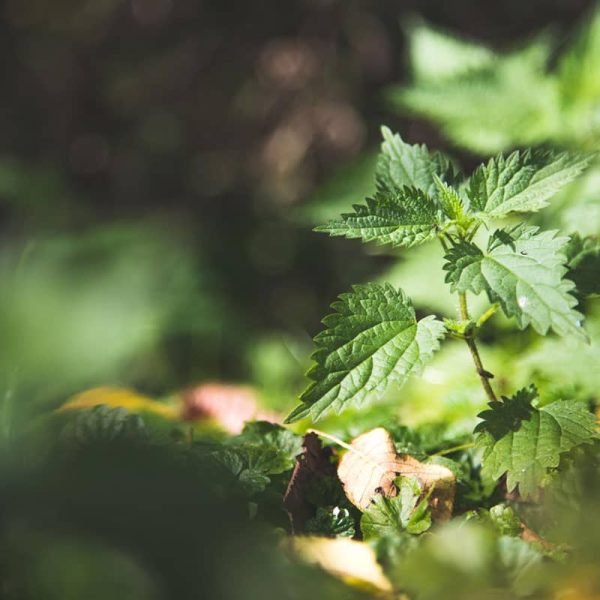
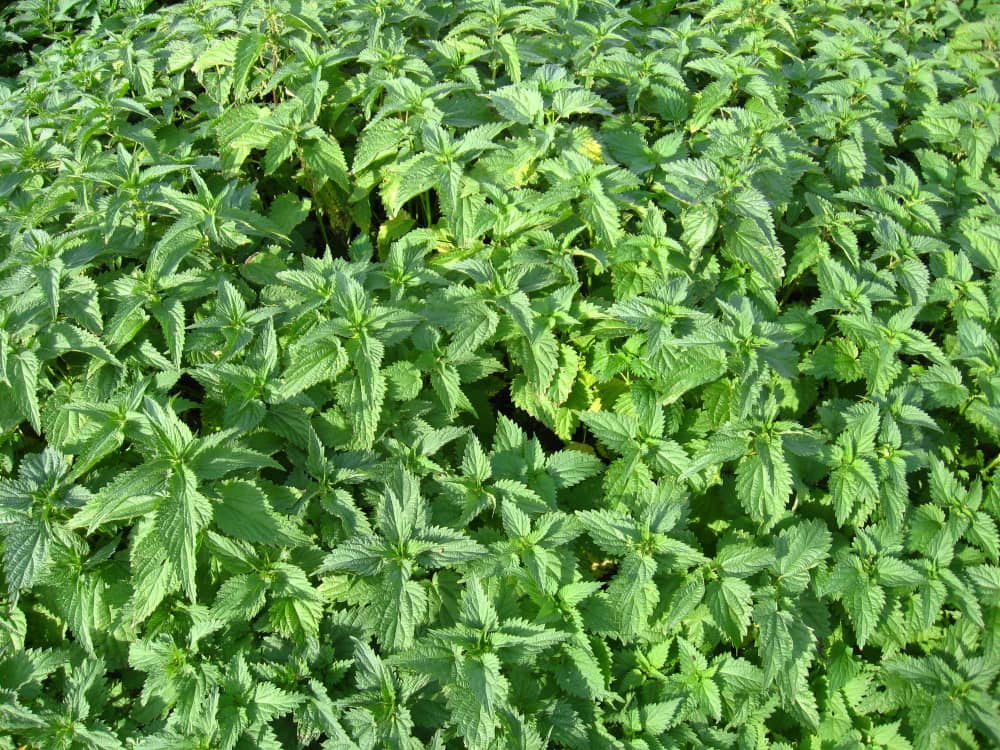
Nettle (Urtica dioica), often called stinging nettle or common nettle, is a hardy perennial herb that grows naturally throughout Europe, Asia, North America, and parts of North Africa and belongs to the family Urticaceae. It is easily recognized by its serrated green leaves and tiny hair-like structures that can cause a temporary stinging sensation when touched.
Despite its reputation as a troublesome weed, nettle has been valued for centuries as both a food source and a traditional herbal remedy. Historical records show that ancient civilizations used nettle for a variety of purposes, including herbal preparations, textiles, and cooking. Young nettle leaves were often harvested in spring and used in soups, teas, and other nutritious dishes.
One reason nettle has remained popular throughout history is its impressive nutritional profile. The leaves contain a wide range of vitamins, minerals, antioxidants, and beneficial plant compounds that contribute to its reputation as one of the most nutrient-dense herbs used in traditional herbal practices.
Today, nettle is commonly available in several forms, including dried leaves, herbal teas, capsules, extracts, tinctures, and powders. Many people use nettle as part of a wellness routine, while others enjoy it as a nutritious culinary ingredient.
One of the most common ways to enjoy this herb is as a beverage. Explore our complete guide to Nettle Tea Benefits to learn more.
Whether consumed as a tea, supplement, or food, nettle continues to be one of the most widely recognized and studied herbs in the world of natural wellness.
Nutritional Profile Of Nettle
Nettle has earned a reputation as one of the most nutrient-dense herbs used in traditional herbal practices. Its leaves contain a wide variety of vitamins, minerals, antioxidants, and plant compounds that contribute to its popularity as both a food source and a natural wellness supplement.
One of nettle’s most notable features is its impressive vitamin content. The plant provides vitamins A, C, and K, which support important functions throughout the body. Vitamin A contributes to healthy vision and immune function, vitamin C helps protect cells from oxidative stress and supports collagen production, and vitamin K plays a role in maintaining healthy bones and normal blood clotting.
Nettle is also rich in essential minerals. It contains calcium, magnesium, potassium, and iron, all of which are important for overall health. These minerals help support bone strength, muscle function, fluid balance, and the production of healthy red blood cells.
In addition to vitamins and minerals, nettle contains naturally occurring plant compounds such as flavonoids, polyphenols, carotenoids, and chlorophyll. These compounds act as antioxidants that help protect the body’s cells from damage caused by free radicals and everyday environmental stressors.
Some of the key nutrients and beneficial compounds found in nettle include:
- Vitamin A
- Vitamin C
- Vitamin K
- Calcium
- Iron
- Magnesium
- Potassium
- Flavonoids
- Polyphenols
- Carotenoids
- Chlorophyll
Thanks to this rich nutritional profile, nettle has been valued for generations as both a nutritious food and a versatile herbal ingredient. Whether consumed as a tea, supplement, or cooked green, nettle can be a beneficial addition to a balanced and healthy lifestyle.
Potential Health Benefits Of Nettle
Nettle has been used for centuries in traditional herbal practices and continues to be one of the most widely recognized medicinal herbs today. Its rich nutritional profile and abundance of beneficial plant compounds have contributed to its longstanding popularity. While research is ongoing, studies suggest that nettle may offer several potential health benefits when consumed as part of a balanced diet and healthy lifestyle.
Rich In Vitamins And Minerals
One of nettle’s greatest strengths is its impressive nutrient content. The plant contains vitamins A, C, and K, along with important minerals such as calcium, magnesium, potassium, and iron. These nutrients play essential roles in supporting bone health, immune function, energy production, and overall wellness. Because of its nutritional value, nettle has traditionally been used as both a food source and an herbal supplement.
Contains Powerful Antioxidants
Nettle contains a variety of antioxidants, including flavonoids, polyphenols, carotenoids, and vitamin C. These compounds help protect cells from oxidative stress caused by free radicals. Antioxidants are important because they support the body’s natural defense systems and contribute to long-term health and wellness.
May Support A Healthy Inflammatory Response
Nettle contains naturally occurring compounds that have been studied for their potential role in supporting normal inflammatory processes. For this reason, it has long been used in traditional herbal practices aimed at promoting joint comfort and overall well-being. Although research continues, nettle remains a popular herb among those interested in maintaining an active and healthy lifestyle.
May Support Seasonal Wellness
One of nettle’s most well-known traditional uses is supporting seasonal wellness. Some research suggests that compounds found in nettle may help support the body’s normal response to environmental allergens. As a result, nettle tea, capsules, and extracts are commonly used during certain times of the year by individuals looking to support their overall comfort and wellness.
May Support Urinary Health
Nettle has traditionally been used to support normal urinary function and healthy fluid balance. Its mild diuretic properties may help promote normal urine production and contribute to hydration when consumed appropriately. Because of this traditional use, nettle continues to be included in many herbal wellness formulas.
May Support Overall Wellness
Beyond its individual benefits, nettle is often valued as a general wellness herb. Its combination of nutrients, antioxidants, and beneficial plant compounds makes it a versatile addition to many health-conscious lifestyles. Whether consumed as a tea, supplement, or food, nettle remains one of the most widely used herbs in traditional and modern herbal practices.
Some researchers have also explored the relationship between nettle and immune health. Learn more in How Nettle Can Help Boost Your Immune System.
Traditional Uses Of Nettle
Nettle has a long history of use in traditional herbal practices dating back thousands of years. Ancient cultures throughout Europe and Asia valued the plant not only as a source of nutrition but also as a versatile herb used in a variety of wellness traditions. Over time, nettle became one of the most widely recognized herbs in traditional herbal medicine and remains popular today.
Historically, nettle leaves were often prepared as herbal teas, soups, and tonics. Traditional practitioners used nettle to support seasonal wellness, promote healthy digestion, and contribute to overall vitality. In many regions, young nettle leaves were considered a valuable spring food because of their rich nutritional content.
Nettle was also traditionally used to support healthy fluid balance and urinary wellness. Its mild diuretic properties made it a common ingredient in herbal preparations designed to promote the body’s natural elimination processes.
Beyond its wellness applications, nettle served many practical purposes throughout history. The plant’s strong fibers were used to make textiles, rope, fishing nets, and clothing long before modern synthetic materials became available. During periods of resource shortages, nettle fiber was even used as an alternative to cotton and flax.
Today, nettle continues to be a popular herb in teas, supplements, tinctures, and wellness products. Nettle is one of many plants featured in our guide to Herbal Medicine Basics, which explores the history and traditional uses of medicinal herbs. While modern research continues to investigate its potential benefits, many people still appreciate nettle for the traditional uses that have helped make it one of the most respected herbs in natural wellness.
If you’re interested in learning more about how herbs have been used throughout history, explore our guide to Herbal Medicine Basics.
Nettle Tea Benefits
One of the most popular ways to enjoy nettle is as an herbal tea. Made from the dried leaves of the stinging nettle plant, nettle tea has been consumed for centuries and remains a favorite among herbal tea enthusiasts today.
Nettle tea offers many of the same beneficial compounds found in the plant itself, including vitamins, minerals, antioxidants, and naturally occurring plant nutrients. Because it is naturally caffeine-free, it can be enjoyed throughout the day as a soothing and refreshing beverage.
Many people drink nettle tea to support hydration, seasonal wellness, digestive health, and overall well-being. Its earthy flavor and nutritional value have made it one of the most widely consumed herbal teas in traditional wellness practices.
Some of the most commonly discussed potential benefits of nettle tea include:
- Supporting healthy hydration
- Providing antioxidants that help protect cells from oxidative stress
- Supporting a healthy inflammatory response
- Contributing beneficial vitamins and minerals to the diet
- Supporting digestive wellness
- Serving as a caffeine-free alternative to traditional tea and coffee
While nettle tea can be a beneficial addition to a healthy lifestyle, it should not be viewed as a cure or treatment for any medical condition. Instead, it is best enjoyed as part of a balanced diet and overall wellness routine.
If you’d like to learn more about preparing and using this herbal beverage, read our complete guide to Nettle Tea Benefits.
How To Use Nettle
Nettle is a versatile herb that can be enjoyed in several different forms. Whether you prefer herbal teas, supplements, culinary uses, or concentrated extracts, there are many ways to incorporate nettle into your wellness routine. The best option often depends on your personal preferences and health goals.
Nettle Tea
Nettle tea is one of the most common and traditional ways to consume nettle. Made from dried nettle leaves, this caffeine-free herbal infusion provides a convenient way to enjoy the plant’s nutrients and beneficial compounds. Many people drink nettle tea daily as part of their overall wellness routine.
Nettle Capsules And Supplements
For those who prefer a more concentrated option, nettle is widely available in capsule and tablet form. These supplements typically contain dried nettle leaf or nettle root and can be a convenient choice for individuals who do not enjoy the taste of herbal tea.
Nettle Extracts And Tinctures
Liquid extracts and tinctures provide another popular method of using nettle. These concentrated preparations are often added to water or other beverages and are commonly used by individuals seeking a more potent herbal product.
Fresh Nettle Leaves
Young nettle leaves can be harvested and cooked much like other leafy greens. Once properly prepared, they can be added to soups, stews, omelets, pasta dishes, and other recipes. Cooking removes the stinging compounds, making the leaves safe to eat.
Dried Nettle Leaves
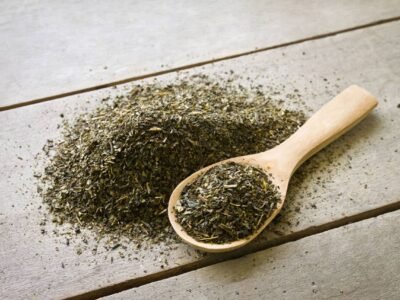
Dried nettle leaves are commonly used for making herbal tea, infusions, and homemade herbal blends. They can also be incorporated into recipes or used in DIY herbal preparations. Properly stored dried nettle can retain its quality for many months.
No matter which form you choose, it is important to purchase nettle products from reputable sources and follow recommended usage guidelines. As with any herbal product, individuals with medical conditions or those taking medications should consult a healthcare professional before regular use.
How To Harvest Nettle Safely
Harvesting nettle can be a rewarding way to obtain fresh leaves for teas, recipes, and other herbal preparations. However, because the plant is covered in tiny stinging hairs, it is important to handle it carefully and follow a few basic safety precautions.
The best time to harvest nettle is during the spring and early summer when the leaves are young and tender. Younger plants generally have a milder flavor and are preferred for culinary and herbal uses. As the plant matures, the leaves can become tougher and less desirable for consumption.
When harvesting nettle, always wear protective gloves and long sleeves to avoid direct contact with the plant’s stinging hairs. Use clean scissors or garden shears to cut the upper portions of the plant, where the youngest leaves are typically found.
Tips For Harvesting Nettle
- Wear gloves and protective clothing.
- Harvest young leaves whenever possible.
- Choose plants growing away from roadsides and polluted areas.
- Avoid harvesting from locations treated with pesticides or herbicides.
- Use clean gardening tools.
- Collect only healthy, vibrant-looking leaves.
After harvesting, rinse the leaves thoroughly to remove dirt, insects, and debris. The leaves can then be used fresh, cooked, frozen, or dried for future use.
For those who prefer convenience, high-quality dried nettle leaves and nettle products are widely available from reputable herbal suppliers. Whether you harvest your own nettle or purchase it prepared, proper handling helps ensure a safe and enjoyable experience with this versatile herb.
How To Prepare Nettle
Before nettle can be consumed, it must be prepared properly to neutralize the tiny stinging hairs found on the leaves and stems. While fresh nettle can cause temporary skin irritation when touched, cooking, drying, freezing, or steeping the leaves in hot water removes the sting and makes the plant safe to use.
One of the simplest ways to prepare nettle is by drying the leaves and using them to make herbal tea. Dried nettle leaves can be steeped in hot water to create a caffeine-free herbal infusion that is rich in nutrients and beneficial plant compounds.
If you’re interested in preserving your own herbs, see our guide on How To Dry Herbs For Tea At Home.
Fresh nettle can also be cooked and used in many recipes. Boiling, steaming, sautéing, or blanching the leaves removes the stinging compounds and softens their texture, making them similar to spinach or other leafy greens.
Preparing Fresh Nettle
- Wear gloves when handling freshly harvested nettle.
- Rinse the leaves thoroughly under cool running water.
- Remove any damaged leaves or debris.
- Blanch the leaves in boiling water for 2–3 minutes or cook them in your preferred recipe.
- Drain and use as desired.
Drying Nettle Leaves
If you would like to store nettle for future use, drying is one of the most popular methods.
- Tie small bundles of nettle stems together.
- Hang them upside down in a cool, dry, well-ventilated area.
- Allow them to dry completely for one to two weeks.
- Store the dried leaves in an airtight container away from heat and sunlight.
Properly prepared nettle can be used in teas, soups, pesto, smoothies, and many other recipes. Its mild, earthy flavor pairs well with a variety of ingredients and makes it one of the most versatile herbs used in both traditional cooking and herbal wellness practices.
Recipes Using Nettle
Nettle’s mild, earthy flavor and impressive nutritional profile make it a versatile ingredient in both traditional and modern recipes. Herbs like nettle are often included among the Natural Herbs That Can Help With Everyday Ailments because of their long history of traditional use. Once properly prepared, nettle can be used in teas, soups, sauces, smoothies, and many other dishes. Here are a few popular ways to enjoy this nutrient-rich herb.
Nettle Tea
Nettle tea is one of the easiest and most popular ways to use nettle.
Ingredients:
- 1–2 teaspoons dried nettle leaves
- 8 ounces hot water
- Honey or lemon (optional)
Instructions:
- Place the dried nettle leaves in a tea infuser or mug.
- Pour hot water over the leaves.
- Steep for 5–10 minutes.
- Strain and serve.
- Add honey or lemon if desired.
Nettle Soup
Nettle soup has been enjoyed for generations in many parts of Europe and is often compared to spinach soup.
Ingredients:
- 4 cups young nettle leaves
- 1 onion, chopped
- 2 cloves garlic, minced
- 4 cups vegetable broth
- 1 tablespoon olive oil
- Salt and pepper to taste
Instructions:
- Sauté the onion and garlic in olive oil until softened.
- Add the nettle leaves and cook for 2–3 minutes.
- Pour in the vegetable broth and bring to a simmer.
- Cook for 15–20 minutes.
- Blend until smooth and season to taste.
Nettle Pesto
Nettle pesto offers a unique twist on traditional basil pesto and pairs well with pasta, sandwiches, and roasted vegetables.
Ingredients:
- 2 cups blanched nettle leaves
- ¼ cup pine nuts or walnuts
- ¼ cup grated Parmesan cheese
- 2 cloves garlic
- ⅓ cup olive oil
- Salt and pepper to taste
Instructions:
- Add all ingredients to a food processor.
- Blend until smooth.
- Adjust seasoning as needed.
- Serve immediately or store in the refrigerator.
Nettle Smoothie
For a nutrient-rich beverage, nettle can be added to smoothies after being properly prepared.
Ingredients:
- 1 cup blanched nettle leaves
- 1 banana
- 1 cup pineapple chunks
- 1 cup almond milk
- 1 tablespoon honey (optional)
Instructions:
- Add all ingredients to a blender.
- Blend until smooth.
- Serve immediately and enjoy.
Whether used in tea, soups, pesto, or smoothies, nettle offers a simple way to add extra nutrients and variety to your meals while enjoying one of nature’s most versatile herbs.
Interesting Facts About Nettle
Despite often being viewed as a common weed, nettle has a fascinating history and has been used for food, textiles, herbal preparations, and natural dyes for centuries. Here are some interesting facts about this remarkable plant.
| Fact | Description |
|---|---|
| Ancient Herbal Use | Nettle has been used in traditional herbal practices for thousands of years across Europe and Asia. |
| Natural Fabric Source | The strong fibers found in nettle stems were historically used to make clothing, rope, and fishing nets. |
| Natural Dye Plant | Nettle has been used to produce natural green and yellow dyes for fabrics and textiles. |
| Highly Nutritious | Nettle leaves contain vitamins A, C, and K along with minerals such as calcium, magnesium, iron, and potassium. |
| Edible When Cooked | Although fresh nettle can sting the skin, cooking or drying the leaves removes the sting and makes them safe to eat. |
| Popular Herbal Tea | Nettle tea remains one of the most widely consumed herbal teas around the world. |
| Supports Pollinators | Nettle plants provide food and habitat for several butterfly and beneficial insect species. |
| Grows In Many Regions | Nettle is native to Europe, Asia, North America, and parts of North Africa and thrives in temperate climates. |
| Can Grow Over Six Feet Tall | Under favorable conditions, mature nettle plants can reach heights of more than six feet. |
| Used In Traditional Cuisine | Nettle has long been used in soups, stews, pesto, and other traditional recipes throughout Europe. |
These interesting facts highlight why nettle has remained one of the most valued and widely used herbs throughout history. From its nutritional value and culinary uses to its role in traditional wellness practices, nettle continues to be appreciated around the world.
Potential Side Effects Of Nettle
Nettle is generally considered safe for most healthy adults when consumed in moderation. However, as with many herbs and supplements, some individuals may experience side effects, particularly when using large amounts or taking concentrated forms of the plant.
One of the most commonly reported side effects is mild digestive discomfort. Some people may experience symptoms such as stomach upset, nausea, bloating, or diarrhea when first introducing nettle into their routine. These effects are typically mild and often improve as the body adjusts.
Fresh nettle plants can also cause temporary skin irritation due to the tiny stinging hairs found on the leaves and stems. Direct contact may result in itching, redness, or a burning sensation. Wearing gloves when handling fresh nettle can help prevent these reactions.
Because nettle has mild diuretic properties, it may increase urination in some individuals. While this effect is generally not harmful, excessive consumption could contribute to dehydration if adequate fluids are not consumed throughout the day.
Possible Side Effects Of Nettle
- Mild stomach upset
- Nausea
- Bloating
- Diarrhea
- Increased urination
- Skin irritation from fresh plants
- Allergic reactions in sensitive individuals
Although uncommon, allergic reactions to nettle can occur. Symptoms may include itching, rash, swelling, or difficulty breathing. Anyone experiencing signs of a serious allergic reaction should seek immediate medical attention.
Nettle may also interact with certain medications, including:
- Blood pressure medications
- Diabetes medications
- Blood-thinning medications
- Diuretics (water pills)
- Certain kidney-related medications
For this reason, individuals taking prescription medications should consult a healthcare professional before using nettle regularly as a tea, supplement, or herbal preparation.
Most people can enjoy nettle safely when used appropriately, but moderation and proper usage are always recommended.
Who Should Avoid Nettle?
While nettle is generally safe for many people, certain individuals should use caution or consult a healthcare professional before consuming nettle regularly. Because nettle may affect fluid balance, blood sugar levels, and blood pressure, it may not be suitable for everyone.
Pregnant Or Breastfeeding Women
There is limited research regarding the safety of nettle during pregnancy and breastfeeding. Pregnant or nursing individuals should speak with their healthcare provider before using nettle teas, supplements, or extracts.
People Taking Blood Pressure Medications
Nettle may influence blood pressure and fluid balance. Individuals taking medications for high or low blood pressure should consult a healthcare professional before regularly consuming nettle products.
People Taking Diabetes Medications
Some research suggests that nettle may affect blood sugar regulation. Individuals with diabetes or those taking blood sugar-lowering medications should monitor their condition carefully and seek medical advice before using nettle regularly.
Individuals Taking Blood-Thinning Medications
Nettle contains vitamin K, which plays a role in normal blood clotting. People taking blood-thinning medications should discuss nettle use with their healthcare provider to ensure it does not interfere with their treatment plan.
People With Kidney Conditions
Because nettle has mild diuretic properties, individuals with kidney disease or other kidney-related conditions should consult a healthcare professional before consuming nettle products on a regular basis.
Individuals With Known Plant Allergies
Although uncommon, allergic reactions to nettle can occur. Anyone with a history of plant allergies should use caution when trying nettle for the first time and discontinue use if adverse reactions develop.
When To Consult A Healthcare Professional
You should speak with a healthcare provider before using nettle regularly if you:
- Are pregnant or breastfeeding
- Take prescription medications
- Have diabetes
- Have kidney disease
- Take blood pressure medication
- Take blood-thinning medication
- Have a history of allergic reactions to herbs or plants
For most healthy adults, nettle can be enjoyed safely as a tea, food, or supplement when used in moderation. However, professional medical advice is always recommended when introducing new herbal products into your wellness routine, especially if you have existing health conditions or take medications.
Frequently Asked Questions
What Is Nettle Used For?
Nettle has traditionally been used in herbal wellness practices and is commonly consumed as a tea, supplement, tincture, or food. Today, many people use nettle as part of a healthy lifestyle because of its nutritional value and naturally occurring plant compounds.
Can You Eat Nettle Leaves?
Yes. Nettle leaves are edible once they have been properly cooked, dried, or processed. Fresh nettle contains tiny stinging hairs that can irritate the skin, but cooking or drying the leaves removes the sting and makes them safe to consume.
Is Nettle Tea Caffeine-Free?
Yes. Nettle tea is naturally caffeine-free because it is made from the leaves of the stinging nettle plant rather than the tea plant (Camellia sinensis). This makes it a popular choice for people looking to reduce their caffeine intake.
Can You Drink Nettle Tea Every Day?
Many people enjoy nettle tea daily as part of a balanced diet and healthy lifestyle. However, anyone with medical conditions or who takes prescription medications should consult a healthcare professional before consuming nettle tea regularly.
What Does Nettle Taste Like?
Nettle has a mild, earthy flavor that is often compared to spinach, green vegetables, or fresh herbs. When prepared as a tea, it has a smooth, grassy taste that pairs well with honey, lemon, or mint.
Is Nettle Safe During Pregnancy?
There is limited research regarding the safety of nettle during pregnancy. Pregnant or breastfeeding individuals should consult their healthcare provider before using nettle tea, supplements, or herbal products.
Does Nettle Help With Allergies?
Some preliminary research suggests that nettle may support the body’s normal response to seasonal allergens. However, more studies are needed, and nettle should not replace prescribed allergy treatments or professional medical advice.
What Is The Difference Between Nettle And Nettle Tea?
Nettle refers to the entire stinging nettle plant (Urtica dioica), while nettle tea is a beverage made from dried nettle leaves steeped in hot water. Nettle can also be consumed as a food, supplement, extract, or tincture, whereas nettle tea is simply one of the most popular ways to use the herb.
Is Nettle Considered A Superfood?
Nettle is often described as a nutrient-dense herb because it contains vitamins, minerals, antioxidants, and beneficial plant compounds. While there is no official definition of a superfood, many people consider nettle a highly nutritious addition to a healthy diet.
Where Does Nettle Grow Naturally?
Nettle grows naturally throughout Europe, Asia, North America, and parts of North Africa. It thrives in moist, nutrient-rich soils and is commonly found along roadsides, forest edges, fields, and riverbanks.
Final Thoughts On Nettle
Nettle has remained one of the most respected herbs in traditional wellness practices for centuries, and it’s easy to understand why. Rich in vitamins, minerals, antioxidants, and beneficial plant compounds, this versatile plant has been used as a food source, herbal tea ingredient, natural supplement, and traditional remedy throughout history.
From its impressive nutritional profile and potential wellness-supporting properties to its many culinary and herbal uses, nettle continues to be appreciated by people seeking natural ways to support their overall health. Whether enjoyed as a tea, incorporated into recipes, or taken as a supplement, nettle offers a simple way to add more nutrient-rich plant foods to your lifestyle.
While research into nettle is ongoing, its long history of traditional use and growing popularity in modern wellness practices make it one of the most widely recognized herbs available today. As with any herbal product, it is important to use nettle responsibly and consult a healthcare professional if you have underlying medical conditions or take prescription medications.
If you’d like to learn more about one of the most popular ways to enjoy this herb, be sure to read our guide to Nettle Tea Benefits. You can also explore How Nettle Can Help Boost Your Immune System and discover more Natural Herbs That Can Help With Everyday Ailments to continue your herbal wellness journey.