 By
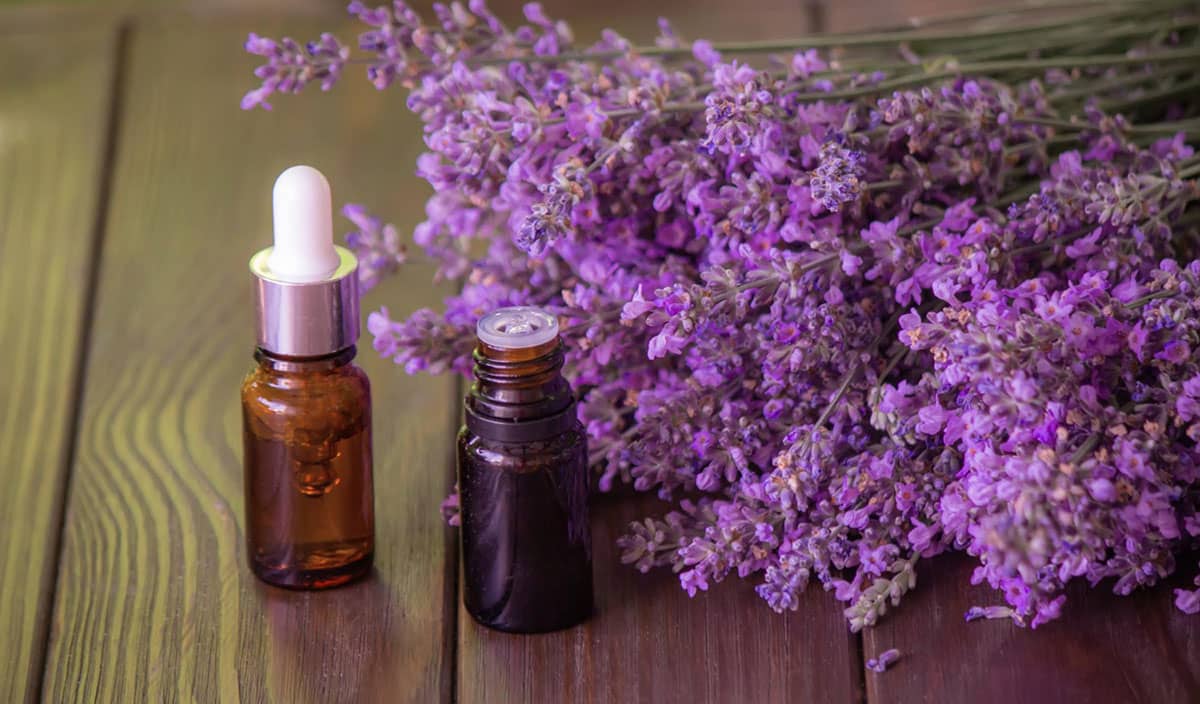
By Lavender essential oil is one of the most popular essential oils, valued for its distinctive floral aroma and wide range of everyday uses. From aromatherapy and massage blends to skin-care products and home fragrances, lavender essential oil uses extend far beyond simply making a room smell pleasant.
The oil is typically distilled from the flowers of Lavandula angustifolia and contains naturally occurring aromatic compounds such as linalool and linalyl acetate. These compounds help give lavender its characteristic scent and have also attracted research interest for their potential calming effects.
Many people use lavender essential oil as part of a relaxing evening routine, add properly diluted lavender oil to skin-care or massage preparations, or diffuse it to create a pleasant atmosphere at home. Lavender is also commonly found in soaps, lotions, bath products, perfumes, and other personal-care products.
However, “natural” does not automatically mean risk-free. Essential oils are highly concentrated, and lavender essential oil should be used carefully. Generally, lavender essential oil should be diluted with a carrier oil before being applied to the skin. Even when diluted, some people may experience irritation or an allergic reaction. Do not swallow lavender essential oil unless a qualified healthcare professional specifically recommends it.
In this guide, we’ll explore 10 popular uses for lavender essential oil, how you can incorporate it into your routine, what research says about some of its potential benefits, and important safety precautions to keep in mind.
What Is Lavender Essential Oil?
Lavender essential oil is a concentrated aromatic oil typically produced through steam distillation of lavender flowers. One of the most commonly used species is Lavandula angustifolia, often called English or true lavender.
Lavender oil contains dozens of naturally occurring plant compounds. Two of the most prominent are linalool and linalyl acetate, which contribute to lavender’s familiar floral aroma and are among the compounds researchers have studied for their potential relaxing and soothing effects.
The oil is widely used in aromatherapy, massage oils, bath products, soaps, lotions, perfumes, and home fragrance products. Because essential oils are highly concentrated, only a small amount is generally needed.
Lavender essential oil should not be confused with lavender fragrance oil. A true essential oil is extracted from plant material, while fragrance oils may contain synthetic aromatic ingredients designed primarily to reproduce a particular scent.
Understanding what lavender essential oil is—and how concentrated it can be—makes it easier to use it appropriately. Now, let’s look at 10 popular lavender essential oil uses and what you should know about each one.
1. Aromatherapy for Relaxation
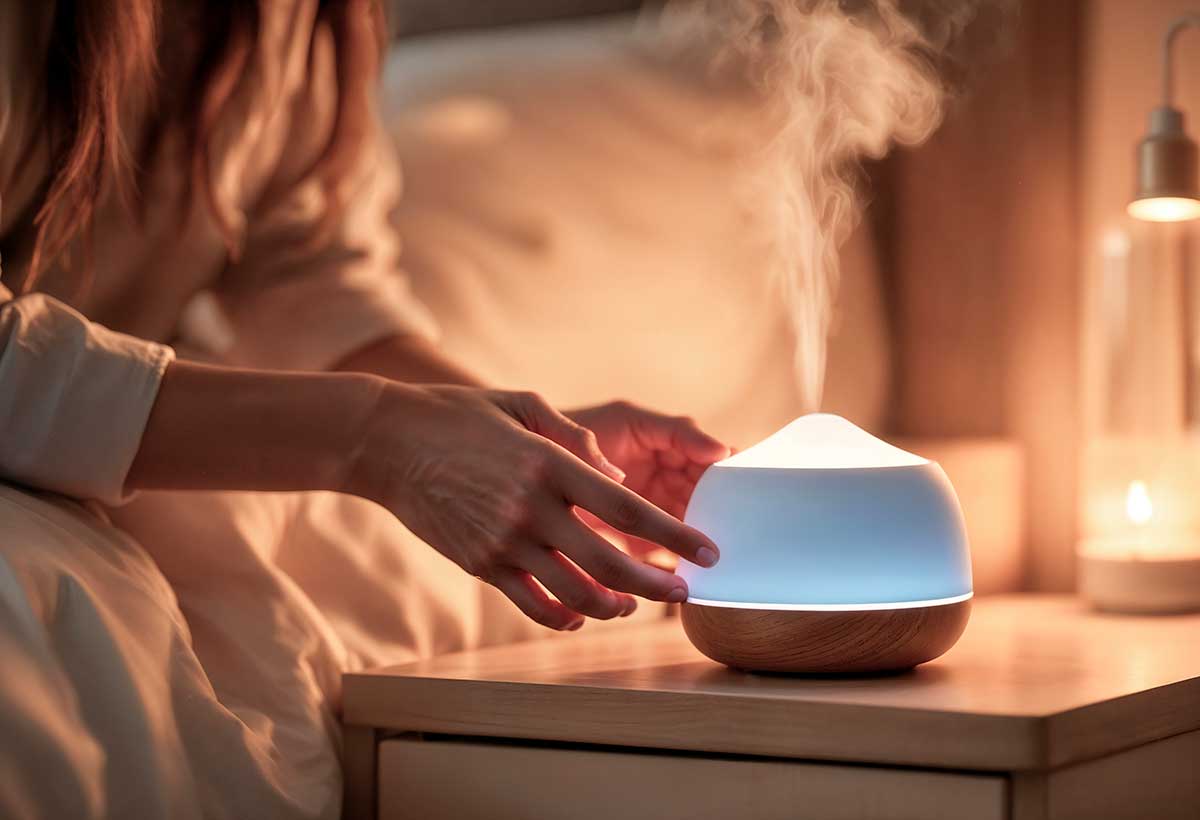
One of the most popular lavender essential oil uses is aromatherapy. Lavender’s soft floral scent is commonly associated with relaxation, making it a popular choice for diffusers, evening routines, meditation, and other calming activities.
Research has explored whether inhaling lavender aroma may influence feelings of stress and anxiety. Some studies have found encouraging results, although findings vary depending on how lavender was used and how the research was conducted. For that reason, lavender aromatherapy is best viewed as a complementary relaxation practice rather than a treatment for anxiety or other health conditions.
How to Use Lavender Oil for Aromatherapy
A simple option is to add a few drops of lavender essential oil to a diffuser according to the manufacturer’s instructions. You can run the diffuser for a limited period while reading, relaxing, practicing yoga, or preparing for bed.
Another option is to place a drop or two on an aromatherapy inhaler or similar product designed for essential oils. Avoid applying undiluted essential oil directly under your nose or allowing it to come into contact with your eyes.
Lavender aromatherapy can be an easy way to incorporate the herb’s familiar fragrance into a relaxing routine without making it complicated.

2. Supporting a Relaxing Bedtime Routine
Lavender essential oil is also commonly used as part of a relaxing bedtime routine. Its floral aroma can help create a calm environment before sleep, which is why lavender is frequently found in pillow sprays, bath products, diffusers, and nighttime aromatherapy blends.
Researchers have looked at whether lavender aromatherapy may influence sleep quality in different groups of people. Some studies suggest that inhaling lavender aroma may support certain aspects of sleep, although results are not consistent enough to consider lavender a treatment for insomnia or other sleep disorders.
How to Use Lavender Essential Oil Before Bed
Try adding a few drops of lavender essential oil to a diffuser and running it for a short period while you wind down for the evening. Follow your diffuser manufacturer’s instructions for the appropriate amount of oil and operating time.
You can also make lavender part of other relaxing nighttime habits, such as taking a warm bath, reading, stretching, or practicing slow breathing exercises.
If you prefer topical use, lavender essential oil should first be properly diluted in a carrier oil before being applied to the skin. Avoid the eyes and other sensitive areas, and discontinue use if irritation develops.
Lavender won’t replace healthy sleep habits, but its pleasant aroma can be a simple addition to a consistent and calming bedtime routine.
3. Lavender Essential Oil for Skin Care
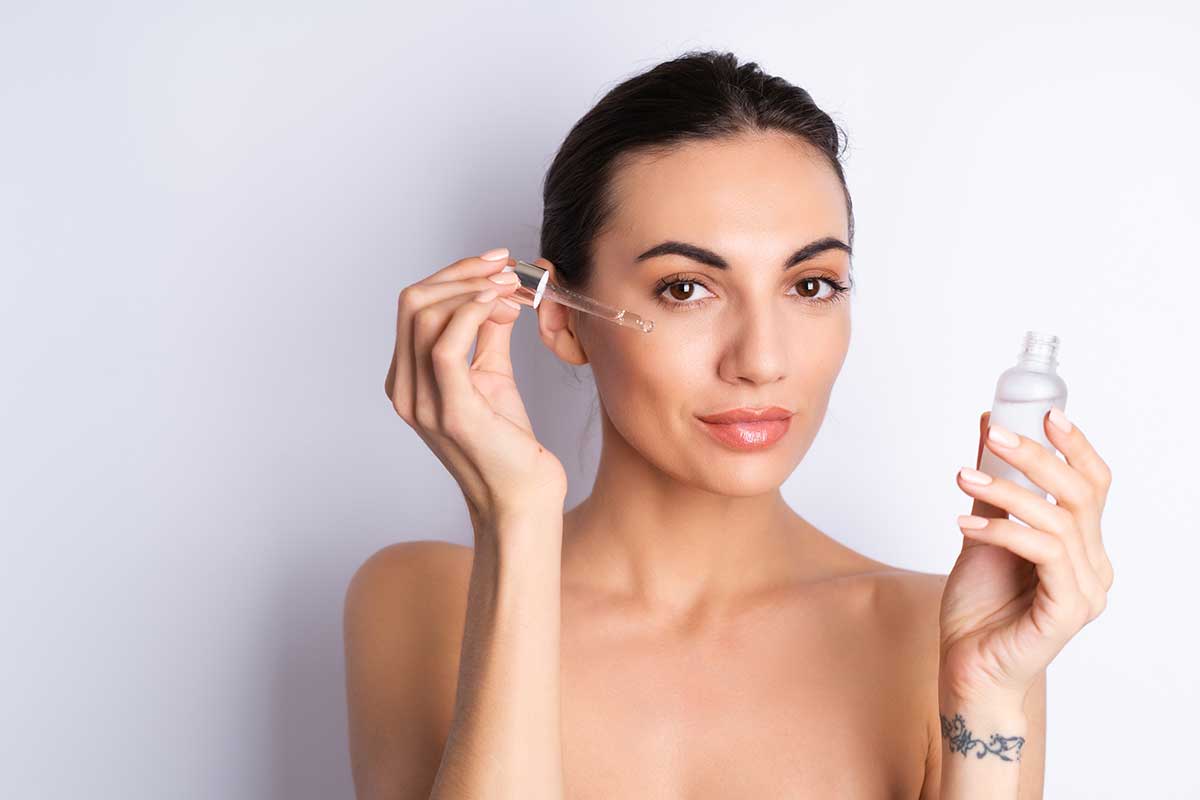
Another common use for lavender essential oil is in skin-care and personal-care products. You’ll often find lavender in soaps, lotions, body oils, creams, and bath products, where it provides its distinctive floral fragrance.
Laboratory research has explored several biological properties of lavender and its naturally occurring compounds, including antimicrobial activity. However, that does not mean lavender oil should be considered a treatment for acne, eczema, infections, wounds, or other skin conditions. More human research is needed to understand its effects on the skin.
How to Use Lavender Essential Oil on the Skin
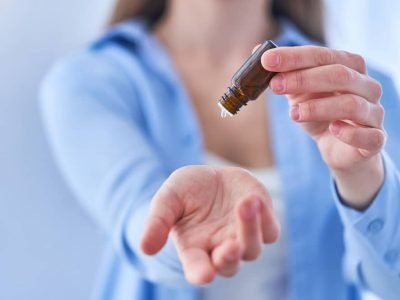
Because essential oils are highly concentrated, lavender oil should generally be diluted with a carrier oil before topical use. Common carrier oils include jojoba, sweet almond, and fractionated coconut oil.
For everyday skin care, a low dilution is usually preferable. You can add a properly diluted amount to a body or massage oil rather than applying pure lavender essential oil directly to your skin.
It’s also a good idea to perform a patch test on a small area of skin before using a new essential-oil blend more widely. Stop using it if you notice redness, itching, burning, or other irritation.
Avoid applying lavender essential oil to the eyes, inside the nose, or other sensitive areas. If you have an existing skin condition, speak with a qualified healthcare professional before using essential oils as part of your skin-care routine.
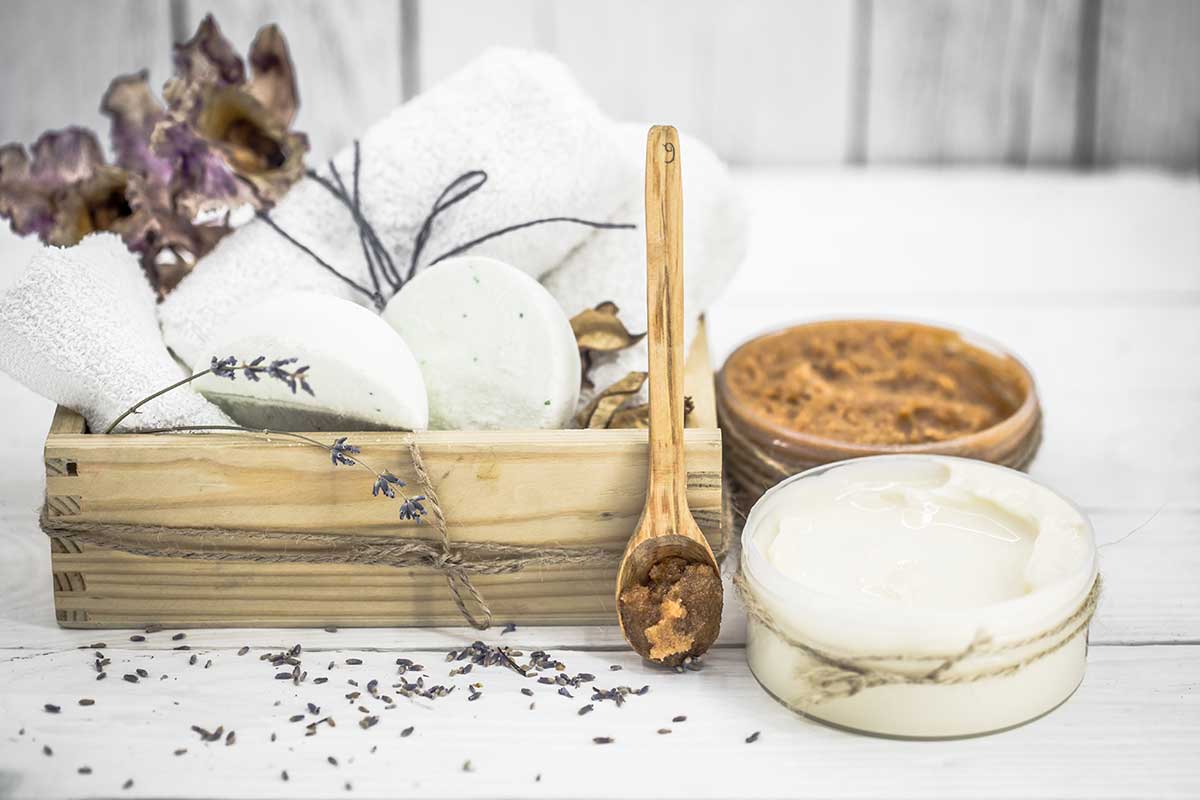
4. Lavender Essential Oil for Massage
Lavender essential oil is a popular addition to massage oils because its floral aroma pairs naturally with the relaxing experience of massage. When properly diluted, it can be blended with a carrier oil and used during a gentle massage after exercise, a long day, or whenever you want to unwind.
Some research has examined lavender aromatherapy and massage in relation to relaxation, discomfort, and general well-being. While some findings are encouraging, it can be difficult to separate the effects of lavender itself from the benefits of massage and relaxation. Lavender essential oil should therefore be viewed as a complementary part of the experience rather than a treatment for pain or an underlying medical condition.
How to Make a Lavender Massage Oil
Lavender essential oil should always be diluted before widespread application to the skin. Jojoba oil, sweet almond oil, grapeseed oil, and fractionated coconut oil are commonly used carrier oils.
Avoid applying the mixture to broken or irritated skin and keep it away from the eyes and other sensitive areas. Performing a patch test before broader use can also help identify possible skin sensitivity.
Avoid applying the mixture to broken or irritated skin and keep it away from the eyes and other sensitive areas. Performing a patch test before broader use can also help identify possible skin sensitivity.
The combination of gentle massage and lavender’s familiar aroma can make this one of the simplest lavender essential oil uses to incorporate into a relaxing self-care routine.
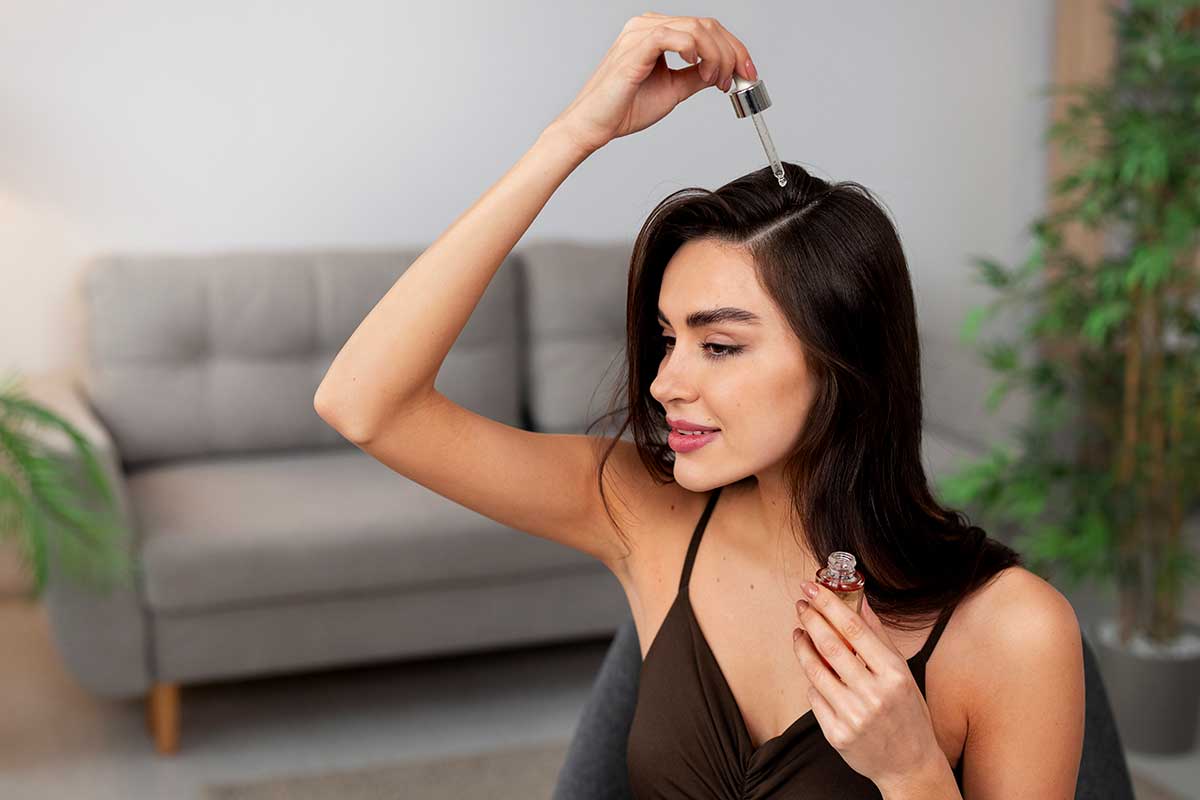
5. Lavender Essential Oil for Hair and Scalp Care
Lavender essential oil is sometimes added to hair and scalp-care products because of its pleasant fragrance and the naturally occurring compounds found in the oil. You may see lavender in shampoos, conditioners, scalp oils, and other botanical hair-care products.
Lavender has also attracted interest for its potential effects on hair growth. However, much of the frequently cited research comes from animal studies or studies involving combinations of several essential oils. That evidence is not strong enough to conclude that lavender essential oil alone can prevent hair loss or reliably stimulate hair growth in people.
How to Use Lavender Essential Oil on Your Hair
If you want to include lavender in your hair-care routine, the simplest approach is to use a commercially formulated product containing lavender essential oil.
You can also make a diluted scalp oil by combining a small amount of lavender essential oil with a carrier oil such as jojoba oil. Massage a small amount gently into the scalp, taking care to keep the mixture away from your eyes.
Another option is adding lavender to a homemade hair oil or conditioning treatment, provided the essential oil is properly diluted.
As with other topical lavender products, proper dilution is important. If you’re experiencing persistent hair loss or scalp problems, it’s better to discuss the cause with a healthcare professional rather than relying on essential oils.
6. Using Lavender Essential Oil in Natural Insect-Repellent Blends
Lavender’s strong floral aroma makes it a popular ingredient in natural insect-repellent blends. It is commonly used in homemade sprays, outdoor candles, sachets, and aromatic products intended to make patios and indoor spaces less inviting to certain insects.
Laboratory research has examined lavender and some of its aromatic compounds for insect-repellent activity. However, homemade lavender preparations should not be assumed to provide the same level or duration of protection as insect repellents that have been tested and registered for that purpose.
How to Use Lavender Around the Home
One simple option is to place dried lavender sachets in closets, drawers, or other areas where you want lavender’s fragrance. Growing lavender near patios and seating areas can also add a pleasant aroma and attract pollinators when the plants are flowering.
Lavender essential oil can also be incorporated into homemade household fragrance sprays. Because essential oils do not mix evenly with plain water, properly formulated recipes require an appropriate dispersing or solubilizing ingredient rather than simply combining oil and water.
For situations where protection from mosquito- or tick-borne disease is important, use an EPA-registered insect repellent according to its label instructions rather than relying on lavender essential oil alone.
Lavender can still be an enjoyable addition to your outdoor or home routine, particularly when your main goal is adding its distinctive fragrance.
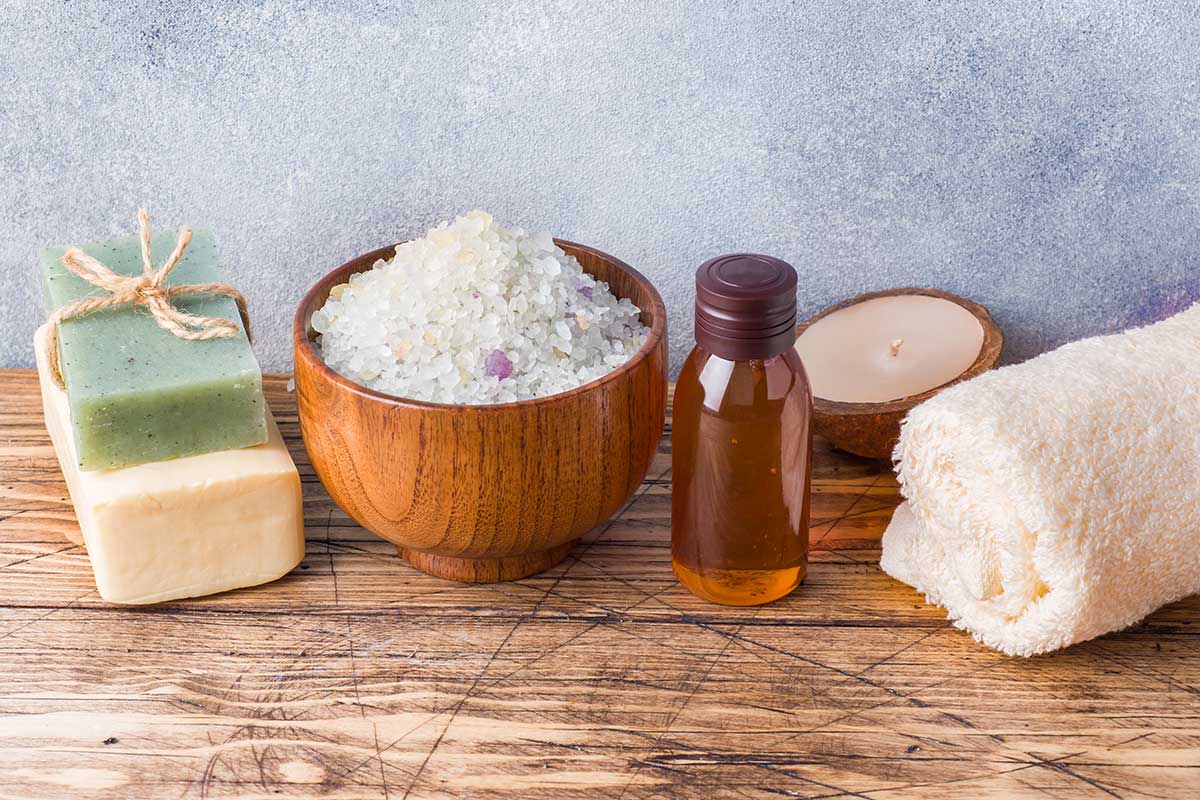
7. Lavender Essential Oil for Bath and Body Care
Lavender essential oil is widely used in bath and body products, including bath oils, soaps, body washes, lotions, and bath salts. Its floral aroma makes it especially popular in products designed for an evening bath or relaxing self-care routine.
A warm bath can be relaxing on its own, while lavender adds an aromatic element to the experience. This makes bath and body care one of the easiest lavender essential oil uses to enjoy at home without expecting the oil to treat a particular health condition.
How to Use Lavender Essential Oil in a Bath
Avoid adding drops of undiluted lavender essential oil directly to bathwater. Essential oils do not dissolve in water and can remain concentrated on the surface, where they may come into contact with the skin and cause irritation.
A safer and simpler option is to choose a properly formulated lavender bath product in which the essential oil has already been appropriately dispersed or diluted.
If you’re making your own bath product, use a recipe specifically formulated for essential oils rather than relying on water alone to dilute them.
You can also enjoy lavender through soaps, body oils, or lotions formulated for topical use. Whichever method you choose, stop using the product if you experience redness, itching, burning, or other signs of irritation.
Sometimes that’s really all you need—a warm bath, a little lavender fragrance, and a few quiet minutes at the end of the day.
8. Lavender Essential Oil for Home Fragrance
Lavender essential oil is an easy way to add a fresh, floral fragrance to your home. Instead of using it for a specific wellness purpose, many people simply enjoy lavender for its recognizable scent and the relaxing atmosphere it can help create.
Lavender works particularly well in bedrooms, living spaces, home offices, and other areas where you want a clean botanical aroma. It can be used on its own or combined with complementary essential oils such as lemon, bergamot, cedarwood, or frankincense.
Ways to Use Lavender Around the Home
A diffuser is one of the simplest options. Add lavender essential oil according to the manufacturer’s directions and operate the diffuser in a well-ventilated room for a limited period.
You can also use lavender in potpourri, scented sachets, or other home-fragrance products. Dried lavender flowers paired with a small amount of essential oil can help refresh the fragrance as it begins to fade.
If you’re making a room or linen spray, follow a recipe designed for essential oils rather than simply mixing the oil with water.
Use extra care when diffusing essential oils around children and pets, as sensitivity and safe exposure can vary. Keep bottles of concentrated essential oil securely stored and out of reach.
For many people, home fragrance is one of the most practical lavender essential oil uses—simple, versatile, and easy to incorporate into everyday life.
9. Lavender Essential Oil for DIY Cleaning and Deodorizing
Lavender essential oil is also popular in homemade cleaning and deodorizing products, primarily because of its fresh floral scent. A small amount can give homemade household products a pleasant botanical fragrance.
Lavender and some of its naturally occurring compounds have demonstrated antimicrobial activity in laboratory studies. However, this does not mean homemade lavender cleaners can reliably disinfect household surfaces or kill disease-causing microorganisms.
How to Use Lavender Essential Oil for Cleaning
Lavender essential oil can be included in properly formulated homemade surface cleaners, deodorizing products, and other household preparations. Because essential oils do not dissolve in plain water, simply adding a few drops to a spray bottle of water will not distribute the oil evenly.
For everyday cleaning, follow a tested recipe appropriate for the surface you’re cleaning. Always test homemade products on a small, inconspicuous area first, especially on wood, stone, painted surfaces, and delicate materials.
When actual disinfection is necessary—such as after handling raw meat or when someone in the household is sick—use an EPA-registered disinfectant according to the product’s label rather than relying on lavender essential oil.
Lavender works best in household cleaning as a fragrant addition rather than as a replacement for products specifically tested for sanitizing or disinfecting.
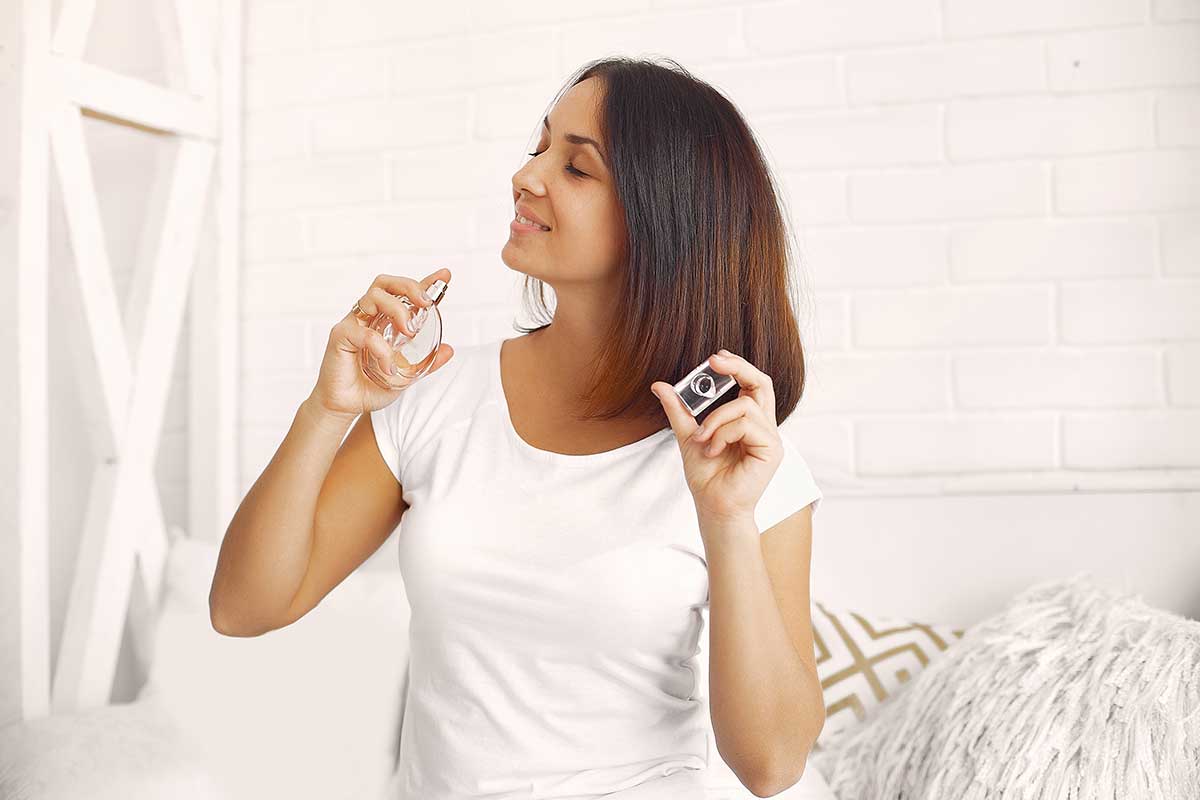
10. Lavender Essential Oil for Personal Fragrance
The final use on our list is also one of the simplest: enjoying lavender essential oil for its natural floral fragrance. Lavender has been used in perfumes, soaps, lotions, and other scented products for generations, and its recognizable aroma blends well with many other botanical scents.
Lavender can be used alone or combined with complementary essential oils such as bergamot, cedarwood, geranium, or frankincense. Depending on the blend, the result can range from light and floral to earthy, citrusy, or herbaceous.
How to Make a Simple Lavender Scent
For topical fragrance, lavender essential oil should first be appropriately diluted in a skin-safe carrier oil. A small amount of the diluted blend can then be applied to areas such as the wrists, provided your skin tolerates it well.
Another option is to purchase a roller blend or botanical perfume that has already been formulated at an appropriate concentration for topical use.
Always perform a patch test when trying a new essential-oil blend, and avoid applying essential oils near the eyes or to irritated or broken skin.
Using lavender simply because you enjoy its aroma is sometimes overlooked among the many lavender essential oil uses, but it remains one of the easiest ways to incorporate this fragrant herb into everyday life.
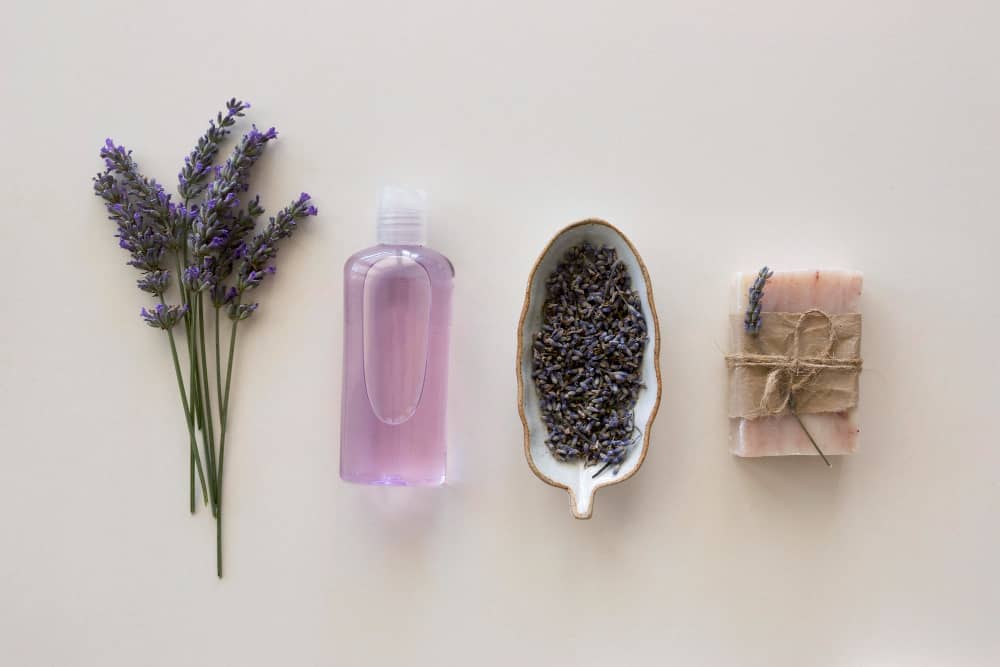
How to Use Lavender Essential Oil Safely
Lavender essential oil is widely used, but it is also highly concentrated. Using it appropriately can reduce the risk of skin irritation, accidental exposure, and other unwanted reactions.
For topical use, lavender essential oil should generally be diluted with a carrier oil such as jojoba, sweet almond, grapeseed, or fractionated coconut oil. Avoid applying concentrated essential oil directly to large areas of skin.
Performing a patch test before using a new lavender product more widely is also a sensible precaution. Stop using it if you develop redness, itching, burning, swelling, or another unexpected reaction.
Keep lavender essential oil away from the eyes, inside the nose and ears, and other sensitive areas. Essential oils should also be stored securely where children and pets cannot accidentally reach them.
Can You Ingest Lavender Essential Oil?
Lavender is used as a culinary herb, but lavender essential oil is much more concentrated than lavender flowers used in food or tea. These products should not be treated as interchangeable.
Do not swallow lavender essential oil simply because a product is labeled “natural” or “pure.” Internal use can involve different risks and dosing considerations and should only be considered under the guidance of an appropriately qualified healthcare professional.
Who Should Be Especially Careful?
If you’re pregnant or breastfeeding, take medications, have an existing medical condition, or want to use essential oils with a young child, check with an appropriate healthcare professional if you’re unsure whether lavender essential oil is suitable for you.
Essential oils can also pose different risks to pets. If you have cats, dogs, birds, or other animals at home, ask your veterinarian about appropriate essential-oil use and storage.
Used thoughtfully, lavender essential oil can be an enjoyable addition to aromatherapy, personal care, and household routines. The key is remembering that more isn’t necessarily better when working with concentrated essential oils.
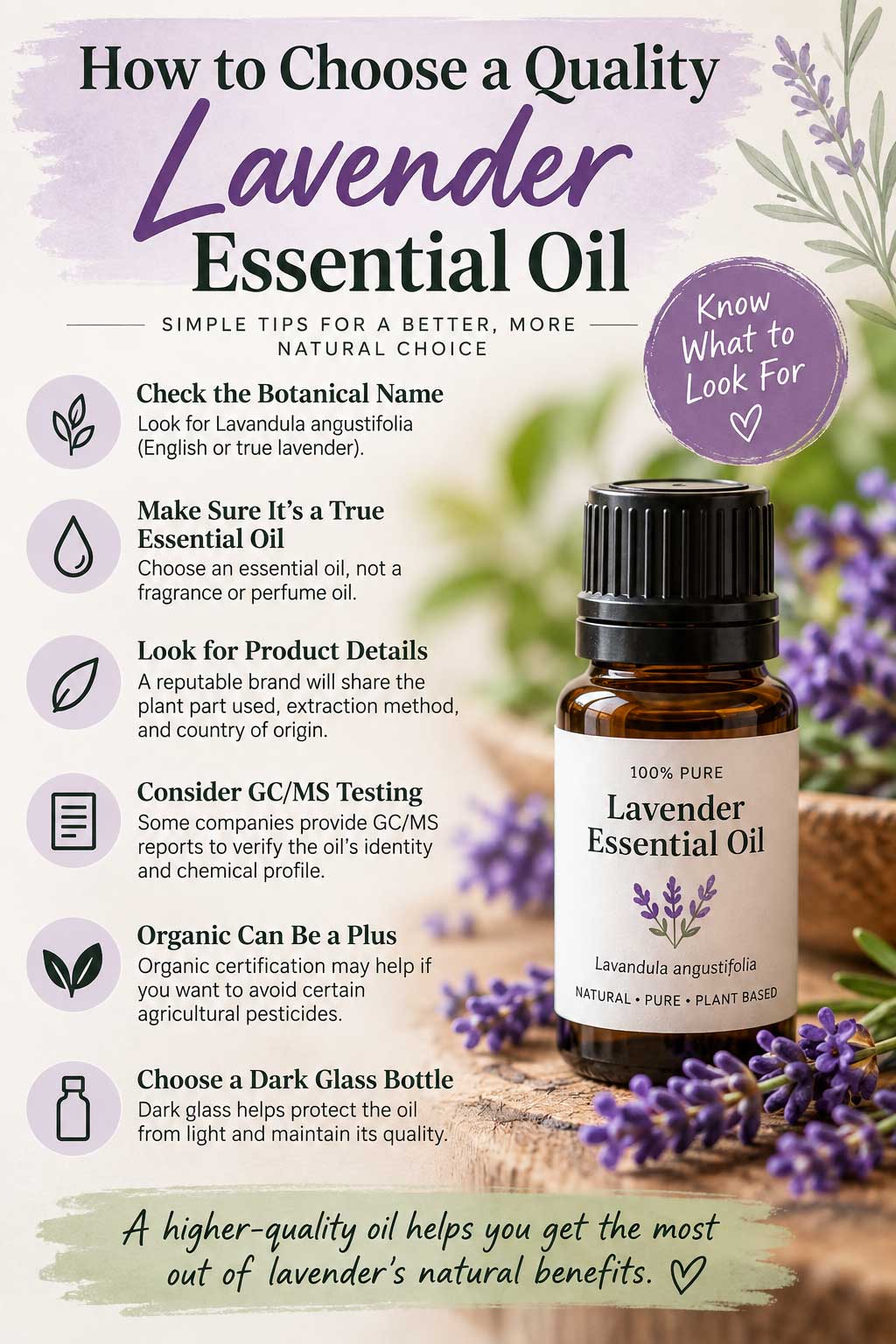
How to Choose a Quality Lavender Essential Oil
With so many essential oils available, choosing a good lavender oil can be confusing. Attractive packaging and words such as “natural” or “premium” don’t necessarily tell you much about what is actually inside the bottle.
Start by checking the label for the botanical name. For true lavender, look for Lavandula angustifolia. Other lavender species and hybrids, such as lavandin (Lavandula × intermedia), can have different aromas and chemical profiles.
The label should also clearly identify the product as an essential oil rather than a fragrance or perfume oil. Fragrance oils may contain synthetic aromatic ingredients and are not the same as essential oils distilled from lavender plant material.
What to Look for When Buying Lavender Oil
A reputable essential-oil company should provide useful information about its product, including the botanical species, plant part used, extraction method, and country or region of origin when available.
Some companies also provide GC/MS testing information, which analyzes an essential oil’s chemical profile and can help verify its identity and composition.
Organic certification can be worth considering if avoiding certain agricultural pesticides is important to you, but an organic label alone does not determine the overall quality of an essential oil.
Lavender essential oil is also best packaged in a dark glass bottle, which helps protect it from light. Store the bottle tightly closed in a cool, dark location away from heat and direct sunlight.
Finally, be cautious of products promising that lavender essential oil can cure diseases or replace medical treatment. Quality essential oils can have many practical uses, but extravagant health claims are not a sign of a better product.
Frequently Asked Questions About Lavender Essential Oil
Can You Put Lavender Essential Oil Directly on Your Skin?
It is generally better to dilute lavender essential oil with a carrier oil before applying it to the skin. Even essential oils that are commonly used topically can cause irritation or sensitivity in some people. A patch test is also recommended when trying a new product or blend.
Can You Use Lavender Essential Oil Every Day?
Some people use properly diluted lavender products or enjoy lavender aromatherapy regularly without problems. How often you use it depends on the method, concentration, and your individual sensitivity. Stop using lavender if you notice irritation or another unwanted reaction.
Does Lavender Essential Oil Help You Sleep?
Lavender is commonly used as part of a relaxing bedtime routine, and research has explored its potential effects on sleep quality. Some studies have reported encouraging results, but lavender essential oil should not be considered a treatment for insomnia or other sleep disorders.
Can You Put Lavender Essential Oil in a Diffuser?
Yes. Lavender is one of the most popular essential oils for diffusers. Follow the instructions provided with your diffuser, use it in a well-ventilated area, and avoid continuous or excessive diffusion.
Can You Add Lavender Essential Oil Directly to Bathwater?
It is better not to add undiluted essential oil directly to bathwater. Oil and water do not mix, so concentrated droplets can remain on the surface and come into contact with your skin. Use a properly formulated lavender bath product instead.
Is Lavender Essential Oil the Same as Lavender Fragrance Oil?
No. Lavender essential oil is obtained from lavender plant material, typically through steam distillation. Fragrance oils are formulated primarily for scent and may contain synthetic aromatic ingredients.
Can You Eat or Drink Lavender Essential Oil?
Lavender flowers can be used in foods and herbal preparations, but concentrated lavender essential oil is very different. Do not swallow lavender essential oil unless specifically directed by an appropriately qualified healthcare professional.
How Should Lavender Essential Oil Be Stored?
Keep lavender essential oil tightly sealed in a dark glass bottle and store it in a cool, dry location away from direct sunlight and heat. Proper storage helps protect the oil from oxidation and deterioration.
Making the Most of Lavender Essential Oil
From aromatherapy and massage to skin care, home fragrance, and bath products, there are plenty of practical lavender essential oil uses to explore. Its distinctive floral aroma and versatility have helped make lavender one of the most recognizable essential oils for both personal care and the home.
The best way to enjoy lavender essential oil is to keep things simple. Use a diffuser when you want to add a calming fragrance to your space, choose properly diluted products for topical use, or incorporate lavender into massage oils and other personal-care routines.
At the same time, remember that essential oils are highly concentrated plant products. Dilution, appropriate storage, patch testing, and careful use around children and pets are sensible precautions. Lavender essential oil can complement a wellness routine, but it shouldn’t replace appropriate medical care when you have a health concern.
You don’t need to try all 10 ideas at once. A diffuser, a properly diluted massage oil, or a lavender-scented bath product may be enough to find out how—and whether—you enjoy using lavender essential oil.
References
- National Center for Complementary and Integrative Health (NCCIH). Lavender: Usefulness and Safety.
https://www.nccih.nih.gov/health/lavender - Shen H, Zhang LJ, Zhu WY. The Sleep-Enhancing Effect of Lavender Essential Oil in Adults: A Systematic Review and Meta-Analysis. Holistic Nursing Practice. 2026;40(2):105–118.
https://pubmed.ncbi.nlm.nih.gov/40600743/ - Yoo O, Park SA. Anxiety-Reducing Effects of Lavender Essential Oil Inhalation: A Systematic Review. Healthcare. 2023;11(22):2978.
https://pubmed.ncbi.nlm.nih.gov/37998470/ - Donelli D, Antonelli M, Bellinazzi C, Gensini GF, Firenzuoli F. Effects of Lavender on Anxiety: A Systematic Review and Meta-Analysis. Phytomedicine. 2019;65:153099.
https://pubmed.ncbi.nlm.nih.gov/31655395/ - Koulivand PH, Khaleghi Ghadiri M, Gorji A. Lavender and the Nervous System. Evidence-Based Complementary and Alternative Medicine. 2013;2013:681304.
https://pubmed.ncbi.nlm.nih.gov/23573142/ - Cavanagh HMA, Wilkinson JM. Biological Activities of Lavender Essential Oil. Phytotherapy Research. 2002;16(4):301–308.
https://pubmed.ncbi.nlm.nih.gov/12112282/ - MedlinePlus. Lavender Oil. U.S. National Library of Medicine.
https://medlineplus.gov/ency/article/002711.htm