 By
By Nettle can help boost your immune system by providing vitamins, minerals, antioxidants, and other beneficial plant compounds that support normal immune function. However, no single herb can guarantee stronger immunity or protection from illness. Nettle (Urtica dioica) is best viewed as a nutrient-rich herb that can complement a balanced diet and healthy lifestyle.
If you’re new to herbal wellness, our guide to Herbal Medicine Basics explains how herbs have supported overall well-being throughout history.
Nettle has a long history as both a food and traditional herbal preparation, particularly in Europe. Over time, the plant became widely used throughout Europe and Asia, where it was incorporated into teas, tonics, and various wellness preparations. Nettle has also been referenced in traditional Chinese medicine and other traditional healing systems, where herbs were valued for their role in supporting overall balance and well-being.
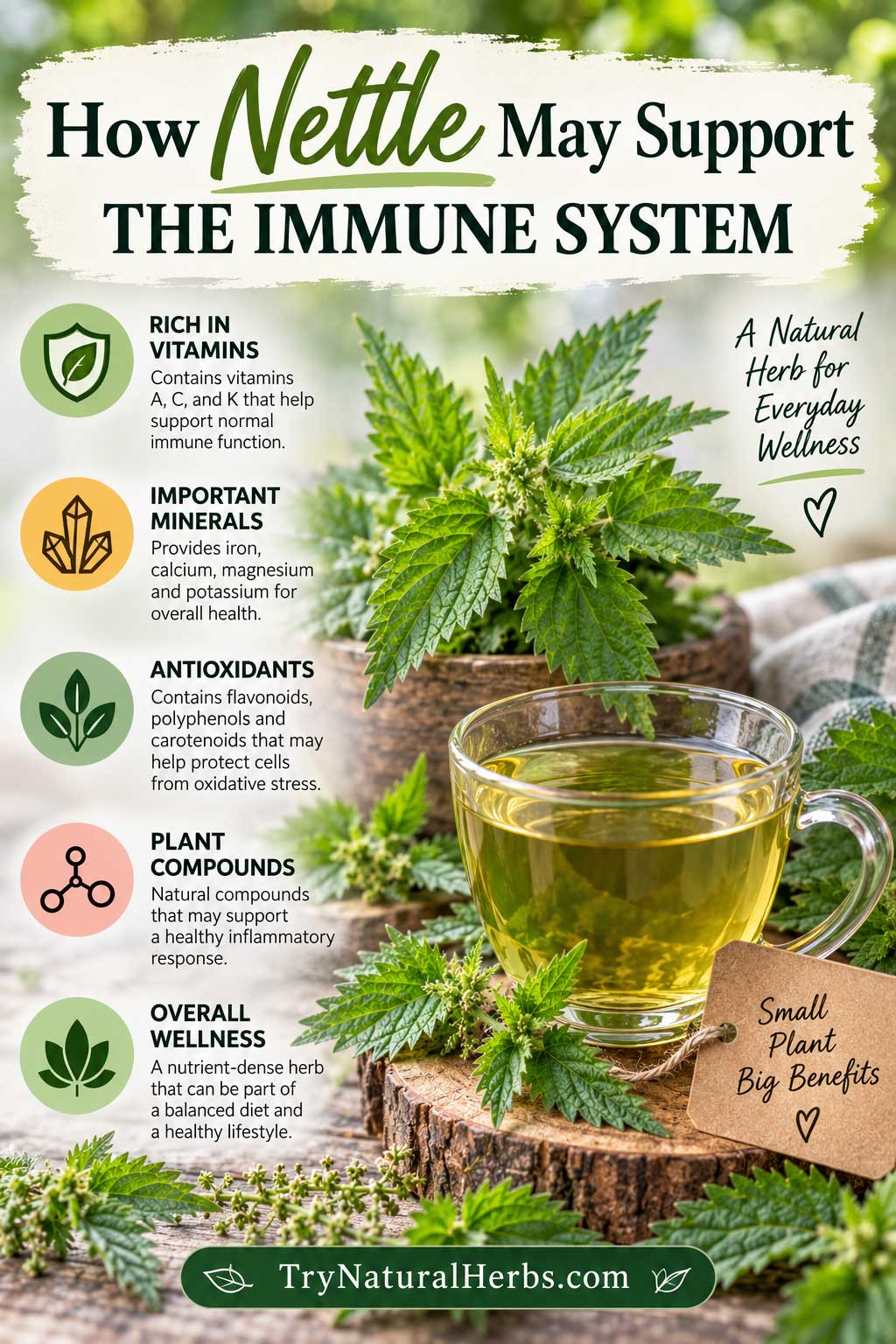
One reason nettle continues to attract attention is its impressive nutrient content. The plant contains vitamins A, C, and K, along with minerals such as iron, calcium, magnesium, and potassium. It also provides antioxidants and naturally occurring plant compounds that help protect cells from oxidative stress and support the body’s natural defense systems.
Although no single herb can prevent illness or guarantee a stronger immune system, nettle may contribute to overall immune health when consumed as part of a balanced diet and healthy lifestyle. Its nutritional value, antioxidant content, and long history of traditional use have made it a popular choice among those interested in natural wellness.
In this guide, we’ll explore how nettle may support immune health, the nutrients that make it unique, the research behind its traditional uses, and practical ways to incorporate nettle into your daily routine.

What Is Nettle?
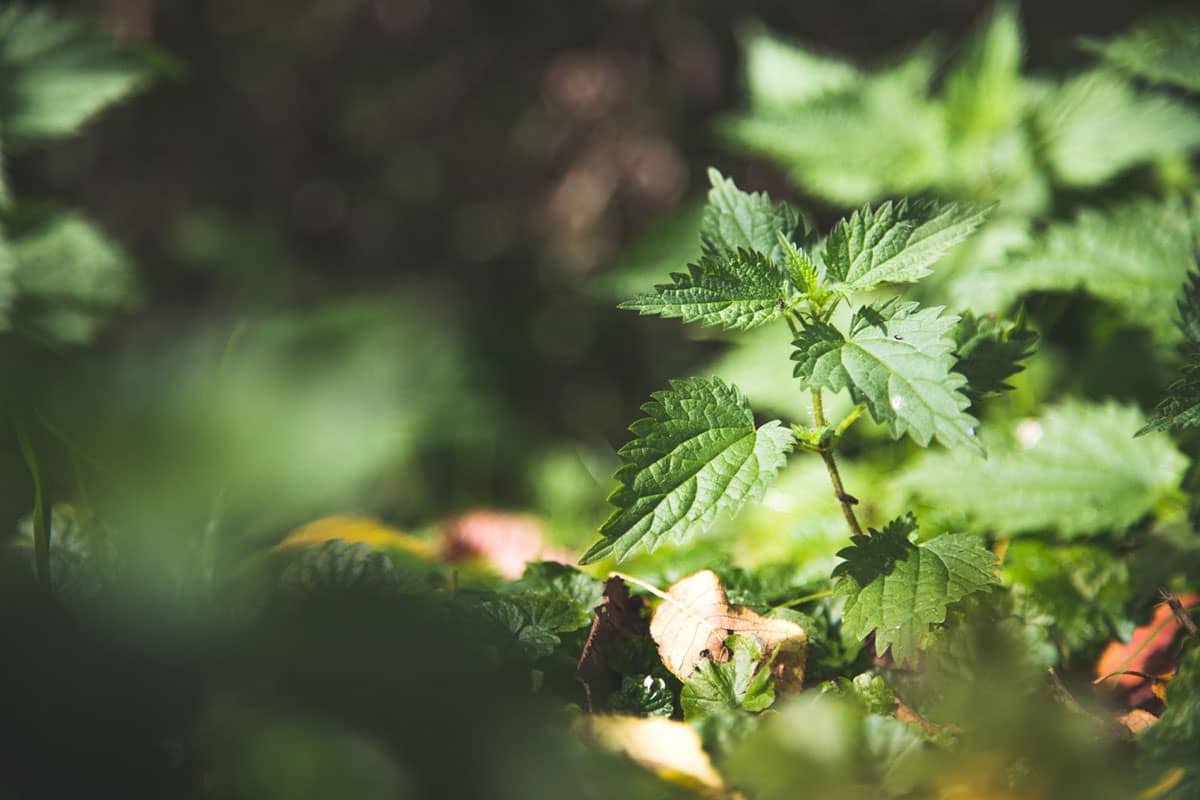
Nettle (Urtica dioica), commonly known as stinging nettle, is a perennial herb that grows naturally throughout Europe, Asia, North America, and parts of North Africa. The plant is easily recognized by its serrated green leaves and tiny hair-like structures that can cause a temporary stinging sensation when touched.
Although often considered a weed, nettle has been valued for centuries as both a nutritious food and a traditional herbal ingredient. Young nettle leaves have long been used in soups, teas, and other recipes, while various parts of the plant have been incorporated into traditional wellness practices around the world.
One of the reasons nettle remains popular today is its impressive nutritional profile. The leaves contain vitamins, minerals, antioxidants, and beneficial plant compounds that have attracted the attention of both researchers and herbal enthusiasts. Modern studies continue to explore the potential wellness-supporting properties of nettle and its role in a healthy lifestyle.
Nettle is available in many forms, including fresh leaves, dried herbs, teas, capsules, extracts, tinctures, and powders. Its versatility is one reason nettle remains a favorite among herbalists, gardeners, and health-conscious individuals around the world.
If you’d like to learn more about the plant itself, including its benefits, traditional uses, and preparation methods, visit our complete guide to Nettle.
Nutritional Compounds In Nettle That Support Wellness
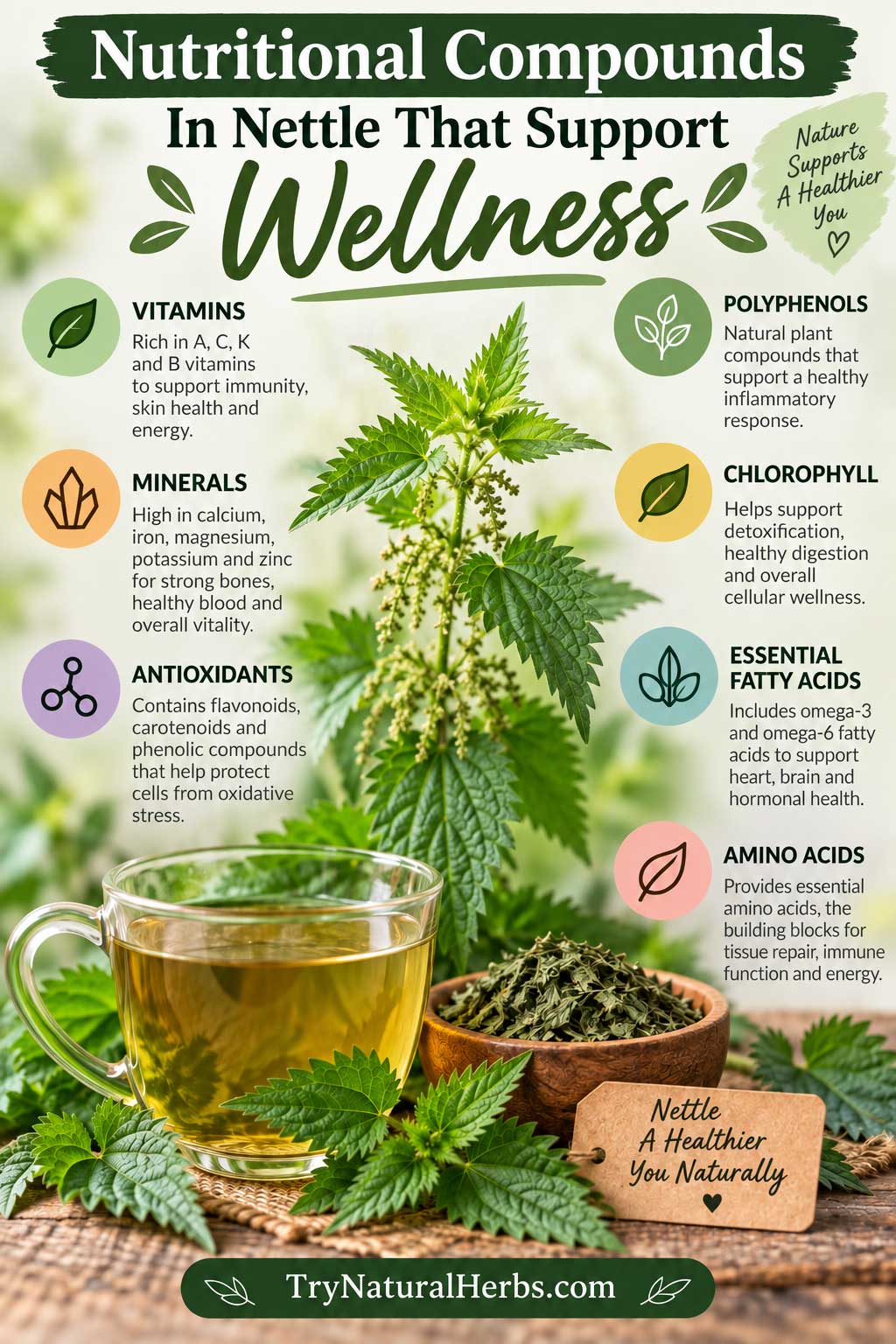
Nettle contains a variety of vitamins, minerals, antioxidants, and plant compounds that contribute to its reputation as a nutrient-dense herb. While researchers continue to study its potential health effects, many of the nutrients found in nettle are known to support overall wellness and normal immune function.
Vitamin C
Vitamin C is one of the most important nutrients involved in immune health. It helps support the body’s natural defense systems and acts as an antioxidant that protects cells from oxidative stress. Nettle leaves contain vitamin C, although the amount can vary depending on growing conditions, processing, and preparation.
Vitamin A
Nettle also provides vitamin A, a nutrient that plays a role in maintaining healthy skin, vision, and immune function. Vitamin A helps support the body’s natural barriers, which serve as one of the first lines of defense against environmental stressors.
Antioxidants And Polyphenols
Nettle contains a variety of antioxidant compounds, including flavonoids, polyphenols, carotenoids, and chlorophyll. These compounds have antioxidant activity and may help protect cells from oxidative stress. Antioxidants are important because they help protect the body from oxidative stress, which can affect overall wellness over time.
Minerals Found In Nettle
In addition to vitamins and antioxidants, nettle contains several essential minerals, including calcium, iron, magnesium, potassium, manganese, and phosphorus. These nutrients support many important functions throughout the body, including energy production, muscle function, bone health, and overall well-being.
This combination of nutrients and plant compounds is one reason nettle continues to be valued by herbal enthusiasts and wellness-minded individuals around the world.
How Nettle May Support The Immune System
A healthy immune system relies on many factors, including proper nutrition, regular physical activity, adequate sleep, stress management, and overall lifestyle habits. While no single herb can “boost” the immune system on its own, nettle contains several nutrients and plant compounds that may help support normal immune function and overall wellness.
So, can nettle help boost your immune system? The more accurate way to describe its role is that nettle provides nutrients and plant compounds that may support normal immune function.
Provides Antioxidant Support
Nettle contains antioxidants such as flavonoids, polyphenols, carotenoids, and vitamin C. These compounds help protect cells from oxidative stress caused by free radicals. By supporting cellular health, antioxidants play an important role in maintaining the body’s natural defense systems.
Supports A Healthy Inflammatory Response
Inflammation is a normal part of the immune system’s response to injury, infection, and environmental stressors. Nettle contains naturally occurring compounds that have been studied for their potential role in supporting healthy inflammatory processes. This is one reason the herb has been used in traditional wellness practices for generations.
May Support Seasonal Wellness
Nettle is perhaps best known for its traditional use during allergy season. Preliminary research suggests that certain compounds found in nettle may interact with pathways involved in the body’s response to environmental allergens. Although more research is needed, nettle remains a popular herb among individuals seeking natural ways to support seasonal wellness.
Supports Overall Nutritional Health
Many nutrients found in nettle contribute to overall health and wellness. Vitamins A and C, along with minerals such as iron, magnesium, and calcium, support numerous functions throughout the body. Because the immune system depends on adequate nutrition to function properly, consuming nutrient-rich foods and herbs can be an important part of a healthy lifestyle.
Because nettle is rich in vitamins, minerals, and antioxidants, it is often featured among Natural Herbs That Can Help With Everyday Ailments and other wellness-focused herbal resources.
May Help Support The Body’s Natural Defenses
Nettle contains a variety of beneficial plant compounds that continue to be studied for their potential effects on health and wellness. While researchers are still exploring the exact mechanisms involved, the herb’s combination of nutrients, antioxidants, and traditional uses has helped make it a popular choice among those interested in supporting their body’s natural defenses.
Nettle is best viewed as one part of a broader wellness routine rather than a stand-alone way to strengthen immunity.
What Research Says About Nettle And Immune Health
As more people look for natural ways to support overall wellness, interest in nettle and its potential health benefits has continued to grow. While many of nettle’s traditional uses date back centuries, modern science is still working to better understand how these compounds may influence overall wellness.
Research has shown that nettle contains antioxidants, flavonoids, polyphenols, carotenoids, and other bioactive compounds that may help support cellular health and protect against oxidative stress. These compounds are believed to contribute to many of the wellness-supporting properties associated with nettle.
Some studies have also examined nettle’s potential role in supporting healthy inflammatory responses. Because inflammation and immune function are closely connected, researchers continue to investigate how nettle’s natural compounds may influence these processes. However, more high-quality human studies are needed before definitive conclusions can be made.
Nettle has also been studied for its traditional use in supporting seasonal wellness. Preliminary research suggests that certain compounds found in nettle may interact with pathways involved in the body’s response to environmental allergens. While these findings are promising, additional research is necessary to confirm the extent of these effects.
It is important to note that current research does not support viewing nettle as a cure, treatment, or guaranteed method for preventing illness. Instead, the available evidence suggests that nettle may contribute to overall wellness as part of a healthy lifestyle that includes proper nutrition, regular exercise, adequate sleep, and stress management.
For now, the evidence is more supportive of nettle’s nutritional value and traditional use than of claims that it directly strengthens immunity.
Best Ways To Use Nettle For Wellness
Nettle can be incorporated into a healthy lifestyle in several different ways. Whether you prefer herbal teas, supplements, or fresh foods, there are many options for enjoying the nutrients and beneficial plant compounds found in this versatile herb.
Nettle Tea
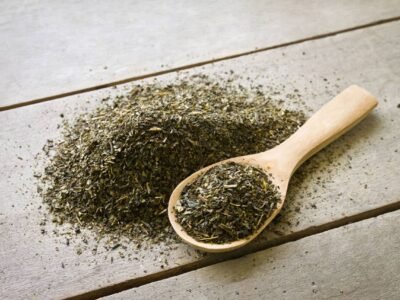
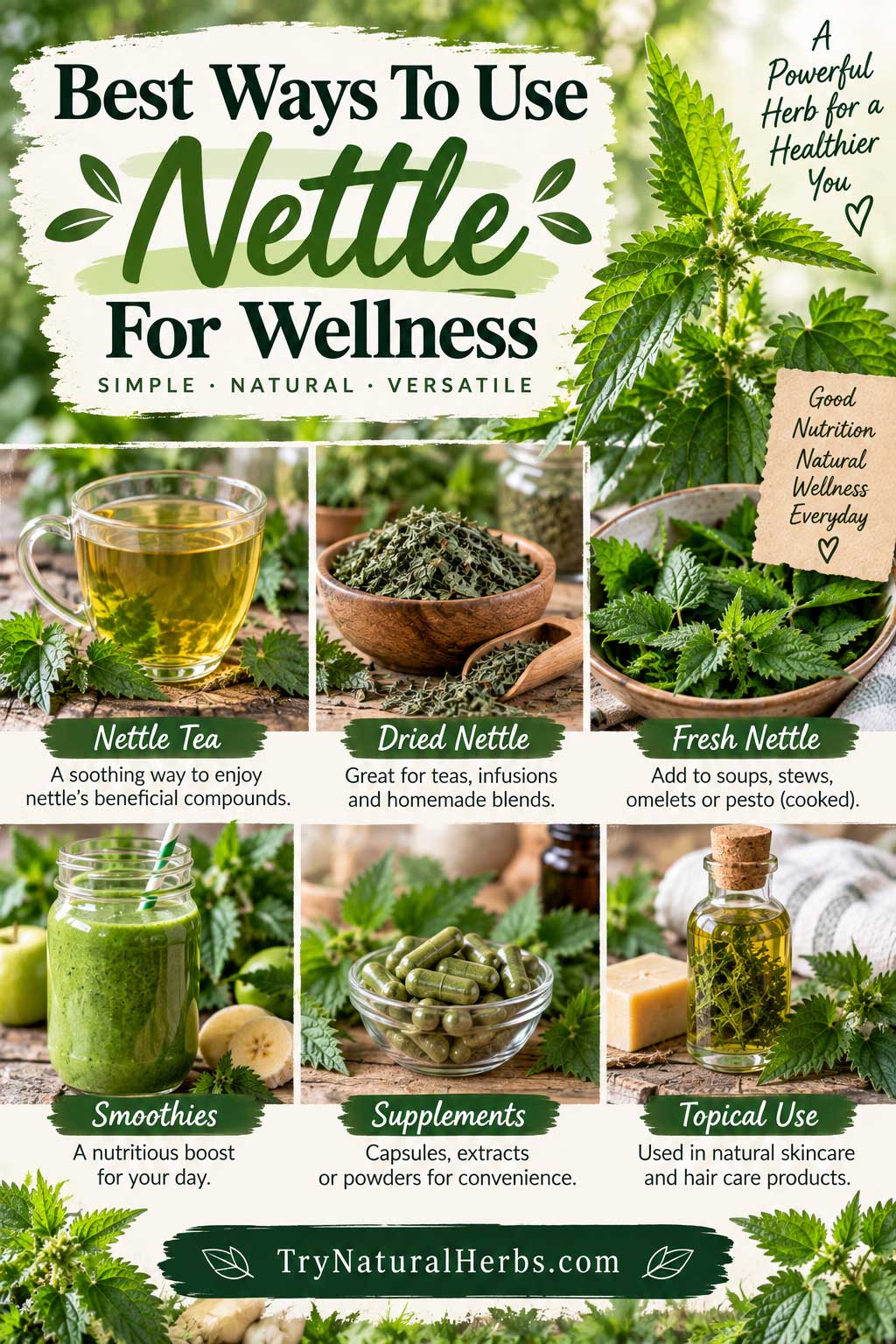
One of the most popular ways to use nettle is as an herbal tea. Made from dried nettle leaves, nettle tea is naturally caffeine-free and provides a convenient way to enjoy the plant’s vitamins, minerals, and antioxidants. Many people drink nettle tea daily as part of their wellness routine because it is simple to prepare and easy to incorporate into a balanced lifestyle.
If you’d like to learn more, explore our complete guide to Nettle Tea Benefits.
Nettle Supplements
Nettle is also available in capsule, tablet, powder, and liquid extract forms. These products can offer a concentrated source of nettle and may be a convenient option for individuals who do not regularly drink herbal tea.
When purchasing supplements, choose products from reputable manufacturers and follow the recommended usage instructions. As with any supplement, it is wise to consult a healthcare professional if you have underlying medical conditions or take prescription medications.
Fresh Or Cooked Nettle
Fresh nettle leaves can be used in a variety of recipes once they have been properly prepared. Cooking, steaming, blanching, or drying the leaves removes the stinging compounds and makes them safe to consume.
Once properly prepared, nettle can be used much like other leafy greens. Try it in soups, pesto, omelets, pasta dishes, or herbal infusions.
Many people enjoy nettle as a nutritious alternative to other leafy greens because of its mild, earthy flavor and impressive nutrient content.
Choosing The Best Option
The best way to use nettle depends on your personal preferences and wellness goals. Some people prefer the simplicity of herbal tea, while others choose supplements or culinary uses. Regardless of the form you select, nettle is best viewed as one part of a healthy lifestyle that includes a balanced diet, regular exercise, quality sleep, and other positive wellness habits.
To learn more about the plant itself, including its traditional uses, nutritional value, and preparation methods, visit our complete Nettle guide.
Potential Side Effects And Safety Considerations
Nettle is generally considered safe for most healthy adults when consumed in moderation. However, like many herbs and supplements, it may cause side effects in some individuals, particularly when used in large amounts or in concentrated forms.
One of the most commonly reported side effects is mild digestive discomfort. Some people may experience symptoms such as stomach upset, nausea, bloating, or diarrhea when first introducing nettle into their routine. These effects are typically mild and often improve over time.
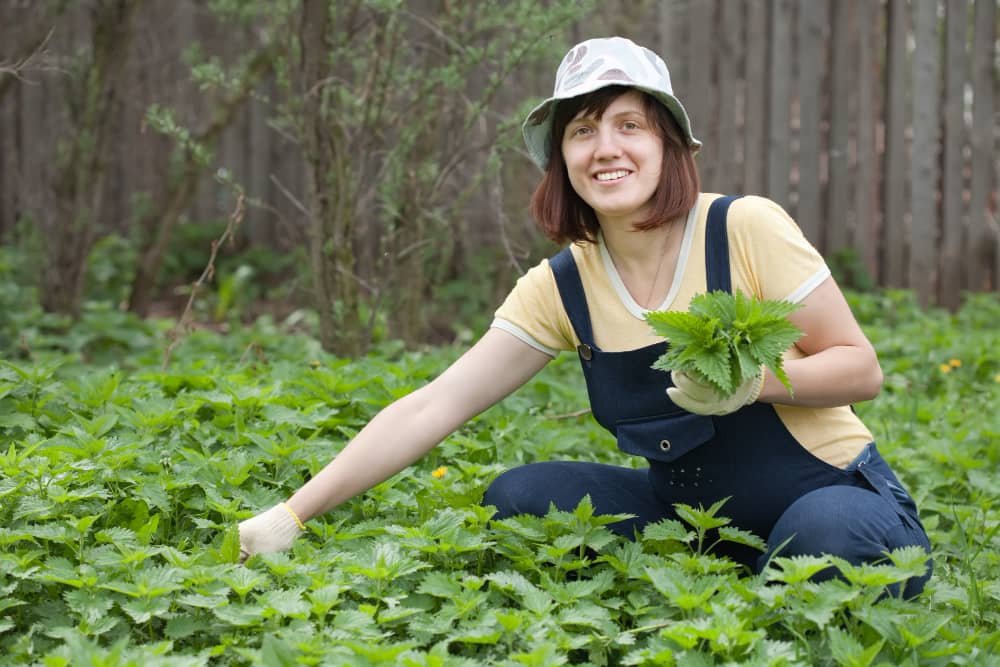
Fresh nettle plants can also cause temporary skin irritation because of the tiny stinging hairs found on their leaves and stems. Direct contact may result in redness, itching, or a burning sensation. Wearing gloves when handling fresh nettle can help prevent these reactions.
Nettle has traditionally been used for its diuretic effects, although the strength of this effect can vary by preparation. While this effect is usually not harmful, excessive consumption could contribute to dehydration if adequate fluids are not consumed throughout the day.
Possible Side Effects Of Nettle
- Mild stomach upset
- Nausea
- Bloating
- Diarrhea
- Increased urination
- Skin irritation from fresh plants
- Allergic reactions in sensitive individuals
Nettle may also interact with certain medications, including:
- Blood pressure medications
- Diabetes medications
- Blood-thinning medications
- Diuretics (water pills)
- Certain kidney-related medications
Anyone taking prescription medications or managing chronic health conditions should consult a healthcare professional before using nettle regularly as a tea, supplement, or herbal preparation.
While nettle has a long history of traditional use, it should be viewed as a supportive part of a healthy lifestyle rather than a substitute for professional medical care or treatment.
Who Should Avoid Nettle?
Although nettle is generally safe for many people, certain individuals should use caution or seek medical advice before consuming nettle regularly. Because nettle may influence fluid balance, blood pressure, and blood sugar levels, it may not be appropriate for everyone.
Pregnant Or Breastfeeding Women
There is limited research regarding the safety of nettle during pregnancy and breastfeeding. For this reason, pregnant or nursing individuals should consult their healthcare provider before using nettle products.
People Taking Blood Pressure Medications
Nettle may affect blood pressure and fluid balance. Individuals taking medications for high or low blood pressure should speak with a healthcare professional before regularly consuming nettle tea or supplements.
People Taking Diabetes Medications
Some studies suggest that nettle may influence blood sugar regulation. People with diabetes or those taking blood sugar-lowering medications should monitor their condition carefully and seek medical guidance before using nettle regularly.
Individuals Taking Blood-Thinning Medications
Nettle contains vitamin K, so people taking warfarin or other medications affected by vitamin K intake should discuss regular nettle consumption with their healthcare provider.
People With Kidney Conditions
Individuals with kidney disease or other kidney-related conditions should seek medical advice before consuming nettle regularly, particularly in supplement form.
Individuals With Plant Allergies
Although uncommon, allergic reactions to nettle can occur. Anyone with a history of plant allergies should use caution when trying nettle for the first time.
When To Consult A Healthcare Professional
You should speak with a healthcare provider before using nettle regularly if you:
- Are pregnant or breastfeeding
- Take prescription medications
- Have diabetes
- Have kidney disease
- Take blood pressure medication
- Take blood-thinning medication
- Have a history of allergic reactions to herbs or plants
For most healthy adults, nettle can be enjoyed safely in moderation as part of a balanced and healthy lifestyle.
Frequently Asked Questions
Can Nettle Really Boost Your Immune System?
Many people wonder whether nettle can help boost your immune system. While no herb can guarantee a stronger immune system or prevent illness, nettle contains vitamins, minerals, antioxidants, and beneficial plant compounds that may support normal immune function and overall wellness as part of a healthy lifestyle.
Why Is Nettle Considered Good For Immune Health?
Nettle contains nutrients such as vitamins A and C, along with antioxidants like flavonoids and polyphenols. These compounds help support cellular health and contribute to the body’s natural defense systems.
Is Nettle Tea Good For Immune Support?
Nettle tea is one of the most popular ways to consume nettle. It provides many of the beneficial compounds found in the plant while offering a caffeine-free beverage that can be enjoyed throughout the day.
Can You Drink Nettle Tea Every Day?
Many people drink nettle tea daily as part of a balanced diet and wellness routine. However, individuals with medical conditions or those taking prescription medications should consult a healthcare professional before consuming it regularly.
Does Nettle Help With Seasonal Allergies?
Some preliminary research suggests that compounds found in nettle may support the body’s normal response to environmental allergens. While promising, more research is needed to fully understand these effects.
What Is The Best Way To Take Nettle?
The best method depends on personal preference. Common options include nettle tea, capsules, extracts, tinctures, and cooked nettle leaves. Many people choose nettle tea because it is easy to prepare and naturally caffeine-free.
Is Nettle Safe For Most People?
Nettle is generally considered safe for most healthy adults when used appropriately. However, it may interact with certain medications and may not be suitable for everyone. Individuals with underlying health conditions should consult a healthcare professional before regular use.
Can You Eat Fresh Nettle Leaves?
Yes, but fresh nettle should be cooked, dried, or otherwise prepared before consumption. Proper preparation removes the stinging compounds and makes the leaves safe to eat.
Final Thoughts on Nettle and Immune Health
Nettle has earned its place in herbal traditions for good reason. Its leaves provide vitamins, minerals, antioxidants, and other plant compounds, while its versatility makes it easy to enjoy as a tea, cooked green, or herbal preparation.
That doesn’t mean nettle can prevent illness or dramatically “boost” immunity. The better-supported view is that its nutritional compounds may contribute to normal immune function and overall wellness as part of a balanced diet.
Research into nettle is still developing, particularly when it comes to immune health and seasonal allergies. For most people interested in the herb, its nutritional value and long history of culinary and traditional use are more compelling than exaggerated health claims.
If you’d like to explore it further, read our complete guide to Nettle or learn more about Nettle Tea Benefits.
References
- Grauso L, de Falco B, Lanzotti V, Motti R. Stinging nettle, Urtica dioica L.: botanical, phytochemical and pharmacological overview. Phytochemistry Reviews. 2020;19:1341–1377.
Good broad source for nettle’s traditional use, composition, nutrients, and phytochemistry. - Kregiel D, Pawlikowska E, Antolak H. Urtica spp.: Ordinary plants with extraordinary properties. Molecules. 2018;23(7):1664.
Useful general scientific source for nettle’s nutritional composition, traditional uses, phenolic compounds, and biological activity. - Paulauskienė A, Tarasevičienė Ž, Laukagalis V. Chemical Constituents of Stinging Nettle (Urtica dioica L.): A Comprehensive Review on Phenolic and Polyphenolic Compounds and Their Bioactivity. Plants. 2024;13.
Excellent newer source for your antioxidants, polyphenols, flavonoids and phytochemical composition sections. - Carvalho AR, Costa G, Figueirinha A, et al. Urtica spp.: Phenolic composition, safety, antioxidant and anti-inflammatory activities. Food Research International. 2017;99:485–494. doi:10.1016/j.foodres.2017.06.008.
Particularly useful because it directly examines phenolic composition, antioxidant activity, anti-inflammatory activity, and safety. - Mittman P. Randomized, double-blind study of freeze-dried Urtica dioica in the treatment of allergic rhinitis. Planta Medica. 1990;56(1):44–47. doi:10.1055/s-2006-960881.
This is the important human clinical study for your seasonal-allergy discussion. It included 98 participants and compared freeze-dried nettle with placebo. - Sharifi-Rad J, Quispe C, Durazzo A, et al. Urtica dioica-Derived Phytochemicals for Pharmacological and Therapeutic Applications. Evidence-Based Complementary and Alternative Medicine. 2022;2022:4024331.
Comprehensive review covering nettle phytochemicals, antioxidant and anti-inflammatory activity, traditional uses, pharmacology, and safety. Importantly, the authors also emphasize the shortage of strong in-vivo and clinical evidence—useful support for your cautious wording.