 By
By Making Healthy Choices For A Healthy Lifestyle
Living a healthy lifestyle starts with the choices you make every day. While healthy habits may seem challenging at first, even small changes can have a significant impact on your physical health, mental well-being, and overall quality of life.
From eating nutritious foods and staying physically active to getting enough sleep and managing stress, healthy choices can help reduce the risk of chronic diseases, boost energy levels, improve mood, and support long-term wellness.
The good news is that building a healthy lifestyle doesn’t require drastic changes overnight. Simple, consistent habits can lead to lasting results over time. In this guide, you’ll discover practical tips for healthy eating, exercise, stress management, and other important habits that can help you live a healthier, happier life.

Healthy Eating
Healthy eating is one of the most important pillars of a healthy lifestyle. The foods and beverages you consume provide the energy and nutrients your body needs to function properly each day. While nutrition advice can sometimes seem overwhelming, healthy eating doesn’t have to be complicated. Building a balanced diet based on whole, nutrient-rich foods can help support your overall health, energy levels, and long-term well-being.
What Is Healthy Eating?
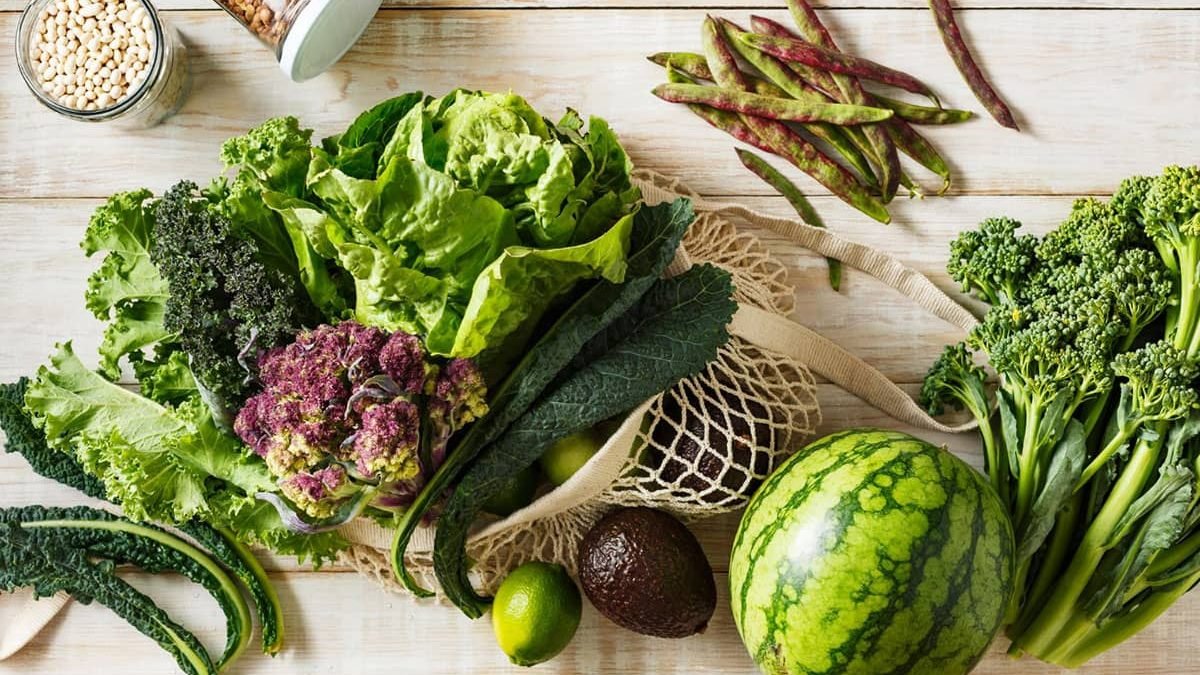
Healthy eating is one of the most important foundations of a healthy lifestyle. It involves choosing a variety of nutrient-dense foods that provide your body with the vitamins, minerals, protein, healthy fats, and carbohydrates it needs to function at its best.
Healthy eating doesn’t mean following restrictive diets or giving up all of your favorite foods. Instead, it’s about creating balanced eating habits that you can maintain over the long term. Small changes, such as eating more vegetables, choosing whole grains, reducing added sugars, and drinking more water, can have a significant impact on your overall health.
A balanced diet should include:
- Fruits and vegetables
- Whole grains
- Lean protein sources
- Healthy fats
- Plenty of water
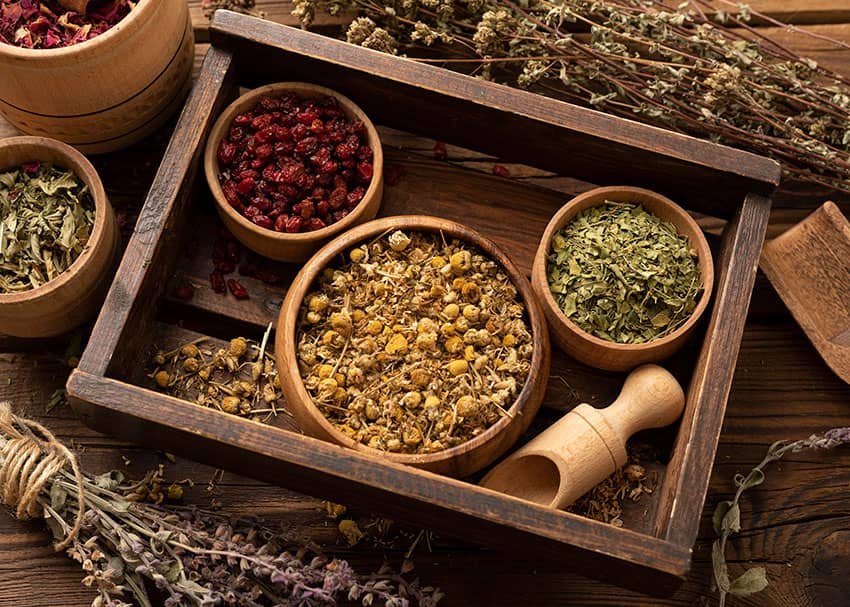
Many people also choose to incorporate herbs and herbal teas into their daily routines. Ingredients such as ginger, peppermint, chamomile, and turmeric have been traditionally used to support overall wellness and complement a healthy diet.
Nobody eats perfectly all the time, and that’s okay. The goal of healthy eating is consistency, not perfection. Making nutritious choices most of the time can help support your energy levels, immune function, digestion, and long-term health.
What Are The Benefits Of Healthy Eating?
Most people think healthy eating is only about weight management, but the benefits go much further. The foods you eat every day can influence your energy levels, mood, digestion, heart health, and overall well-being.
Supports Overall Health
A healthy diet provides essential vitamins, minerals, fiber, protein, and healthy fats that help your body perform important functions every day. Nutrient-rich foods help support healthy bones, muscles, organs, and body systems while promoting overall wellness.
May Improve Mood And Mental Well-Being
Research suggests that nutrition may play an important role in mental health. Eating a diet rich in fruits, vegetables, whole grains, and other nutrient-dense foods may help support mood, concentration, and emotional well-being.
Helps Maintain A Healthy Weight
Healthy foods are often more filling and nutritious than heavily processed alternatives. Focusing on balanced meals that include protein, fiber, and healthy fats can help control hunger and support healthy weight management over time.
Supports Heart Health
A diet rich in fruits, vegetables, whole grains, legumes, and healthy fats may help support cardiovascular health. Choosing nutritious foods while limiting excessive amounts of processed foods can contribute to a heart-healthy lifestyle.
Provides Consistent Energy
The foods you eat directly affect your energy levels. Whole foods that contain complex carbohydrates, protein, and healthy fats can provide steady energy throughout the day and help reduce sudden energy crashes.
Supports A Healthy Immune System
Many nutritious foods contain vitamins, minerals, and antioxidants that help support the body’s natural defenses. A well-balanced diet can provide important nutrients that contribute to normal immune function.
Promotes Healthy Digestion
Foods rich in fiber, such as fruits, vegetables, legumes, and whole grains, help support healthy digestion and regular bowel movements. Drinking enough water and maintaining a balanced diet also contribute to digestive health.
Healthy eating is not about perfection. Making small, sustainable improvements to your daily food choices can have a lasting positive impact on your health and help you build a healthier lifestyle for years to come.
How To Make Healthy Eating Easier
Making healthy food choices doesn’t have to be complicated. Small, practical changes can make it easier to build healthy eating habits that last. Instead of trying to completely overhaul your diet overnight, focus on making gradual improvements that fit your lifestyle.
Plan Your Meals Ahead Of Time
Meal planning can help you make healthier choices throughout the week. Having a plan in place reduces the temptation to rely on fast food or processed convenience meals when you’re busy.
Start Your Day With A Nutritious Breakfast
A balanced breakfast can help provide energy for the day ahead and may reduce the urge to snack on less nutritious foods later. Consider options that include protein, whole grains, and fruit for a well-rounded meal.
Keep Healthy Snacks Available
Having nutritious snacks readily available can help you make better choices when hunger strikes. Fresh fruit, vegetables, nuts, seeds, and yogurt are convenient options for many people.
Drink More Water
Staying hydrated is an important part of a healthy lifestyle. Sometimes thirst can be mistaken for hunger, so drinking enough water throughout the day may help support healthy eating habits.
Practice Mindful Eating
Paying attention to your meals without distractions can help you better recognize hunger and fullness cues. Eating slowly and savoring your food may also improve your overall eating experience.
Add More Fruits And Vegetables
One of the simplest ways to improve your diet is to increase your intake of fruits and vegetables. They provide important vitamins, minerals, fiber, and antioxidants that support overall health.
Cook More Meals At Home
Preparing meals at home gives you greater control over ingredients, portion sizes, and cooking methods. Even learning a few simple recipes can make healthy eating more manageable.
Healthy eating doesn’t require perfection. By making small, consistent changes over time, you can develop habits that support long-term health and wellness.

The Importance Of Regular Exercise
Regular exercise is one of the most effective ways to support a healthy lifestyle. Physical activity benefits nearly every part of the body, from the heart and lungs to the muscles, bones, and brain. Whether it’s a brisk walk, a bike ride, strength training, or a favorite sport, staying active can help improve both physical and mental well-being.
Exercise doesn’t have to involve intense workouts or hours spent at the gym. Even moderate physical activity performed consistently can provide significant health benefits. The key is finding activities you enjoy and making movement a regular part of your daily routine.
Supports Heart Health
Physical activity helps strengthen the heart and improve circulation. Regular exercise can support healthy blood pressure levels and contribute to overall cardiovascular wellness.
Helps Maintain A Healthy Weight
Exercise burns calories and helps build muscle, making it an important component of healthy weight management when combined with a balanced diet.
Improves Strength And Flexibility
Activities such as strength training, yoga, and stretching can help improve muscle strength, balance, flexibility, and mobility, which are important for everyday activities and healthy aging.
Boosts Energy Levels
Regular movement can help improve endurance and reduce feelings of fatigue. Many people find that staying active gives them more energy throughout the day.
Supports Mental Well-Being
Exercise is known to promote the release of endorphins, often referred to as “feel-good” chemicals. Physical activity may help reduce stress, improve mood, and support overall mental wellness.
Promotes Better Sleep
People who exercise regularly often experience better sleep quality. Physical activity can help regulate sleep patterns and make it easier to fall asleep and stay asleep.
How To Get Started With Exercise
Starting an exercise routine doesn’t have to be complicated. Begin with activities that match your current fitness level and gradually increase intensity as your strength and endurance improve.
Some beginner-friendly options include:
- Walking
- Cycling
- Swimming
- Light strength training
- Yoga
- Hiking
- Dancing
Setting realistic goals can help you stay motivated. Even 20 to 30 minutes of physical activity most days of the week can make a meaningful difference. The most important thing is consistency. Finding activities you genuinely enjoy will make it much easier to maintain an active lifestyle over the long term.

Stress Management
Stress is the body’s natural response to challenges, demands, or changes in life. It can be triggered by situations, events, or even thoughts that make you feel anxious, overwhelmed, or under pressure. When you perceive a threat, your nervous system responds by releasing stress hormones such as adrenaline and cortisol, preparing your body to react.
Your heart rate increases, muscles tighten, breathing becomes faster, and your senses become more alert. This “fight-or-flight” response is a normal survival mechanism that has helped humans respond to danger for thousands of years.
While short-term stress can sometimes be helpful, ongoing or chronic stress can take a toll on both physical and mental health. Over time, excessive stress may contribute to problems such as anxiety, sleep difficulties, fatigue, and other health concerns. That’s why learning how to manage stress effectively is an important part of maintaining a healthy lifestyle.
What is stress?
Stress is a normal reaction that occurs when your body and mind respond to a challenge or demand. Not all stress is harmful. In some situations, stress can help motivate you to meet deadlines, solve problems, or respond quickly in difficult situations.
However, when stress becomes constant and overwhelming, it can negatively affect your overall well-being. Chronic stress may impact mood, concentration, sleep quality, and physical health, making it important to develop healthy coping strategies.
Chronic stress can lead to problems such as anxiety, depression, sleep disorders, and heart disease. It is important to find ways to manage stress in order to maintain good health.
What Are The Symptoms of Stress?
Stress can affect people in different ways and may produce physical, mental, emotional, or behavioral symptoms.
Physical symptoms of stress include:
- Headaches
- Muscle tension
- Chest discomfort
- Rapid heartbeat
- Sweating
- Fatigue
- Digestive issues
Mental symptoms of stress include:
- Anxiety
- Excessive worry
- Restlessness
- Difficulty concentrating
- Racing thoughts
Emotional symptoms of stress include:
- Feeling overwhelmed
- Irritability
- Anger
- Mood swings
- Feeling sad or discouraged
Behavioural symptoms of stress include:
- Overeating or loss of appetite
- Difficulty sleeping
- Smoking
- Drinking alcohol
- Social withdrawal
- Avoiding situations that are stressful
How To Manage Stress Effectively
Managing stress is not about eliminating every challenge from your life but learning healthy ways to respond to them. Because everyone experiences stress differently, it’s important to find strategies that work for you.
One of the first steps is identifying the sources of stress in your life. Once you recognize what is causing stress, you can begin making changes to reduce or better manage those situations. If a stressor cannot be avoided, focus on developing healthy coping techniques.
Regular exercise is one of the most effective ways to manage stress. Physical activity releases endorphins, supports mental wellness, and can help improve mood and energy levels.
Proper nutrition is also important. Eating a balanced diet provides your body with the nutrients it needs to function properly and helps support overall well-being during stressful periods.
Healthy Habits That Can Help Reduce Stress
Simple daily habits can make a meaningful difference in how you handle stress:
- Exercise regularly
- Get enough quality sleep
- Practice deep breathing techniques
- Try meditation or mindfulness exercises
- Spend time outdoors
- Keep a journal
- Stay connected with friends and family
- Set aside time for hobbies and relaxation
- Limit excessive caffeine and alcohol consumption
Many people also find that herbal teas can be a relaxing addition to their daily routine. Herbs such as chamomile, lemon balm, and peppermint have traditionally been used to promote relaxation and support overall wellness.
Finally, remember to make time for yourself each day. Whether it’s reading a book, taking a walk, gardening, or simply enjoying a quiet moment, regular self-care can help reduce stress and improve your overall quality of life.
The Importance Of Quality Sleep
Sleep is often overlooked, but it is one of the most important pillars of a healthy lifestyle. Just like proper nutrition and regular exercise, getting enough quality sleep is essential for physical health, mental well-being, and overall wellness.
During sleep, the body performs many important functions, including repairing tissues, supporting immune function, regulating hormones, and consolidating memories. Consistently getting enough rest can help improve energy levels, concentration, mood, and productivity throughout the day.
Unfortunately, many people do not get the recommended amount of sleep, which can negatively affect both short-term and long-term health.
Why Sleep Matters
Quality sleep plays a vital role in maintaining overall health. Some of the benefits of getting enough sleep include:
- Improved concentration and focus
- Better mood and emotional well-being
- Increased energy levels
- Stronger immune function
- Support for healthy weight management
- Improved physical recovery
- Better overall quality of life
How Much Sleep Do You Need?
Sleep needs vary by age, but most adults should aim for:
- Adults: 7–9 hours per night
- Teenagers: 8–10 hours per night
- School-age children: 9–12 hours per night
Getting less sleep than recommended on a regular basis can lead to fatigue, difficulty concentrating, irritability, and reduced productivity.
Signs You May Not Be Getting Enough Sleep
Common signs of insufficient sleep include:
- Feeling tired during the day
- Difficulty concentrating
- Mood changes or irritability
- Frequent yawning
- Low energy levels
- Increased stress levels
- Reduced motivation
Tips For Better Sleep
Improving sleep quality often starts with healthy daily habits. Consider these simple strategies:
- Maintain a consistent sleep schedule
- Create a relaxing bedtime routine
- Limit screen time before bed
- Keep your bedroom cool, dark, and quiet
- Avoid large meals close to bedtime
- Limit caffeine later in the day
- Exercise regularly
Natural Ways To Support Relaxation Before Bed
Many people find that relaxation techniques such as reading, meditation, deep breathing, or drinking a calming herbal tea can help prepare the body for sleep. You may also enjoy our guide to Herbal Teas For Relaxation for additional ideas.
Herbs such as chamomile, lemon balm, lavender, and peppermint have traditionally been used as part of evening relaxation routines. Learn more about the potential wellness benefits in our guide to Chamomile Tea Benefits. While herbal teas are not a substitute for healthy sleep habits, they can be a comforting addition to a bedtime routine.
Making sleep a priority can have a powerful impact on your overall health and help support a healthy lifestyle for years to come. For more natural wellness tips, explore our guide to Natural Herbs That Can Help With Everyday Ailments.
Healthy Lifestyle Habits That Take Less Than 10 Minutes A Day
Many people assume that living a healthy lifestyle requires major changes or hours of extra time each day. In reality, small habits performed consistently can have a significant impact on your overall health and well-being.
If you’re short on time, consider adding some of these simple habits to your daily routine.
Start Your Day With A Glass Of Water
Drinking water first thing in the morning can help you stay hydrated after a night’s sleep and encourage healthy hydration habits throughout the day.
Take A Short Walk
Even a 10-minute walk can help increase physical activity, boost energy levels, and provide a mental break from daily responsibilities.
Practice Deep Breathing
Spending a few minutes focusing on slow, deep breaths may help reduce stress and promote relaxation during busy days.
Stretch Your Muscles
Gentle stretching can improve flexibility, reduce muscle tension, and help your body feel more comfortable after long periods of sitting.
Eat A Piece Of Fruit
Adding an extra serving of fruit to your day is an easy way to increase your intake of vitamins, minerals, fiber, and antioxidants.
Spend Time Outdoors
Fresh air and natural surroundings can provide a welcome break from screens and daily stress while encouraging movement and relaxation.
Practice Gratitude
Taking a few moments each day to reflect on positive experiences can help promote a more positive mindset and improve overall well-being.
Prepare For Tomorrow
Spending a few minutes planning meals, scheduling exercise, or organizing your day can make it easier to maintain healthy habits and reduce stress.
Small actions may not seem important on their own, but when repeated consistently, they can contribute to meaningful improvements in your health and help support a healthy lifestyle over the long term.
How Herbs Can Support A Healthy Lifestyle
Herbs have been used for centuries in traditional wellness practices and remain a popular part of many healthy lifestyles today. While herbs are not a substitute for a balanced diet, regular exercise, quality sleep, or professional medical care, many people enjoy incorporating them into their daily routines as part of an overall approach to wellness.
Herbs can be consumed in a variety of forms, including teas, tinctures, capsules, extracts, and culinary preparations. Different herbs have traditionally been used for different purposes, making them a versatile addition to a healthy lifestyle.
Chamomile
Chamomile is one of the most popular herbal teas in the world. It has traditionally been used as part of relaxation and bedtime routines and is often enjoyed as a soothing evening beverage. Learn more in our guide to Chamomile Tea Benefits.
Peppermint
Peppermint is well known for its refreshing flavor and aroma. It is commonly used in teas and has been traditionally enjoyed to support digestive comfort and overall wellness.
Lemon Balm
Lemon balm is a member of the mint family and has been used in traditional herbal practices for centuries. Its pleasant citrus-like flavor makes it a popular ingredient in herbal teas and relaxation blends.
If you’re interested in growing your own herbs, check out our guide on Growing Lemon Balm For Tea to learn how this popular herb can be cultivated at home.
Ginger
Ginger is a versatile herb and spice that has been used in culinary and wellness traditions around the world. Many people enjoy ginger tea as part of their daily wellness routine.
Turmeric
Turmeric is a popular culinary spice that has been used in traditional wellness practices for centuries. It is commonly added to teas, soups, curries, and wellness beverages.
Nettle
Nettle has a long history of traditional use and is commonly consumed as a herbal tea. It remains one of the most popular herbs used in traditional herbal wellness practices. It is rich in naturally occurring nutrients and remains a popular herb among wellness enthusiasts.
Discover more in our guide to Nettle Tea Benefits.
Using Herbs As Part Of A Healthy Lifestyle
The best approach to wellness is a balanced one. Herbs can complement healthy habits such as nutritious eating, regular physical activity, adequate sleep, and stress management. When combined with these foundational lifestyle practices, herbs may become a valuable part of your overall wellness routine.
As with any supplement or herbal product, it’s important to speak with a qualified healthcare professional if you have concerns, are pregnant, nursing, taking medications, or have an existing medical condition.
For additional ideas, explore Natural Herbs That Can Help With Everyday Ailments.
Healthy Lifestyle Checklist
Building a healthy lifestyle doesn’t require perfection. Small, consistent habits practiced every day can make a meaningful difference over time. Use this simple checklist as a reminder of the key habits that support long-term health and wellness.
Daily Healthy Lifestyle Checklist
✓ Drink enough water throughout the day
✓ Eat a variety of fruits and vegetables
✓ Include protein with your meals
✓ Choose whole foods whenever possible
✓ Stay physically active
✓ Spend some time outdoors
✓ Practice stress management techniques
✓ Take breaks from screens when needed
✓ Get adequate sleep
✓ Make time for activities you enjoy
✓ Connect with friends and family
✓ Practice gratitude or mindfulness
Weekly Healthy Lifestyle Goals
✓ Complete several sessions of exercise or physical activity
✓ Prepare healthy meals in advance
✓ Spend time on a hobby or relaxing activity
✓ Review your progress and healthy habits
✓ Learn something new about health and wellness
✓ Schedule preventive healthcare appointments when needed
Remember Progress Matters More Than Perfection
Creating a healthy lifestyle is a journey, not a destination. There will be days when things don’t go as planned, and that’s perfectly normal. The goal is to make positive choices consistently over time rather than striving for perfection.
By focusing on small improvements and sustainable habits, you can build a lifestyle that supports better physical health, mental well-being, and overall quality of life for years to come.
Frequently Asked Questions
What Are The Main Components Of A Healthy Lifestyle?
A healthy lifestyle is built on several key habits, including healthy eating, regular exercise, quality sleep, stress management, proper hydration, and preventive healthcare. Maintaining strong social connections and making time for self-care can also contribute to overall well-being.
How Can I Start Living A Healthier Lifestyle?
The best approach is to start with small, manageable changes. Focus on adding more nutritious foods to your diet, becoming more physically active, improving your sleep habits, and finding healthy ways to manage stress. Consistent progress over time often leads to lasting results.
What Foods Should I Eat More Often?
Most healthy eating plans encourage consuming a variety of fruits, vegetables, whole grains, lean proteins, legumes, nuts, seeds, and healthy fats. These foods provide essential nutrients that support overall health and wellness.
How Much Exercise Do Adults Need Each Week?
According to general health recommendations, most adults should aim for at least 150 minutes of moderate-intensity physical activity each week, along with muscle-strengthening activities on two or more days per week. Always choose activities that are appropriate for your fitness level and health condition.
Why Is Sleep Important For Overall Health?
Sleep plays a critical role in physical recovery, immune function, mental well-being, memory, and energy levels. Consistently getting enough quality sleep can help support many aspects of overall health and daily performance.
Can Herbal Teas Be Part Of A Healthy Lifestyle?
Yes, many people enjoy herbal teas as part of a balanced lifestyle. Herbal teas can be a flavorful way to stay hydrated and may complement healthy habits such as relaxation, stress management, and mindful self-care. Popular options include chamomile, peppermint, lemon balm, ginger, and nettle tea.
Final Thoughts On Building A Healthy Lifestyle
Living a healthy lifestyle is not about following strict rules or making perfect choices every day. Instead, it’s about creating sustainable habits that support your physical health, mental well-being, and overall quality of life.
Healthy eating, regular exercise, quality sleep, and effective stress management all work together to help you feel your best. Even small improvements in your daily routine can add up over time and contribute to long-term wellness.
Herbs and herbal teas can also complement a healthy lifestyle when used as part of a balanced approach to wellness. Whether you’re enjoying a cup of chamomile tea before bed, drinking peppermint tea after a meal, or exploring other traditional herbs, these simple habits can become part of your daily self-care routine.
Remember that lasting change happens gradually. Focus on making positive choices consistently, celebrate your progress, and continue learning about ways to support your health naturally. For more wellness inspiration, be sure to explore our guide to Natural Herbs That Can Help With Everyday Ailments.