 By
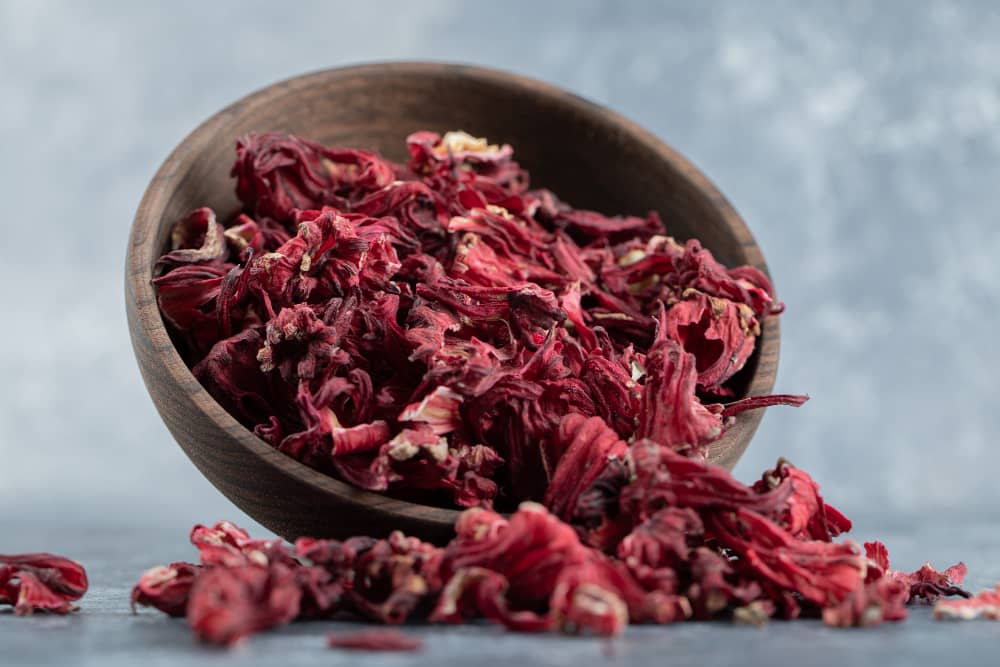
By Hibiscus benefits go far beyond the plant’s beautiful flowers. Hibiscus sabdariffa, also known as roselle, produces deep-red calyces that are commonly dried and brewed into a tart, refreshing herbal tea. They’re also used in jams, syrups, sauces, and traditional drinks around the world.
Hibiscus is naturally caffeine-free and contains plant compounds such as anthocyanins and other polyphenols. Research has focused particularly on its antioxidant compounds and potential effects on blood pressure and other cardiometabolic markers, although not every traditional use has strong clinical evidence behind it.
Roselle can also be grown at home if you have enough warmth, sunshine, and a long growing season. Depending on the variety and climate, it can add spectacular color to the garden or provide roselle calyces that you can harvest and dry at home.
In this guide, we’ll look at the potential health benefits of hibiscus, what the research actually says, how to make hibiscus tea, possible side effects, and how to grow and harvest the plant.
What Is Hibiscus?
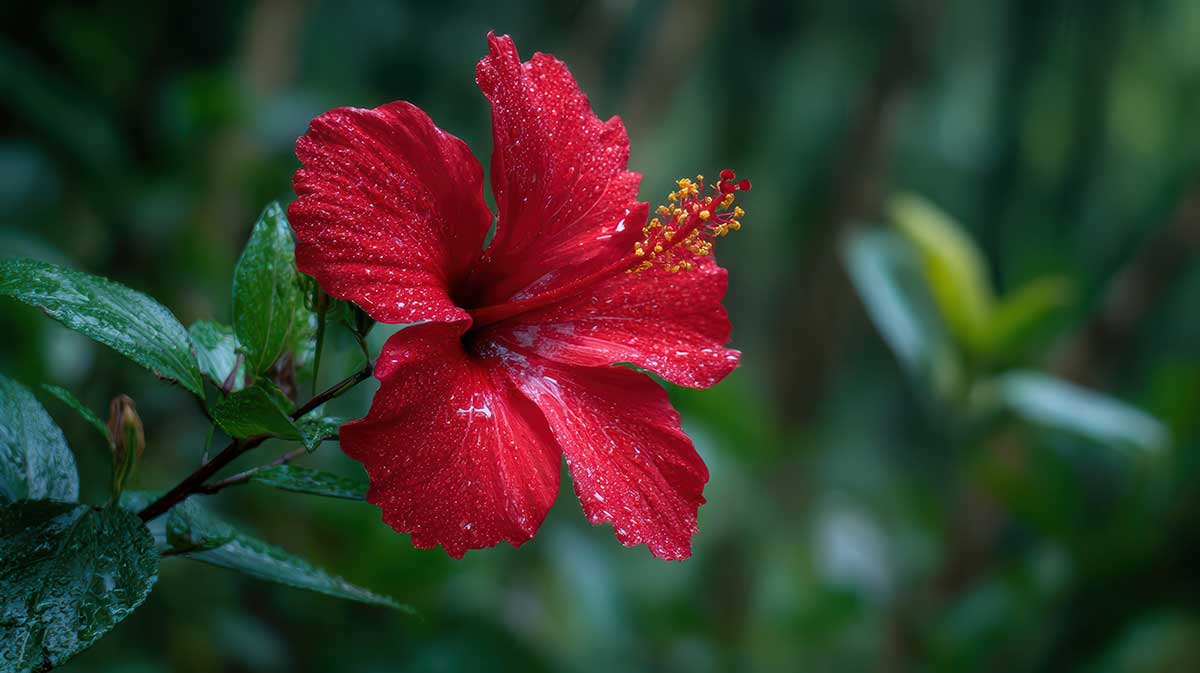
Hibiscus is a genus of flowering plants in the mallow family (Malvaceae), best known for its large, colorful flowers. Different species grow in tropical, subtropical, and temperate regions, and while many are cultivated as ornamentals, some have important culinary and traditional uses.
The species most closely associated with hibiscus tea is Hibiscus sabdariffa, commonly called roselle or red sorrel. The part typically used for tea isn’t actually the flower itself. It’s the fleshy red calyx that develops around the seed pod after the flower fades. These calyces can be used fresh or dried to make tea, syrups, jams, sauces, and other foods.
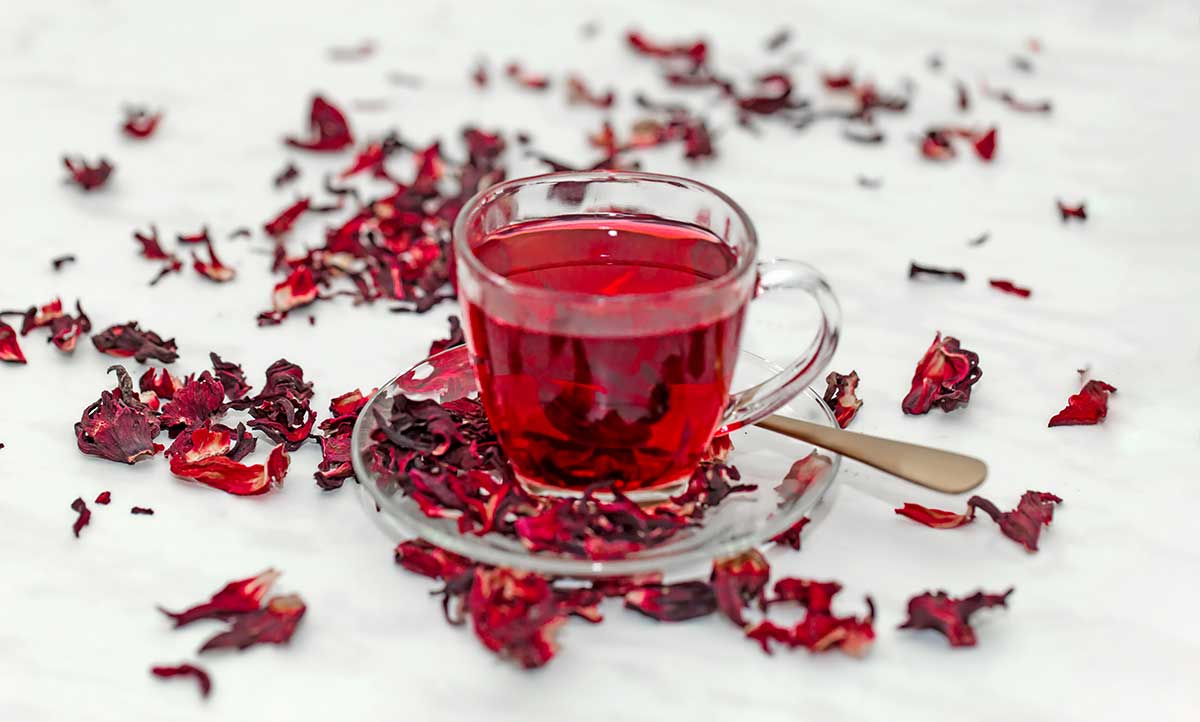
When brewed, dried roselle produces a deep ruby-red drink with a distinctly tart, fruity flavor often compared to cranberry.
Hibiscus drinks have become part of food traditions around the world. In Mexico, you’ll find agua de Jamaica; in Egypt and Sudan, karkadé; in parts of West Africa, bissap; and throughout the Caribbean, variations of sorrel drink.
One important distinction is that not every hibiscus growing in a garden is the same plant used for hibiscus tea. Ornamental species such as tropical hibiscus (Hibiscus rosa-sinensis) are grown mainly for their flowers, while Hibiscus sabdariffa is the species most commonly cultivated for its edible calyces.
Hibiscus Quick Facts
| Feature | Details |
|---|---|
| Botanical name | Hibiscus sabdariffa |
| Plant family | Malvaceae (mallow family) |
| Common names | Roselle, red sorrel, hibiscus |
| Plant type | Warm-season annual or perennial shrub, depending on climate |
| Part commonly used | Fleshy red calyces |
| Flavor | Tart and fruity, similar to cranberry |
| Main uses | Tea, cold drinks, jams, syrups, sauces |
| Key plant compounds | Anthocyanins, polyphenols and organic acids |
| Caffeine | Naturally caffeine-free |
| Growing conditions | Warm weather and full sun |
| Harvest | Calyces are harvested after the flowers fade |
History and Traditional Uses of Hibiscus
Hibiscus sabdariffa, or roselle, has a long history as both a food plant and a traditional herb. Its exact origin is uncertain, although it has deep roots in Africa and has been cultivated for generations across tropical and subtropical regions. Over time, roselle became part of food and drink traditions in the Middle East, Asia, the Caribbean, and the Americas.
Much of that history revolves around the plant’s fleshy red calyces. Their naturally tart flavor makes them especially well suited to drinks, preserves, syrups, and sauces. In West Africa, roselle is famously prepared as bissap, while karkadé is popular in Egypt and Sudan. Mexico’s chilled agua de Jamaica is another familiar version, and spiced sorrel is closely associated with Christmas celebrations in parts of the Caribbean.
Hibiscus also has a history of use in traditional wellness practices. Depending on the region, preparations made from the plant have been used for digestion, cooling refreshments, and general well-being. These traditional uses are interesting, but they shouldn’t automatically be treated as proven hibiscus benefits. Modern research has investigated some of these traditional uses, although the strength of the evidence varies considerably from one claim to another.
If you’d like to explore other plants with a history of traditional use, see our guide to natural herbs that can help with everyday ailments.
Other hibiscus species have their own traditions. In parts of South Asia, for example, hibiscus flowers and leaves have long been incorporated into preparations for the hair and skin. This use should not be confused with drinking roselle tea, since different hibiscus species and different parts of the plant may be involved.
Interesting Facts About Hibiscus
Hibiscus has some interesting cultural and botanical connections beyond its use as a tea.
Hibiscus tea isn’t usually made from the flower petals. The familiar red tea made from Hibiscus sabdariffa primarily uses the fleshy calyces that surround the developing seed pods after the flowers fade.
One hibiscus species is South Korea’s national flower. Hibiscus syriacus, commonly called rose of Sharon or mugunghwa, is South Korea’s national flower and has an important place in the country’s national symbolism.
Malaysia also has a national hibiscus. The tropical Hibiscus rosa-sinensis, known locally as Bunga Raya, is Malaysia’s national flower.
Different hibiscus species can look surprisingly different. The genus includes tropical shrubs, cold-hardy perennials, woody plants such as rose of Sharon, and roselle—the species most commonly grown for hibiscus tea.
Hibiscus Nutrition and Active Plant Compounds
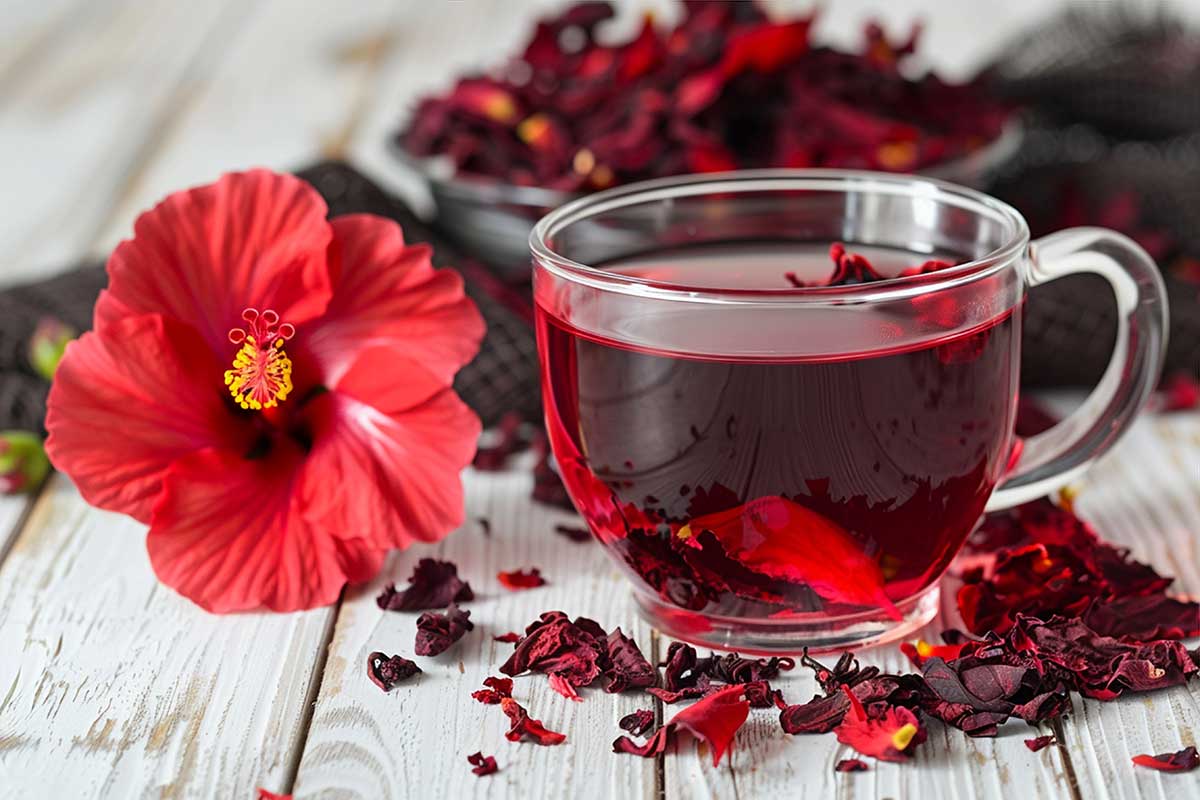
The deep red color of Hibiscus sabdariffa comes partly from its high concentration of anthocyanin pigments. Roselle calyces also contain other polyphenols and organic acids that contribute to their color, flavor, and chemical profile.
Anthocyanins and Other Polyphenols
Anthocyanins are pigments responsible for the red, purple, and blue colors found in many plants. In roselle, compounds such as delphinidin and cyanidin derivatives contribute to the rich red color of the calyces.
These compounds have antioxidant activity and are one reason researchers have become interested in the potential health effects of roselle.
Hibiscus contains other polyphenols as well, including various flavonoids and phenolic acids. However, finding an antioxidant in a plant doesn’t automatically mean that drinking its tea will prevent disease. Human clinical research is needed to determine whether these compounds produce meaningful health effects.
Organic Acids
Hibiscus also contains several organic acids, including hibiscus acid, citric acid, and malic acid. These are largely responsible for the sharp, refreshing flavor that makes hibiscus tea taste somewhat like cranberry.
The concentration of these compounds can vary depending on the variety, growing conditions, processing, and how the tea is prepared.
What About Vitamin C and Minerals?
Fresh roselle calyces can provide vitamin C and small amounts of minerals, but their levels can change considerably during drying, storage, and brewing. For that reason, it’s better to think of hibiscus tea primarily as a source of plant compounds rather than a significant source of essential vitamins or minerals.
Other familiar herbs contain interesting plant compounds too. Basil, for example, provides a different mix of aromatic and phenolic compounds and has a long history of culinary use.
Is Hibiscus Tea Healthy?
Plain hibiscus tea is naturally caffeine-free and low in calories when served without added sugar. That alone can make it a useful alternative to soda, sweet tea, and other sugary drinks.
Hibiscus also contains polyphenols, but antioxidant content alone doesn’t prove a health benefit. To understand what hibiscus may actually do in the body, we need to look at human clinical research.
Potential Health Benefits of Hibiscus
Research into hibiscus benefits has focused primarily on Hibiscus sabdariffa, the species used to make roselle tea. Its anthocyanins, organic acids, and other polyphenols have attracted scientific interest, but the evidence isn’t equally strong for every health claim associated with the plant.
The most convincing human research involves blood pressure. Other areas, including cholesterol, blood sugar, body weight, and liver health, have been studied, but the findings are less consistent.
1. May Help Lower Blood Pressure
Blood pressure is one of the best-studied potential benefits of hibiscus.
Clinical trials have found that consuming Hibiscus sabdariffa tea or extracts can reduce blood pressure in some adults with elevated blood pressure. In one randomized controlled trial, adults with prehypertension or mild hypertension drank hibiscus tea three times daily for six weeks and experienced a greater reduction in systolic blood pressure than those who drank a placebo beverage.
Systematic reviews and meta-analyses have also reported reductions in blood pressure, although more well-designed trials are still needed.
This doesn’t mean hibiscus tea should replace treatment for hypertension. If you take medication for high blood pressure, check with your healthcare professional before using hibiscus regularly or taking concentrated hibiscus extracts.
2. Provides Antioxidant Plant Compounds
Roselle calyces contain anthocyanins and other polyphenols with antioxidant activity. Laboratory research clearly demonstrates these properties, but that doesn’t mean drinking hibiscus tea has been proven to prevent disease or slow aging.
Human studies are more useful for determining whether these compounds translate into meaningful health effects.
3. May Affect Cholesterol and Triglycerides
Hibiscus has also been studied for its possible effects on blood lipids, including LDL cholesterol and triglycerides.
The evidence here is mixed. A broader systematic review of hibiscus and cardiometabolic markers found some favorable effects, including a modest reduction in LDL cholesterol, but results varied across studies. Some clinical studies have reported improvements in certain lipid measurements, while others have found little or no meaningful difference.
For now, hibiscus shouldn’t be considered a proven treatment for high cholesterol.
4. May Influence Blood Sugar
A smaller body of research has examined hibiscus and glucose metabolism. Some studies have reported changes in fasting blood glucose or other metabolic markers, particularly among people with metabolic conditions.
However, the results aren’t consistent enough to recommend hibiscus as a way to control diabetes or high blood sugar.
Because hibiscus may affect glucose metabolism, people taking diabetes medication should discuss regular use or concentrated hibiscus products with a healthcare professional.
5. What About Weight Loss and Liver Health?
You’ll often see hibiscus promoted for weight loss, fat burning, or liver detoxification, but those claims go beyond what current research can confidently support.
A few small human studies have investigated hibiscus extracts in relation to body weight, body fat, and markers of liver health. Laboratory and animal research has explored these areas as well. The findings are interesting, but they’re not enough to show that drinking hibiscus tea produces meaningful weight loss or “detoxes” the liver.
Hibiscus tea can still have a practical place in a lower-calorie diet: unsweetened hibiscus tea can replace higher-calorie sugary drinks. That’s useful, but it isn’t evidence that hibiscus itself burns fat.
What Does the Evidence Actually Support?
Among the many health claims surrounding hibiscus, blood pressure has some of the strongest human evidence behind it. Its antioxidant compounds are well documented, while research involving cholesterol, blood sugar, weight, and liver health is less conclusive.
Hibiscus can be an enjoyable part of a balanced diet, but it isn’t a cure-all. Drinking a cup of hibiscus tea is also very different from using a concentrated extract to try to treat a medical condition.
How to Make Hibiscus Tea
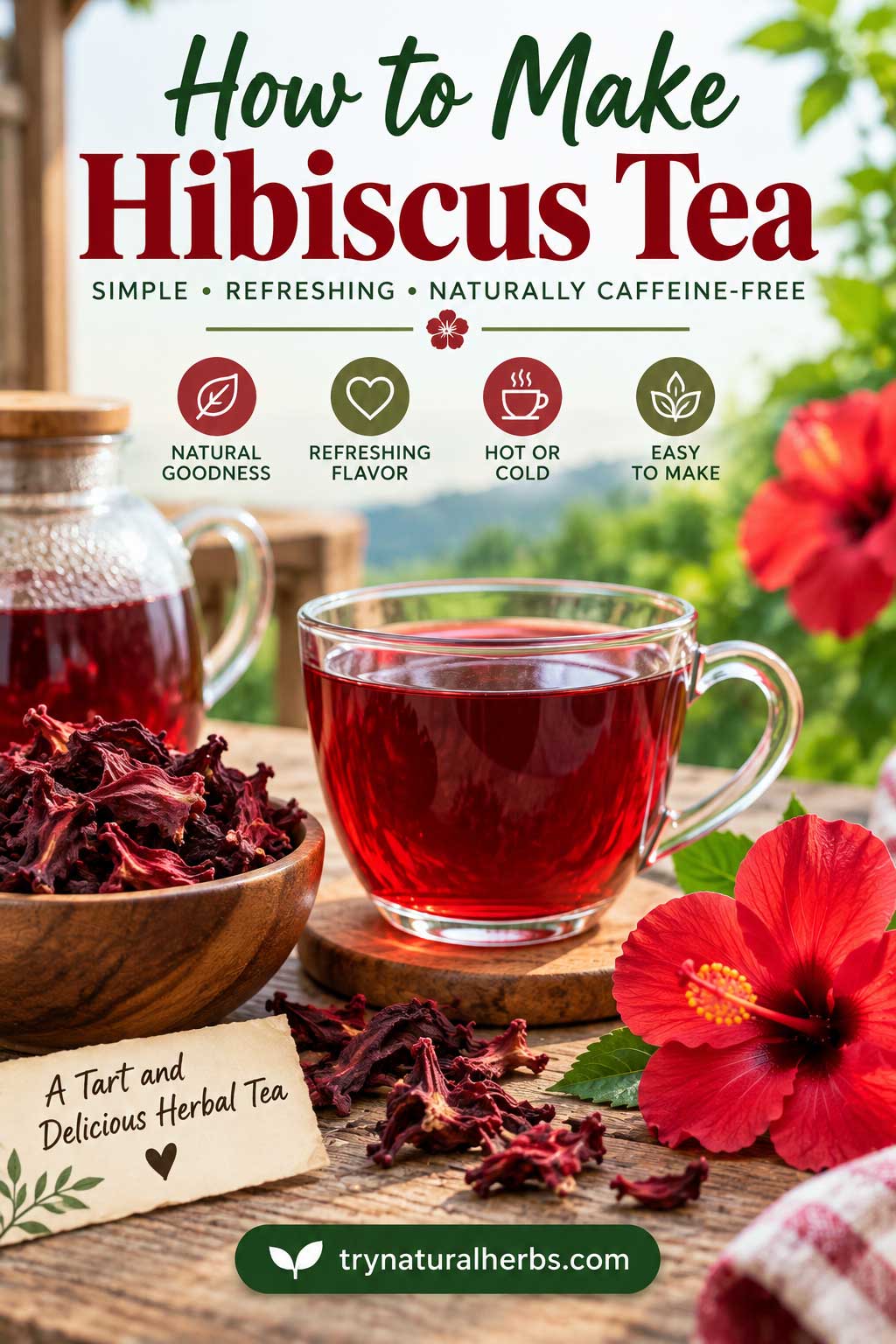
Making hibiscus tea at home is simple. The dried calyces of Hibiscus sabdariffa produce a deep ruby-red infusion with a tart, fruity flavor often compared to cranberry. Hibiscus tea is naturally caffeine-free and tastes good both hot and cold.
Simple Hibiscus Tea Recipe
Ingredients
- 2 tablespoons dried hibiscus calyces
- 2 cups water
- Honey or another sweetener, optional
- Lemon, lime, or fresh mint, optional
Instructions
- Bring the water to a boil, then remove it from the heat.
- Add the dried hibiscus and cover.
- Steep for 5–10 minutes, depending on how strong and tart you like it.
- Strain into a cup or heat-safe pitcher.
- Taste before adding sweetener, then add lemon, lime, or mint if you like.
Serve immediately for hot hibiscus tea, or let it cool and pour it over ice.
How to Make Iced Hibiscus Tea
For a larger batch, use about 4 tablespoons of dried hibiscus for 4 cups of water. Brew it using the same method, let it cool, and refrigerate until chilled.
Try adding fresh lime and mint before serving. Ginger also works particularly well with hibiscus’s tart flavor.
For a lighter summer drink, combine chilled hibiscus tea with sparkling water just before serving.
Can You Cold-Brew Hibiscus?
Yes. Add dried hibiscus to cold water and leave it covered in the refrigerator overnight, then strain.
Cold brewing produces a slightly different flavor from hot steeping, so it’s worth trying both methods to see which you prefer.
Easy Flavor Combinations
Hibiscus pairs especially well with ginger, cinnamon, citrus, mint, and berries. You can also add cloves or orange peel for a warmer, spiced version.
If you want sweetness, add a little honey or another sweetener after brewing. Hibiscus is naturally quite tart, so start with a small amount and adjust after tasting.
Hibiscus Tea Brewing Tips
Don’t simmer dried hibiscus for a long time unless a particular recipe calls for it. A simple steep is usually enough to produce a strongly flavored tea.
You can also freeze leftover hibiscus tea in an ice-cube tray and use the cubes in your next glass. This keeps iced tea cold without gradually watering it down.
Store dried roselle calyces in a sealed container away from moisture, heat, and direct sunlight. Proper storage helps preserve their color and flavor between batches.
Other Uses of Hibiscus
Tea may be the best-known use for Hibiscus sabdariffa, but roselle calyces are surprisingly versatile in the kitchen. Their tart flavor works in many of the same places you might use cranberry, sour cherry, or another tangy fruit.
Cooking With Roselle
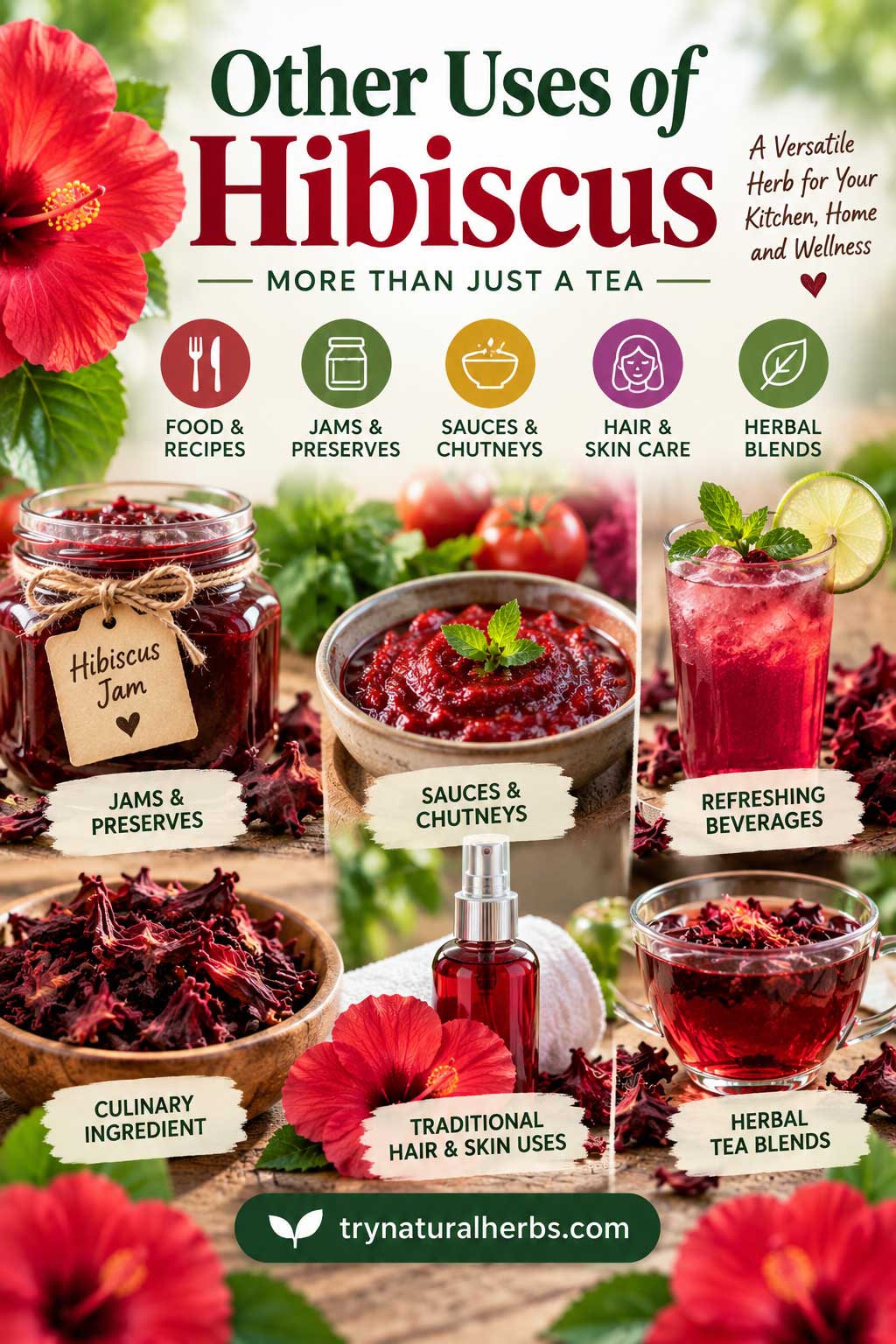
Fresh or dried roselle calyces can be used to make jams, jellies, syrups, sauces, chutneys, frozen desserts, and refreshing drinks. Their deep red pigments also give foods and beverages a naturally vivid color.
The tartness also makes it useful in savory recipes, where it can add acidity to sauces and chutneys.
For another herb that’s especially useful in savory cooking, explore our guide to marjoram and its traditional uses.
The softened calyces left after brewing don’t necessarily have to go to waste. Depending on the recipe, they can be reused in jams, sauces, or baked goods.
Hibiscus in Herbal Tea Blends
The sharp flavor of hibiscus also makes it useful for balancing sweeter or more aromatic herbs. It pairs particularly well with ginger, mint, rose hips, lemon balm, lemongrass, and citrus peel.
If you prefer a cooler, sweeter herbal flavor, spearmint is another useful herb for homemade tea blends.
Traditional Hair and Skin Uses
Hibiscus flowers and leaves have a history of use in traditional hair and skin preparations, particularly in South Asia. Depending on the tradition, they’re incorporated into hair oils, rinses, masks, and other topical preparations.
These uses may involve hibiscus species and plant parts other than the roselle calyces used for tea, and many cosmetic claims surrounding hibiscus haven’t been well studied in clinical research.
Choosing Dried Hibiscus for Tea and Cooking
When buying dried roselle, look for calyces with a deep red color and clean, pleasantly tart aroma. Avoid products that appear damp, have an unusual odor, or show signs of mold.
Check the ingredient label as well. If you’re buying hibiscus specifically for tea or cooking, a package containing simply Hibiscus sabdariffa without added flavors, colors, or sweeteners gives you the most flexibility.
Keep dried calyces tightly sealed and protected from heat, moisture, and direct sunlight once you bring them home.
Hibiscus Side Effects and Safety
Hibiscus is widely consumed as a food and herbal tea, but that doesn’t mean every hibiscus product is appropriate for everyone. Most safety research has focused on Hibiscus sabdariffa, and drinking an occasional cup of tea is also different from taking a concentrated extract or supplement.
Possible Side Effects
Hibiscus tea is generally well tolerated, although side effects have been reported in some studies. Their type and frequency can vary depending on the preparation and dose.
Concentrated extracts shouldn’t automatically be assumed to have the same safety profile as a normally brewed cup of tea.
Blood Pressure and Medications
Clinical research suggests that Hibiscus sabdariffa can lower blood pressure in some people. That potential benefit also creates an important safety consideration.
If you already have low blood pressure or take medication for hypertension, talk with your healthcare professional before using hibiscus regularly or taking concentrated hibiscus products.
Hibiscus has also been studied for possible effects on blood glucose. Evidence is less established, but people taking medication for diabetes should discuss regular or supplemental hibiscus use with their healthcare professional.
Other Potential Drug Interactions
Herbs can affect the way some medicines work, and hibiscus is no exception. One notable interaction involves chloroquine, an antimalarial medication. Research has suggested that a hibiscus beverage may reduce chloroquine exposure in the body.
If you take prescription medication and plan to use hibiscus regularly or in concentrated form, ask your pharmacist or healthcare professional about possible interactions.
Pregnancy and Breastfeeding
There isn’t enough reliable human evidence to establish the safety of medicinal amounts of hibiscus during pregnancy or breastfeeding.
Because of that uncertainty, concentrated hibiscus products and regular medicinal use should be discussed with a healthcare professional rather than assumed to be safe.
Allergic Reactions
As with almost any plant food, an allergic reaction is possible. Stop using the product and seek appropriate medical care if you develop signs of a serious allergic reaction, such as difficulty breathing or swelling of the mouth, tongue, or throat.
How Much Hibiscus Tea Can You Drink?
There is no universally established recommended daily amount of hibiscus tea. Clinical studies have used different preparations and concentrations, so their results can’t easily be converted into a single number of cups for everyone.
A traditionally brewed tea is also quite different from a concentrated hibiscus extract or supplement, which may provide substantially larger amounts of plant compounds.
In general, drinking hibiscus as a beverage isn’t the same as using a concentrated product for a therapeutic purpose.
How to Grow Hibiscus
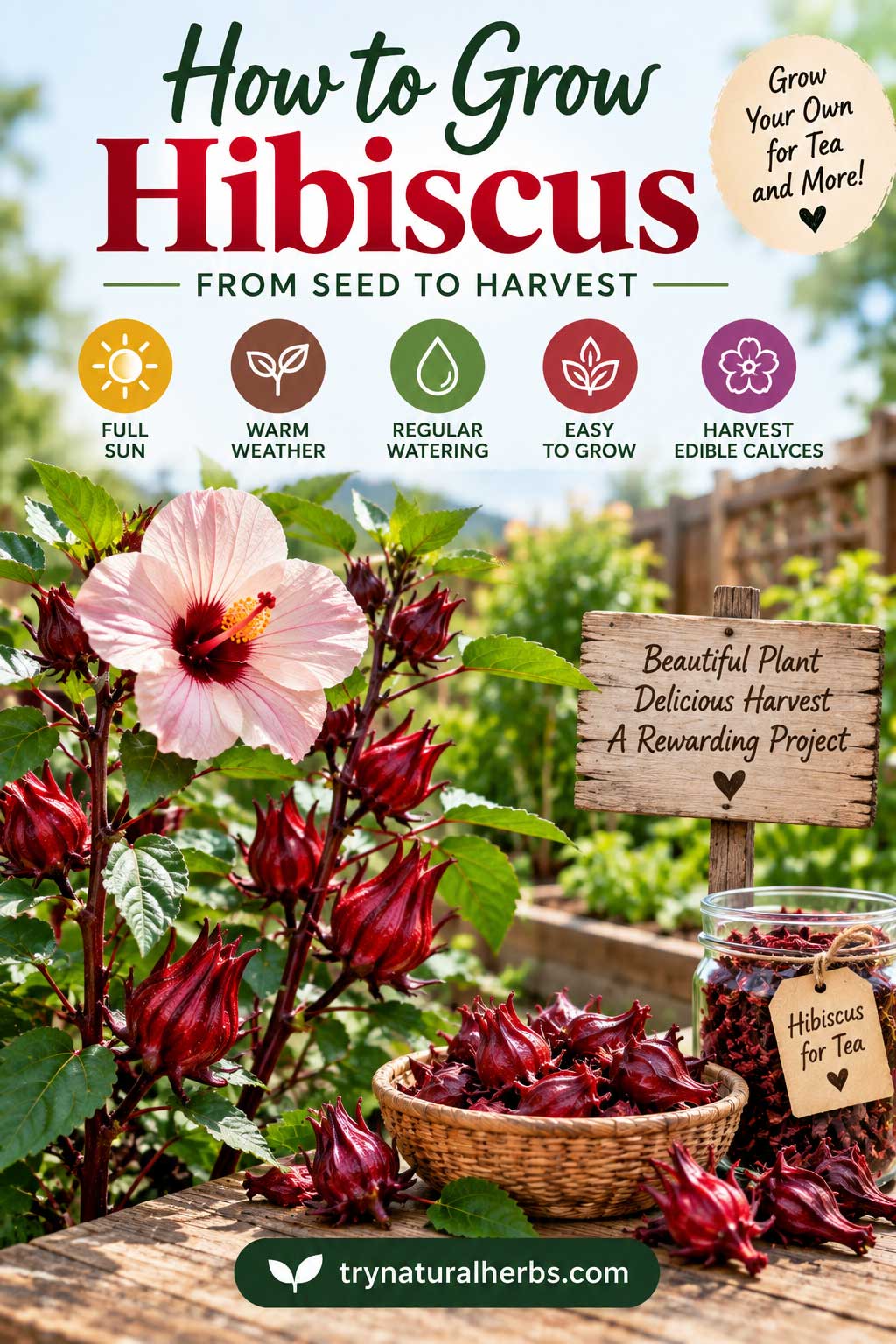
If you’re growing hibiscus specifically for tea, start with the right species: Hibiscus sabdariffa, or roselle. This is different from the tropical and hardy hibiscus varieties commonly sold for their ornamental flowers.
Roselle loves sun, warmth, and a long growing season. In warm climates it can become a large, vigorous plant, while gardeners in colder regions can grow it as an annual.
Starting Roselle From Seed
Roselle can be grown from seed, and gardeners with short summers may benefit from starting plants indoors before the last frost.
Seeds can be sown in a moist seed-starting mix and kept somewhere warm while they germinate. Once the seedlings are established and outdoor temperatures have warmed, gradually acclimate them to outdoor conditions before transplanting.
Don’t rush them outside. Roselle is a warm-weather plant and doesn’t tolerate frost.
Sun and Soil
Plant roselle in full sun, where it will receive the warmth it needs for strong growth and later flower and calyx development.
The soil should drain well while still holding enough moisture to prevent the plant from drying out constantly. Adding compost before planting can improve both soil structure and fertility.
Avoid locations where water regularly collects after rain.
Watering and Feeding
Water roselle deeply when the soil begins to dry, but avoid leaving the root zone waterlogged. Newly planted seedlings need closer attention until they’re established, and plants growing in containers generally dry out faster than those in the ground.
Compost or a suitable garden fertilizer can support growth, but more fertilizer isn’t necessarily better. Excessive feeding—particularly with nitrogen—can encourage lots of leafy growth.
Growing Roselle in Containers
Roselle can be grown in a container, but don’t underestimate its eventual size. Give the plant a large pot with good drainage and enough room for its roots to develop.
Container plants may need frequent watering during hot weather. Place the pot where the plant receives plenty of direct sunlight.
In a short-season climate, containers have one advantage: plants can sometimes be moved to a protected location when temperatures begin dropping in fall.
Common Pests and Problems
Aphids, whiteflies, spider mites, and other common garden pests may occasionally appear on roselle. Check the undersides of leaves regularly so you can spot a problem before it becomes severe.
Yellowing or wilting leaves don’t always mean the plant needs more water. Poor drainage, overly wet soil, heat stress, and root problems can produce similar symptoms, so check the soil before reaching for the watering can.
When and How to Harvest Roselle
After a roselle flower fades, the calyx surrounding the developing seed pod begins to enlarge and become fleshy. This fleshy calyx is the part you harvest.
Harvest the calyces while they’re still tender and fleshy rather than waiting until the seed pods become dry and mature.
Cut the calyx from the plant and remove the seed capsule from its center. The fresh calyces can be used immediately, refrigerated briefly, or dried for later use.
How to Dry Roselle for Tea
Rinse the calyces if needed, then let the surface moisture drain or dry before dehydrating them.
Spread them in a single layer and dry them thoroughly using an appropriate food-drying method. A dehydrator makes the process easier because the temperature and airflow can be controlled.
The calyces should be fully dry before storage. Any remaining moisture increases the risk of spoilage or mold.
Once dry, store them in a clean airtight container away from heat, humidity, and direct sunlight.
Roselle vs. Other Types of Hibiscus
If you’re shopping for hibiscus plants or seeds, the species name matters. Hibiscus sabdariffa, or roselle, is the species most commonly grown for the edible red calyces used in hibiscus tea.
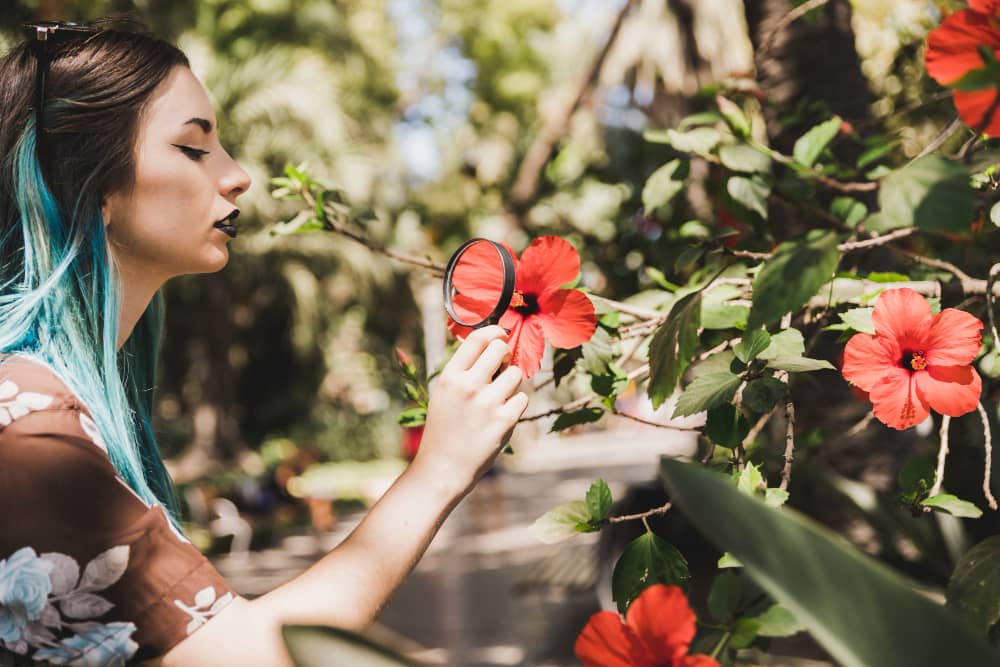
Hibiscus rosa-sinensis is the familiar tropical hibiscus grown for its colorful flowers. Hibiscus moscheutos is a cold-hardy perennial famous for its enormous blooms, while Hibiscus syriacus, or rose of Sharon, grows as a woody flowering shrub.
These species have different growing requirements and uses, so care instructions for one shouldn’t automatically be applied to another.
If your goal is to grow hibiscus for tea, look specifically for seeds or plants labeled Hibiscus sabdariffa.
Frequently Asked Questions About Hibiscus
Is hibiscus tea caffeine-free?
Yes. Pure hibiscus tea made from Hibiscus sabdariffa is naturally caffeine-free. Check the ingredients in commercial blends, though, because hibiscus is sometimes combined with caffeinated teas.
What does hibiscus tea taste like?
Hibiscus tea is tart, fruity, and slightly sour, with a flavor often compared to cranberry. If you find it too sharp on its own, try it with a little honey, citrus, ginger, or mint.
Is hibiscus good for blood pressure?
This is one of the better-studied hibiscus benefits. Clinical trials and systematic reviews suggest that Hibiscus sabdariffa may lower blood pressure in some people, particularly those with elevated blood pressure. It should not be used as a replacement for prescribed blood pressure treatment.
Can you drink hibiscus tea every day?
There is no universally established recommended daily amount of hibiscus tea. Studies have used different preparations and concentrations, so there isn’t a research-backed number of cups that applies to everyone. If you take medication or are pregnant or breastfeeding, discuss regular use with a healthcare professional.
Does hibiscus tea help you lose weight?
There isn’t strong evidence that drinking hibiscus tea by itself causes meaningful weight loss. Unsweetened hibiscus tea can, however, replace sugary drinks and reduce beverage calories as part of an overall balanced diet.
Is hibiscus tea safe during pregnancy?
There isn’t enough reliable human research to establish the safety of medicinal amounts of hibiscus during pregnancy. Pregnant or breastfeeding individuals should discuss regular use or concentrated hibiscus products with a healthcare professional.
Which hibiscus is used for tea?
The species most commonly used for hibiscus tea is Hibiscus sabdariffa, also called roselle. Tea is typically made from its fleshy red calyces rather than simply from the ornamental flowers commonly associated with hibiscus.
Is Roselle Edible?
Yes. Roselle calyces are edible and are used in teas, jams, syrups, sauces, chutneys, and other foods. Don’t assume that every ornamental hibiscus is suitable for eating simply because it belongs to the same genus. Correct identification matters.
What is the difference between hibiscus and roselle?
Hibiscus is a genus containing many different species. Roselle (Hibiscus sabdariffa) is one species within that genus and is the plant most commonly grown for the edible calyces used to make hibiscus tea.
Is Hibiscus Worth Adding to Your Herbal Routine?
Hibiscus sabdariffa has earned its place in food traditions around the world for good reason. Its red calyces make a tart, caffeine-free tea and can also be used in syrups, preserves, sauces, and other recipes.
Research adds another layer of interest. Among the many claimed hibiscus benefits, its potential effect on blood pressure has some of the strongest human evidence behind it. Research on cholesterol, blood sugar, body weight, and liver health is less conclusive.
You don’t need to treat hibiscus like a remedy to enjoy it. Brew the dried calyces into tea, experiment with them in the kitchen, or grow roselle yourself if your climate allows.
Its tart flavor, deep red color, culinary history, and unusual edible calyces give hibiscus plenty of reasons to be interesting without exaggerating what it can do for your health.
References
- National Center for Complementary and Integrative Health. Herbs at a Glance: Hibiscus.
- National Institutes of Health. Office of Dietary Supplements and PubMed research on Hibiscus sabdariffa.
- Mayo Clinic. Herbal supplement and heart health resources.
- MedlinePlus. Herbal medicine and dietary supplement information.
- Cleveland Clinic. Heart-healthy beverages and herbal tea guidance.
- Royal Horticultural Society. Growing and caring for hibiscus plants.
- Missouri Botanical Garden. Plant Finder: Hibiscus sabdariffa, Hibiscus syriacus, and hardy hibiscus.
- Kew Gardens. Botanical information on the Hibiscus genus.
- USDA Agricultural Research Service. Plant and agricultural resources.
- Da-Costa-Rocha I, et al. Hibiscus sabdariffa L. – A phytochemical and pharmacological review. Food Chemistry.
- Hopkins AL, et al. Hibiscus sabdariffa L. in the treatment of hypertension and hyperlipidemia: A comprehensive review. Fitoterapia.
- Serban MC, et al. Effect of sour tea (Hibiscus sabdariffa) on arterial hypertension: A systematic review and meta-analysis. Journal of Hypertension.