
 By
By Herbal Medicine Basics: What You Need To Know
Herbal medicine has been used for thousands of years as a natural way to support health and wellness. Long before modern pharmaceuticals were developed, people around the world relied on plants, roots, flowers, and herbs to help maintain well-being and address common health concerns. Today, herbal medicine remains a popular part of many wellness routines and continues to be used alongside conventional healthcare.
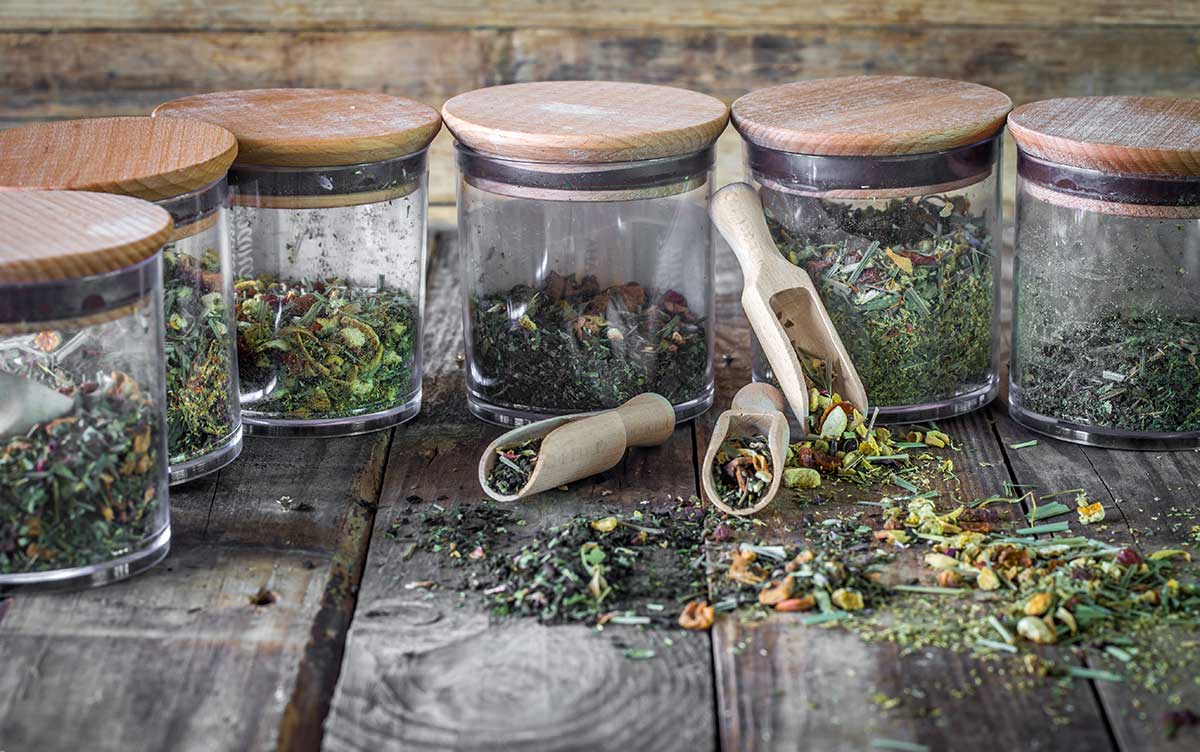
Many people first discover herbal remedies through herbal teas, making them an accessible introduction to natural wellness.
Also known as botanical medicine or phytotherapy, herbal medicine involves using plants or plant-based extracts for their traditional therapeutic properties. Herbs can be consumed in various forms, including teas, tinctures, capsules, powders, and topical preparations. While many herbs have a long history of traditional use, it is important to understand both their potential benefits and their safety considerations.
In this guide, you’ll learn the basics of herbal medicine, how herbal remedies work, common types of herbal preparations, potential benefits and risks, and what to know before incorporating herbs into your wellness routine.
What Is Herbal Medicine?
Herbal medicine is the practice of using plants and plant-derived substances to support health and wellness. Also known as botanical medicine or phytotherapy, it has been used for thousands of years in cultures around the world, including traditional Chinese medicine, Ayurveda, Native American healing traditions, and European herbalism.
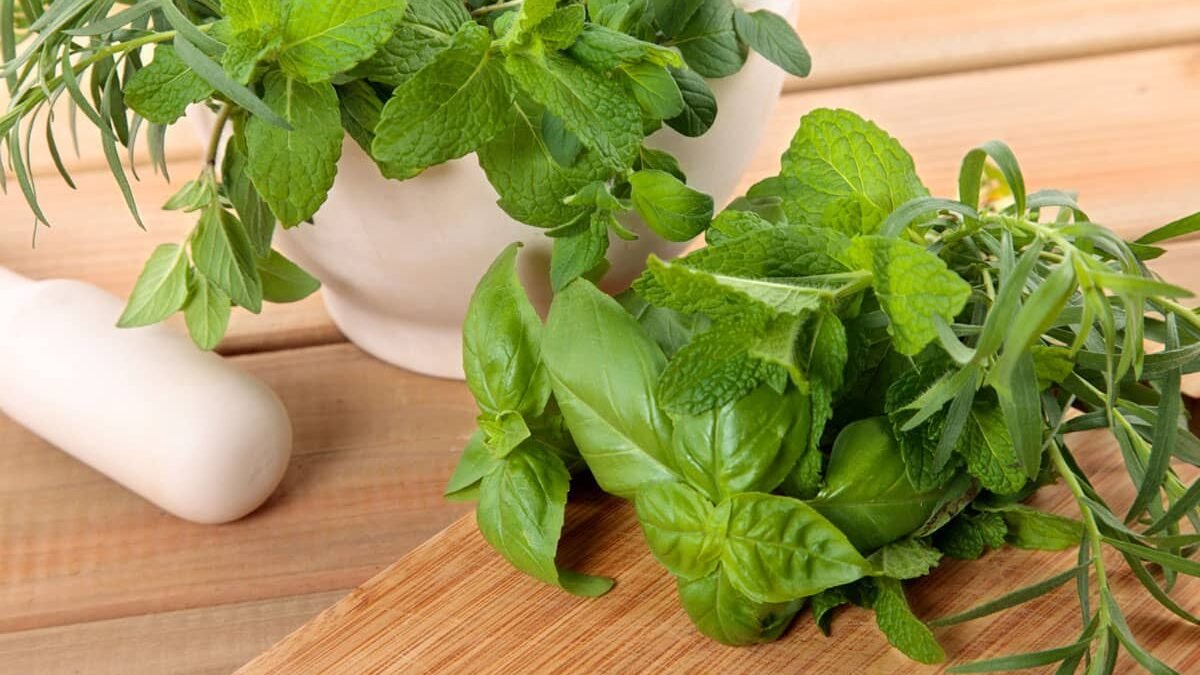
Herbal remedies are made from various parts of plants, including leaves, flowers, roots, bark, seeds, and fruits. These plant materials contain naturally occurring compounds that have been traditionally valued for their potential health-supporting properties. Depending on the herb and intended use, herbal preparations may be consumed as teas, tinctures, capsules, powders, extracts, or topical applications.
Today, herbal medicine is often used as part of a holistic approach to wellness. Many people incorporate herbs into their daily routines to support relaxation, digestion, immune health, energy levels, and overall well-being.
While herbal medicine has a long history of traditional use, it is important to remember that natural does not always mean risk-free. Some herbs can interact with medications or may not be suitable for certain individuals. For this reason, it is always a good idea to research herbal products carefully and consult a qualified healthcare professional when needed. Popular examples include chamomile for relaxation, peppermint for digestive comfort, ginger for occasional nausea, and lemon balm for stress management.
The History Of Herbal Medicine
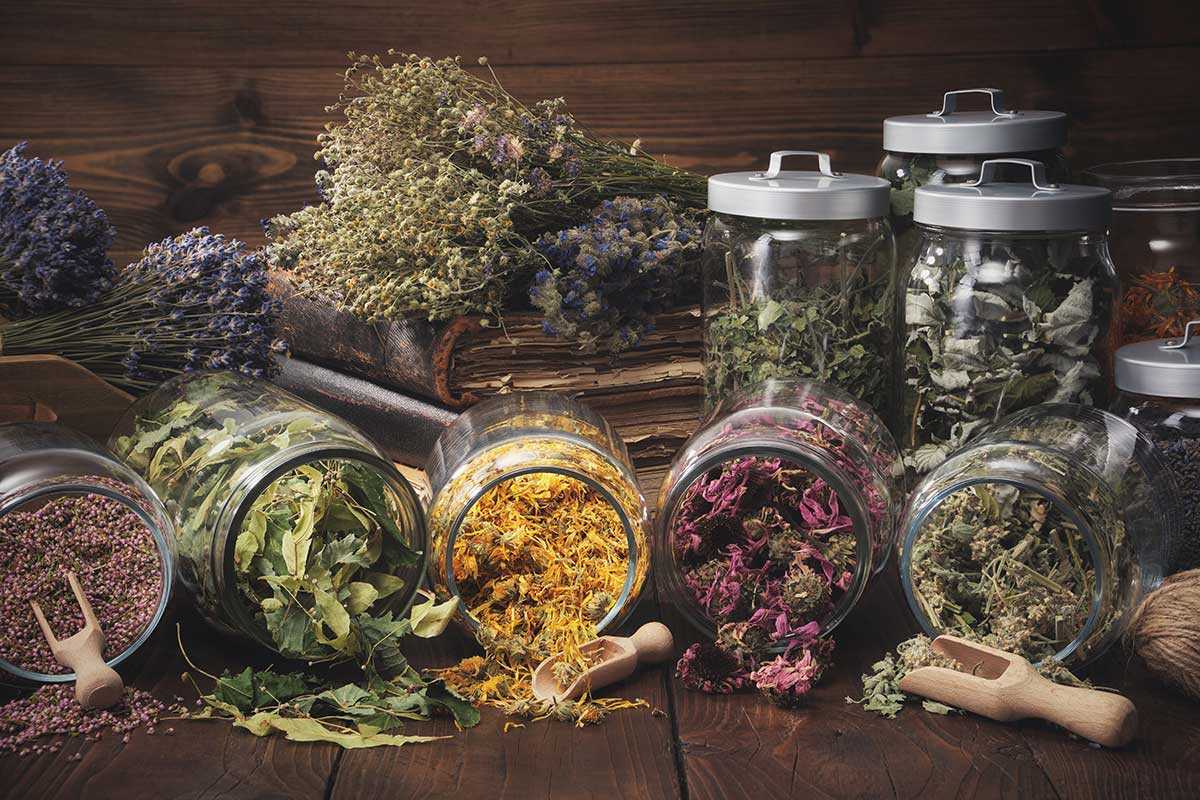
The history of herbal medicine stretches back thousands of years and spans nearly every civilization in the world. Long before modern medicine existed, people relied on plants, roots, flowers, and herbs to help support health and address common ailments. Through observation and experience, traditional healers developed extensive knowledge about the medicinal properties of local plants, much of which has been passed down through generations.
Some of the earliest written records of herbal medicine come from ancient civilizations in China, Egypt, India, and Mesopotamia. Ancient Egyptian texts dating back more than 3,500 years describe the use of herbs such as garlic, aloe vera, and juniper for various health purposes. In China, traditional herbal practices evolved into what is now known as Traditional Chinese Medicine (TCM), which continues to use a wide variety of medicinal plants today.
In India, Ayurveda became one of the world’s oldest holistic healing systems. Developed over 3,000 years ago, Ayurvedic medicine incorporates herbs, diet, lifestyle practices, and natural therapies to promote balance and well-being. Many herbs commonly used today, including turmeric, ashwagandha, and holy basil, have roots in Ayurvedic traditions.
Herbal medicine also played a central role in ancient Greek and Roman healthcare. Physicians such as Hippocrates, often called the “Father of Medicine,” documented the medicinal use of numerous plants and emphasized the importance of natural remedies. Throughout Europe during the Middle Ages, herbal knowledge was preserved by monks, healers, and herbalists who cultivated medicinal gardens and created herbal reference books.
Many Indigenous cultures around the world developed their own rich traditions of plant-based healing. Native American tribes, for example, used local plants for wellness, ceremonial purposes, and traditional remedies, often passing this knowledge through oral traditions.
Today, herbal medicine continues to be practiced globally and remains an important part of many healthcare traditions. Modern scientific research has helped identify active compounds within certain plants, contributing to a greater understanding of how some traditional herbal remedies may support health. While herbal medicine has evolved over time, its foundation remains rooted in humanity’s long-standing relationship with the natural world.
How Herbal Medicine Works
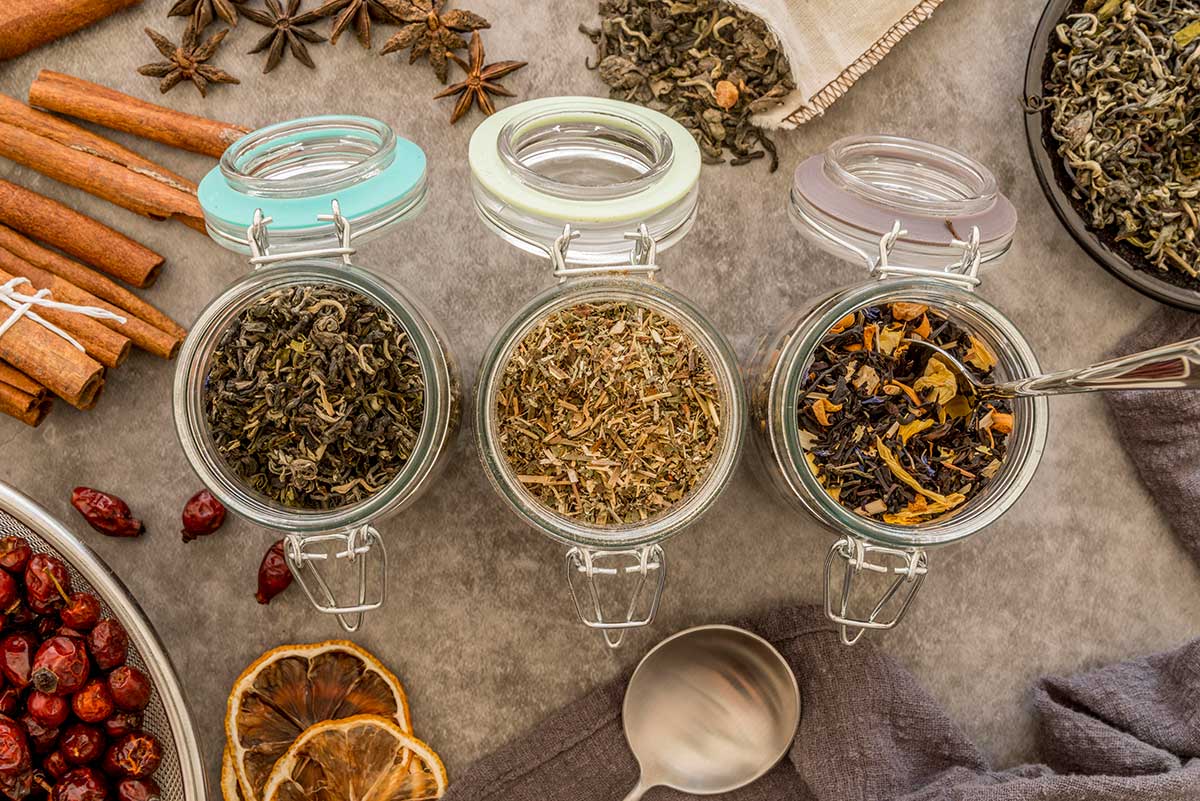
Herbal medicine works through the natural compounds found within plants. Herbs contain a variety of bioactive substances, including flavonoids, polyphenols, alkaloids, terpenes, tannins, and essential oils. These compounds may interact with the body’s systems in different ways, which is why various herbs have traditionally been used to support different aspects of health and wellness.
Unlike many conventional medications that often focus on a single active ingredient, herbs typically contain multiple naturally occurring compounds, which may contribute to their overall effects. This complex combination is one reason herbal remedies have been valued in traditional healing systems for centuries. Depending on the plant, these compounds may help support digestion, relaxation, immune function, circulation, or overall well-being.
For example, chamomile contains plant compounds that have traditionally been used to promote relaxation and restful sleep. Peppermint contains menthol, which is commonly used to support digestive comfort. Ginger contains naturally occurring compounds called gingerols that have long been used to help with occasional nausea and digestive upset.
Herbal remedies can be used in several forms, including teas, tinctures, capsules, powders, extracts, and topical preparations. The method of preparation may influence how quickly the body absorbs the plant compounds and how the herb is traditionally used.
It is important to understand that herbs do not affect everyone in the same way. Factors such as age, overall health, dosage, product quality, and interactions with medications can all influence how an herbal remedy works. While many herbs have a long history of traditional use, scientific research on herbal medicine continues to evolve, and not all traditional uses have been fully studied.
When used responsibly and with proper guidance, herbal medicine can be a valuable part of a balanced wellness routine. However, herbs should be used thoughtfully, especially by individuals who are pregnant, nursing, managing medical conditions, or taking prescription medications.
Common Herbal Actions
Different herbs have traditionally been used for different purposes. Herbalists often describe these effects as “herbal actions.” For example, some herbs are traditionally used to support healthy digestion, while others may help promote relaxation or support normal immune function.
Common herbal actions include:
- Diuretic herbs that help support normal fluid balance
- Digestive herbs that support healthy digestion
- Soothing herbs traditionally used for relaxation
- Herbs that support a healthy inflammatory response
- Aromatic herbs that may support respiratory comfort
- Adaptogenic herbs traditionally used to help the body adapt to stress
The specific effects of an herb depend on its unique plant compounds and how it is traditionally used.

Common Types Of Herbal Preparations
Herbal remedies are available in many different forms, allowing people to choose the option that best fits their needs and lifestyle. The preparation method can affect how an herb is used, how quickly it is absorbed, and how convenient it is to take. Understanding the most common types of herbal preparations can help beginners make informed choices when exploring herbal medicine.
Herbal Teas
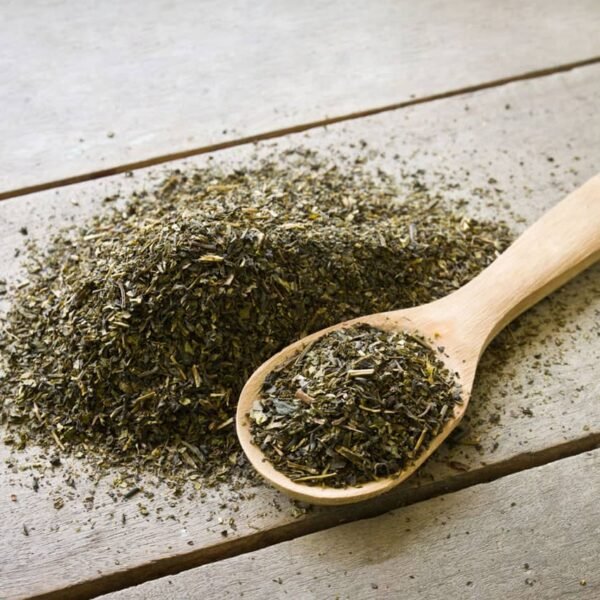
Herbal teas are one of the simplest and most popular ways to use medicinal plants. They are made by steeping dried or fresh herbs in hot water to extract beneficial plant compounds. Herbal teas are commonly used for relaxation, digestive support, hydration, and overall wellness. Popular examples include chamomile tea, peppermint tea, ginger tea, and lemon balm tea.
Tinctures
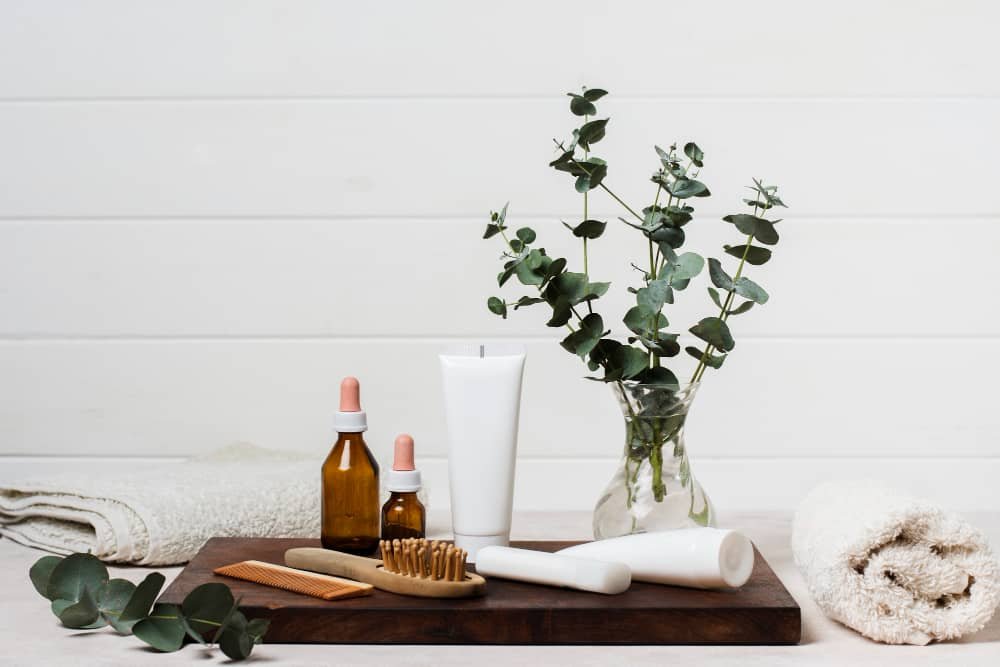
Tinctures are concentrated liquid extracts made by soaking herbs in alcohol or another solvent to draw out their active compounds. Because they are highly concentrated, tinctures are often taken in small amounts using a dropper. Many people appreciate tinctures for their convenience and long shelf life.
Capsules And Tablets
Capsules and tablets contain powdered herbs or herbal extracts in a convenient form. They are easy to measure and take, making them a popular choice for people who do not enjoy the taste of herbal teas or liquid preparations. Capsules are commonly used for herbs such as turmeric, echinacea, garlic, and milk thistle.
Herbal Powders
Herbal powders are made by grinding dried herbs into a fine powder. These powders can be mixed into smoothies, juices, foods, or beverages. Some herbal powders are also used in traditional wellness practices and homemade herbal preparations.
Extracts
Herbal extracts are concentrated forms of herbs produced through various extraction methods. They are often standardized to contain specific levels of active compounds and may be available as liquids, powders, or capsules. Extracts are commonly used in dietary supplements and wellness products.
Salves And Creams
Topical herbal preparations such as salves, creams, and ointments are applied directly to the skin. These products often contain herbs infused into oils, waxes, or lotions and are traditionally used for skin care and localized support.
Essential Oils
Essential oils are highly concentrated aromatic compounds extracted from certain plants. They are commonly used in aromatherapy and personal care products. Because essential oils are extremely concentrated, they should be used carefully and according to safety guidelines.
Each type of herbal preparation has its own advantages and considerations. Beginners often start with herbal teas because they are easy to prepare and generally well tolerated. Regardless of the form you choose, it is important to follow product directions and use high-quality herbal products from reputable sources.

Popular Herbs For Beginners
For those new to herbal medicine, starting with well-known herbs that have a long history of traditional use can be a great way to learn about natural wellness. Many beginner-friendly herbs are easy to find and are commonly available as teas, capsules, tinctures, and extracts. While each herb has unique properties, they are often used to support general health and well-being.
Chamomile
Chamomile is one of the most popular herbs for relaxation and calming support. Traditionally enjoyed as a tea, chamomile has been used for centuries to promote relaxation and support restful sleep. It is also commonly used to soothe occasional digestive discomfort.
Peppermint
Peppermint is widely known for its refreshing flavor and digestive benefits. Many people use peppermint tea to support digestive comfort, reduce occasional bloating, and promote a soothing feeling after meals. Peppermint is also commonly found in herbal blends and essential oil products.
Ginger
Ginger has a long history of traditional use in cultures around the world. It is often used to support digestion and help manage occasional nausea. Fresh ginger, dried ginger powder, and ginger tea are all popular ways to incorporate this herb into a wellness routine.
Lemon Balm
Lemon balm is a member of the mint family and is valued for its gentle calming properties. It has traditionally been used to support relaxation, stress management, and overall emotional well-being. Lemon balm tea is especially popular among those seeking a naturally soothing beverage.
Turmeric
Turmeric is a bright yellow spice that has been used for centuries in Ayurvedic and traditional herbal practices. It contains naturally occurring compounds called curcuminoids and is often used to support a healthy inflammatory response and overall wellness.
Echinacea
Echinacea is one of the most recognized herbs for seasonal wellness support. It has been traditionally used to help maintain immune system function and is commonly available in teas, capsules, tinctures, and extracts.
Garlic
Garlic is both a culinary ingredient and a traditional herbal remedy. It has been used throughout history for its wellness-supporting properties and is often included in herbal health routines focused on overall vitality.
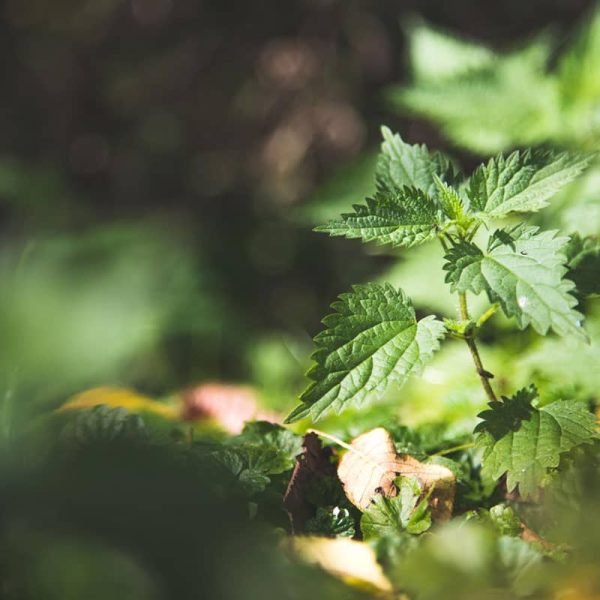
Nettle
Nettle is a nutrient-rich herb that has been used in traditional herbal medicine for generations. It is commonly consumed as a tea and is valued for its vitamins, minerals, and general wellness-supporting properties.
If you’re new to herbal medicine, starting with one herb at a time can make it easier to understand how your body responds and which remedies work best for you. Choosing high-quality products and following recommended usage guidelines can help you safely explore the benefits of herbal remedies.
For many people, herbal tea is the easiest and most enjoyable way to begin exploring herbal medicine because it requires little preparation and can easily become part of a daily routine.
Understanding these herbal medicine basics can help beginners choose remedies more confidently and use them responsibly.
Herbal Medicine In Modern Wellness
Although herbal medicine has ancient roots, it continues to play a role in modern wellness practices. Many people use herbal products alongside healthy lifestyle habits such as balanced nutrition, regular exercise, stress management, and adequate sleep. Herbal teas, supplements, and botanical preparations are widely available and are often incorporated into daily wellness routines.
Interest in natural health has grown significantly in recent years, leading more people to explore traditional herbal practices and plant-based wellness approaches. At the same time, scientific research continues to investigate the compounds found in medicinal plants and their potential effects on human health.
Today, herbal medicine is commonly used as a complementary approach to wellness rather than a replacement for conventional medical care. Many individuals appreciate herbs for their long history of traditional use and the connection they provide to natural health practices.
As with any wellness product, education is important. Understanding how herbs are traditionally used, choosing high-quality products, and following appropriate safety guidelines can help individuals make informed decisions about incorporating herbal remedies into their daily lives.

Potential Benefits Of Herbal Medicine
Interest in herbal medicine remains strong, with many people incorporating herbs into everyday routines alongside other healthy habits. While different herbs have different traditional uses, herbal remedies are often incorporated into daily routines to help promote overall well-being and complement a healthy lifestyle.
Supports Overall Wellness
Many herbs are used as part of a proactive wellness routine. Herbal teas, supplements, and extracts are often consumed to support general health, maintain balance, and encourage healthy lifestyle habits. When combined with proper nutrition, exercise, and adequate sleep, herbal remedies can be a valuable addition to a wellness-focused lifestyle.
Promotes Relaxation And Stress Management
Certain herbs have traditionally been used to encourage relaxation and support emotional well-being. Herbs such as chamomile, lemon balm, lavender, and passionflower are commonly included in calming teas and herbal blends designed to help people unwind after a busy day.
Supports Digestive Health
Digestive wellness is one of the most common reasons people turn to herbal remedies. Herbs such as peppermint, ginger, fennel, and chamomile have long been used to support digestive comfort and help maintain a healthy digestive system.
Encourages Healthy Immune Function
Many traditional herbal practices include herbs that are used to support normal immune system function. Popular examples include echinacea, elderberry, garlic, and astragalus. These herbs are often consumed during seasonal changes as part of a broader wellness routine.
Provides Natural Plant Compounds
Herbs naturally contain a wide variety of beneficial plant compounds, including antioxidants, flavonoids, polyphenols, and essential oils. These compounds contribute to the unique characteristics of each herb and are one reason herbal remedies have remained popular for centuries.
Supports A Holistic Approach To Health
One of the key principles of herbal medicine is viewing wellness from a holistic perspective. Rather than focusing on a single aspect of health, many herbal traditions emphasize supporting the body, mind, and lifestyle as interconnected parts of overall well-being.
While herbal medicine offers many potential benefits, it is important to remember that results can vary from person to person. Herbs should not replace professional medical care, and individuals with medical conditions or those taking medications should consult a qualified healthcare provider before using herbal products.
Risks And Safety Considerations
Although herbal medicine is often viewed as a natural approach to wellness, natural does not always mean risk-free. Like conventional medications, herbs can affect the body in different ways and may not be suitable for everyone. Understanding potential risks and following safe usage practices can help you make informed decisions when incorporating herbal remedies into your routine.
Possible Side Effects
Some herbs may cause side effects, particularly when taken in large amounts or for extended periods. Common side effects can include digestive discomfort, nausea, headaches, dizziness, or allergic reactions. The likelihood and severity of side effects can vary depending on the herb, dosage, and individual sensitivity.
Quality And Product Variations
Not all herbal products are created equal. The quality, potency, and purity of herbal supplements can vary significantly between manufacturers. Choosing products from reputable companies that provide clear ingredient information and quality testing can help reduce the risk of contamination or inaccurate labeling.
Allergic Reactions
People who have allergies to certain plants may also react to related herbs. For example, individuals with allergies to plants in the daisy family may experience reactions to herbs such as chamomile or echinacea. If you are trying a new herb for the first time, it is wise to start cautiously and monitor for any adverse reactions.
Pregnancy And Breastfeeding
Many herbs have not been extensively studied during pregnancy or breastfeeding. For this reason, pregnant or nursing individuals should consult a qualified healthcare professional before using herbal products. Certain herbs may not be recommended during these stages of life.
Underlying Health Conditions
Individuals with chronic health conditions should exercise additional caution when using herbal remedies. Some herbs may affect blood pressure, blood sugar levels, liver function, or other important aspects of health. Consulting a healthcare provider can help determine whether a specific herb is appropriate for your situation.
Importance Of Following Directions
Using more of an herb does not necessarily lead to better results. Always follow the dosage instructions provided on product labels or by qualified healthcare professionals. Taking excessive amounts of herbal products may increase the risk of side effects and unwanted reactions.
Herbal medicine can be a valuable part of a healthy lifestyle when used responsibly. Educating yourself about the herbs you use, purchasing high-quality products, and seeking professional guidance when needed are important steps toward safe and effective herbal wellness practices.
Herbal Medicine And Drug Interactions
One of the most important aspects of herbal medicine safety is understanding that herbs can interact with prescription medications, over-the-counter drugs, and even other supplements. These interactions may increase or decrease the effectiveness of medications or raise the risk of unwanted side effects. For this reason, it is essential to speak with a healthcare professional before combining herbal remedies with any medication.
Why Interactions Can Occur
Many herbs contain active compounds that can affect how the body absorbs, processes, or eliminates medications. Some herbs may influence liver enzymes responsible for breaking down drugs, while others can affect blood clotting, blood pressure, blood sugar levels, or the nervous system.
Common Herbs Known For Potential Interactions
Several popular herbs are known to interact with certain medications:
- St. John’s Wort may affect how the body processes various medications and can reduce the effectiveness of some prescription drugs.
- Ginkgo Biloba may increase the risk of bleeding when combined with blood-thinning medications.
- Garlic supplements may also affect blood clotting and should be used cautiously alongside anticoagulants.
- Ginseng may interact with medications that affect blood sugar, blood pressure, or blood clotting.
- Ginger may influence blood clotting and should be discussed with a healthcare provider if you take blood-thinning medications.
Special Considerations For Chronic Conditions
People managing chronic health conditions such as diabetes, heart disease, high blood pressure, autoimmune disorders, or liver conditions should be especially careful when using herbal remedies. Some herbs may influence symptoms, medications, or treatment plans in unexpected ways.
Keep Your Healthcare Provider Informed
If you use herbal supplements, teas, tinctures, or extracts regularly, let your healthcare provider know. Providing a complete list of all supplements and medications can help reduce the risk of potentially harmful interactions and ensure your healthcare team has a complete picture of your wellness routine.
Use Reputable Sources Of Information
The internet contains a vast amount of information about herbal medicine, but not all sources are reliable. When researching herb-drug interactions, rely on reputable healthcare organizations, qualified herbal practitioners, pharmacists, and healthcare providers for accurate guidance.
Understanding potential interactions is an important part of using herbal medicine responsibly. By staying informed and communicating openly with healthcare professionals, you can make safer decisions and reduce the risk of complications when combining herbs with other treatments.

How To Choose Quality Herbal Products
Choosing high-quality herbal products is one of the most important steps in creating a thoughtful and well-informed herbal wellness routine. With so many supplements, teas, tinctures, and extracts available on the market, it can sometimes be difficult to determine which products are trustworthy. Learning what to look for can help you make more informed purchasing decisions.
Check The Ingredient List
Always read the product label carefully before purchasing an herbal remedy. A quality product should clearly list the herb’s common name, botanical name, ingredients, serving size, and recommended usage instructions. Avoid products with unclear labeling or proprietary blends that do not disclose ingredient amounts.
Choose Reputable Brands
Look for companies with a strong reputation for quality and transparency. Established manufacturers often provide detailed information about their sourcing, production methods, and quality control practices. Customer reviews can be helpful, but they should not be the only factor in your decision.
Look For Third-Party Testing
Some herbal products undergo independent third-party testing to verify purity, potency, and quality. Certifications from reputable testing organizations can provide additional confidence that the product contains what the label claims and is free from certain contaminants.
Consider Organic Options
Many people prefer organic herbs because they are grown without the use of synthetic pesticides and fertilizers. While organic certification does not automatically guarantee a superior product, it may be an important factor for those seeking a more natural option.
Pay Attention To Product Form
Different herbal preparations may be better suited for different needs. Herbal teas are often a good starting point for beginners, while capsules, tinctures, and extracts may offer greater convenience or concentration. Consider your personal preferences and wellness goals when selecting a product format.
Verify Storage And Expiration Information
Freshness can affect the quality of herbal products. Always check expiration dates and follow storage instructions provided by the manufacturer. Proper storage helps maintain the potency and quality of herbs over time.
Be Cautious Of Unrealistic Claims
Avoid products that promise quick fixes, miracle cures, or guaranteed results. Reputable herbal products typically focus on supporting health and wellness rather than making exaggerated medical claims. If a claim sounds too good to be true, it probably is.
Taking the time to evaluate herbal products carefully can help you find safe, high-quality options that align with your wellness goals. Combining quality products with responsible use and professional guidance when needed can help you get the most from your herbal medicine experience.
Tips For Using Herbal Remedies Safely
Herbal remedies can be a valuable addition to a healthy lifestyle when used responsibly. Whether you are new to herbal medicine or have experience using natural remedies, following a few basic safety guidelines can help reduce risks and improve your overall experience.
Start With One Herb At A Time
If you are trying a new herb, begin with a single product rather than multiple supplements at once. This approach makes it easier to identify how your body responds and helps you recognize any potential side effects or sensitivities.
Follow Recommended Dosages
Always use herbal products according to the manufacturer’s instructions or the guidance of a qualified healthcare professional. Taking larger amounts does not necessarily provide greater benefits and may increase the risk of unwanted side effects.
Purchase From Trusted Sources
Choose herbal products from reputable brands that prioritize quality, transparency, and testing. Purchasing from trusted suppliers can help ensure you receive products that are properly labeled and manufactured according to quality standards.
Keep Track Of What You Use
Consider maintaining a simple journal of the herbs, supplements, and wellness products you use. Recording dosages, frequency, and any noticeable effects can help you better understand what works for you and provide useful information for healthcare providers if needed.
Watch For Side Effects
Even commonly used herbs may cause side effects in some individuals. Pay attention to how your body responds and discontinue use if you experience unexpected symptoms. If symptoms are severe or concerning, seek medical advice promptly.
Inform Your Healthcare Provider
Always let your healthcare provider know about any herbal remedies, supplements, or natural products you are taking. This is especially important if you use prescription medications, are preparing for surgery, or are managing a chronic health condition.
Store Herbs Properly
Proper storage helps maintain the freshness and quality of herbal products. Most herbs should be stored in a cool, dry place away from direct sunlight and moisture. Always follow any specific storage instructions provided on the product label.
Continue Learning About Herbal Medicine
Herbal medicine is a broad and fascinating field with a long history of traditional use. Taking time to learn about different herbs, their traditional applications, and their safety considerations can help you make informed decisions and use herbal remedies more confidently.
By following these safety tips and approaching herbal medicine thoughtfully, you can explore natural wellness practices while minimizing potential risks. Responsible use, quality products, and professional guidance when necessary are the foundations of a safe herbal medicine journey.
When To Consult A Healthcare Professional
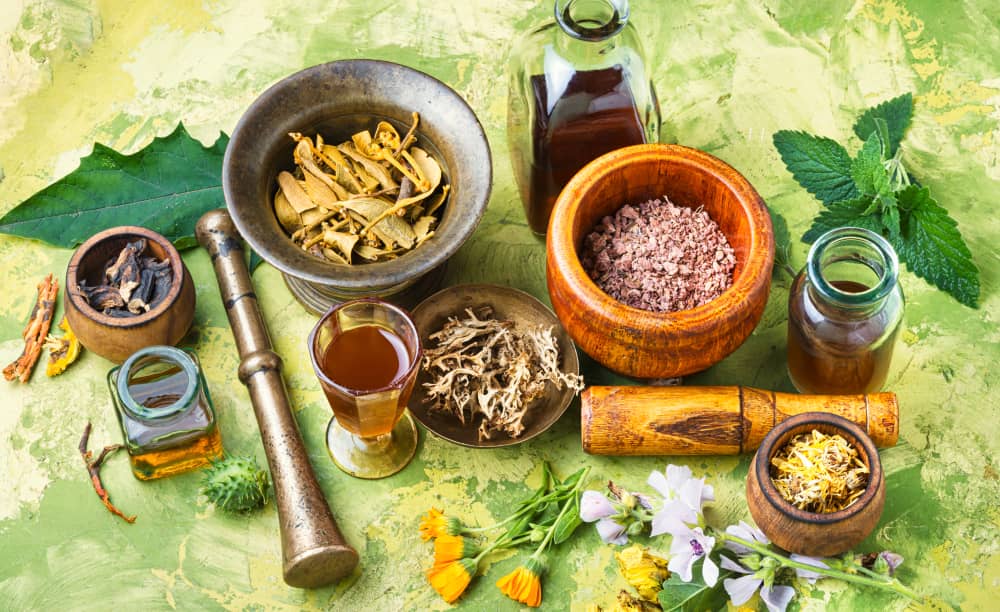
While many herbs have a long history of traditional use, there are situations where professional medical guidance is especially important. Consulting a qualified healthcare provider can help ensure that herbal remedies are used safely and appropriately based on your individual health needs.
Before Starting A New Herbal Supplement
If you are considering adding a new herbal product to your wellness routine, it is a good idea to discuss it with a healthcare professional. They can help determine whether the herb is appropriate for your health goals and identify any potential concerns.
If You Take Prescription Medications
Some herbs may interact with prescription medications, over-the-counter drugs, or dietary supplements. A healthcare provider or pharmacist can help evaluate possible interactions and provide guidance on safe use.
During Pregnancy Or Breastfeeding
Because research on many herbs during pregnancy and breastfeeding is limited, professional guidance is strongly recommended before using herbal products during these stages of life.
If You Have A Chronic Health Condition
Individuals living with conditions such as diabetes, heart disease, high blood pressure, liver disease, kidney disease, or autoimmune disorders should seek medical advice before using herbal remedies. Certain herbs may not be appropriate for specific health conditions.
If You Experience Side Effects
Stop using an herbal product and consult a healthcare professional if you experience unexpected symptoms, allergic reactions, digestive upset, dizziness, skin reactions, or any other concerning effects.
Before Surgery Or Medical Procedures
Some herbs may affect blood clotting, blood pressure, or anesthesia. Many healthcare providers recommend discontinuing certain herbal supplements before surgery. Always inform your medical team about any herbs or supplements you are taking.
When You Need Personalized Advice
Every person is different, and what works well for one individual may not be suitable for another. A qualified healthcare professional can provide personalized recommendations based on your medical history, medications, and wellness goals.
Herbal medicine can be a valuable part of a healthy lifestyle, but it should be used thoughtfully and responsibly. Seeking professional guidance when appropriate can help you make informed decisions and use herbal remedies with greater confidence and safety.
Frequently Asked Questions
Is Herbal Medicine Safe?
Many herbal products are generally considered safe when used according to directions. However, herbs can cause side effects or interact with medications, supplements, and certain health conditions. It is important to use herbal remedies responsibly and consult a healthcare professional when necessary.
Can Herbal Remedies Be Taken With Prescription Medications?
Some herbal remedies may interact with prescription medications. These interactions can affect how medications work or increase the risk of side effects. If you take any prescription drugs, speak with your healthcare provider before adding herbal supplements to your routine.
What Is The Difference Between Herbal Medicine And Dietary Supplements?
Herbal medicine specifically refers to products derived from plants and plant extracts. Dietary supplements may include herbs but can also contain vitamins, minerals, amino acids, probiotics, and other ingredients intended to support health and wellness.
How Long Does It Take For Herbal Remedies To Work?
The timeframe can vary depending on the herb, the form used, the dosage, and the individual. Some herbal teas and preparations may produce noticeable effects relatively quickly, while other herbs may require consistent use over a longer period as part of a wellness routine.
Are Herbal Teas Effective?
Herbal teas are one of the most popular ways to enjoy medicinal plants. They provide a simple and convenient way to consume herbs and are commonly used to support relaxation, digestion, hydration, and overall well-being.
Can I Use More Than One Herb At A Time?
Many herbal blends combine multiple herbs, but beginners may find it helpful to start with a single herb to better understand how their body responds. If you plan to combine several herbs or supplements, consulting a healthcare professional is recommended.
How Should Herbal Products Be Stored?
Most herbal products should be stored in a cool, dry place away from direct sunlight, heat, and moisture. Proper storage helps maintain freshness, quality, and potency.
Do Natural Herbs Have Side Effects?
Yes. Although herbs are natural, some may cause side effects or allergic reactions in certain individuals. Always follow product directions and discontinue use if you experience any unusual symptoms.
Using Herbal Medicine Safely And Wisely
Herbal medicine has been an important part of traditional wellness practices for thousands of years and continues to be widely used today. From soothing herbal teas to concentrated extracts and tinctures, medicinal plants offer a variety of ways to support overall well-being.
Understanding how herbs work, choosing high-quality products, and using them responsibly can help you make informed decisions about your health. While herbal remedies may provide valuable wellness support, they should be viewed as part of a balanced lifestyle that includes proper nutrition, exercise, sleep, and professional medical care when needed.
Whether you’re just beginning to explore herbal medicine or looking to expand your knowledge, taking the time to learn about individual herbs and their traditional uses can help you build a more informed and responsible natural wellness routine.
Continue Learning About Herbal Medicine
If you’re interested in exploring natural wellness further, these guides can help you learn more about popular herbs and traditional herbal practices:
- Chamomile Tea Benefits
- Lemon Balm Benefits
- Ginger Tea Benefits
- Nettle Tea Benefits
- Herbal Teas For Relaxation
- Natural Herbs That Can Help With Everyday Ailments
- Best Herbs For Tea Gardens
- Growing Chamomile For Tea
- Growing Mint For Tea
- How To Dry Herbs For Tea At Home
Building your knowledge gradually can help you better understand how different herbs have been traditionally used and how they may fit into a balanced wellness routine.